

14 Days
Moderate
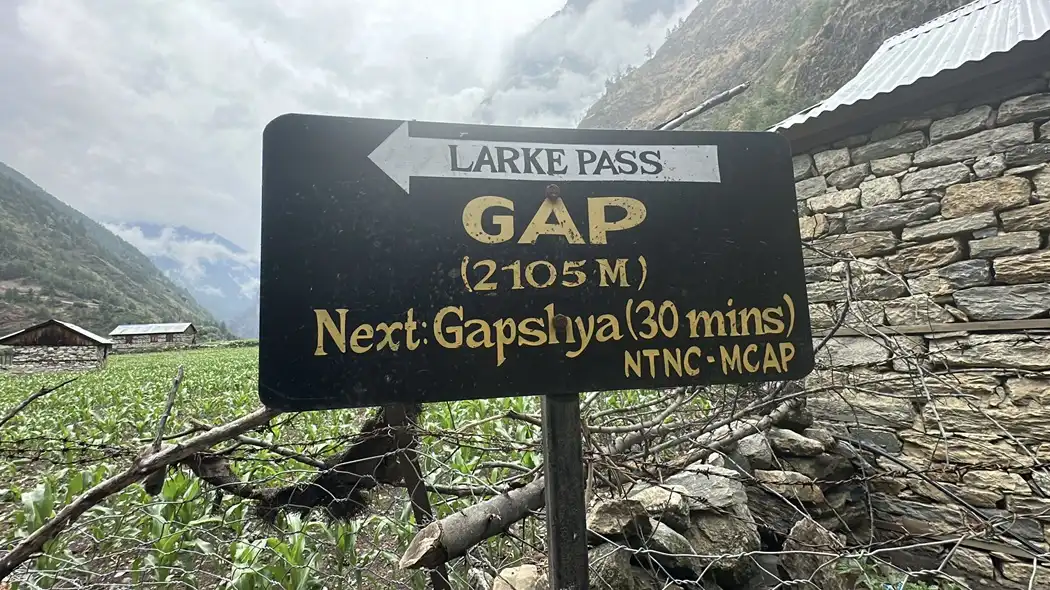
The Manaslu Circuit Trek starts in the bamboo canopies of Dyang. It goes deeper into the Nubri Valley and reaches Ghap (2,160 m). Ghap is a small village filled with prayer flags, mossy forests, and the soothing sound of water-powered prayer wheels.
Today’s section may cover just ten kilometres. Each switchback shows cultural details, ecological treasures, and signs of the icy world above. The narrative below follows the same structure you enjoyed for Chisapani and Dyang. Pull up a warm cup of tea; in the pages ahead, Ghap’s pine-scented secrets await.
Dawn light flickers on the wooden eaves of Dyang’s lodges while the Budhi Gandaki chatters below. Guides check the trail conditions. Rockfall can change footpaths overnight.
They then lead hikers across wet barley fields to the first staircase. Cold air demands a fleece, and many notice breath condensing for the first time on the
A brisk thirty-minute climb places you on a bluff speckled with lichen-covered boulders. The day‘s Manaslu Circuit rhythm begins: short climbs followed by easy river walks. Prayer-flag gateways mark small settlements along the valley floor.
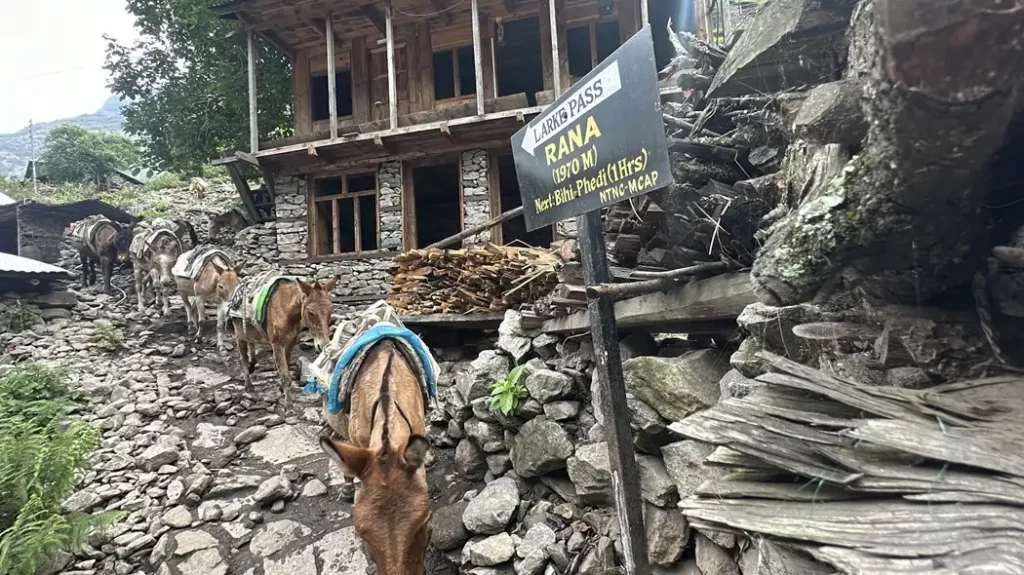
Stone steps lead to Rana, which is about 1,980 meters high. Here, you will find three houses and a mill. Water flows through half-hollowed logs to turn brass prayer wheels. The perpetual motion recites mantras on behalf of the valley—a living soundscape you’ll hear long after leaving.
Guides often stop here to share cultural context. Water-driven wheels symbolise harmony between nature and spiritual practice. This idea is common in the villages along the Manaslu trek.
Trekking poles click as you go down to the river for the first bridge of the day. This wooden bridge sways and attracts cameras. Below, the Budhi Gandaki river flows through dark bedrock.
Reaching the river’s east bank, the footpath narrows, hugging slate cliff faces carved by centuries of mule caravans. Steel cables now line the exposed turns, but the view remains vertiginous: turquoise rapids crash against walls polished smooth. Your steps match the sound of dzopkyo (yak-cow hybrids) approaching you. They carry salt bricks or propane canisters.
One hour on, the valley shelves outward. Fields cover the riverside flats, and the roofs of Bihi Phedi come into view. These are stone cottages with a drying firewood. Prayer flags flutter above them like colourful beacons.
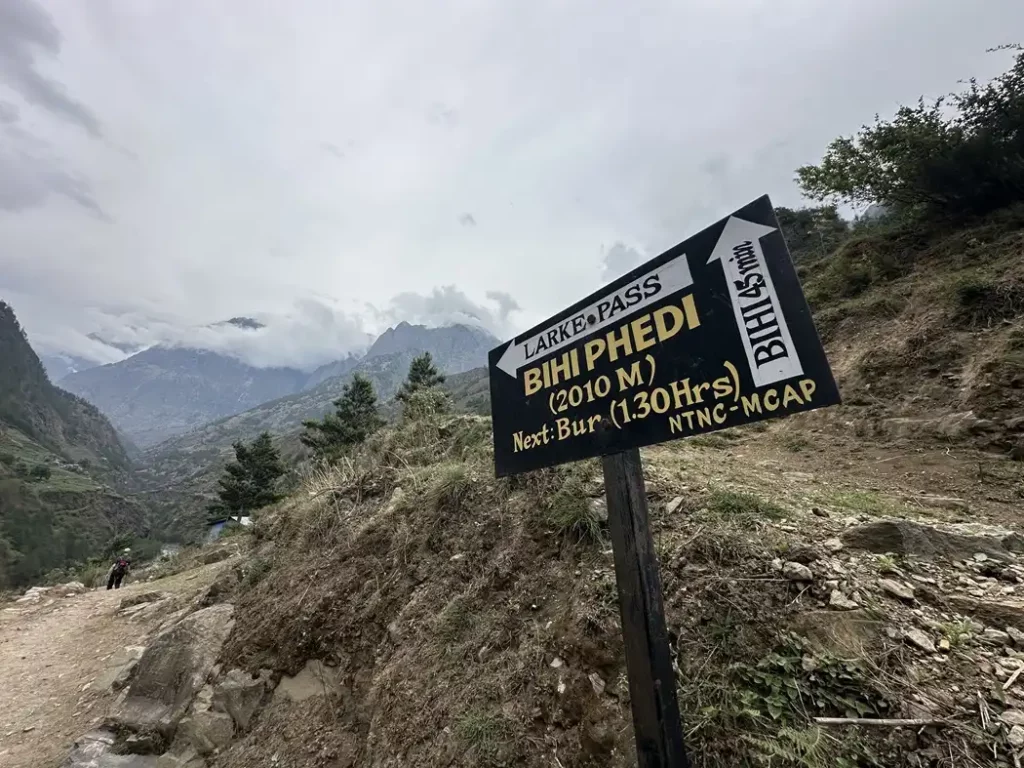
Most trekkers settle on sun-warmed benches for ginger tea, boiled eggs, or an early dal bhat. The friendliness is palpable; children practice English phrases, which dissolve into laughter when you answer with “Tashi Delek!”
Beyond Bihi, the Manaslu Circuit Trek skirts a flood-scoured valley floor—evidence of a long-ago glacial outburst. Smooth granite boulders scatter the flats, now braided by silvery rivulets that glint in sunlight. Terraced fields of buckwheat and potatoes cling to slopes, fenced with woven juniper branches to deter monkeys.

A gentle traverse brings you to the fork for Prok Village. Energetic hikers sometimes climb for an extra hour. They want to see the view of the Siringi Himal and the Ganesh range. The main path stays lower. Signs in Tibetan script and Nepali warn of “yak traffic.” This reminds us that these paths are essential for high-pasture herders.
Crossing the Budhi Gandaki on a new suspension bridge, you enter a place many see as a highlight of the Manaslu trek. This area features a moss-covered mixed forest that feels like a fairy tale.
Towering silver first arch overhead, older man’s lichen ripples in the breeze. Rhododendron trunks, gnarled and wide as temple drums, host orchids that bloom coral pink in spring.
The air cools noticeably. Steam lifts from backpacks, and the earthy scent of leaf litter merges with tangy resin from freshly cut juniper. Listen closely: the hollow, flute-like whistle of the Himalayan Monal often breaks the silence. Meanwhile, screeching langur monkeys crash through the branches as they play.
A creek splashes across flat stones—one of several micro-bridges built from single logs and iron rebar. Here, the climb steepens, switchbacking 300 metres through dense shade.
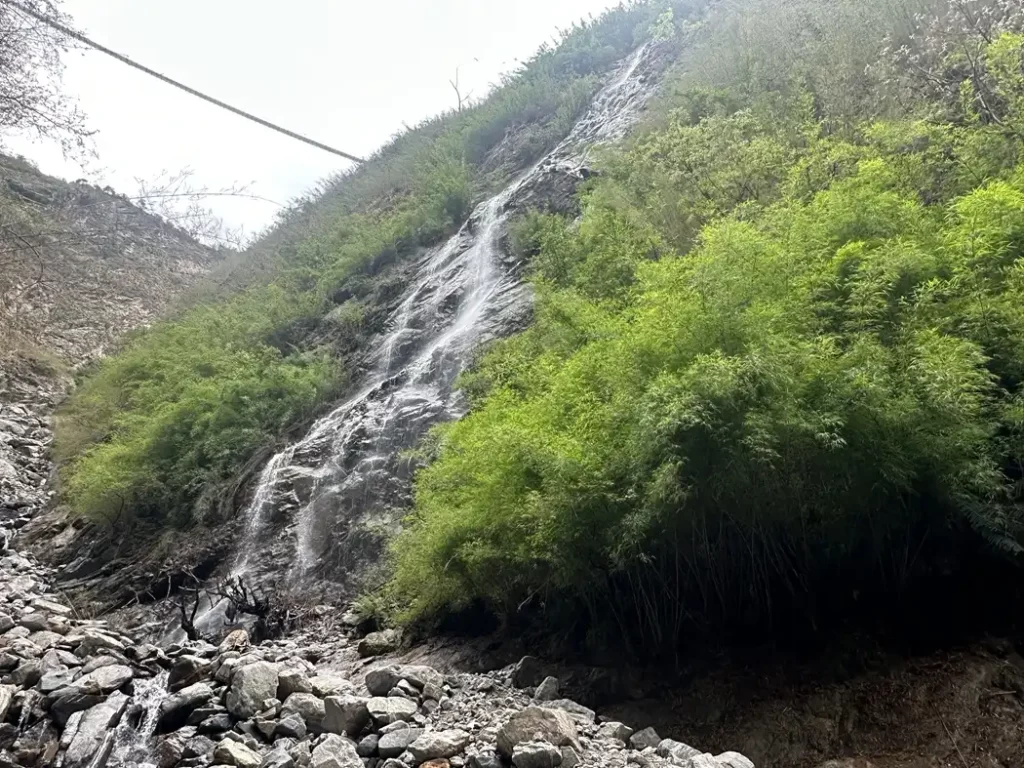
The canopy protects you from the bright midday sun. You can take breaks on the resting rocks. From there, you can see waterfalls sparkling in the valley.
You step onto a flat area and see a grand kani gate. It is a stone arch painted with suns, moons, and fierce gods that protect against bad luck. Wooden beams still bear the burnished patina of butter-lamp smoke from past blessings.
The path goes between rows of hand-carved Mani stones. Many of these stones are the size of dinner tables. Their turquoise and vermilion paint shines bright because the community cares for them.
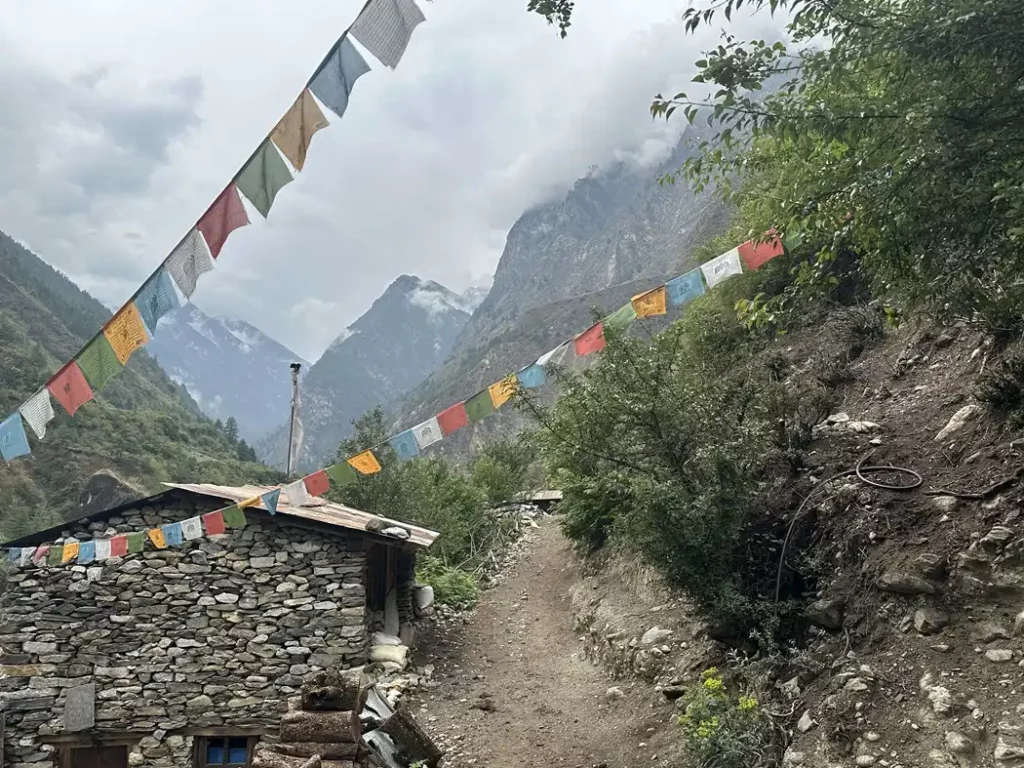
Beyond the gate, Ghap Village reveals itself: fewer than ten humble homes stacked like steps beside the Budhi Gandaki’s now-tamed current. Prayer flags stretch from roof to roof, fluttering over potato patches and yak pens.
In autumn, frost crystals on fallen leaves sparkle in the early sunlight. Evenings often drop below zero, turning water buckets into thin ice bowls by morning.
Population ~50 permanent residents; families of the Nubri ethnic group
Language Nubri-Ke (Tibetan dialect) first; Nepali second
Economy: Barley, potatoes, yak husbandry, occasional trade with Samdo caravans
Greeting “Tashi Delek” for blessings or “Cho-dem-mo?” (How are you?)
Unique Sounds River murmur, yak bells, prayer wheel clack, distant Monal whistles
Lodge owners greet guests with cups of salty butter tea or, for the adventurous, a splash of chang, the local barley brew. Kitchens glow orange from pine needle fires, and the smell of fresh-churned yak butter mingles with sizzling momos filled with nettle greens.
The Ghap Gompa—a modest two-storey stone structure—stands above the village. Inside, flickering butter lamps illuminate the thangkas of Green Tara and Chenrezig. Ask politely, and you may spin the massive wooden drum-style prayer wheel that occupies an entire corner.
Outside, the mani wall stretches nearly eighty metres, each slate etched with “Om Mani Padme Hum” in flawless calligraphy. Villagers still add stones in memory of relatives or to mark a child’s birth.

At dusk, watch locals do a quick kora. They walk clockwise around sacred sites. They whisper mantras as the crescent moonlight shines on the river.
Cultural immersion like this shows why trekking the Manaslu circuit is special. It offers a living heritage that is hard to find on busier Himalayan trails.
Today’s topography showcases transition. You began in a tight canyon where cliffs pressed close and ended on an alpine river shelf framed by firs and pines.
These changes show how glaciers shaped the land. Ancient ice carved the vast areas around Bihi. Meanwhile, younger meltwater is cutting narrow gorges further upstream.
Up-valley from Ghap, the Budhi Gandaki braids itself into multiple cobalt threads, a hint that its source glaciers loom closer. Stone scree slopes, carpeted with dwarf rhododendrons, rise on either side—terrain that shepherds ascend each spring with yak herds.
Night brings a hush broken only by the river’s low hum and the occasional crunch of frost under the hoof.
Conservation note: Ghap lies within the Manaslu Conservation Area. Guides carry portable garbage bags; join the effort by stowing wrappers until the next disposal point in Lho.
Although the valley walls still inhibit broad horizons, strategic pauses deliver memorable frames:
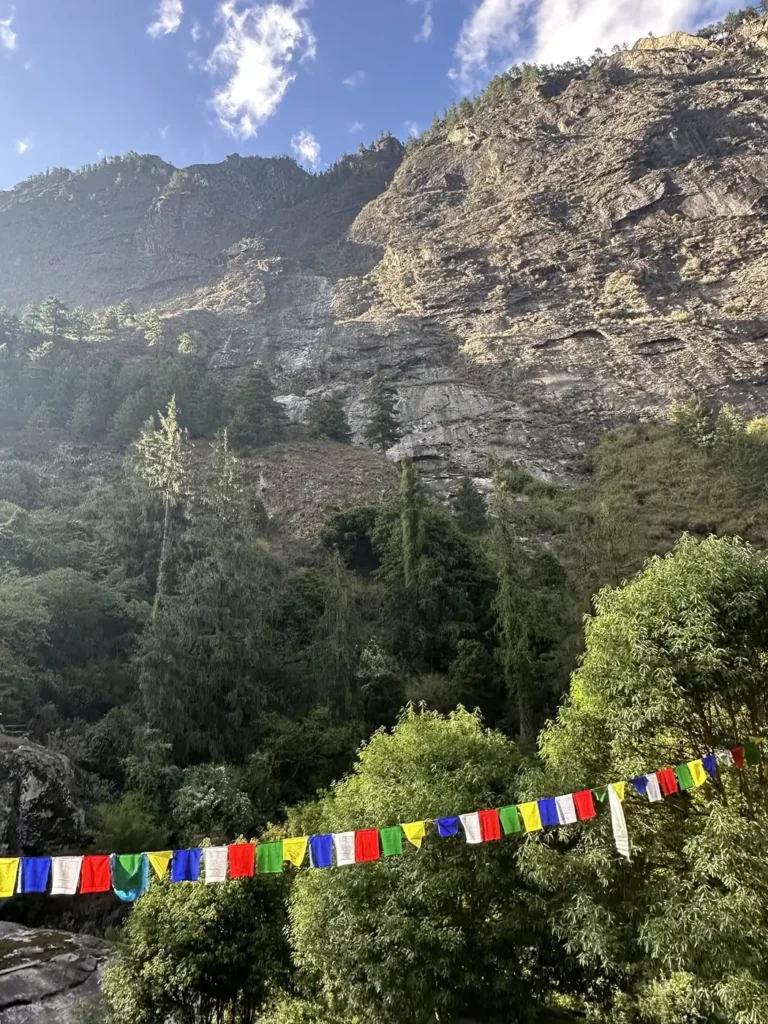
Photographers should keep a mid-telephoto lens handy—peaks appear briefly through tree gaps and vanish as quickly.
Rooms are simple pine cubicles with thin plywood ceilings; sound carries, so pack earplugs. Lodges rely on a micro-hydro turbine—lights dim after 9 p.m. Charging ports cluster near the kitchen; expect a queue. Menu highlights:
Water tanks use glacier run-off: filter or boil. Solar showers remain experimental; most trekkers opt for a purchased warm-water bucket.
How challenging is the uphill through the forest?
Can I skip the Prok detour and still see good views?
Will mobile data work in Ghap?
Do I need extra acclimatisation here?
Are leeches an issue?
Leaving Ghap, the Budhi Gandaki shrinks to a youthful tumble beneath towering cliffs. The path climbs into fir forests filled with birdsong. Then, it enters a large U-shaped valley.
Here, Lho’s golden-roof monastery shows the ice pyramid of Manaslu. Ghap thus serves as a threshold—a step beyond, and the whole drama of the world’s eighth-highest peak unfurls.

Ready to feel forest hush, spin centuries-old prayer wheels, and step ever closer to Manaslu’s snowcapped crown? Alpine Luxury Treks arranges seamless permits, expert Nubri guides, and cosy teahouses for each Manaslu Circuit Trek departure. Email [email protected]
Ghap’s gateway awaits; the higher valleys are calling your name.
