Trekking in Nepal, Tibet and Bhutan

Private trips and small-group departures, planned in Kathmandu and led by guides who grew up on these trails.

See Saturday departuresPlan a private trip

Trek Nepal Himalayas Pvt Ltd, Thamel, Kathmandu. Company registration 187391. Rated 5 out of 5 in more than 950 traveler reviews.

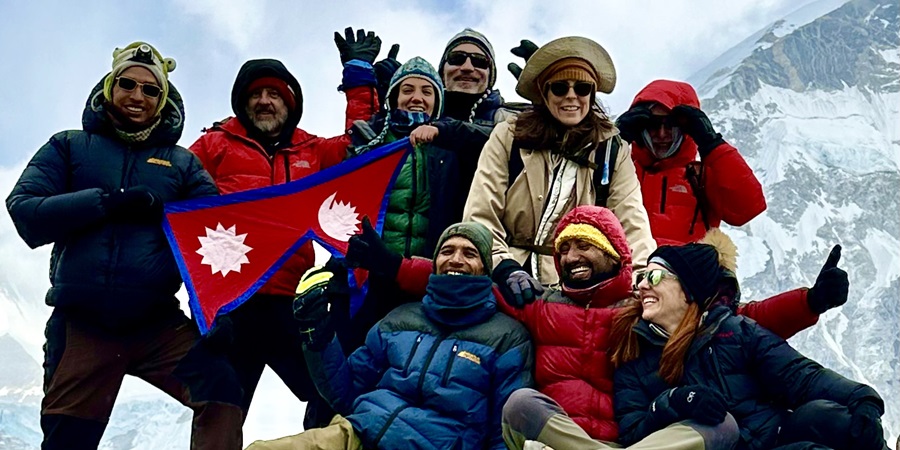
Trekking in Nepal: our group with the flag of Nepal on the Everest Base Camp Trek
Everest Base Camp Trek
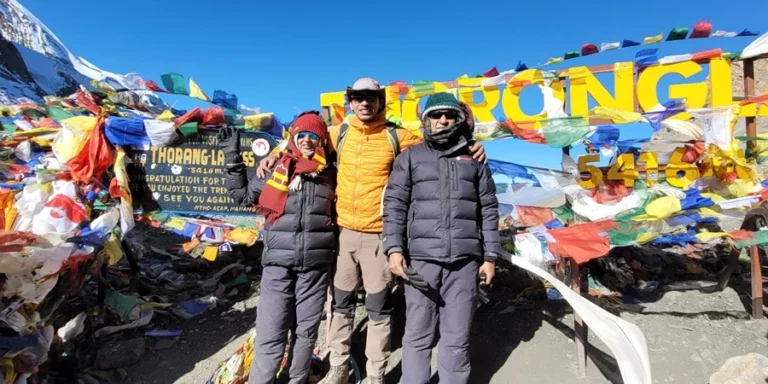
Three trekkers under prayer flags at Thorong La on the Annapurna Circuit Trek
Thorong La 5,416 m
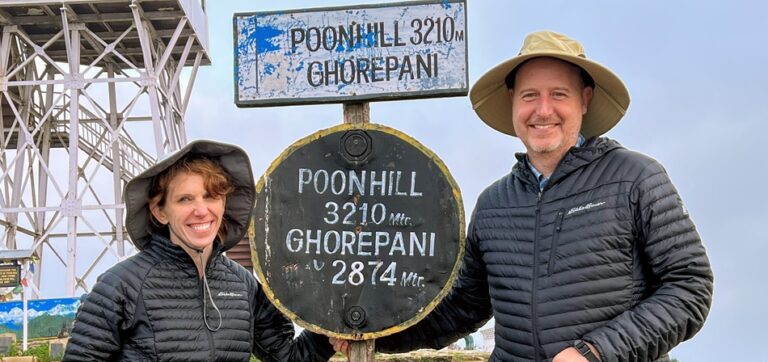
Two trekkers beside the Poon Hill signboard above Ghorepani
Poon Hill 3,210 m
Kathmandu nowUTC +5:45Nepal Standard Time
On the trailsTwo trekking seasons a yearMid-March to mid-June and mid-October to mid-December
Next group leavesEvery SaturdayFrom Kathmandu
Ask the deskWe reply within 24 hoursWhatsApp +977 98510 13196

When are you coming?

Pick a month. We tell you what the weather does and where we would send you.

Orange marks our two trekking seasons in Nepal: mid-March to mid-June and mid-October to mid-December.

January

Winter. Stay low.

January sits outside our two trekking seasons. Lower trails stay open with frost at night and very clear air, and Chitwan has warm days and cool mornings. Bhutan is cold, bright and quiet, and the black-necked cranes are in Phobjikha.

February

Late winter. Good in the lowlands.

The high passes are still under snow. February and March bring the best wildlife sightings in Chitwan, as the grass is cut and burned. Tibet usually closes to foreign travelers for part of February and March.

March

Spring opens in the middle of the month.

Our spring season starts in mid-March. Rhododendrons flower in the forest between Ulleri, Ghorepani and Tadapani from mid-March to late April, and late March is one of the quieter good weeks on the Everest trail. In Bhutan, the Paro Tshechu falls in late March or April.

April

Spring at full strength.

April is the warmer of our two seasons at its best. Rhododendrons flower below Tengboche, and from mid-April Everest Base Camp fills with the tents of the climbing expeditions. It is one of the busiest months, so book early.

May

Warm days and open passes.

May keeps the spring season going, and May to early June gives the best odds on the high passes of Dolpo. The Kailash yatra season opens in the first week of May. In Lo Manthang the three-day Tiji festival fills the square, on dates set by the Tibetan calendar.

June

The monsoon is on its way.

Spring trekking runs to mid-June, then the monsoon reaches Nepal. From there we look north of the main range. Upper Mustang gets very little monsoon rain, and May and June are the dry, clear months for the Kailash yatra.

July

Monsoon. Go north.

In July most Nepal trails get warm rain, leeches in the forest and cloud over the peaks. Upper Mustang lies in the rain shadow of the Annapurna and Dhaulagiri ranges and can be walked now, though flights and the road from Pokhara are less reliable. Full moon departures for Kailash, around Guru Purnima, are among the most sought after.

August

Monsoon. Stay on the dry side.

August is deep monsoon in Nepal and Bhutan, with rain, cloud and landslide delays on mountain roads. Lhasa stays fairly dry, and the Kailash yatra continues with some rain on the Nepal side of the border. On the road from Kathmandu to Lhasa, summer dates need a flexible attitude.

September

The season turns.

Our autumn trekking is still a month away. Kailash is settled and quieter, with colder nights by the end of the month, and late September starts the best months on the overland road to Lhasa. In Bhutan, the Thimphu Tshechu falls in late September or early October.

October

Autumn opens in the middle of the month.

Autumn trekking starts in mid-October, once the monsoon has washed the air clean. Views are the sharpest of the year, and mid-October to mid-November is the busiest stretch on the trails. The Kailash season closes in the first week of October.

November

Clear, dry and colder by the week.

November is autumn at its steadiest. From about 10 November the lodges are quieter while the sky stays clear, and Gorak Shep can drop to about -15°C by the end of the month. In Bhutan the cranes return to Phobjikha, and their festival falls in November.

December

The season closes in the middle of the month.

Autumn trekking runs to mid-December, with cold nights and quieter lodges. After that we stay lower: Poon Hill stays open through winter, with frost at Ghorepani and very clear air. It is also a good month for touring, with cool clear days in Kathmandu and Pokhara.

Read our guide to the trekking seasons
Where we would send you

Or search all 138 trips

A new group leaves every Saturday

Book one seat or five. Bhutan and three-country tours leave on the 1st, 11th and 21st of each month, and private trips start on any day.

  1. Pick your date

    Tell us the trip and the Saturday you want. Kailash yatras run from early May to early October.

  2. Hold your seat

    A 20% deposit confirms your place. We reply to every booking request within 24 hours.

  3. Meet the group in Kathmandu

    Your guide briefs everyone together the evening before the trip starts.

Coming alone? On our Saturday treks you join the group at the price for one traveler, shown on each trip page.

What it is really like

Brochures show the summit photo. This is the rest of the day, sorted by how hard you want the trip to be.

Travelers with their guide and two sadhus on a Kathmandu day tour

Tours and village stays

The day
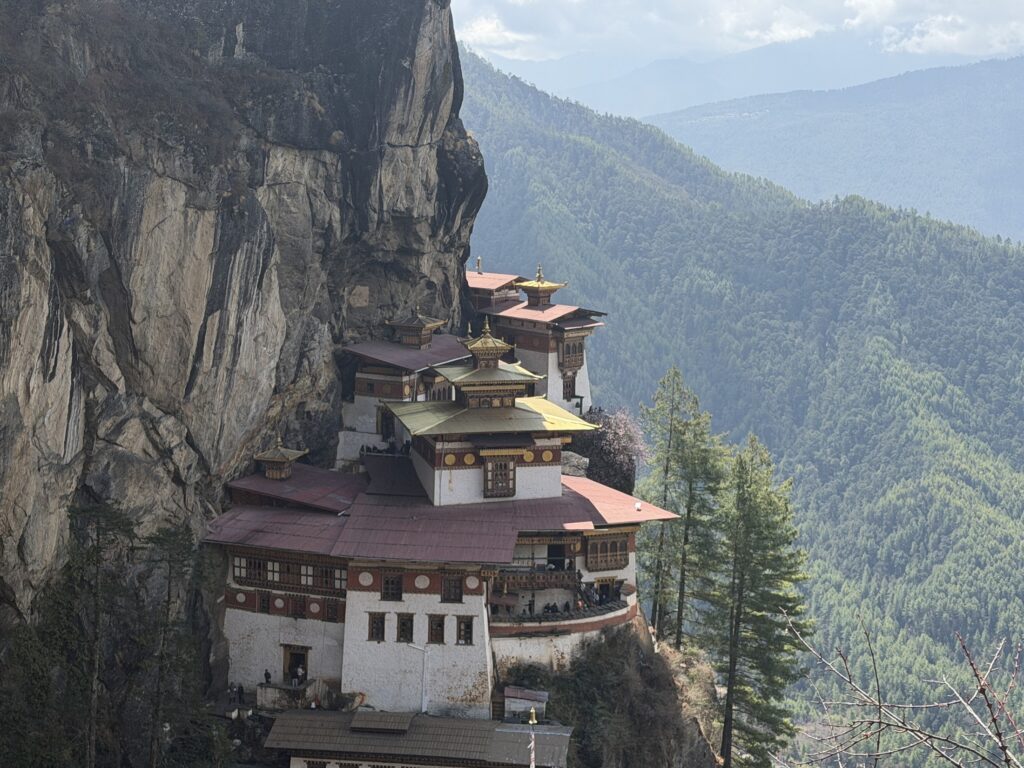
You travel by private car with a guide and walk at temples, dzongs and old towns. On a Bhutan tour most drives take two to four hours, and the longest walk is Tiger's Nest, four to five hours return.
The bed
3-star hotels in twin or double rooms, and a jungle lodge in Chitwan. On the Chainpur homestay the room is clean but basic and the toilet may be shared.
Washing and Wi-Fi
A private bathroom in the hotels, which have Wi-Fi. A local SIM gives good mobile data on most of the route. In the village, hot water is not always on tap.
What your body needs
No special fitness. The one thing to respect is the altitude in Tibet.

Trips at this level: Classic Nepal Tour, 7-Day Bhutan Tour, Chitwan Jungle Safari, Chainpur Village Homestay Tour.

Two trekkers at sunrise on the Annapurna Base Camp Trek

Teahouse treks

The day
Five to six hours of walking on most days. Afternoons can cloud over, so we start early. Evenings are spent around the stove in the teahouse dining room with a plate of dal bhat.
The bed
A twin room with two beds, a mattress, a pillow and a blanket, behind thin plywood walls. Bedrooms are unheated. On the Everest Base Camp Trek we lend you a four-season sleeping bag and a down jacket.
Washing and Wi-Fi
On the Everest trail a hot shower costs US$ 5 to 8 and charging costs US$ 3 to 10. Wi-Fi cards work in most lodges, and mobile data is patchy above Namche.
What your body needs
Stamina, not climbing skill. Train for 8 to 12 weeks with long hill walks carrying a 5 kg pack, stairs, and cycling or running three times a week.

Trips at this level: Ghorepani Poon Hill Trek, Annapurna Base Camp Trek, Langtang Valley Trek, Everest Base Camp Trek. See all treks.

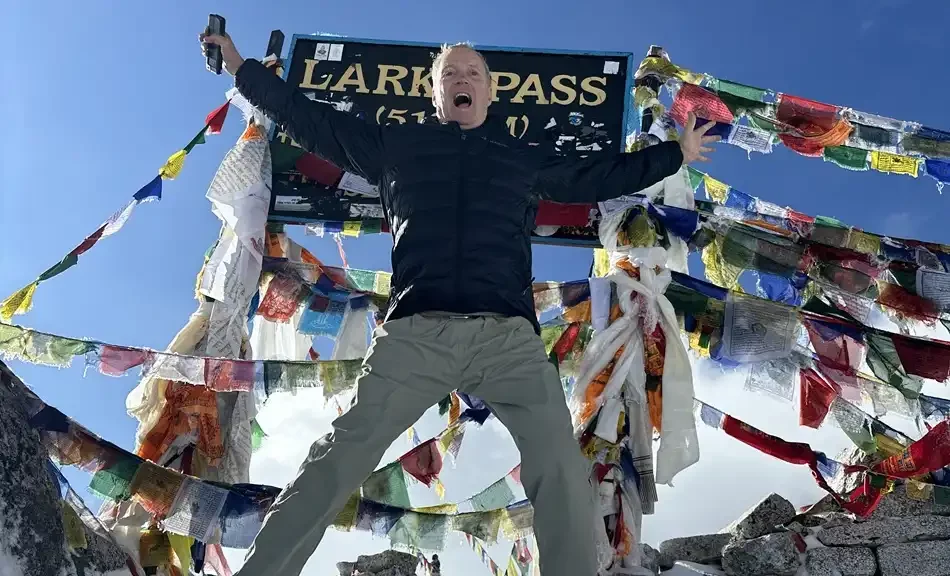
Trekker jumping beside the Larke Pass signboard on the Manaslu Circuit Trek

Passes above 5,000 m

The day
The pass day is the long one. Crossing Thorong La on the Annapurna Circuit takes seven to eight hours, with 970 m of climbing and 1,650 m of descent.
The bed
The highest lodges are the most basic. At Gorak Shep, 5,164 m, the night drops to about -10°C in April and May and about -15°C by late November, and the bedroom has no heating.
Washing and Wi-Fi
Showers up high are gas or solar heated and less reliable. Many trekkers skip them above Dingboche because the rooms are cold. Bring wet wipes and a small towel for those days.
What your body needs
At 5,164 m there is roughly half the oxygen you breathe at sea level. On the Annapurna Circuit you sleep above 3,500 m for five nights in a row, so a slow, steady pace matters more than strength.

Trips at this level: Annapurna Circuit Trek, Manaslu Circuit Trek, Everest Three Passes Trek, Everest Base Camp and Gokyo via Cho La.

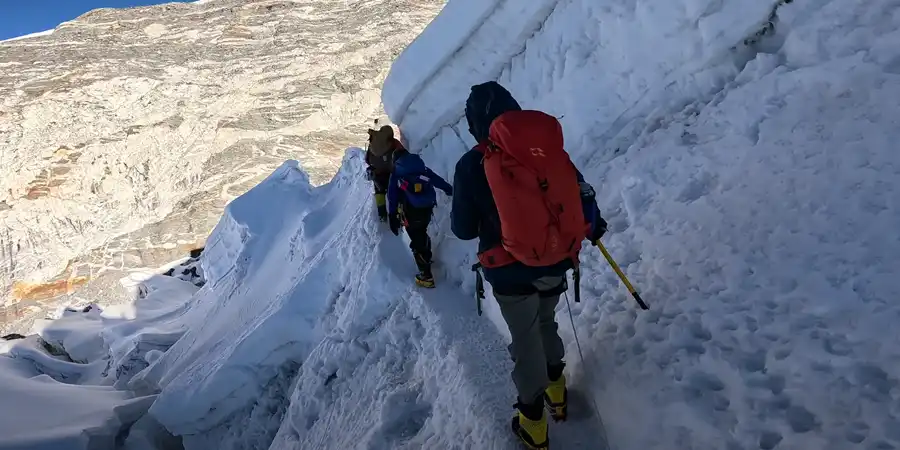
Climbers on a steep snow slope on Island Peak

6,000 m summits

Summit day
On Island Peak the summit push starts around 1 am at 5,087 m and takes 10 to 14 hours. It finishes on 100 to 150 m of snow and ice at 45 to 50 degrees, climbed on a fixed rope.
The bed
Lodges on the walk in, then one or two nights in tents below the peak. After the summit you sleep in a lodge at Chhukung.
The gear
We lend the harness, helmet, crampons, ice axe and rope devices. Boots are the one thing we ask you to bring or rent.
What your body needs
You do not need to have climbed before, but you should have trekked at altitude. Your climbing guide teaches rope, crampon and ladder skills in two sessions before the summit push.

Trips at this level: Island Peak Climbing, Mera Peak Climbing, Lobuche Peak Climbing. See all climbing trips.

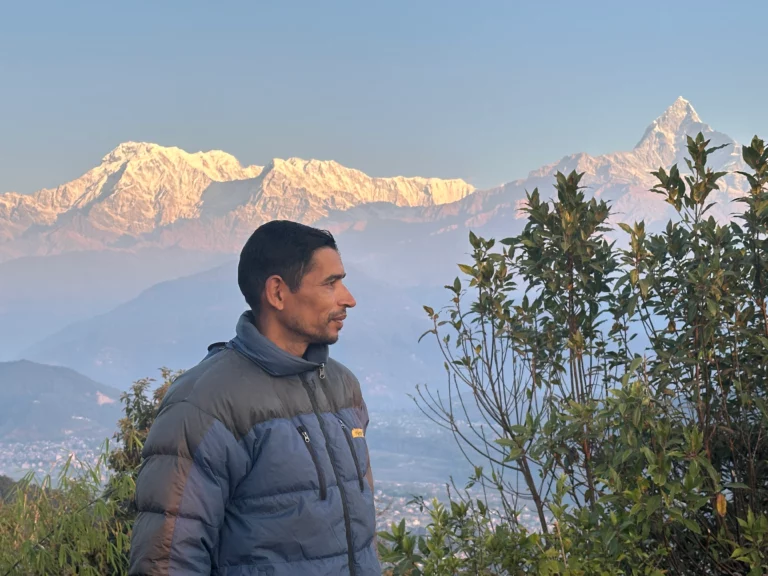
Guides from the hills they lead you through

You meet your guide in Kathmandu before the trip, not at the trailhead.

Meet the whole team

Amazing experience of Nepal

I had the best experience of my life. Our guide, Umesh was well aware and knew how to handle every situation properly. The entire experience was challenging yet comfortable all thanks to our guide. I fell in love with the place, the peace and the beauty, and plan to visit again soon.
Naisha DReview on TripAdvisor, November 2026

Lifetime experience without the craziness of EBC

Once we landed in Kathmandu, Umesh was there to pick us up and had a cheery smile with a positive greeting. … The trek itself was fantastic … There was barely any crowd at the trek at the start of the season.
Kartikeya BEverest View Trek, TripAdvisor, October 2026

The best experience for nature lovers!

Everything just worked perfectly.
Jiří DrahokoupilChitwan Jungle Safari, TripAdvisor, February 2026
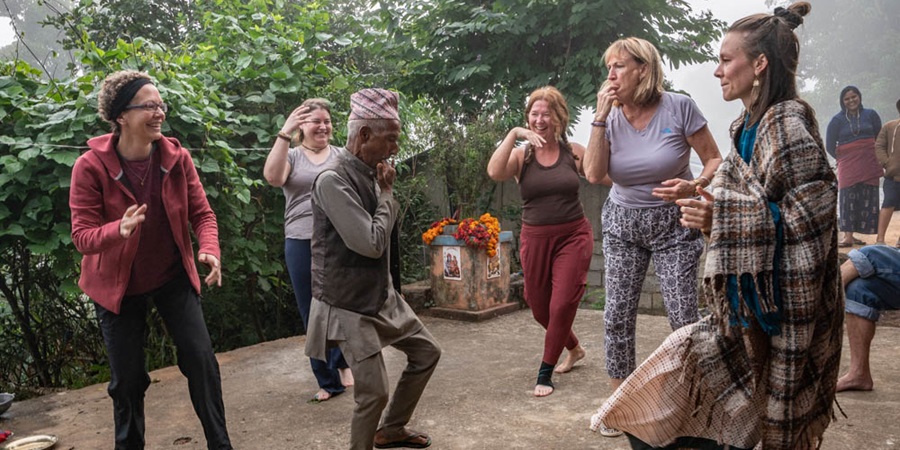
Villagers and guests dancing together in Chainpur, Nuwakot

Two nights with a farming family in Chainpur

Chainpur is a hill village in Nuwakot, about 70 km northwest of Kathmandu. You sleep in a family home, eat what the family eats, help in the fields and spend a morning at the village school. We work with households we know and pay them directly for every night.

Chainpur Village Homestay Tour, 3 days from US$ 380

Three Himalayan countries, one local team

Go to one country or all three in a single journey. We arrange the Tibet and Bhutan travel documents that must be issued through a local operator.

Nepal, Tibet and Bhutan in one journey17 days from US$ 5,800
Pilgrim with folded hands facing Mount Kailash on the kora in western Tibet

Kailash Mansarovar Yatra

Overland from Kathmandu to the holy lake and the three-day kora around Mount Kailash. Yatras run from the first week of May to the first week of October, and the full moon departures are our special dates.

  1. KathmanduPermits and briefing
  2. KerungBorder into Tibet
  3. SagaAcclimatisation
  4. Lake MansarovarHoly dip and puja
  5. DarchenStart of the kora
  6. Dolma LaHighest point of the kora

14 days from US$ 2,400See the yatra

Questions travelers ask before booking

Short answers to what we are asked most.

When is the best time to trek in Nepal?

Mid-March to mid-June and mid-October to mid-December give the clearest skies and steadiest trail conditions on most Nepal routes.

Can I trek in Nepal during the monsoon?

Yes, on the dry side of the mountains. Upper Mustang lies in the rain shadow of the Annapurna and Dhaulagiri ranges and gets very little monsoon rain, and western Tibet stays mostly dry for the Kailash yatra.

Can I join a group departure on my own?

Yes. A new group leaves every Saturday and solo travelers are welcome. Groups are 12 travelers at most.

How much does the Everest Base Camp Trek cost?

Our 14-day Everest Base Camp Trek starts at US$ 1,380 per person.

How high is Everest Base Camp?

Everest Base Camp on the Nepal side sits at 5,364 m. The last overnight stop, Gorak Shep, is at 5,164 m.

Which countries do you operate in?

Nepal, Tibet and Bhutan, as single-country trips or combined in one journey.

Do you arrange permits and visas?

Yes. We arrange trekking permits and park entries in Nepal, and the Tibet and Bhutan travel documents that must be issued through a local operator.

How do I book a trip with Trek Nepal Himalayas?

A 20% deposit confirms your place, paid online through WeTravel. We reply to every booking request within 24 hours.

Tell us the dates and the mountain

We reply from Kathmandu within 24 hours with an itinerary and a price. Asking costs nothing.

Where
Who

Send on WhatsAppor write to us

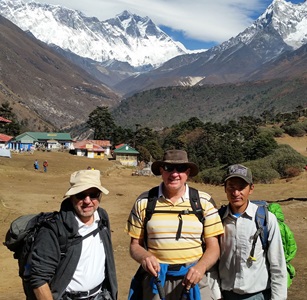
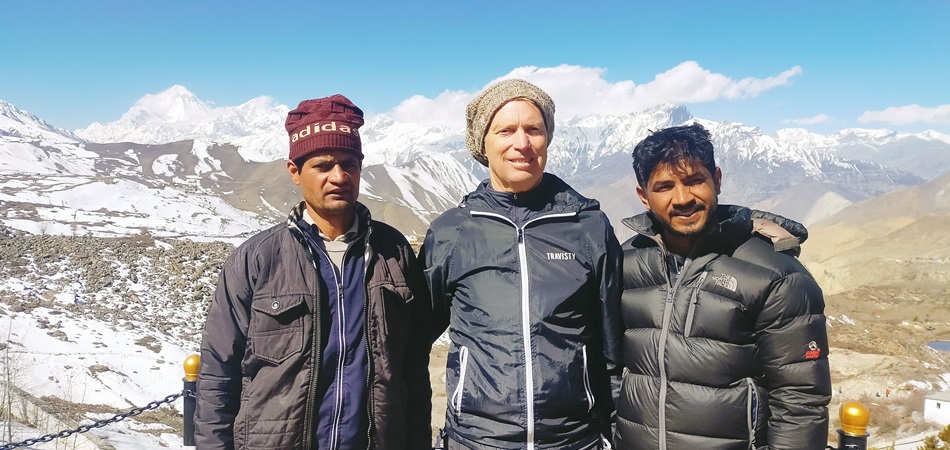
Three trekkers with snow peaks behind them on the Jomsom Muktinath Trek