
8 Days
Moderate
Few journeys capture the imagination like traveling from the heart of Tibet’s capital to the base of the world’s tallest mountain.
The Lhasa to Everest Base Camp Overland Tour is not just a trip — it’s a slow, immersive crossing of one of the most striking landscapes on Earth, blended with a deep dive into Tibetan culture, history, and spirituality.
This guide covers everything you need to know: the route, the highlights, the practical tips, and why this overland journey is considered one of the most incredible road trips in Asia.
There are many ways to glimpse Mount Everest, but the overland route from Lhasa offers something unique: a gradual unfolding of landscapes, cultures, and altitudes.
Instead of flying into a high point and risking altitude sickness, you start at Lhasa’s 3,650 meters and reach 5,000 meters at Everest Base Camp (EBC). Along the way, you pass sacred lakes, glacial valleys, historic towns, and monasteries that are living centers of Tibetan Buddhism.

It’s also a journey that connects you to the land. Each day on the road reveals something new — a village festival, a line of prayer flags strung across a mountain pass, a yak herder guiding his animals through the dust.
Lhasa is the perfect starting point. It’s a city where modern cafés sit alongside centuries-old pilgrimage routes. For many visitors, the first sight of the Potala Palace is unforgettable — a massive white-and-red structure rising from the hillside, dominating the skyline.

Beyond its beauty, Lhasa plays a practical role in the tour. Spending a few days here helps your body adapt to the altitude before heading higher. During these acclimatization days, the itinerary includes visits to:
Once you leave Lhasa, the journey becomes a rolling panorama of landscapes and cultural stops. Here’s what makes the route so special:
The road to Shigatse passes Yamdrok Lake, one of Tibet’s three holy lakes. Its turquoise waters seem almost unreal against the backdrop of snow-capped mountains. A little further, the Karo La Glacier appears close enough to touch, its ice tumbling down toward the road.
Gyantse is a historic town that was once an essential stop on the trade route to India. Its standout landmark, the Kumbum Stupa, is unique in Tibetan architecture — a multi-tiered structure with chapels on every level.
Shigatse, Tibet’s second-largest city, is both a modern hub and a place of deep spiritual significance. It’s home to the Tashilhunpo Monastery, the seat of the Panchen Lama.
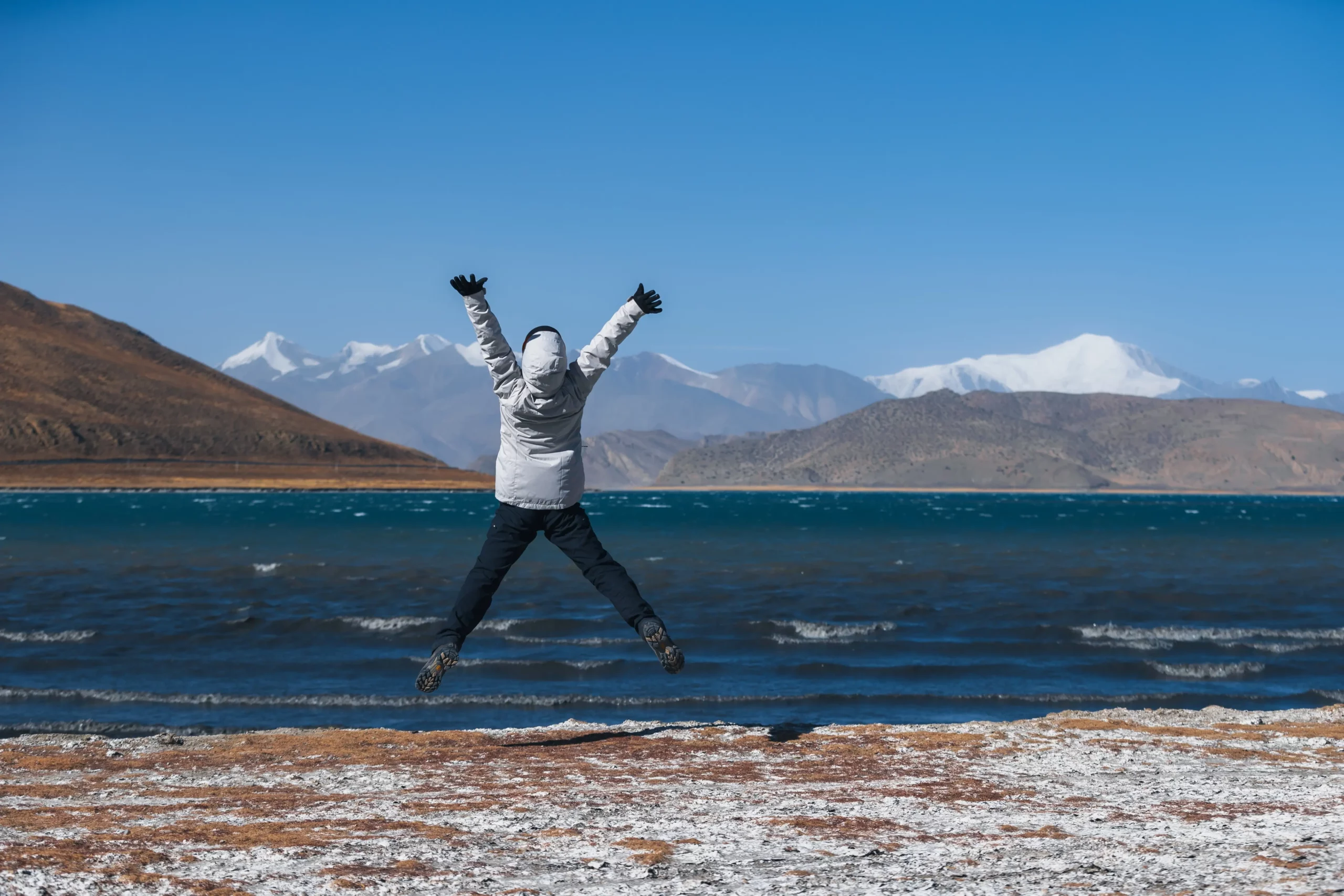
The final approach to Everest Base Camp is a highlight for every traveler. The road climbs through high passes with sweeping views of the Himalayan range, including peaks like Makalu and Cho Oyu. And then, suddenly, there it is — Mount Everest, standing alone against the horizon.

Spending the night near EBC gives you two chances to see the mountain: at sunset, when the summit glows gold, and at sunrise, when the first light spills over the ridge. The experience is humbling and unforgettable.
The return route retraces part of the journey, with stops at places you may have missed on the way out. With its grey fortress-style walls and ancient scriptures, Sakya Monastery is often a favorite among travelers who appreciate its less-visited, authentic feel.
Best Time to Go
Getting the Right Permits
Traveling in Tibet requires a Tibet Travel Permit and an additional Everest Base Camp permit. Your tour operator arranges both, but you must have a valid Chinese visa first.
Packing Essentials
Given the range of temperatures and conditions, packing smart is key:
Altitude Awareness
The itinerary is designed to help you acclimate, but you must take it slow, drink water regularly, and avoid overexertion in the first few days. Your guides will carry oxygen for emergencies.

Cultural Etiquette
Tibet is deeply spiritual. Respect local customs by:
Why This Tour Stands Out
Many travelers describe the Lhasa to Everest Base Camp Overland Tour as more than just a trip — it’s a transformative experience. Here’s why:
(This is a shortened version, but the packed itinerary is available on our tour page.)

This journey is perfect for:
The Lhasa to Everest Base Camp Overland Tour is more than a checklist of sights. It’s a journey through a land where mountains are sacred, and every village has a story.

Whether you’re drawn by the challenge of high-altitude travel, the pull of Everest, or the rich traditions of Tibetan Buddhism, this route offers it all.
This is it if you’ve been waiting for a sign to start planning.
See our full 8-Day Lhasa to Everest Base Camp Overland Tour details here and prepare for a lifetime trip.
