The Great Migration Tour
Based on 2100 reviews
Short Itinerary
Arrival in Arusha (Pre-Safari)
Arusha – Tarangire National Park
Tarangire – Central Serengeti
Central Serengeti – Full Day Safari (Great Migration)
Serengeti (Morning Game Drive) – Ngorongoro Conservation Area
Ngorongoro Crater Tour – Return to Arusha
Departure from Arusha
Full Itinerary
Upon arrival at Kilimanjaro International Airport (JRO), you will be met by our staff and transferred to your hotel in Arusha (approx. 1 hour drive).
Check in at Arusha Planet Lodge or similar and enjoy leisure for the rest of the day.
This night’s stay is included on a bed & breakfast basis, allowing you to rest from your flight and prepare for the adventure ahead.
Arusha, set beneath Mount Meru, is the gateway city for northern Tanzania safaris.
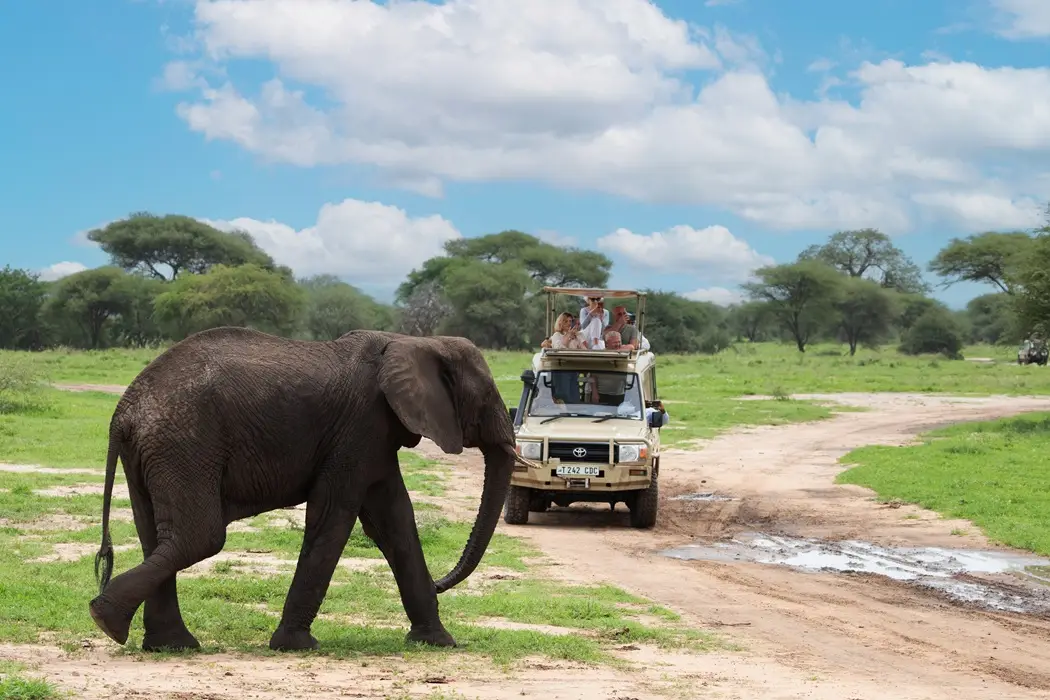
Elephants grazing in Tarangire National Park, renowned for its large elephant herds and baobab-studded landscapes.
After breakfast, depart Arusha and drive ~2–3 hours to Tarangire National Park, arriving by mid-morning.
Tarangire is often called the “Land of Elephants and Baobabs” – it boasts Tanzania’s largest concentration of elephants and iconic giant baobab trees dotting its savannah.
During the afternoon game drive (with picnic lunch en route), you will explore Tarangire’s diverse habitats along the life-giving Tarangire River.
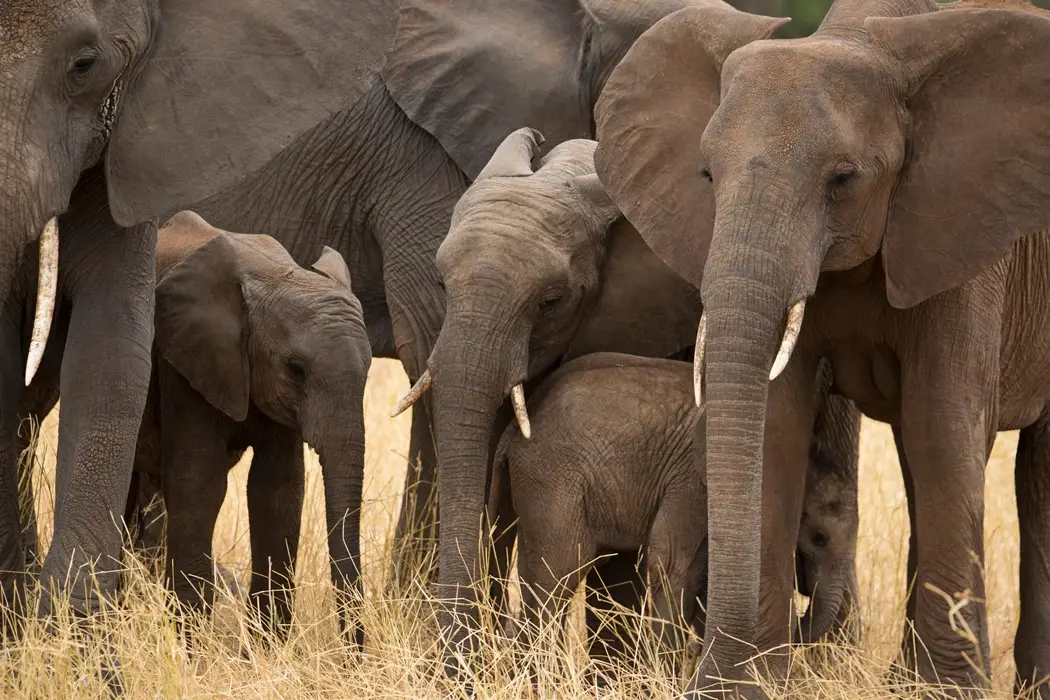
Keep your camera ready for the incredible wildlife. Vast herds of elephants (sometimes 100+ strong) roam the park’s riverbanks and swamps.
You’ll also spot plenty of zebras, wildebeest, buffalo, giraffes, impalas, gazelles, and baboons.
Tarangire is home to predators like lions and leopards – and is uniquely known for its tree-climbing pythons and occasional tree-climbing lions lounging on branches.
Bird enthusiasts will be delighted by the park’s birdlife, with over 500 species recorded (the most breeding species in one habitat anywhere).
In the dry season, the shrinking Tarangire River draws animals from across the region, making this park a predator’s paradise.
By late afternoon, exit the park and drive to your lodge in the Karatu area (near Ngorongoro)
After breakfast, depart Tarangire and travel towards the Serengeti. On the way, you’ll ascend the escarpment of the Great Rift Valley, pausing at a viewpoint for a panoramic look over Lake Manyara and the valley below.
Continuing onward, pass through the Ngorongoro highlands and enter Serengeti National Park by afternoon (the drive is about 4–5 hours total, but incredibly scenic).
Enjoy a game drive en route to your camp in central Serengeti. The vast Serengeti plains welcome you with endless horizons and abundant wildlife. You’ll likely see hartebeests, topis, ostriches, and more as you drive.
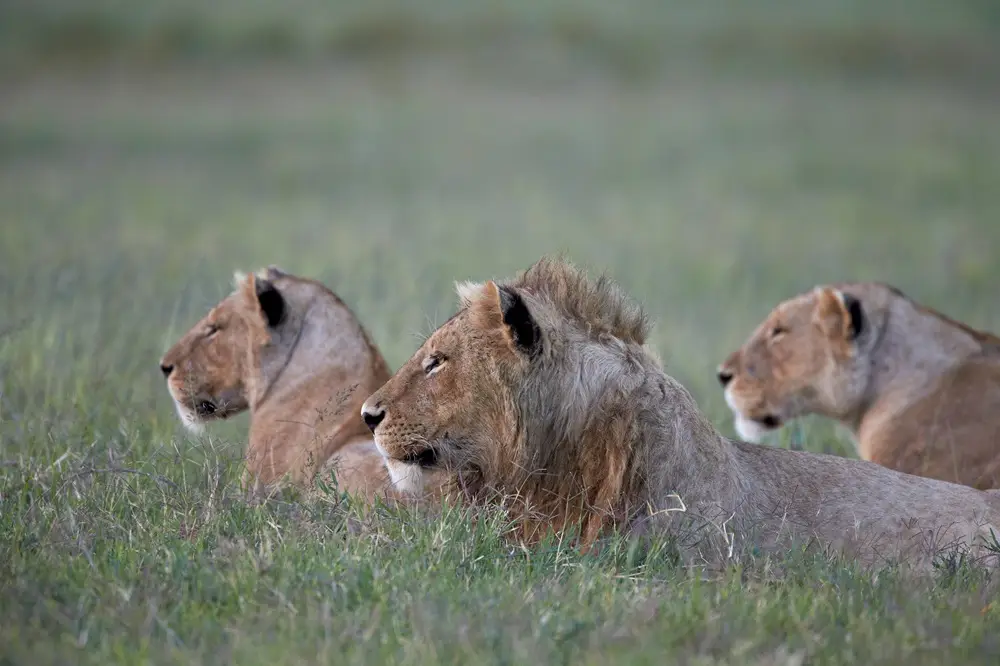
The Seronera Valley (central Serengeti) is known for year-round game: herds of buffalo and giraffe, troops of baboons, and elephants browsing in acacia woodlands.
Predator sightings also begin here – watch for prowling lions or the occasional leopard draped in a tree. By evening, arrive at your accommodation in the heart of the park.
Enjoy the unique experience of sleeping in the wild Serengeti with the sounds of nature at night.
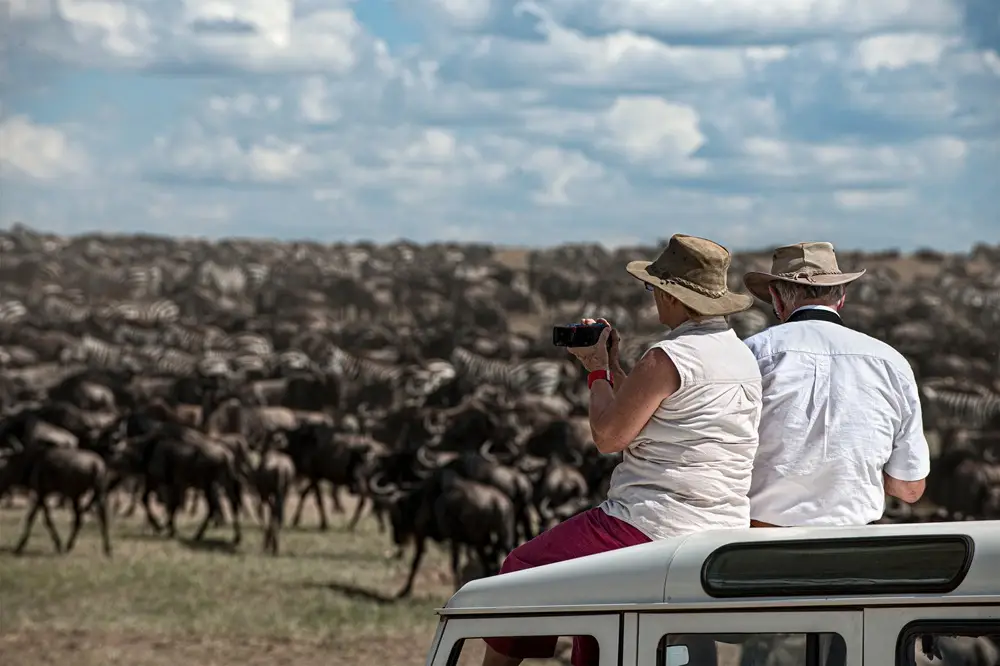
Wildebeest herds on the Serengeti plains during the Great Migration, one of the world’s most spectacular wildlife events. Rise before dawn for an early morning game drive in the Serengeti.
The soft light of sunrise is ideal for spotting predators on the move – you might catch a pride of lions gearing up for a hunt or a solitary leopard returning with a kill.
After a rewarding morning, return to the camp for breakfast and rest. Later, venture out again with a picnic lunch for a full-day game drive across the Serengeti’s savannahs.
This will be a day you’ll never forget. The Serengeti National Park is arguably Africa’s most incredible wildlife sanctuary, renowned for the annual Great Wildebeest Migration.
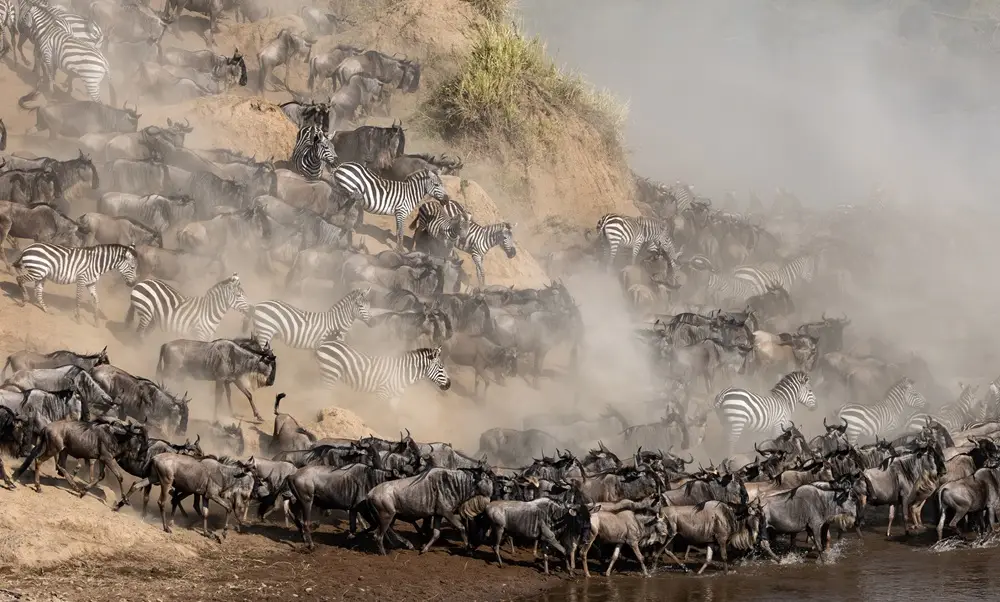
Imagine over 1.5 million wildebeest in motion, along with hundreds of thousands of zebras and Thomson’s gazelles – an endless sea of animals following ancient migratory routes.
Depending on the season and movement of the herds, you may witness part of this spectacle: massive columns of wildebeest stretching to the horizon, or groups gathering at riverbanks.
During calving season (Jan–Feb in the southern Serengeti), around 8,000 calves are born daily, replenishing the herds in a dramatic life cycle.
The Serengeti offers scintillating game viewing year-round, even when the migration is elsewhere.
You’ll encounter great herds of buffalo, numerous elephants and graceful giraffes, and countless antelope like impala, Grant’s gazelle, eland, topi, and kongoni.
The open plains are a stage for predator vs. prey’s timeless drama. Golden-maned lion prides lord over the grasslands, often seen lazing under acacias or on kopjes (rocky outcrops), ever watchful for their next meal.
Leopards are frequently found resting in sausage trees along rivers, and cheetahs streak across the southeast plains pursuing gazelle.
Spotted hyenas and jackals skulk on the periphery, while smaller predators like serval cats and insectivorous aardwolves add to the incredible diversity.
The birdlife is equally rich, with over 500 species recorded, from giant ostriches and secretary birds on the plains to brightly colored lilac-breasted rollers.
By late afternoon, bask in the “African golden hour” as the sun sinks and the sky turns fiery orange.
The feeling of space and freedom on the Serengeti plains – stretching endlessly to a shimmering horizon – is breathtaking.
After sunset, return to camp—dinner and overnight at Into Wild Africa Tented Camp (or similar).
Falling asleep under the starry African sky, you might hear distant lion roars or hyena calls – an authentic wilderness experience.
This morning, opt for an extra early game drive at sunrise (highly recommended) to catch any wildlife action you might have missed – dawn is when nocturnal animals like leopards or hyenas are still active.
The golden light is ideal for photography. After a final taste of the Serengeti’s magic, return to camp for brunch.
By late morning, bid farewell to Serengeti as you start the journey to the next wonder: Ngorongoro.
Travel back southeast, climbing up into the Ngorongoro Highlands. You’ll exit Serengeti by early afternoon and enter the Ngorongoro Conservation Area (NCA).
You can visit a Maasai village (optional, cultural visit) or the Olduvai Gorge Museum (optional) to learn about the region’s paleoanthropological significance. As you drive up the crater rim, lush montane forests line the road.
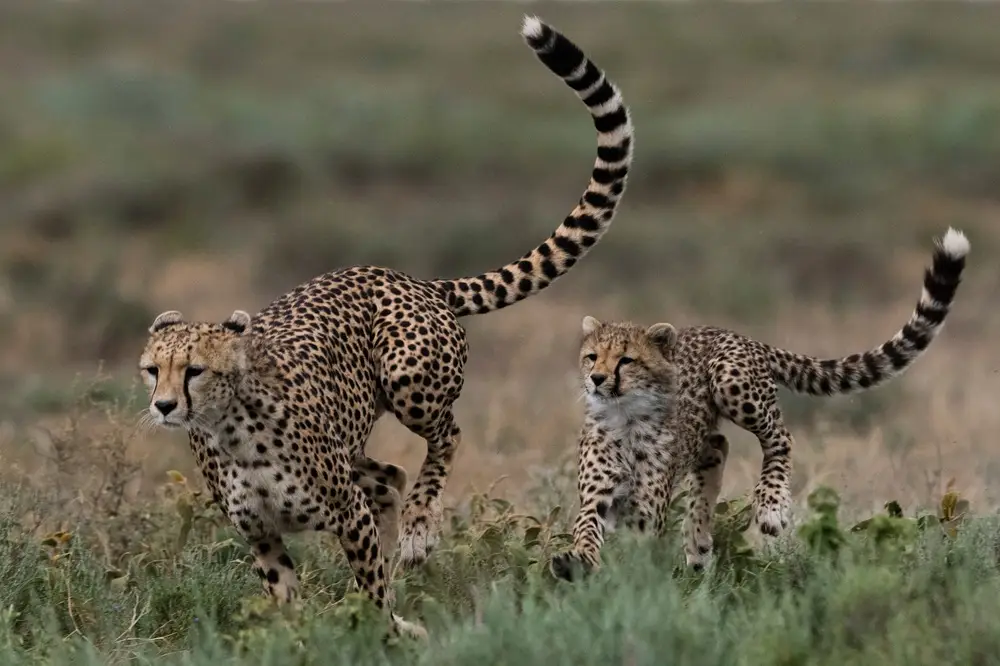
There will be a viewpoint where, weather permitting, you get your first stunning glimpse of the Ngorongoro Crater from above – a vast caldera stretching out below you.
In the late afternoon, arrive at your lodge in the Ngorongoro/Karatu area (just outside the conservation area). Get some rest and enjoy a hearty dinner, as tomorrow will be a big day descending into the crater.
Panoramic view over the Ngorongoro Crater, the world’s largest unbroken caldera, home to an astonishing density of wildlife.
After an early breakfast, drive to the crater rim and descend 600m into Ngorongoro Crater for a full-day game drive on the crater floor.
The Ngorongoro Crater is a UNESCO World Heritage Site often called the “Eden of Africa” – a natural enclosure that harbors one of the most abundant wildlife concentrations on the planet.
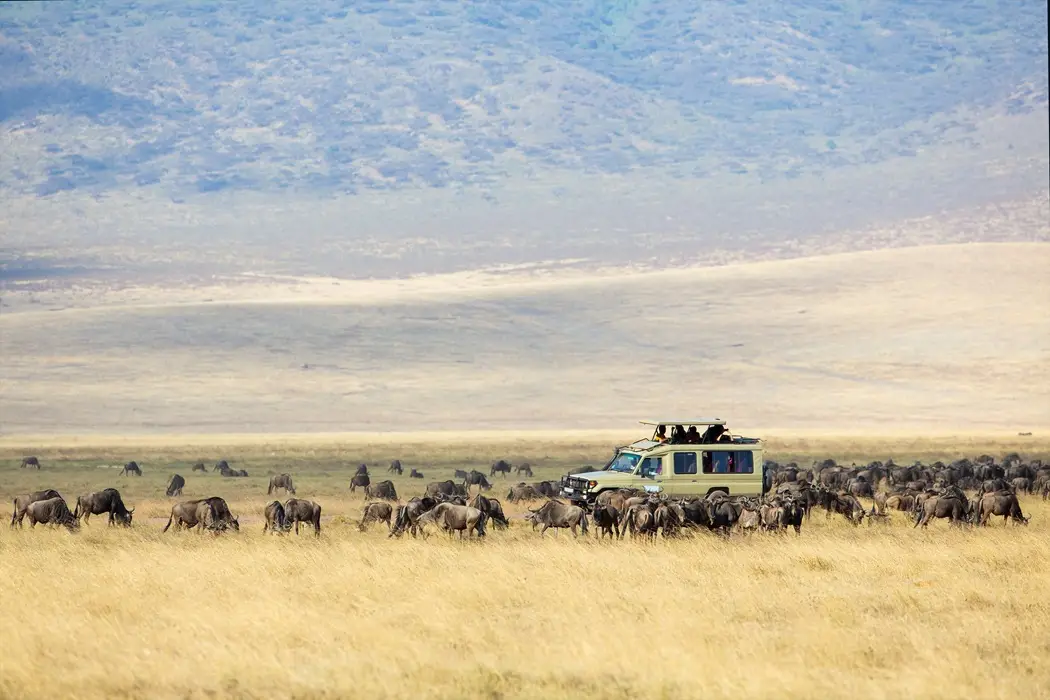
This massive volcanic caldera spans about 260 sq km on the floor, with steep walls towering around the edges.
Had it not collapsed millions of years ago, this crater would have been a mountain higher than Kilimanjaro! Today, it is the world’s largest intact, unflooded caldera, a haven for wildlife.
You will quickly see why Ngorongoro is legendary as you drive around lakes and acacia groves on the crater’s grassland plains.
It sustains approximately 25,000 large animals year-round. Almost every species in East Africa is present here: Zebras, wildebeest, buffalo, and warthogs graze in significant numbers.
You’ll have a good chance of seeing all of the Big Five in a single day: large bull elephants and Cape buffalo wander the swamps and Lerai forest, lions are commonly spotted (Ngorongoro boasts one of the densest lion populations in Africa), and if luck is on your side, you might even glimpse a rare black rhinoceros trotting across the plains.
Keep your eyes peeled for a rhino – Ngorongoro is one of the few places in Tanzania where these endangered giants still reside in the wild.
Leopards are more elusive but sometimes seen in the forested crater walls. Other predators include cheetahs on the crater floor and plenty of spotted hyenas.
Enjoy a picnic lunch by the hippo pool inside the crater, observing hippos submerged in the water.
Birdlife is also impressive: you may see ostriches sprinting by, crowns of pink flamingos fringing the soda lake Magadi, and raptors soaring above. Your guide will also point out interesting facts about this unique ecosystem.
The Ngorongoro Conservation Area spans 8,300 sq km and is notable as a multiple land-use area where wildlife coexists with the local Maasai people and their cattle.
However, no villages exist within the crater – it’s strictly reserved for wildlife, like a natural wildlife sanctuary. By mid-afternoon, ascend the crater rim and bid farewell to this natural wonder.
Then start the drive back to Arusha (approximately 4 hours). You will arrive in Arusha early this evening.
After breakfast, our driver will transfer you from your Arusha hotel to Kilimanjaro International Airport (JRO) for your departure flight.
If you have a late flight, you can explore Arusha town or relax at the hotel until pickup time.
This concludes your safari – karibu tena (welcome again)! We hope you leave with unforgettable memories of Tanzania’s wildlife and landscapes.
Trip Reviews
Be first to post a review in this trip.

More Trips