Kailash Mansarovar Yatra from Singapore
Based on 2100 reviews
Trip Overview
The Kailash Mansarovar Yatra from Singapore combines an epic Himalayan road trip with a deeply spiritual pilgrimage.
Starting in vibrant Singapore and flying to Nepal’s capital, Kathmandu, this journey leads travellers across the Himalayas into Tibet, culminating in a three‑day kora (circumambulation) around sacred Mt. Kailash and the sparkling Mansarovar Lake.
Trip Highlights
- Seamless journey from Singapore – Effortless flight connections and private vehicle transfers from Kathmandu to the Tibet border.
- Kerung – Gateway to Tibet – Explore this frontier town and acclimatise to the high altitude with views of the Himalayas.
- Saga plateau drive – Traverse 180 km of dramatic landscapes, crossing high passes and barren plains.
- Sacred Lake Mansarovar – Witness the turquoise waters believed to purify the soul and wash away sins.
- Three-day Mount Kailash kora – Trek around the revered mountain, crossing Dolma La Pass (5,636 m) and visiting Gauri Kund.
- Cultural immersion – Experience Tibetan hospitality, visit ancient monasteries, and join pilgrims in prayer and meditation.
- Comfort Stay – Stay in carefully selected hotels, guesthouses, and dormitories, with first aid kits and oxygen provided for safety.
- Expert guides – English-speaking guides share insight into local culture, religious significance, and high-altitude trekking.
Short Itinerary
Singapore to Kathmandu
Rashuwagadhi (Nepal–Tibet border)
Kerung
Saga
Mansarovar
Darchen
Dirapuk (Day 1 of Kora)
Zutulpuk (Day 2 of Kora)
Saga (Day 3 of Kora)
Kerung
Kathmandu
Kathmandu to Singapore
Full Itinerary
- Travel distance: 3,630 km (flight)
- Travel time: Approximately 5 hours and 30 minutes flight to Kathmandu
Depart Singapore and arrive in Kathmandu, Nepal’s vibrant capital. Transfer to your hotel and relax after your journey.
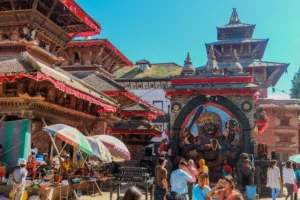
Depending on arrival time, explore Kathmandu’s bustling streets, colourful markets, and historic sites, or rest to prepare for the adventure.
- Travel distance: 145 km
- Travel time: 6–7 hours overland
Depart Kathmandu early in a comfortable jeep and drive north through terraced hillsides and cascading rivers.
The road winds through quaint villages, providing glimpses of rural life and Himalayan scenery.
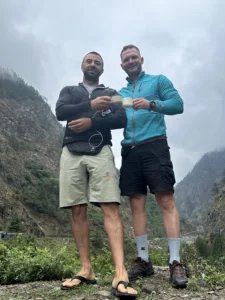
Arrive at Rasuwagadhi, a border town perched beside a deep gorge. Overnight at a guesthouse while your guides process border formalities.
This stop helps acclimatise gradually before entering Tibet.
- Travel distance: 17 km from Rasuwagadhi to the border and another 130 km to Kerung
- Travel time: 3–4 hours
Cross the Friendship Bridge into Tibet. Complete Chinese immigration formalities and meet your Tibetan guide and driver.
Continue to Kerung (also called Gyirong), situated at 2,700 m. The drive features dramatic cliffs and cascading waterfalls.
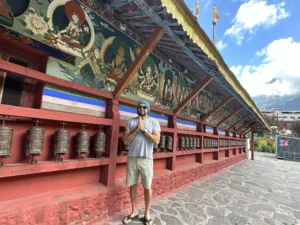
Spend the rest of the day acclimatising and strolling around the frontier town.
Kerung’s fresh mountain air and Tibetan cuisine provide a warm welcome.
- Travel distance: 180 km
- Travel time: 6–7 hours
Leave Kerung and drive across the high plains of Tibet. The road climbs steadily to the high plateau, offering expansive views of snow-capped peaks and grazing yaks.
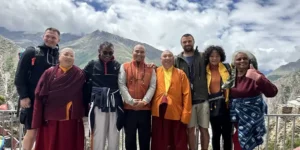
Arrive in Saga at 4,640 m, a vital supply town on the route. Use the evening to rest, rehydrate, and adjust to the altitude. Saga’s simple hotels provide comfortable lodging.
- Travel distance: 500 km
- Travel time: 7–8 hours
Continue through the remote Tibetan highlands toward sacred Lake Mansarovar. The landscape transforms into vast open plains with distant views of the Himalayas.
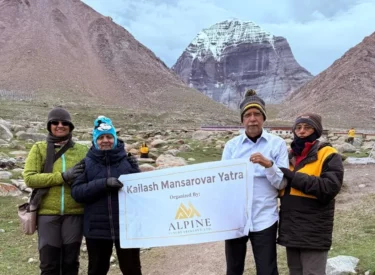
Before arriving, catch your first glimpse of Mount Kailash’s pyramid-shaped summit rising in the distance. At Mansarovar (4,570 m), walk along the serene lakeshore.
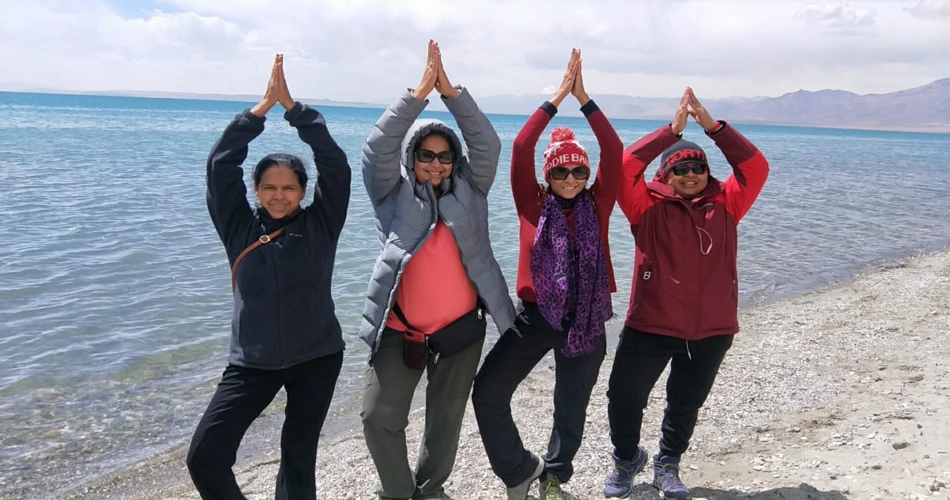
Many pilgrims perform puja (prayers) and may take a ritual dip. Dormitory accommodation near the lake allows travellers to absorb the tranquil atmosphere.
- Travel distance: 40 km
- Travel time: 1–2 hours
A short drive from Mansarovar brings you to Darchen, a frontier town at the base of Mount Kailash.
This small settlement functions as the starting point for the kora. Spend the afternoon organising gear, acclimatising, and exploring local shops selling prayer flags and trekking supplies.
Enjoy dinner at a local restaurant and rest well ahead of the trek.
- Travel distance: 9 km by vehicle to Yam Dwar, then 20 km trek
- Travel time: 1 hour drive; 6–7 hours walk
After breakfast, drive a short distance to Yam Dwar (“Gateway of the Gods”), believed to be the entrance for the kora.
Begin your trek clockwise around Mount Kailash. The path winds along a valley flanked by rugged cliffs, with the north face of Kailash looming above.
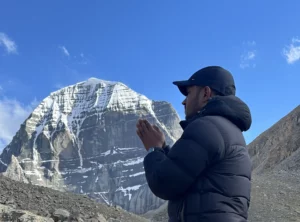
Prayer wheels and yak caravans line the trail. Arrive at Dirapuk (4,950 m) by late afternoon.
The monastery here offers stunning sunset views of Kailash’s north face. Stay in dormitory-style accommodation.
- Travel distance: 22 km
- Travel time: 9–10 hours
This is the most challenging day of the pilgrimage. Start early and ascend steeply to Dolma La Pass (5,636 m), the highest point on the trek.
The climb is strenuous, but the panoramic views make it a reward. At the pass, pilgrims often tie prayer flags and offer stones.
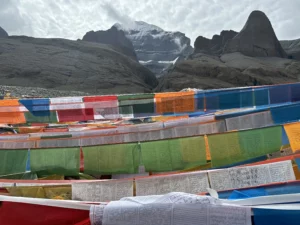
On the descent, pause at Gauri Kund, a sacred emerald green lake associated with Goddess Parvati.
The downhill walk over rocky terrain leads to Zutulpuk Monastery (4,820 m), where the celebrated Tibetan yogi Milarepa is said to have meditated.
- Travel distance: 6 km walks and 290 km drive
- Travel time: 3–4 hours walk; 8 hours’ drive
Begin with a 6 km walk along a gently sloping valley to finish the kora. The landscape transitions from barren cliffs to open meadows.
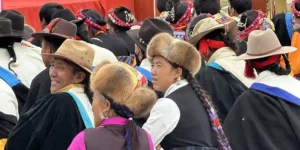
Reach the end point near Darchen, where your vehicles are waiting. After lunch, drive back through the high plateaus toward Saga.
This long journey gives you time to reflect on the spiritual experience.
- Travel distance: 170 km
- Travel time: 5 hours
Retrace the route across the Tibetan plateau back to Kerung. The journey is scenic yet calmer after the pilgrimage’s climax.
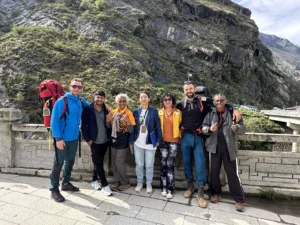
Arrive in Kerung and enjoy the comforts of a hotel. Take the evening to shop for souvenirs, interact with locals, and acclimatize to the lower altitude.
- Travel distance: 25 km to the border plus 145 km to Kathmandu
- Travel time: 8–10 hours, including border formalities
After breakfast, drive to the Nepal–China border. Complete immigration checks, bid farewell to your Tibetan team, and return to Nepal.
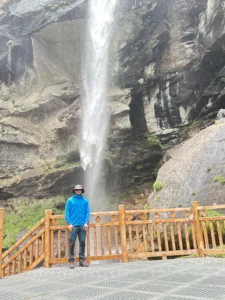
Drive through the lush hills of Langtang National Park to Kathmandu. Arrival in the capital by late afternoon allows time for relaxation or last-minute shopping.
- Travel distance: 3,630 km (flight)
- Travel time: About 5 hours and 30 minutes
Enjoy a leisurely morning in Kathmandu. Transfer to the airport and board your flight back to Singapore.

Reflect on the powerful journey and carry home memories of mountains, monasteries, and sacred lakes.
Price Includes
- Airport transfers in Kathmandu by private vehicle.
- Private jeep transportation from Kathmandu to Rasuwagadhi and back.
- All transportation in Tibet is in well-maintained cars.
- Tibet Travel Permit and necessary road permits.
- An English-speaking Tibetan guide will be with you throughout the tour.
- All entrance fees for monasteries and monuments in Tibet.
- Two nights in a 3-star hotel in Kathmandu, twin sharing with breakfast.
- Hotels in Rasuwagadhi, Saga, and Darchen on a sharing basis.
- Dormitory accommodation is available in Mansarovar, Dirapuk, and Zutulpuk.
- Breakfast will be served throughout the trip to both Nepal and Tibet.
- Oxygen and a first aid kit for emergency use during high altitude travel.
Price Excludes
- Nepal visa fees (visa on arrival for most travellers).
- International flights between Singapore and Kathmandu.
- Travel insurance (mandatory; covers emergency evacuation and medical expenses).
- Lunch and dinner throughout the trip.
- Porter and pony hire during the kora (available for an extra charge).
- Tipping for guides, drivers, and support staff (optional but appreciated).
- Any services not specified in the inclusion list.
Trip Information
When to Go Kailash Mansarovar Yatra From Singapore
Most Singaporean travelers choose May through September for the Kailash journey. The Himalayan roads stay open during this window, and the skies are clearer.
Pilgrims often aim for June, July, or August when significant religious dates draw thousands of devotees, while September offers quieter trails and crisp mountain views.
Meals on the Route
Expect food that is plain but warming. In Kathmandu, your hotel serves breakfast before departure. Once you cross into Tibet, meals are basic—noodles, rice, Tibetan bread, and vegetable soups.
Because of the long driving days, many Singaporeans carry extra snacks such as granola bars, instant coffee, or dried fruit from home.
Where You Stay
Accommodation is mixed. You’ll have two nights in a mid-range hotel in Kathmandu with modern comforts. In towns like Saga and Darchen, expect simple lodges with clean rooms and attached bathrooms in some cases.
Near Mansarovar and during the Kailash kora, facilities are minimal: dormitory halls, wooden or cement beds, and limited hot water. A good sleeping bag makes these nights much more comfortable.
Visa and Entry Rules
A welcome advantage: Singaporean citizens do not need a visa to go to Nepal. On arrival at Kathmandu airport, you’ll walk through immigration. For Tibet, however, a Group Visa and Travel Permit are mandatory.
These are organized in Kathmandu before crossing the border, so you have no extra paperwork. Just ensure your passport has at least six months’ validity.
Getting Around
The journey begins with a flight from Singapore to Kathmandu, usually with one connection. From Kathmandu, private jeeps take you through Rasuwagadhi into Tibet, where larger coaches continue across the plateau.
The sacred 52-kilometre walk around Mount Kailash is done on foot, though ponies and porters are available to hire if you’d like support.
Equipment List
Clothing
- Warm Layers: Down jacket, fleece jacket, thermal tops & bottoms
- Outerwear: Waterproof & windproof jacket and pants
- Casual Wear: Lightweight shirts, trekking pants, warm trousers
- Headwear: Woolen cap, sun hat/cap, scarf/buff
- Gloves & Socks: Thermal gloves, liner gloves, 5–6 pairs of warm socks
Footwear
- Trekking Boots: Sturdy, waterproof, ankle-support boots (well broken-in)
- Sandals/Slippers: For camps and monasteries
- Comfort Shoes: Lightweight walking shoes for towns
Accessories
- Sunglasses: UV protection (essential at high altitude)
- Sunscreen & Lip Balm: High SPF, for strong Himalayan sun
- Walking Stick/Trekking Poles: For balance during the kora
- Headlamp/Torch: With extra batteries
Personal Essentials
- Daypack (20–30L): For water, snacks, camera, and daily use
- Duffel Bag/Backpack (up to 15kg): For porter/jeep transport
- Water Bottle/Thermos: Reusable, for hot/cold water
- Personal Toiletries: Toothbrush, toothpaste, wet wipes, hand sanitizer, quick-dry towel
- Medications: Personal prescription, altitude sickness tablets, first-aid kit basics
Travel & Documentation
- Passport & Permits: Passport, Tibet travel permit copies, travel insurance papers
- Cash: Small denominations in Chinese Yuan & Nepali Rupees
- Travel Pouch/Organizer: For documents and valuables
Optional (Comfort/Convenience)
- Energy Snacks: Chocolates, nuts, glucose biscuits
- Portable Charger/Power Bank
- Camera/Phone with extra memory
Frequently Asked Questions
The yatra is best undertaken between May and September when the weather in Tibet is relatively stable, and the passes are clear of snow.
During these months, days are long, temperatures are moderate, and rainfall is minimal, reducing the risk of landslides or road closures.
While no technical climbing is involved, good physical fitness and the ability to walk long distances at high altitude are essential.
Regular cardiovascular exercise and light hiking practice beforehand will help prepare your body for the trek around Mount Kailash.
The itinerary is designed with gradual altitude gain, providing ample time for acclimatization.
Staying hydrated, avoiding alcohol and smoking, eating light meals, and resting, when possible, help reduce the risk of altitude sickness.
If symptoms like headache or dizziness occur, inform your guide immediately. Oxygen cylinders and first aid kits are carried for emergencies.
Yes. Porters and ponies are available at Yam Dwar for an additional fee. They can carry your backpack or provide a ride for those who find the trek challenging.
Hiring support can make the kora more comfortable, but it is not included in the package price.
Breakfast is provided throughout the trip and is usually vegetarian with options such as porridge, bread, eggs, and Tibetan butter tea.
Lunch and dinner are on your own; however, vegetarian food is available in most restaurants along the route. Carrying snacks such as nuts or energy bars is advisable.
Travellers need a Tibet Travel Permit, which the tour operator arranges. The tour also covers road permits and monastery entrance fees.
Ensure your passport is valid for at least six months from the travel date.
Yes. Comprehensive travel insurance covering high altitude trekking, medical emergencies, and evacuation is compulsory. This is for your safety and peace of mind in remote areas.
Dolma La Pass is the highest point of the kora at 5,636 m. The ascent is steep and physically demanding; weather conditions can change quickly.
Starting early, strolling, and listening to your guide’s instructions will make the climb manageable. Once at the top, enjoy the spiritual atmosphere and spectacular views.
You will stay in comfortable hotels in Kathmandu, Rasuwagadhi, and Saga. In Mansarovar and during the kora, accommodation is basic and is in a dormitory style.
Clean bedding is provided, but carrying a sleeping bag liner for extra warmth and hygiene is recommended.
Mobile coverage in Kathmandu and major towns is reliable. Once in remote areas of Tibet, connectivity becomes limited. Inform family and friends accordingly and enjoy a digital detox.
Groups typically range from 4 to 15 participants. Private departures can also be arranged on request.
Grace Educational Organisation
The Grace Educational Organisation is a government-registered charity dedicated to empowering students in Nepal through education.
With a 100% donation policy, every contribution directly supports the children and schools, providing essential resources like supplies, infrastructure, and extracurricular programs.
This initiative fosters a transparent connection between donors and students, ensuring every action leaves a lasting impact.
The Nuwakot School, located in a picturesque rural setting, is one of the beneficiaries of this mission.
By visiting, you witness these students’ educational journey and become part of a transformative effort to uplift the community.
Trip Reviews
Be first to post a review in this trip.