Lhasa City Tour
Our trips are rated 5 out of 5 in more than 950 traveler reviews.
Trip overview
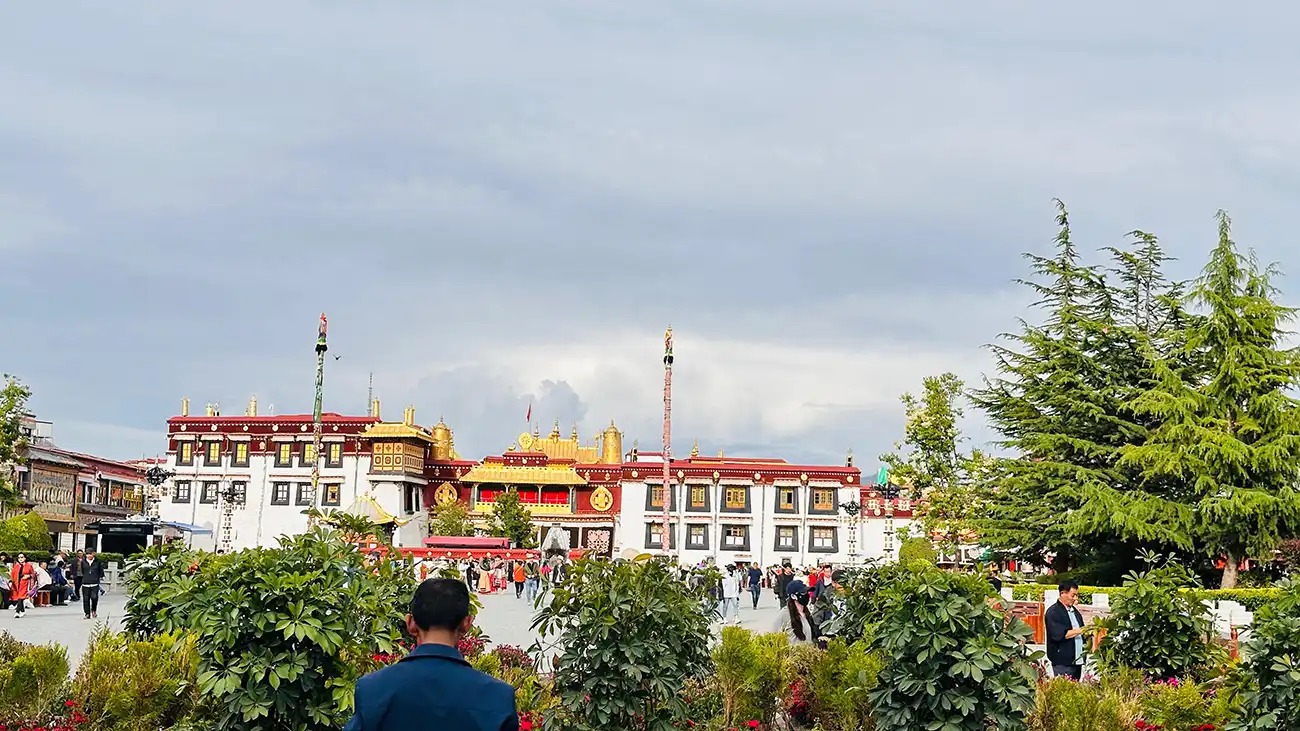
Our Lhasa city tour is a 4-day small group trip to the capital of Tibet, built around the Potala Palace, the Jokhang Temple, the Barkhor and the great monasteries of Drepung and Sera. It is the shortest way to see Tibet properly, with the Tibet permit, a 3-star hotel, a licensed guide and every entrance ticket arranged.
It suits travellers with limited time, people adding Tibet to a trip in Nepal or China, and anyone unsure how they will cope with altitude. You never leave the Lhasa valley, and every night is at 3,650 m in the same hotel, so there is no packing and unpacking.
The pace is deliberately slow. Half the first day is rest, and the two sightseeing days pair a big site in the morning with a second one after lunch, with time to sit in a teahouse in between.
The honest hard part is the height. Lhasa sits at 3,650 m, and even fit travellers feel short of breath on the Potala stairs. A short trip also means you see Tibet’s holy city but not its countryside, lakes or mountains.
The reward is the living heart of Tibetan Buddhism up close: pilgrims prostrating at the Jokhang gate, monks debating in the Sera courtyard and the Potala rising above it all. For many travellers, these four days are the first step toward a longer journey.
Prices start at US$ 509 per person in winter and reach US$ 639 in the busiest weeks, and each date shows its own price. Add a day for Yamdrok Lake with our Lhasa and Yamdrok Lake tour, or see our Lhasa Tibet tour for Gyantse and Shigatse too.
Highlights
- Potala Palace, the winter palace of the Dalai Lamas
- Jokhang Temple and the 7th-century Jowo Shakyamuni statue
- The Barkhor, the pilgrim circuit around the Jokhang
- Sera Monastery and its afternoon monk debate
- Drepung Monastery on the hillside above western Lhasa
- Welcome dinner of Tibetan dishes with the group
- One hotel for three nights near the old town
- A gentle pace that gives your body time at 3,650 m
Itinerary
- Nights
- 3 nights in 3-star hotels
- Meals in the price
- 3 breakfasts, 1 dinner
- On the move
- 2 days by road
Day 1Arrive in Lhasa3,650 m
Welcome to Tibet. Your guide meets you at Lhasa Gonggar airport or the railway station, puts a white khata scarf around your neck and drives you into the city, about an hour from the airport along the Yarlung Tsangpo.
We check you into a 3-star hotel close to the old town, where you stay all three nights. Unpack, lie down and let your body start getting used to 3,650 m.
The best plan for today is very little. Drink two or three litres of water, skip alcohol and eat a light meal.
Your guide explains the next two days and leaves a phone number in case you need anything. If you feel well toward evening, walk five minutes to the edge of the Barkhor, where pilgrims circle the Jokhang with prayer wheels as the lamps come on.
No meals are included today, and the hotel can suggest a simple dinner nearby.
- TravelVan, 30-60 minutes
- Stay3-Star Hotel
Day 2Lhasa: Drepung and Sera Monasteries3,650 m
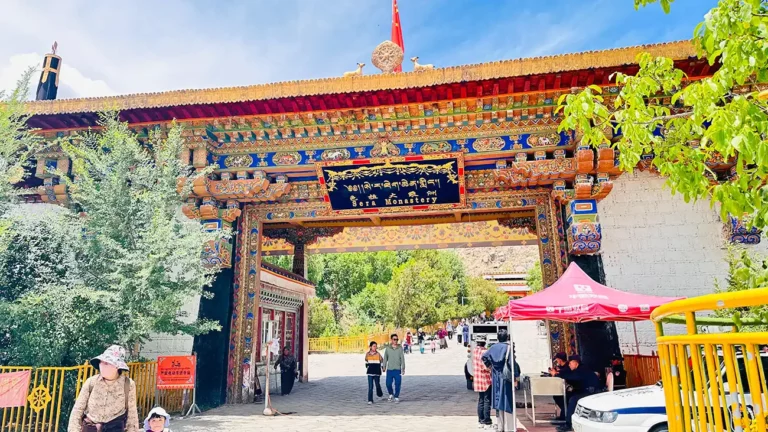
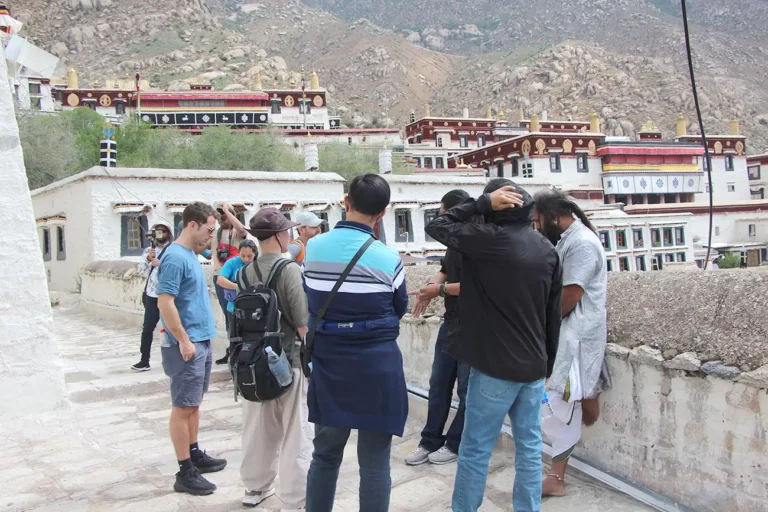
After breakfast we drive about 20 minutes to Drepung, a monastery that climbs the hillside west of the city like a small town. In its heyday it was home to thousands of monks, and its white colleges, golden roofs and dark chapels still hum with prayer.
We walk the lanes slowly, visit the main assembly hall and the vast old kitchen, and look out from the terraces over the valley. Lunch is at your own cost.
In the afternoon we cross the city to Sera. From about 3 pm on most days, monks gather in a shaded courtyard to debate, one standing and clapping as he fires questions, the other seated and answering.
Your guide explains what they are arguing, and visitors watch quietly from the edge. In the evening the group shares a welcome dinner of Tibetan food. The day includes about 4 km of easy walking with some stairs.
- TravelSightseeing, 4-6 hours
- Stay3-Star Hotel
- MealsBreakfast, Dinner
Day 3Lhasa: Potala Palace, Jokhang and Barkhor3,650 m
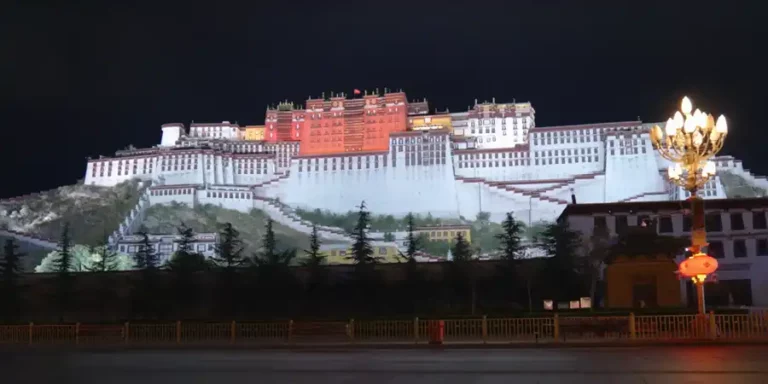
Today is the Potala Palace, the 13-storey red and white palace that rises above Lhasa on Marpo Ri hill. Your guide books a timed entry in advance, and we climb the outer stairways slowly, about 100 m of height, with rests on each landing.
Inside, dim corridors lead past chapels, thrones and the golden tombs of past Dalai Lamas. The visit inside lasts about an hour, and photos are allowed only from the terraces.
After lunch at your own cost, we walk to the Jokhang Temple, the holiest place in Tibet. Pilgrims prostrate full length at its gate, and inside, the Jowo Shakyamuni statue sits in the glow of hundreds of butter lamps.
We finish on the Barkhor, walking clockwise around the temple with the crowd. The evening is free for shopping, a teahouse or dinner in the old town at your own cost.
The old town lanes around the Barkhor are full of small shops selling incense, prayer flags and thangkas.
- TravelSightseeing, 4-6 hours
- Stay3-Star Hotel
- MealsBreakfast
Day 4Depart Lhasa3,650 m
Enjoy a last breakfast in Lhasa, and if your flight or train is later in the day, take a final walk around the Barkhor in the morning light. This is when local families do their daily kora before work.
Your guide and driver then take you to Lhasa Gonggar airport or the railway station. The airport is about an hour away, so we usually leave the hotel three hours before a flight.
Flights from Lhasa connect to Kathmandu, Chengdu and other Chinese cities, and trains run to Xining and beyond.
On a clear day the flight to Kathmandu crosses the main Himalaya, often with Everest in view. Keep your permit and visa papers to hand until you leave, since they are checked at the airport and station.
If you want more time in Tibet, you can extend with Yamdrok Lake, Gyantse and Shigatse, or Everest Base Camp. Tell us when you book and we will plan it with you.
- TravelVan, 30-60 minutes
- MealsBreakfast
What's included
Included in the price
- Tibet permit: the Tibet Travel Permit, arranged before you travel
- Arrival: pickup from Lhasa airport or railway station to your hotel
- Departure: drop at Lhasa airport or railway station
- Hotel: three nights in a 3-star hotel near the old town, twin share
- Breakfast: every morning from the second day
- Welcome dinner: Tibetan dishes with the group
- Guide: a licensed English-speaking Tibetan guide
- Vehicle: a vehicle sized to the group for transfers and sightseeing
- Potala Palace: entrance and a timed entry booked by your guide
- Jokhang Temple: entrance ticket
- Drepung Monastery: entrance ticket
- Sera Monastery: entrance ticket
- Accident insurance: the tourist accident cover that comes with the tour in Tibet
- Small group: no more than about 12 travellers on a departure
- China visa help: if you travel through Kathmandu, we take your passport to the embassy for the group visa
- Taxes: service charges and government taxes
Not included
- China visa fee: the group visa fee in Kathmandu, or your own visa if you start in China
- Getting to Lhasa: the flight or train to and from Lhasa
- International flights to Nepal or China
- Travel insurance: your own policy, with medical and evacuation cover
- Nepal visa fee if you travel through Kathmandu
- Other meals: lunches and dinners not listed above
- Single room: a supplement if you want a room to yourself
- Tips: for guide and driver, we suggest about US$ 7 per person per day
- Personal costs: drinks, laundry, phone and camera fees
- Extra nights: hotels before or after the tour dates
Dates and price
These are our fixed group dates. Prices change with the season, so each date shows its own price. Please book at least 30 days ahead, so we have time to arrange your Tibet permit.
| Starts | Ends | Status | Price | Book |
|---|---|---|---|---|
| Departs: Fixed group dates. Book your date | ||||
Trip information
Price by Group Size
| Price per person | Group departures at this price |
|---|---|
| US$ 509 | 29 Nov 2026 to 28 Feb 2027; 3 Nov to 31 Dec 2027 |
| US$ 549 | 3 Mar to 31 May 2027; 11 Oct to 30 Oct 2027 |
| US$ 599 | 2 Jun to 9 Jul 2027; 21 Aug to 19 Sep 2027 |
| US$ 639 | 11 Jul to 18 Aug 2027; 20 Sep to 10 Oct 2027 |
You join a fixed group of up to 12, so every traveller on a date pays the same price. Departures run several times a week in most months, which makes this tour easy to fit around flights.
- To book: a 20% deposit confirms your place. You pay the balance when you arrive in Kathmandu.
- Book early: please book at least 30 days before the date, so the Tibet permit can be issued.
- Joining alone: solo travellers are welcome. You share a twin room, or pay the single supplement.
- Private trip: for your own guide and vehicle on a date you choose, ask us for a quote.
- Not in the price: the flight or train to Lhasa, visa fees, insurance, meals not listed and tips.
Best Time to Visit
Lhasa is open all year, and this short tour works in every season. The most comfortable months are April to June and September to November, with mild days and clear skies.
From mid-March to mid-June the city warms up, the willows along the Kyichu turn green and pilgrims arrive from the countryside. From mid-October to mid-December the air is dry and the light on the Potala is sharp and golden.
July and August bring the warmest weather and short afternoon showers, and Lhasa is at its busiest with Chinese holiday travellers. Potala tickets sell out fastest in these weeks, so book early.
Winter is cold at night but sunny by day, and the Barkhor fills with nomads and farmers on pilgrimage after the harvest. It is the quietest and cheapest time to visit, at US$ 509 per person.
Difficulty and Fitness
We grade this tour Easy. You walk about 3 to 5 km each sightseeing day on paved paths and stone stairs, with plenty of rests.
The only real climb is the Potala, about 100 m of stairways to the top halls, and the lanes of Drepung rise gently up a slope. Your guide sets a slow pace, and you can sit out any part you wish.
Altitude is what makes Lhasa tiring. At 3,650 m most people feel short of breath on stairs, and some feel a mild headache on the first day.
Children from about five and travellers well into their seventies enjoy this tour. Anyone with a heart or lung condition should ask their doctor before flying to Lhasa.
Food, Water and Dietary Needs
Breakfast is included every morning, with a welcome dinner of Tibetan dishes on the first full day. Lunches and other dinners are at your own cost, usually US$ 5 to 15 a meal.
Lhasa has a wide choice of food. Try momos, thukpa noodle soup and yak dishes in Tibetan restaurants, dal bhat in Nepali kitchens, spicy Sichuan food, or coffee and cake in the cafes near the Barkhor.
Vegetarians eat well, and many Tibetan restaurants have full vegetarian menus. Tell us about vegan or gluten-free needs and your guide will point you to suitable places.
Do not drink tap water. Your hotel provides boiled water, and bottled water is cheap at every corner shop. Sweet milk tea in a local teahouse is safe and a good way to sit among Lhasa locals.
Altitude, Health and Safety
Lhasa’s altitude of 3,650 m is the only real health concern on this tour. The first afternoon is kept free for rest, and the sightseeing days start gently.
Mild headaches, poor sleep and breathlessness are normal at first and usually ease within a day or two. Drink plenty of water, avoid alcohol for the first two nights and do not rush the stairs.
Your guide checks how you feel each morning, and Lhasa has modern hospitals and clinics that treat altitude illness every day. Bring your own medicines, sunscreen and lip balm, as the sun is strong.
Ask your doctor about acetazolamide before you travel. Your insurance should cover medical care in Tibet, and our guide to altitude sickness explains the warning signs to look for.
Local Etiquette
Walk clockwise around every temple, stupa and prayer wheel, the way pilgrims circle the Jokhang on the Barkhor. Turn prayer wheels with your right hand and keep your feet away from altars.
Dress modestly in monasteries and remove hats in the halls. Each chapel has its own photo rule; the Potala bans photos inside and some halls at Sera and Drepung charge a fee, and your guide tells you before each door.
At the Sera debate, watch quietly from the edge of the courtyard and never step between the monks. Ask before you photograph pilgrims, and accept a no with a smile.
Keep away from political topics in public about Tibet, China or the Dalai Lama. Your guide is licensed and answers for the group, so follow their lead at checkpoints. Do not carry pictures or books of the Dalai Lama, which customs officers look for on arrival.
Visa, Permits and Documents
Foreign travellers need a China visa and a Tibet Travel Permit, and the permit is in our tour price. Book at least 30 days ahead so the permit can be issued from your passport details.
Coming through Kathmandu, you travel on a China group visa, not a visa in your passport. We take your passport to the Chinese embassy in Kathmandu and the visa takes about three working days, with the fee paid there.
Flying in from mainland China, you need a normal China visa in your passport. If you transit a Chinese airport, you collect the permit at the airport meeting area. If you start your journey in China, we can deliver the permit to your hotel for an extra US$ 200.
Your passport must be valid for six months after the tour. Indian passport holders follow a different permit process, so contact us before you book. Nepal visa rules are on the Department of Immigration site.
Transport, Money and Connectivity
Your guide and driver meet you at Lhasa Gonggar airport, about an hour from the city, or at Lhasa railway station on the edge of town. Sightseeing uses a vehicle sized to the group, and most sites are 10 to 20 minutes from the hotel.
The Jokhang and the Barkhor are close enough to walk from the hotel, and on free evenings taxis are cheap and easy to find. Flights connect Lhasa with Kathmandu, Chengdu and other Chinese cities, and trains run from Xining.
China uses the yuan, also called RMB. Shops and restaurants prefer mobile payment, so carry some cash, change US dollars at a bank in Lhasa and set up a Chinese wallet app before you go if you can.
Hotel wifi and mobile data work well in Lhasa. Many Western apps are blocked in China, so download offline maps and a messaging app that works there before you arrive.
Questions about this trip
How much does the Lhasa city tour cost?
The Lhasa city tour costs from US$ 509 to US$ 639 per person, depending on the date. Winter is the cheapest season and mid-July to mid-August the highest. The price covers the Tibet permit, three hotel nights, the guide, the vehicle, all entrance tickets, daily breakfast and a welcome dinner.
What is included in the Lhasa city tour?
The Lhasa city tour includes the Tibet Travel Permit, airport or station transfers, three nights in a 3-star hotel, a licensed Tibetan guide, the vehicle, and tickets for the Potala, Jokhang, Drepung and Sera. Breakfast is daily, plus a welcome dinner. Flights, the visa fee and other meals are extra.
Is four days enough for the Lhasa city tour?
Four days is enough for the main sights of the Lhasa city tour: the Potala, the Jokhang, the Barkhor, Drepung and Sera. You do not see the lakes or mountains outside the city. Add a day for Yamdrok Lake, or two for Gyantse and Shigatse.
Is the Lhasa city tour difficult?
The Lhasa city tour is graded Easy. You walk 3 to 5 km on sightseeing days with rests, and the hardest part is the Potala stairs. Lhasa’s height of 3,650 m makes stairs feel harder than usual, so take them slowly.
Will I get altitude sickness on the Lhasa city tour?
Some travellers feel mild symptoms on the Lhasa city tour, such as a headache or poor sleep on the first night. The first afternoon is free for rest. Drink plenty of water, avoid alcohol and tell your guide if you feel unwell.
When is the best time for the Lhasa city tour?
The Lhasa city tour runs all year. April to June and September to November bring mild days and clear skies. Summer is warm but busy, and winter is cold, sunny, quiet and the cheapest time to visit. Every date on our calendar shows its own price.
Can I join the Lhasa city tour alone?
Yes, the Lhasa city tour suits solo travellers. You pay the same price as others on your date and share a twin room where possible. A single supplement applies if you want your own room, and we confirm it when you book.
How big are groups on the Lhasa city tour?
A Lhasa city tour departure has no more than about 12 travellers, and many are smaller. The group shares one guide and a vehicle sized to the group. Departures run several times a week, so dates are easy to match to flights.
How far ahead should I book the Lhasa city tour?
Book the Lhasa city tour at least 30 days before your date so the Tibet permit can be issued. In July, August and early October, Potala tickets sell out fast, so booking two months ahead is wise. We confirm your place as soon as the permit is under way.
Do I need a visa for the Lhasa city tour?
Yes, the Lhasa city tour needs a China visa and a Tibet Travel Permit, which is in the price. From Kathmandu you travel on a China group visa, which we apply for at the embassy there. From mainland China you need a normal China visa in your passport.
How do I get to Lhasa for the Lhasa city tour?
Most travellers fly to Lhasa for the Lhasa city tour, from Kathmandu or Chinese cities such as Chengdu. Trains also run from Xining. Your flight or train is not in the tour price, but we can book the Kathmandu flight for you.
Can I see the monk debate on the Lhasa city tour?
Yes, the Lhasa city tour visits Sera in the afternoon, when monks usually debate in the courtyard from about 3 pm. Debates are sometimes cancelled on holidays or for ceremonies, and your guide confirms the day’s schedule. Sera is also worth visiting for its painted chapels.
How long is the Potala visit on the Lhasa city tour?
On the Lhasa city tour, the visit inside the Potala Palace lasts about an hour, set by your timed ticket. The climb up the outer stairways adds about 30 to 45 minutes. Photos are not allowed inside, but the terraces offer wide views.
Is the Lhasa city tour good for families?
Yes, the Lhasa city tour is the easiest Tibet trip for families. There is no long drive, every night is in one hotel and the walking is light. Children from about five usually cope well, after a check with your doctor about altitude.
Is the Lhasa city tour suitable for older travellers?
Yes, the Lhasa city tour suits older travellers well. The pace is slow, the hotel stays the same and the vehicle takes you to each site. The main concern is altitude, so get a medical check at home and take the stairs slowly.
What will we eat on the Lhasa city tour?
Breakfast is daily on the Lhasa city tour, plus a welcome dinner of Tibetan food. For other meals, Lhasa offers Tibetan, Nepali, Chinese and Western restaurants. Vegetarian food is easy to find, and meals usually cost US$ 5 to 15.
Can I take photos on the Lhasa city tour?
You can photograph the city, the Potala from outside and most monastery courtyards on the Lhasa city tour. Photos are not allowed inside the Potala, and some halls charge a camera fee. Always ask before photographing pilgrims or monks. Your guide tells you the rule at each door.
What should I pack for the Lhasa city tour?
For the Lhasa city tour pack layers for cool mornings and warm afternoons, a fleece or light down jacket, comfortable walking shoes, a sun hat, sunglasses, sunscreen and lip balm. Bring modest clothes for temples and your own medicines. A small daypack is useful.
Can I extend the Lhasa city tour?
Yes, you can extend the Lhasa city tour. Our 5-day tours add Yamdrok Lake, or Ganden and Drak Yerpa. The 6-day Lhasa Tibet tour adds Gyantse and Shigatse, and the 8-day tour adds Everest Base Camp. Ask us when you book and we plan the extension with you.
Can I start the Lhasa city tour from Kathmandu?
Yes, many travellers start the Lhasa city tour from Kathmandu. We apply for your China group visa there, so plan to arrive about four working days before your flight. We can also book your Kathmandu hotel nights. Our team meets you at your hotel to collect your passport.
Is travel insurance needed for the Lhasa city tour?
Yes, you need your own travel insurance for the Lhasa city tour, covering medical care at altitude, cancellation and delays. The tourist accident cover that comes with the tour in Tibet is limited and does not replace your own policy.
Do we visit the Barkhor on the Lhasa city tour?
Yes, the Lhasa city tour walks the Barkhor with your guide after the Jokhang visit. The hotel is close to the old town, so you can also walk the circuit on your own on the first evening or the last morning.
Reading for this trip
Ask us about the Lhasa City Tour
We reply from Kathmandu within 24 hours with available dates, your exact price and answers to your questions.
- 16 years guiding in the Himalaya
- Registered in Nepal, Reg. 187391
- Group departures of 12 travelers at most
- Private dates on any day
Call, WhatsApp or Viber
Lhasa City Tour, from US$ 509 per person. Dates and booking at treknepalhimalayas.com/trip/lhasa-city-tour/
Trek Nepal Himalayas Pvt Ltd, Reg. 187391. Bhagawatisthan, Thamel, Kathmandu, Nepal. Call or WhatsApp +977 98510 13196. [email protected]