Lhasa to Everest Base Camp Overland Tour
Based on 2100 reviews
Trip Overview
Experience Tibet’s breathtaking beauty and rich culture on this 8-day overland journey from Lhasa to Everest Base Camp.
This small group guided tour combines iconic Tibetan landmarks, ancient monasteries, stunning Himalayan landscapes, and the ultimate adventure of reaching the world’s highest mountain base.
Trip Highlights
- Warm Tibetan welcome with a traditional hada scarf in Lhasa.
- Explore Potala Palace, Jokhang Temple, and Barkhor Street — the spiritual heart of Tibet.
- Visit Drepung and Sera Monasteries, centers of Tibetan Buddhism.
- Scenic drive over high Himalayan passes with panoramic views of turquoise lakes and snow-capped peaks.
- Overnight near Everest Base Camp (5,000 m) with spectacular sunrise and sunset views of Mount Everest.
- Travel through charming Tibetan towns: Gyantse, Shigatse, Dinggye, and Sakya.
Short Itinerary
Lhasa Arrival (3,650 m)
Drepung & Sera Monasteries
Potala Palace Jokhang Temple and Barkhor Street
Lhasa to Shigatse via Gyantse
Shigatse to Everest Base Camp (5,000 m)
Everest Base Camp to Shigatse
Shigatse to Lhasa
Departure
Full Itinerary
When you land in Lhasa, the air feels different — thinner, crisper, with a faint scent of incense from somewhere in the distance.
A local guide will meet you upon arrival and help with your bags. The drive into the city isn’t long, but you’ll notice prayer flags on the hills before you see the city itself.

Once at your hotel, the rest of the day is about taking it slow: drink plenty of water, rest, and maybe take a short walk nearby to get used to the altitude.
The first stop today is Drepung Monastery. Once the largest in Tibet, it feels like a small village built into the mountainside.
You might pass monks heading to class or hear the low hum of chanting from inside the halls.

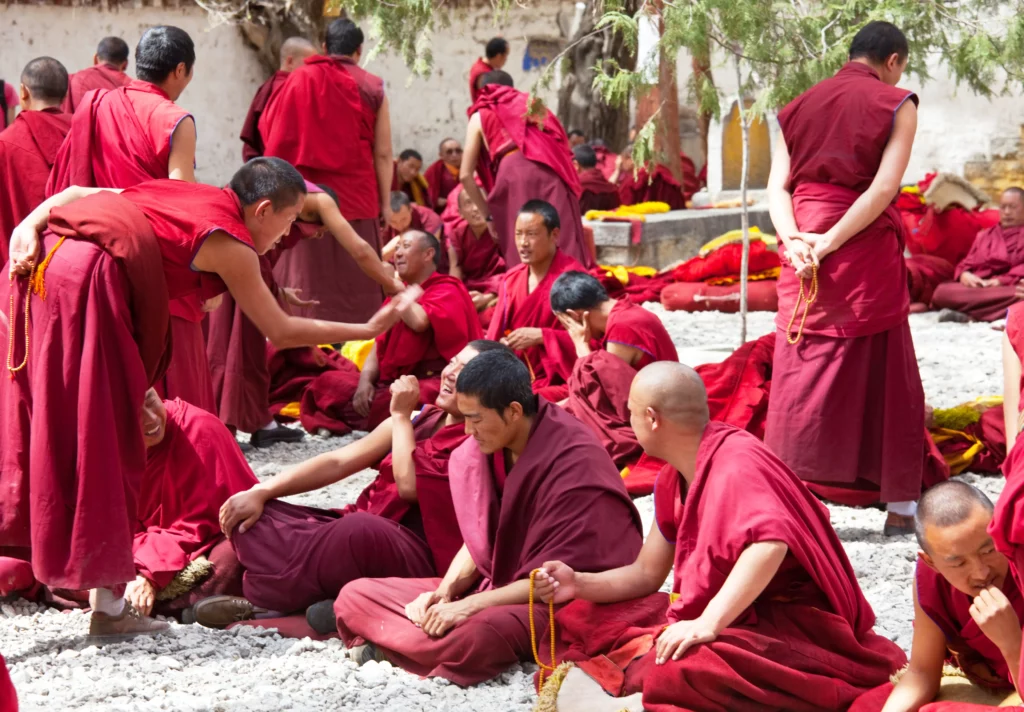
Later, at Sera Monastery, the mood changes — the debating courtyard is lively, with claps, quick steps, and laughter as the monks exchange questions and challenges.
Climbing up to the Potala Palace is slow work at this altitude, but the view from the top and the sense of history inside are worth it.
Each chapel tells its story through murals, statues, and offerings left by pilgrims. The Jokhang Temple is quieter but feels just as sacred.

Outside, Barkhor Street loops around the temple — part market, part pilgrimage route — and it’s easy to lose track of time among the shops and prayer wheels.
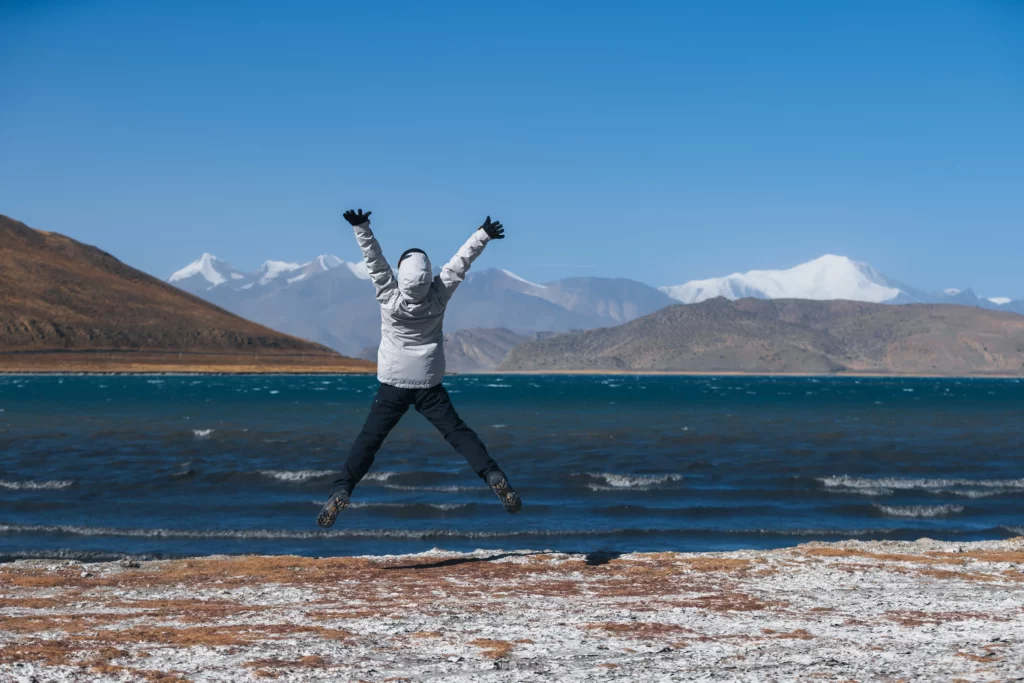
The road west takes you past Yamdrok Lake, a stretch of turquoise water that seems to shift color with the clouds.
You’ll also cross the Karo La Glacier, where the ice lies so close to the road you can see deep blue crevasses.
In Gyantse, the Kumbum Stupa rises above the town before the final leg to Shigatse.
Leaving Shigatse, the road winds through empty valleys and over passes that seem to scrape the sky.
The first glimpse of Everest comes suddenly — one turn and there it is. By evening, you’ll be at base camp.

If the weather’s clear, the mountain turns pale gold as the sun sets. There’s no mistaking it: you’re standing at the foot of the tallest peak on Earth.
Mornings at base camp are cold, often silent except for the wind. You can watch the sun touch the summit before breakfast.

The return to Shigatse takes you past Sakya Monastery, known for its fortress-like walls and ancient manuscripts.
The drive back is unhurried, passing small farms and villages. In Nyemo County, there’s a chance to see locals making incense or traditional handmade paper.
Arriving in Lhasa by late afternoon leaves time for a quiet evening or a final stroll through the city.
After breakfast, your driver will take you to the airport or train station.

With the mountains fading behind you, the journey ends — though the rhythm of life in Tibet tends to stay with you long after you’ve gone.
Price Includes
- Airport/train station pick-up & drop-off in Lhasa.
- 3-star hotel accommodation on a twin/double sharing basis.
- All ground transportation is as per the itinerary.
- Licensed English-speaking Tibetan guide.
- All necessary Tibet permits and entry fees.
- Daily breakfast.
- Welcome to the scarf ceremony.
- Oxygen cylinder & first aid kit for high altitude.
Price Excludes
- International and domestic flights/train tickets to/from Lhasa.
- Lunches and dinners (except where specified).
- Travel insurance.
- Chinese visa fees.
- Personal expenses (laundry, drinks, tips, etc.).
- Optional activities not mentioned in the itinerary.
Trip Information
When to Go: Lhasa to Everest Base Camp Overland Tour
Tibet’s overland routes open from late spring to early autumn. Our favorite stretch is May through September, when high passes are mostly clear of snow and the light is crisp for photography.
- Early summer (May–June) often has clear skies and fewer vehicles.
- July and August bring warmer days and the chance to witness village celebrations.
- September cools a little, but visibility is often at its best.
Weather on the Route
In Lhasa and Shigatse, midday temperatures in summer can reach the mid-teens Celsius, but evenings are cool enough for a jacket. The air at Everest Base Camp is sharper — daytime may be just above freezing, and nights dip well below. The weather can turn quickly, so packing with layers in mind is essential.
Adjusting to the Altitude
From Lhasa’s 3,650 meters to Everest Base Camp at 5,000 meters, your body needs time to adapt. That’s why this trip begins with two nights in Lhasa. Drink water regularly, rest between activities, and avoid rushing — slow steps make a big difference. If you feel lightheaded or exhausted, let your guide know immediately.
Permits and Entry
Independent travel in Tibet isn’t allowed. You’ll need a Tibet Travel Permit, which we arrange for you. A valid Chinese visa is required first; we’ll guide you through the exact process after confirming your booking.
Where You’ll Stay
- Cities like Lhasa and Shigatse: comfortable 3-star hotels with private bathrooms and hot showers.
- Everest Base Camp and small towns: guesthouses with simple beds, shared bathrooms, and limited heating.
- Electricity and hot water may be on a schedule in some remote areas.
Meals Along the Way
Breakfast is served in your hotel. You’ll find a mix of Tibetan noodle soups, momos, stir-fried dishes, and rice plates for lunch and dinner. In smaller villages, the options are more limited but filling, often hearty soup, bread, and tea.
Staying Healthy
Carry any personal medicine you rely on; local pharmacies may not stock your brand. Guides have elemental oxygen and a first-aid kit. Travel insurance that includes high-altitude coverage is strongly recommended.
Connectivity & Power
In major towns, you’ll have steady electricity and hotel Wi-Fi. Remote areas may have power for only a few hours daily, and internet speed is slow. Charge devices whenever you can.
Cultural Etiquette
Move clockwise around religious sites, keep your voice low inside temples, and never touch prayer flags or sacred texts. When interacting with locals, a smile goes a long way, but always ask before photographing someone.
Equipment List
Clothing
- Warm jacket (down or insulated) for evenings and high passes
- Light fleece or sweater for layering
- Thermal base layers (top and bottom) for cold nights
- Comfortable walking pants and lightweight trousers
- T-shirts or long-sleeve shirts for daytime wear
- Windproof/water-resistant jacket
- Warm hat and light gloves
Footwear
- Sturdy walking shoes or light trekking boots with a good grip
- Comfortable casual shoes for evenings
- Warm socks (wool or thermal)
Accessories
- Sunglasses with UV protection
- Sun hat or cap
- High-SPF sunscreen and lip balm with SPF
- Reusable water bottle (1–2 liters)
- Personal toiletries (toothbrush, toothpaste, biodegradable soap, wet wipes)
- Quick-dry travel towel
Electronics
- Power bank or portable charger
- Universal travel adapter
- A camera or smartphone with extra memory cards
Health & Safety
- Personal first-aid kit (include altitude sickness tablets if prescribed)
- Any regular medication you take
- Hand sanitizer and face mask (optional, for dust or crowded places)
Other Useful Items
- Small backpack/daypack for daily use
- Snacks (energy bars, nuts, or dried fruit)
- Plastic or cloth bags for separating clean and used clothes
- Travel documents (passport, Chinese visa, Tibet Travel Permit – arranged by us)
Frequently Asked Questions
Yes. We handle every permit you need for this trip, including the Tibet Travel Permit and the pass for Everest Base Camp.
The only thing you must arrange for yourself is a valid Chinese visa, which we’ll need before applying for your Tibet entry documents.
The roads are open from late spring into early autumn, and the mountains are visible more often. We’ve found May, June, and September to be the most reliable for clear skies, though July and August are warmer and bring festival season.
The route starts at about 3,650 meters in Lhasa and reaches 5,000 meters at Everest Base Camp. Most people manage fine with the built-in acclimatization days at the start, but we always travel at a pace that allows your body to adjust.
We use comfortable mid-range hotels with private bathrooms in larger towns like Lhasa and Shigatse.
At Everest Base Camp and in remote stops, expect simpler guesthouses — shared bathrooms, limited hot water, and sometimes no heating at night.
Hotels provide breakfast each morning. For other meals, we stop at local restaurants along the way.
Menus range from Tibetan noodle soup and momos to Chinese stir-fried dishes. Your guide will point you toward the better kitchens in each town.
Even on sunny summer days, you’ll feel the chill in the wind. Temperatures often drop below freezing at night.
A warm jacket, thermal layers, and gloves make evenings and early mornings much more comfortable.
In Lhasa and Shigatse, mobile signal and hotel Wi-Fi are available, though slower than most people are used to.
Between towns and at base camp, the signal is patchy or non-existent — a good excuse to unplug for a while.
Yes, it’s a must. Make sure your policy covers medical treatment and evacuation at high altitude.
We’ll ask for proof of coverage before the trip starts.
Yes. Solo travelers often join our small groups, and many make friends quickly.
You can share a room with another traveler or pay a single supplement for a private room.
Arrive rested, drink more water than you need, and take it slow for the first few days.
Avoid alcohol until you’re fully adjusted, and always let your guide know if something feels off.
Grace Educational Organisation
The Grace Educational Organisation is a government-registered charity dedicated to empowering students in Nepal through education.
With a 100% donation policy, every contribution directly supports the children and schools, providing essential resources like supplies, infrastructure, and extracurricular programs.
This initiative fosters a transparent connection between donors and students, ensuring every action leaves a lasting impact.
The Nuwakot School, located in a picturesque rural setting, is one of the beneficiaries of this mission.
By visiting, you witness these students’ educational journey and become part of a transformative effort to uplift the community.
Trip Reviews
Be first to post a review in this trip.