Lhasa to Kailash Mansarovar Yatra
Based on 2100 reviews
Trip Overview
Join a 15-day Lhasa to Kailash Mansarovar Yatra, a journey cherished by Hindus, Buddhists, Jains, and Bon followers. Begin in Lhasa (3,650m), exploring iconic sites while acclimatizing.
Travel across the Tibetan Plateau through Gyantse and Shigatse to Everest Base Camp (5,200m), then continue to the remote Ngari region to witness the sacred Lake Manasarovar and Mount Kailash (6,638m).
Guided by experts, complete the revered three-day Kailash Kora—believed to purify the soul—before returning to Lhasa with memories of a lifetime.
Trip Highlights
- Sacred Mount Kailash Pilgrimage – Complete the 52 km Kailash Kora with fellow pilgrims, visiting Dirapuk and Zutulpuk monasteries and witnessing age-old spiritual rituals.
- Holy Lake Manasarovar – Experience one of the world’s highest freshwater lakes (4,590m), revered for its purity; meditate on its shores or touch its sacred waters.
- Lhasa’s Cultural Treasures – Visit the Potala Palace, Jokhang Temple, and Barkhor Street, and enjoy a traditional Tibetan teahouse experience in the city’s old quarter.
- Historic Monasteries – Explore Drepung and Sera monasteries in Lhasa, Rongbuk Monastery near Everest, and Tashilhunpo Monastery in Shigatse.
- Everest Base Camp Excursion – Stand at the north side of Everest (5,200m), enjoy golden sunrises or sunsets, and marvel at star-filled skies at EBC.
- Stunning Himalayan Scenery – Cross Gampa La, Gyatso La, and Gawu La passes for panoramic views of Everest, Lhotse, Makalu, Cho Oyu, and Shishapangma.
- Wildlife & Remote Landscapes – See yaks, wild sheep, and gazelles across the vast Ngari Plateau, passing pristine lakes and snow-capped ranges.
- Cultural Encounters – Share a meal with a Tibetan family by Yamdrok Lake, and explore Gyirong Valley’s Sherpa villages and lush border landscapes.
Short Itinerary
Lhasa Arrival
Drepung and Sera Monastery Tour
Potala Palace, Jokhang Temple & Barkhor
Yamdrok Lake – Gyantse – Shigatse
Everest Base Camp (EBC)
Saga (via Peiku Tso)
Lake Manasarovar – Darchen
Kailash Kora Day 1 –Dirapuk
Kailash Trek Day 2 –Zutulpuk
Kailash Kora Day 3 – Darchen
Saga
Gyirong Town
Tingri
Lhasa
Lhasa Departure
Full Itinerary
Welcome to Tibet! Upon arrival at Lhasa’s airport or train station, meet our Tibetan guide and driver and receive a warm khata welcome.
Transfer to your hotel in Lhasa. En route, catch your first glimpses of the Yarlung Tsangpo (Brahmaputra) and Lhasa rivers as they wind through the valley.

The rest of the day is free to relax and acclimate to Lhasa’s high altitude. In the evening, your guide will brief you on the journey ahead and introduce you to fellow travelers.
Start your exploration of Lhasa with a focus on its great monastic institutions. In the morning, visit Drepung Monastery, once the largest monastery in Tibet, home to 10,000+ monks in its prime.
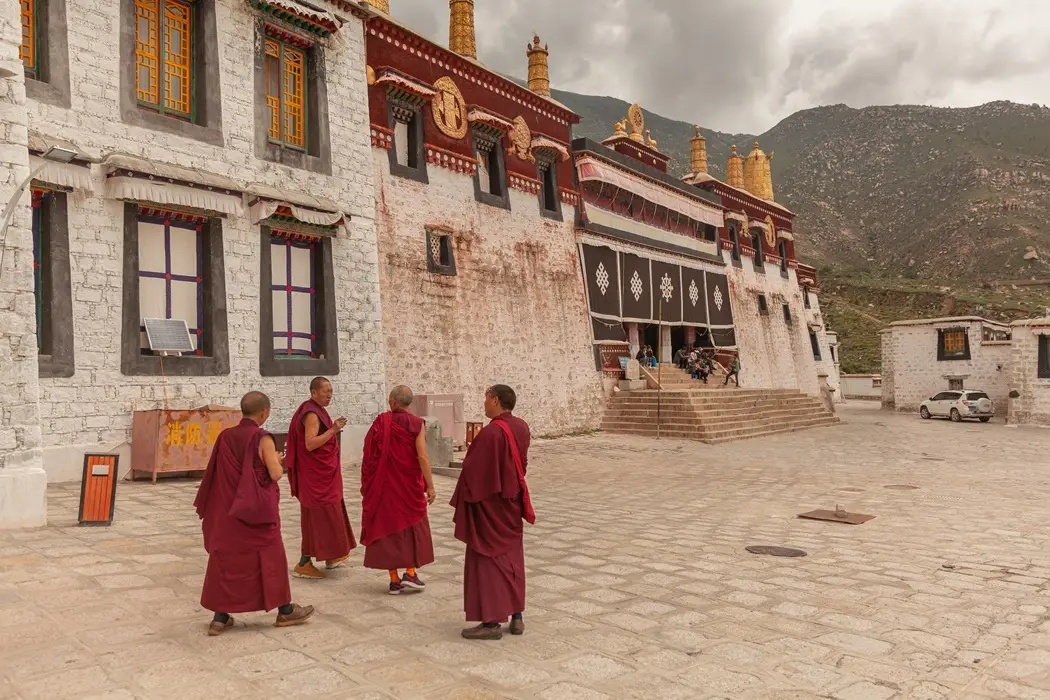
Wander its massive halls and courtyards as your guide explains Drepung’s rich history and the basics of Tibetan Buddhism. Next, tour the nearby Sera Monastery, another of Tibet’s “Great Three” Gelugpa monasteries.
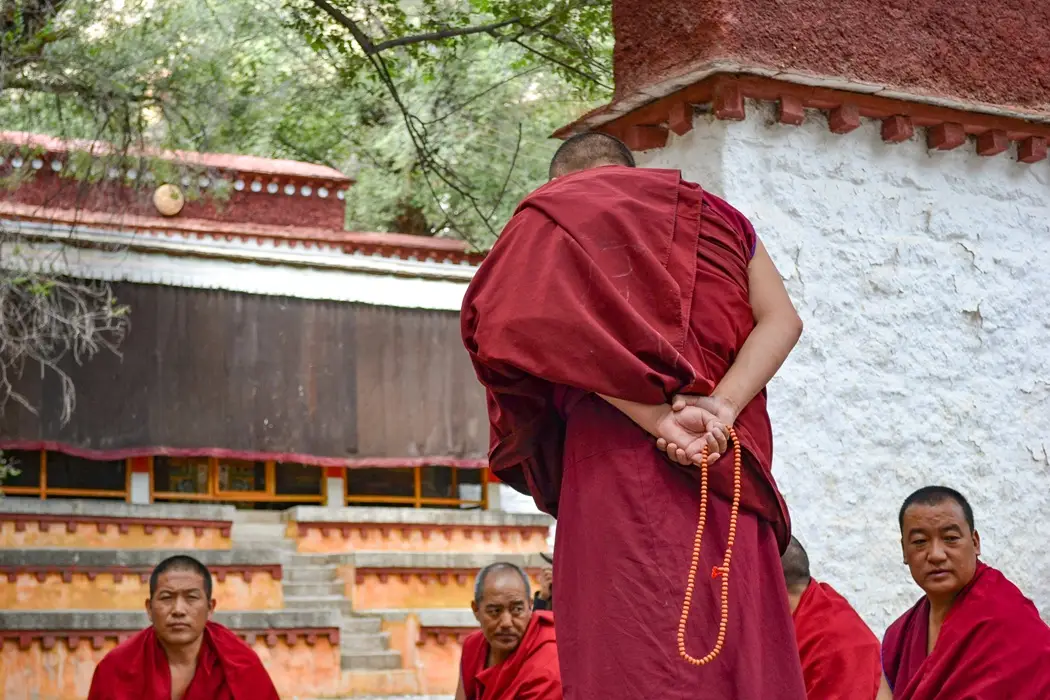
In the afternoon (around 3-5 PM), observe the famous monk debate in Sera’s courtyard – a lively, ritualized debate of Buddhist philosophy punctuated by emphatic gestures. It’s a fascinating window into monastic education.
Enjoy a welcome dinner with traditional Tibetan cuisine in the evening, getting to know your group.
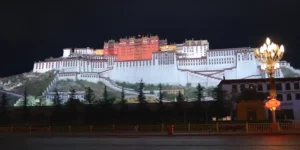
Today covers Lhasa’s most revered sites. Start at the Potala Palace, the monumental 17th-century fortress that dominates Lhasa’s skyline. Climb its stairways for a rewarding panoramic view over Lhasa’s old city.
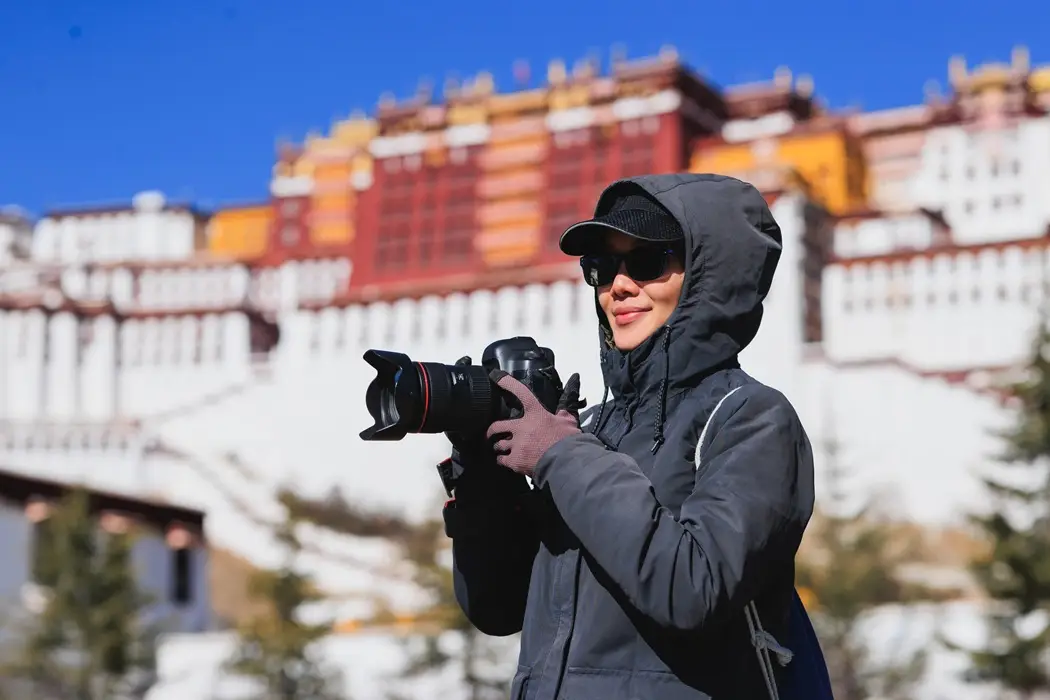
Explore Potala’s chapels and treasures – from golden stupas of past Dalai Lamas to ancient Buddhist murals – learning about its role in Tibetan governance and spirituality.
After descending, stroll through Longwangtan Park at the palace base to get a different perspective of Potala and see locals socializing.
Next, visit the Jokhang Temple, Tibet’s holiest shrine, where pilgrims from all corners of Tibet prostrate themselves outside its gates.
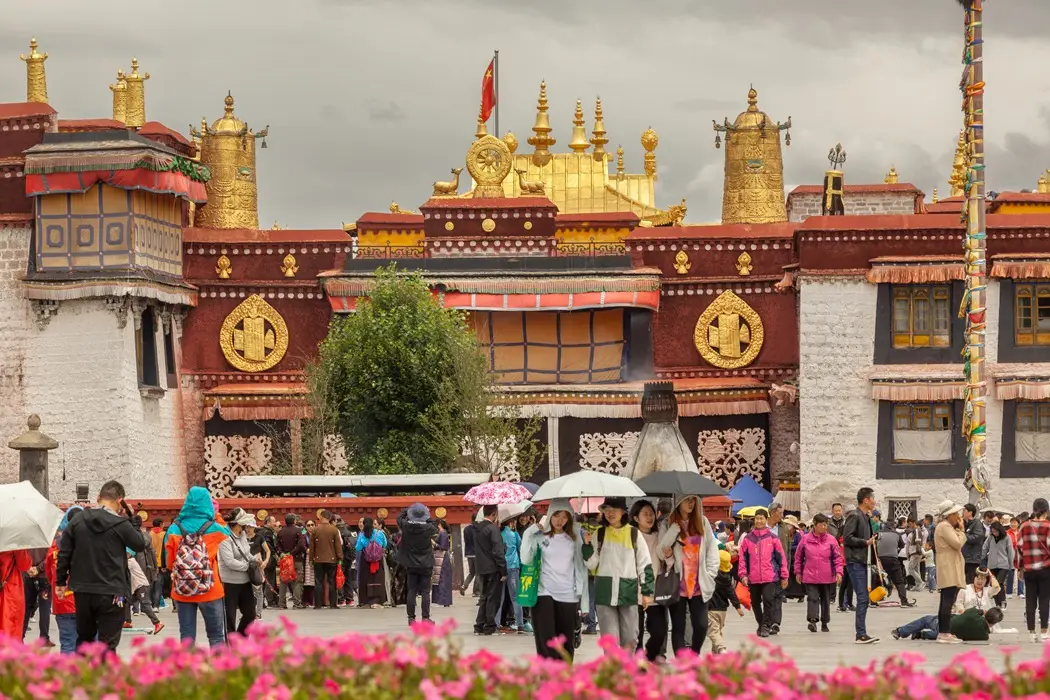
Inside Jokhang’s dim halls, behold the revered Sakyamuni Buddha statue and feel the devotion that permeates the air.
Exiting, join pilgrims on a walk around Barkhor Street, the devotional circumambulation route encircling the temple. Browse the Barkhor market for prayer flags or souvenirs as incense smoke and devotional chants fill the street.
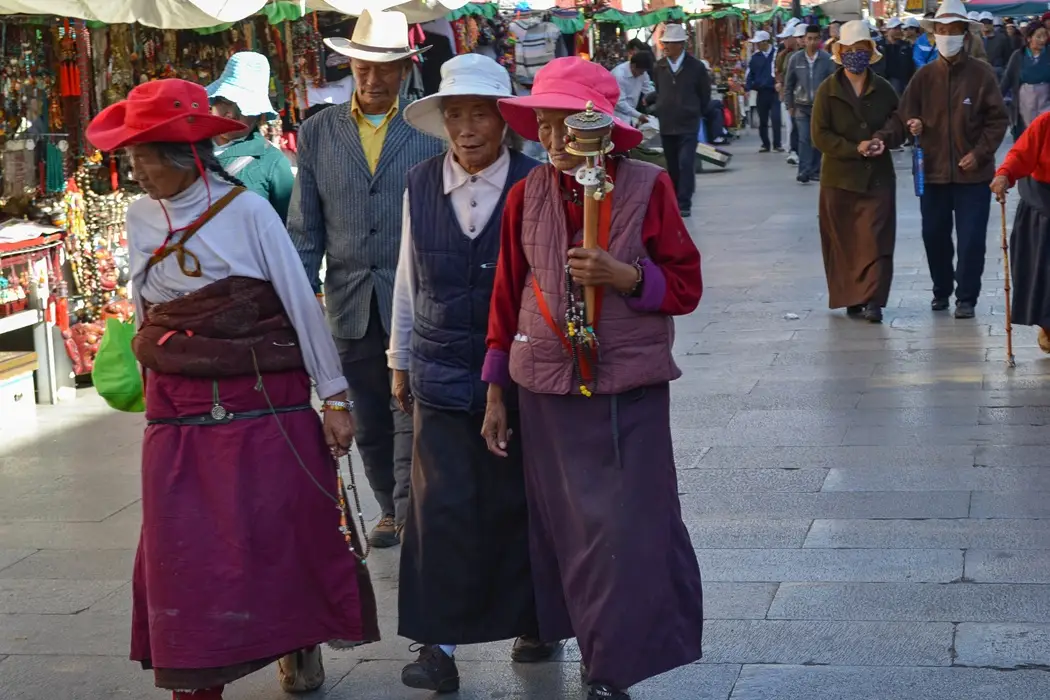
Before day’s end, drop by a bustling local teahouse – sip sweet Tibetan tea shoulder-to-shoulder with locals and chat about daily life in Lhasa, a memorable cultural immersion.
Begin the overland journey west across Tibet. Drive up to Gampa La Pass (4,790m), where an unforgettable vista of Yamdrok-Tso unfolds below – a massive turquoise lake ringed by snowy peaks.
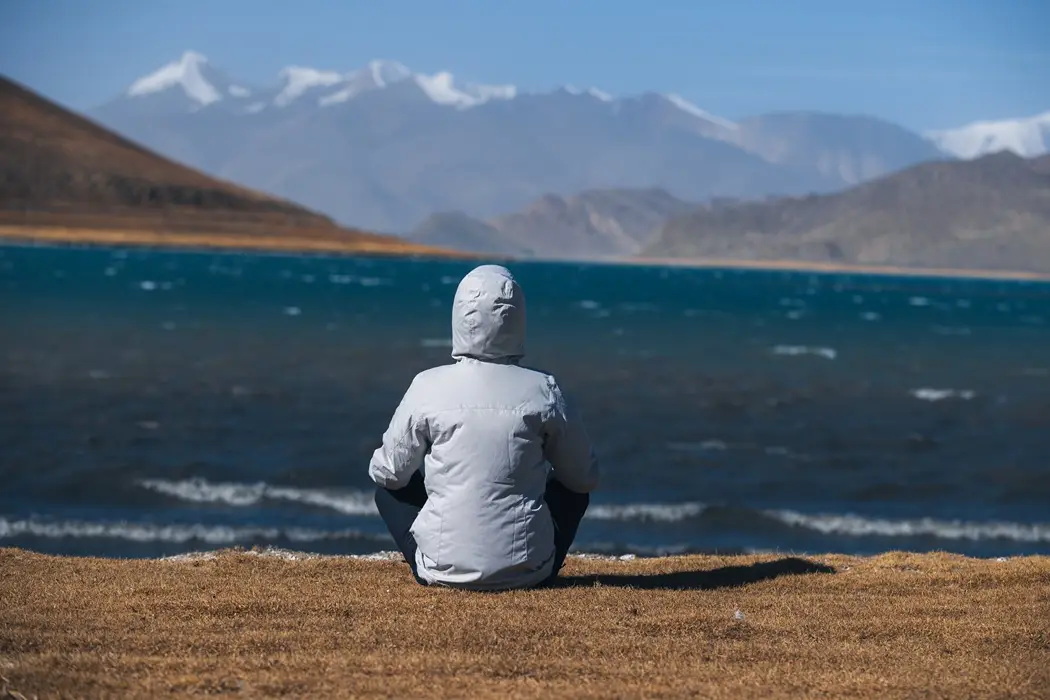
On a clear day, you’ll see Mt. Nyenchen Khangsar (7,191m) looming in the distance. Descend to the lakeshore and appreciate Yamdrok’s startling blue waters.
We stop at a traditional village by the lake, where you’ll be welcomed into a local family’s home for Lunch – an authentic taste of Tibetan hospitality.
Catch sight of the imposing Karola Glacier as we pass beneath its ice cliff that nearly touches the road. At Simila Pass, join locals in hanging prayer flags, sending prayers out on the mountain winds for health and peace.
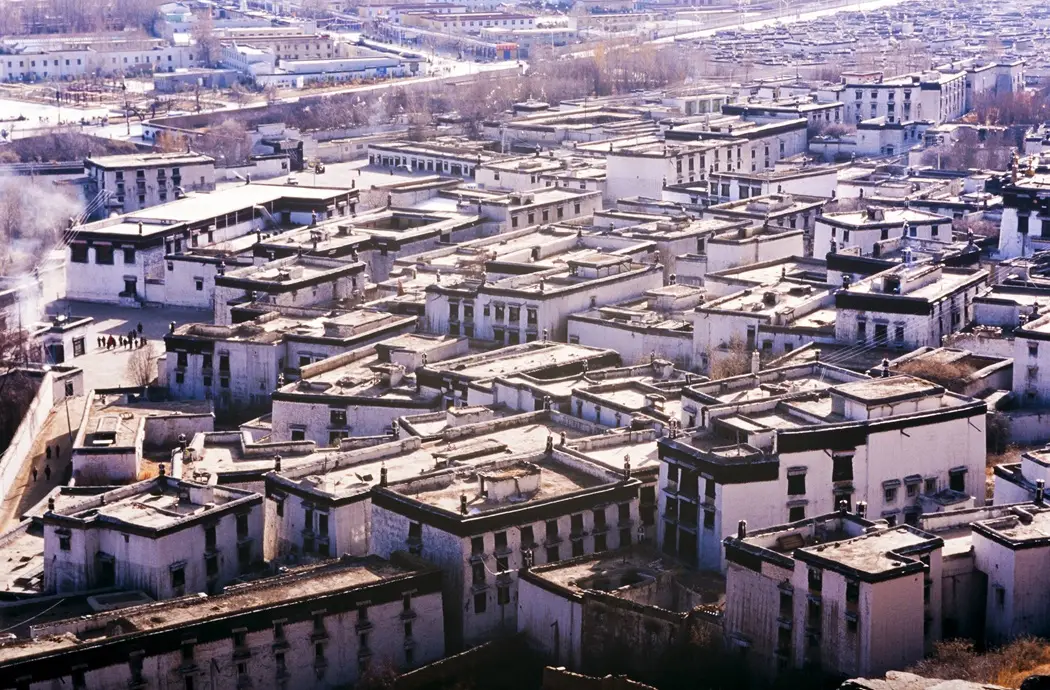
By late afternoon, arrive in Gyantse. Snap photos of Gyantse Dzong fortress and the farmlands around this historic town known for its heroic past.
Then, we will drive through fertile fields along the Nyangchu River to reach Shigatse (Tibet’s second-largest city) in the evening.
Set out early towards the Himalayas and Mount Everest. Traverse the stark high-altitude landscape to reach Gyatso La Pass (5,248m), where you first glimpse Everest shimmering far on the horizon.
Enter the Qomolangma (Everest) National Nature Reserve and ascend to the panoramic Gawu La Pass (5,198m).
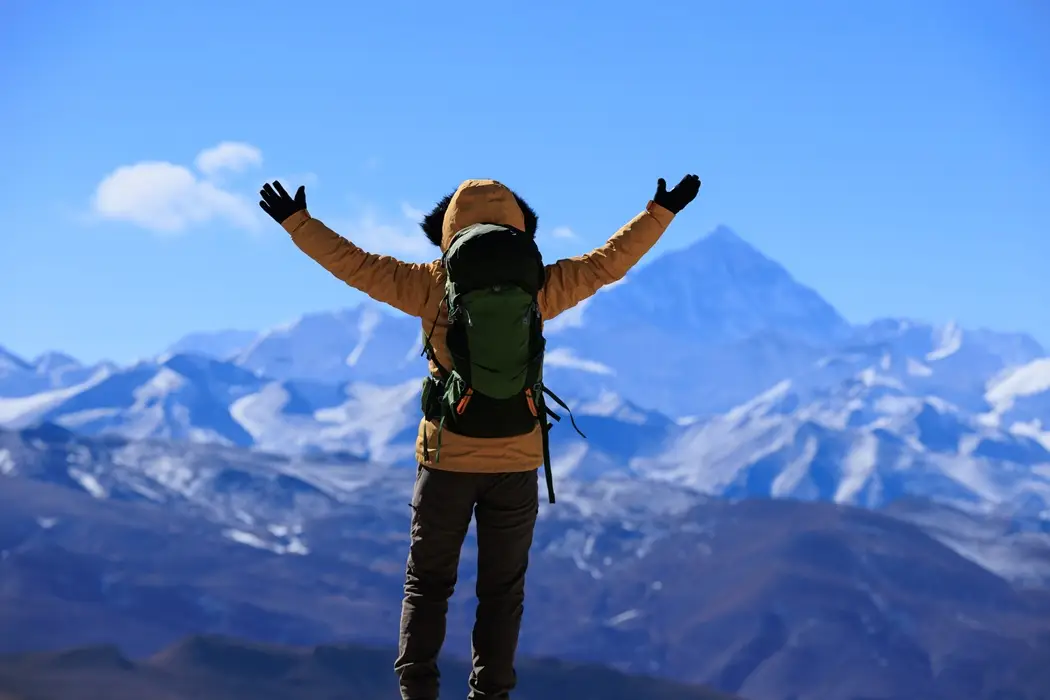
Weather permitting, an incredible scene unfolds: the Himalayan panorama of five 8,000m giants – Everest, Lhotse, Makalu, Cho Oyu, and Shishapangma – strung across the horizon.
Continue along the new zigzag road down into the Rongbuk Valley. By afternoon, arrive at the Everest Base Camp area (≈5,000m). Standing here, the north face of Everest dominates the skyline – a colossal pyramid of rock and ice.
Enjoy a golden sunset on Everest’s summit if the weather is clear. After dusk, conditions permitting, you may witness a breathtaking night sky with the Milky Way over Everest’s silhouette.
Accommodations near EBC are fundamental – in summer, tent camps operate at the site, and in colder months, you’ll stay in a guesthouse at a village like Tashi Dzom nearby.
Rise early for a chance to see sunrise on Everest, as the first rays light up its summit in pink and gold.
After breakfast, visit Rongbuk Monastery (5,154m), the world’s highest monastery, which offers one more phenomenal view of Everest’s towering face.
You might encounter hardy monks or nuns living year-round in these extreme conditions. Then bid farewell to Everest and drive westwards into the remote expanses of western Tibet (Ngari region).
En route, pause to view Mt. Shishapangma (8,027m), Tibet’s highest peak entirely within its borders. Shishapangma’s snow-draped massif, alongside its sister peaks, reflects in the waters of Pelku Tso (Peiku Tso) lake – a gorgeous photo stop.
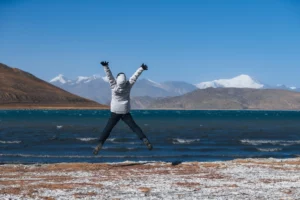
Crossing broad plains where nomads herd yaks under big skies, we reach Saga (4,400m) by late afternoon.
Saga is a busy township on the banks of the Brahmaputra (Yarlung Tsangpo) and the main gateway to Kailash. Stock up on any last supplies for the trek (snacks, water, sunscreen, etc.) if needed.
Today’s drive takes us through some of Tibet’s most isolated terrain as we approach the sacred destinations. Travel west across the vast Saga Valley between the Himalaya and Gangdise mountain ranges.
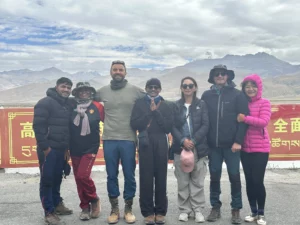
The scenery features towering snow peaks flanking endless open grasslands; you may see herds of yaks and sheep grazing, with nomadic herders camped in black tents.
On the way, pass the emerald-green Gongzhucuo Lake, a sparkling gem amid the wilderness. Climb over Mayum La Pass (5,211m) – crossing this pass officially brings you into Ngari, the far-west region of Tibet.
In the distance, Lake Manasarovar comes into view, with the silhouette of Mount Kailash beyond – a moment that leaves many travelers speechless. Descend to the shores of Lake Manasarovar, revered as a source of spiritual power.
Weather permitting, take a break to admire the lake’s clear waters and surrounding vistas.
By late afternoon, arrive in Darchen (4,575m), the small frontier town at the base of Mount Kailash. Darchen is the starting point for the Kailash Kora.
Check into a simple guesthouse and prepare your gear for trekking. (If you wish to hire a porter or yak to carry your bags for the trek, inform your guide today so arrangements can be made – porters are available for an additional fee.).
The Mount Kailash Kora begins! After an early breakfast, take an eco-friendly shuttle bus from Darchen to the trailhead at Sarshung Valley.
Here, start trekking with your guide and fellow pilgrims along a gently rising valley on Kailash’s western flank.
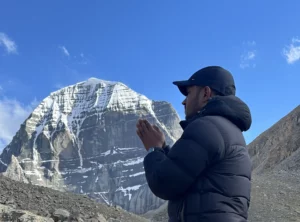
Mount Kailash soon comes into sight – its distinctive black pyramid summit and year-round snow cap guiding our way.
The day’s hike is moderate, following the Lha Chu River and passing groups of prayer stone piles (mani stones) left by devotees.
You’ll likely encounter Tibetan and Indian pilgrims making their circumambulation, some performing full-body prostrations along the entire route – a humbling display of faith.
By afternoon, arrive at Dirapuk Monastery (4,900m), near the north face of Kailash. If the skies are clear, this location offers one of the most striking views of Kailash’s sheer north face, also called the “Western Portal.”
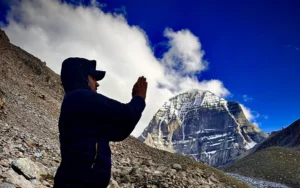
Visit the small monastery and take photos of Dirapuk’s chortens (stupas) framing Kailash.
As evening falls, weather permitting, enjoy a spectacular sunset on Mount Kailash, as the dying light paints the mountain’s west face orange and gold.
Hardest trekking day. Rise before dawn for the most challenging and rewarding part of the Kora. Today you’ll cross the Dolma-La Pass (5,630m) – the highest point of the entire journey.
The day begins with a steep 4km ascent from Dirapuk, climbing through glacial moraine terrain. As you climb, pause to see the sunrise glow on Kailash’s northwest shoulder.
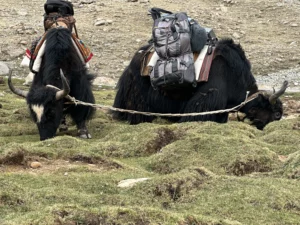
Reach a level area at around 5,200m marked by a collection of prayer flags – a sign you are nearing the pass.
Push on a bit further to reach the top of Dolma La, adorned with hundreds of fluttering prayer flags and yak skulls left as offerings.
Congratulations – you are standing at 5,630m! Take a moment to savor this achievement and, according to tradition, to let go of worldly burdens at the pass (locals often leave personal items or hair/nail clippings to symbolize shedding sin).
Beyond the summit lies the small, sacred Lake Gauri Kund (Lake of Compassion), shimmering green below the trail.
The descent from Dolma-La is steep and can be snowy or slippery, so careful footing is required (even in summer, patches of ice are standard).
Trek down into the valley, where the oxygen feels richer and every step gets easier.
By afternoon, follow the river to arrive at Zutulpuk Monastery (4,790m), named after a cave associated with the 11th-century Buddhist saint Milarepa.
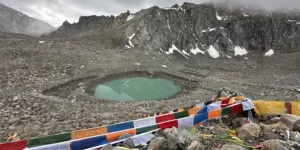
If energy allows, explore the small temple or chat with pilgrims who might share inspiring stories of their journey.
Near Zutulpuk, you may spot wild goats or Tibetan pika on the rocky slopes, and you will undoubtedly see the endless lines of prayer flags strung across the cliffs.
Final day of the Kailash parikrama. In the morning, an easy 2-3 hour trek along the Barkha plain brings you back to the trailhead where you started, completing the circuit around Mount Kailash.
Congratulations on finishing the Kora – an accomplishment that pilgrims believe erases the sins of a lifetime!
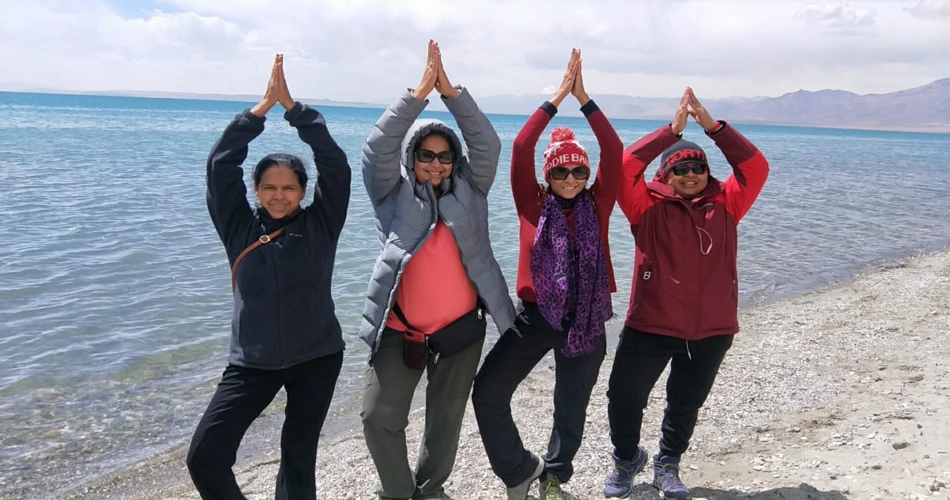
Meet your driver in Darchen and rest a bit. Later, take a short drive (about 30km) to the shores of Lake Manasarovar, which sits just south of Kailash.
Lake Manasarovar is one of the holiest lakes in Asia. In Hindu and Buddhist cosmology, it is a symbol of purity, believed to have been created by Lord Brahma, and is capable of cleansing spiritual impurities.
Walk to the water’s edge and if you wish, touch the sacred waters or take part in a brief ritual bath (for those hardies enough to brave the cold!). Many visitors dip their hands or sprinkle the water on their heads in reverence.
Enjoy some quiet time by this serene lake, set against a backdrop of the Gurla Mandhata range. You may see prayer flags and perhaps pilgrims performing rituals on the shore.
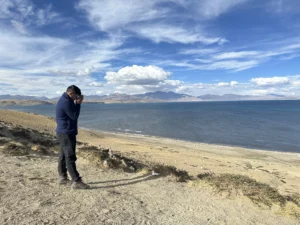
There is also an optional hot spring near the lake (at an extra small cost) where you can soak your feet – a nice way to relax after the trek.
By late afternoon, return to Darchen. With the Kora complete, the most challenging part of your journey is over.
Begin the drive back eastwards. We retrace our route from Darchen to Saga, bidding farewell to holy Kailash and Manasarovar.
Though covering familiar ground, the landscapes remain inspiring from the reverse perspective. Take a last look at the Ngari wilderness – the rolling plains and distant peaks that have been your home for the past days.

En route, make wildlife spotting stops if opportunities arise; you might catch sight of a Tibetan wild ass (Kiang) or other high plateau fauna.
By evening, arrive again in Saga, a comforting outpost of civilization after the remote journey. Enjoy a hot meal and well-earned rest.
Today, we diverge from our original path to explore a different facet of Tibet’s geography.
Head south from Saga towards the Gyirong Valley on the Tibet-Nepal border. As we drive, notice the landscape changing dramatically: the arid plains give way to more vegetation, and the air grows more humid.
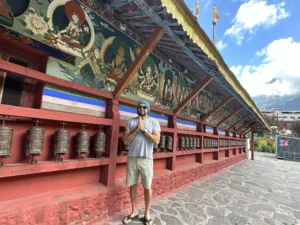
Descend from the plateau into the Gyirong Gorge, a region famed for its stunning natural beauty. By afternoon, arrive in Gyirong Town (Kyirong), sitting at a lower elevation (~2,700m).
Surrounded by forested mountains, Gyirong enjoys a milder climate and lush greenery unique in Tibet. The British explorer Howard-Bury once described Gyirong Valley as “the most beautiful in the world”.
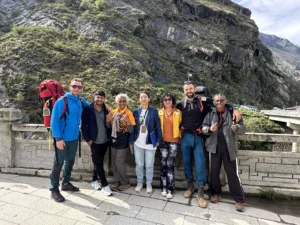
Explore the area: visit a local Sherpa village, where the culture blends Tibetan and Nepali influences.
You’ll see terraced fields, flowing streams, and maybe even monkeys in the trees – starkly contrasting to the austere high Himalaya. Enjoy the evening in this peaceful valley town.
This morning, those ending their Nepal trip can depart from the nearby border (Gyirong Port) to Kathmandu.
For those continuing to Lhasa, we take a leisurely morning in Gyirong – you can rest or enjoy the valley’s scenery again. After Lunch, start the journey back north.
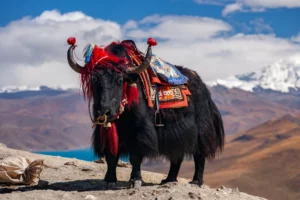
Ascend from the lush Gyirong valley back onto the Tibetan Plateau, re-entering the realm of high mountains and sparse terrain. By late afternoon, reach Tingri (a small town at 4,300m in the Shigatse region).
Tingri offers sweeping views of the Himalayan range from a different angle; on a clear day, you might catch farewell views of Everest or Cho Oyu in the distance.
Today is a long drive, completing the circuit back to Lhasa. Depart Tingri in the morning and travel to Shigatse, where we stop for final sightseeing.
In Shigatse, visit the Tashilhunpo Monastery, the 15th-century monastery sprawling on a hillside that is the traditional seat of the Panchen Lama.
Explore Tashilhunpo’s giant Maitreya Buddha statue and its golden-roofed prayer halls, soaking in one more grand example of Tibetan spiritual architecture.
Follow the Yarlung Tsangpo (Brahmaputra) River eastward from Shigatse on the drive back to Lhasa. This route passes through picturesque river canyons and villages – a pleasant and scenic road.
Arrive in Lhasa in the late afternoon or evening. Enjoy a final night in Lhasa with a farewell dinner (on your own) or some last-minute souvenir shopping in Barkhor.
Your epic journey concludes today. After breakfast, check out of the hotel. Transfer to Lhasa Airport or Train Station is provided according to your schedule.
Bid farewell to your guide and driver, and Tashi Delek – may good fortune be with you!

We trust that the spiritual memories of Kailash and Mansarovar and the warm hospitality of Tibet will stay with you forever.
Price Includes
- Tibet Travel Permits – All required permits for Mount Kailash (Tibet Travel Permit, Alien’s Travel Permit, Military Permit). Chinese visa not included.
- Accommodation – 3-star hotels in major towns, basic guesthouses in remote areas (twin sharing).
- Transport – Private vehicle with local driver, airport/train station transfers, eco-bus for Kailash trek start/end.
- Guide – English-speaking Tibetan guide for the whole tour.
- Entrance Fees – All monastery, park, and site fees are per the itinerary.
- Meals – Daily breakfast, welcome dinner as specified.
- Support – Bottled water during drives, emergency oxygen in the vehicle, and a first aid kit.
- Service Charges – All taxes, service fees, and full tour logistics.
Price Excludes
- Chinese Visa – Not included; must be obtained in advance. Group visa required if entering from Nepal (extra cost).
- International Travel – Flights or trains to/from Lhasa (or to China/Nepal) not included. Domestic travel in China/Tibet is available on request at extra cost.
- Single Room Supplement – Extra charge applies for single occupancy; not always available in remote areas and during Kailash trek.
- Meals Not Specified – Lunches/dinners not included; budget $5–10 per meal in cities, slightly more in remote areas.
- Porter/Yak for Kailash Trek – Optional hire in Darchen (approx. CNY 300–400/day).
- Tips – Guide/driver tips not included; suggested ¥50 CNY (≈ $7) per guest per day.
- Personal Expenses – Snacks, drinks, laundry, phone, internet, souvenirs, etc.
- Unforeseen Costs – Extra expenses due to delays, cancellations, illness, or other events beyond our control. Travel insurance highly recommended.
Trip Information
Duration & Route of Lhasa to Kailash Mansarovar Yatra
15 days, round-trip Lhasa to Lhasa. The journey covers roughly 3,000 km of overland in Tibet, reaching as far west as Kailash, near the Nepal/India border. Elevations range from 2,700m (Gyirong) to 5,630m (Dolma-La Pass).
There is an option to exit the tour on Day 13 via Gyirong into Nepal (if you plan to continue to Kathmandu). Otherwise, the trip completes back in Lhasa on Day 14, with departure on Day 15.
Best Season
The optimal time for this Yatra is late spring through autumn, especially May, June, September, and early October. During these months, the weather is relatively stable, roads are open, and mountain views are clearest.
July and August are also popular, though summer brings a higher chance of rain (monsoon influence can reach western Tibet and muddy some trails). Winter (late Oct through March) is off-season due to cold weather and possible travel restrictions or closures (for instance, EBC tent camps close in winter).
Saga Dawa Festival: If you seek a profoundly spiritual experience, consider timing your trip for the Saga Dawa festival (falls on the full moon of the 4th Tibetan month, typically May or June).
This festival celebrates Buddha’s birth, enlightenment, and parinirvana, and hundreds of pilgrims flock to Mount Kailash for a grand flagpole-raising ceremony and communal Kora – a truly immersive cultural event. Do note that festival time is hectic; arrangements must be made well in advance.
Acclimatization & Altitude
Proper acclimatization is built into the itinerary. You spend the first three nights in Lhasa (3650m) to adjust before ascending higher. The route gradually gains elevation – with overnight stops at Shigatse (~3,800m), EBC (5,000m), Saga (~4,400m), and Darchen (~4,575m) – allowing your body to adapt.
The highest point is Dolma-La Pass (5,630m) during the trek. Everest Base Camp (5,200m) and the Kailash region stay above 4,500m for several days, so altitude sickness precautions are vital. Travel vehicles carry oxygen and first aid; your guide is trained to recognize and respond to altitude issues.
It’s normal to feel some shortness of breath or mild headaches initially. Hydrate well, avoid alcohol, and report any severe symptoms to your guide immediately. Diamox or altitude medicine can be used preventatively (consult your doctor).
Our team’s pacing of the trip is designed to minimize risks – for example, no rapid jumps in elevation and a rest day built in via the Lhasa stay. By the time you tackle the Dolma-La, you should be reasonably acclimatized.
Trip Level – Difficulty
This journey combines touring and trekking. It is moderate to strenuous due to the high altitude rather than extreme distance or terrain. Day 9 (24km) crossing Dolma-La is the longest and most challenging hike, taking 8-12 hours depending on conditions and individual pace.
Trekkers should be in good health and have average physical fitness – they should be able to walk 10-15 km daily. No technical climbing is involved, and horses or yaks can be hired to ride on the trek if you cannot continue on foot (though this must be arranged locally).
Our support allows flexibility: if travelers decide not to do the whole Kailash trek, they can stay in Darchen (or even ride partway on a horse) and rejoin the group after the Kora. The vehicle can take non-trekkers to meet the group at the trek end or provide alternate activities (like exploring Lake Manasarovar or local villages) during the 3-day trek.
Age is not a strict barrier – pilgrims of all ages, from children to seniors in their 70s, complete the Kailash Yatra. Anyone with known heart, lung, or mobility issues should consult a doctor before attempting this high-altitude tour.
We do not recommend taking very young children (under 5) to the remote Kailash region, due to the lack of medical facilities and the physical demands.
Road Travel & Transportation
You will drive many hours, but rest assured, the roads are suitable for most of the journey. The route from Lhasa to Kailash follows China National Highway G318 and other paved roads nearly the entire way.
Only minor segments (such as around Lake Manasarovar or a short stretch to EBC) involve gravel or bumpy sections. A comfortable tour vehicle (minivan or 4WD SUV, depending on group size) with heating will be provided. Our drivers are experienced in high-mountain driving, and safety is a top priority – you can sit back and enjoy the scenery.
Overland travel in Tibet can be extended (some days up to 8 hours drive with stops), but the landscapes and occasional stops (passes, viewpoints, villages) help break up the journey. We will also make regular rest stops for bathroom and stretching.
Accommodation & Facilities
In Lhasa, Shigatse, and Saga, we use comfortable 3-star hotels or the best available (with heating, private bathrooms, hot showers, and Wi-Fi). In Gyirong, a decent guesthouse or hotel with private rooms is available. At EBC, lodging will be fundamental.
The summer camp has yak-hair tents with dormitory beds (and a central stove), and up to 8-10 people share a tent. In colder months, we stay at a small village guesthouse (dorm beds, limited electricity). At Darchen and along the Kailash trek, accommodation is in basic guesthouses/monastery lodges.
Expect dormitory rooms that accommodate 4-6 people (you may share with your group members) and outhouse-style toilets (no showers). There are no private bathrooms on the trek; washing facilities are rudimentary (we recommend bringing wet wipes for personal hygiene).
Despite the lack of amenities, these guesthouses provide shelter and bedding (common sleeping platforms or cots with blankets). Bringing a warm sleeping bag or liner is highly recommended for warmth and comfort in these places.
Food & Meals
Tibetan, Nepali, and Chinese cuisine will be available in most towns. In Lhasa and Shigatse, you can find various restaurants (Tibetan, Sichuan Chinese, Nepali/Indian, and even some western options).
As we move to remote areas, choices become limited to Tibetan and simple Chinese dishes. Breakfasts are typically at hotels (bread, eggs, porridge, tea/coffee). We provide a welcome dinner featuring Tibetan specialties.
For other meals, you can choose according to your taste – your guide will help recommend the best options available. During the Kailash trek, dining options are minimal: the guesthouses at Dirapuk and Zutulpuk have basic kitchens offering simple hot meals (think instant noodles, rice, vegetable stew, maybe some momos or dhal if available).
Don’t expect fresh meat or a broad menu; it’s more like sustenance food. Along the trail are a few tented teahouses where you can buy basic noodles, soup, tea, or snacks. We highly encourage you to bring some of your high-energy snacks (chocolate, nuts, energy bars, drink mixes) for the trek to supplement the local food.
Vegetarian diets can be accommodated, but choices might be repetitive (rice, lentils, fried potatoes, etc.). Eat light, avoid alcohol, and drink plenty of fluids to help with altitude.
Bottled water is provided during drives; on the trek, you can refill from streams or at guesthouses (use purification tablets or a filter or ask your guide to boil water for you). Hot boiled water is usually available in the evenings at trekking lodges.
Guiding and Safety
Throughout the tour, you will be accompanied by a knowledgeable, English-speaking, and experienced Tibetan guide. Our guides often receive excellent feedback for their friendly service and insights into local customs.
They will handle permit checkpoints, hotel check-ins, and other formalities. A support staff (driver and possibly an assistant or a sherpa for trek days) will also be with you. Emergency Preparedness: Your guide carries a basic first aid kit and oxygen.
In case of severe altitude sickness or health issues, the nearest medical posts are in Saga and Shigatse; for anything urgent, evacuation to a hospital in Lhasa would be arranged. Always communicate with your guide about how you feel so they can respond promptly.
Booking & Permit Lead Time
Due to the special permits required for Tibet, especially for Kailash, we advise booking at least 4-6 weeks in advance. Tibet Travel Permits typically take 2-3 weeks to process, and additional military permits for Kailash can add time.
If you are entering from Nepal, the Chinese Group Visa application in Kathmandu requires you to arrive there at least four working days before the Tibet entry.
Please plan and let us handle the paperwork once you provide the necessary documents. Popular dates (May, Saga Dawa, Sept) fill up fast, so earlier booking ensures your spot and proper permit timing.
Equipment List
Travel Essentials
- Passport with Chinese visa, printed Tibet Permit (provided by us), and travel insurance.
- Cash in Chinese Yuan for small purchases and tips (ATMs not reliable outside Lhasa/Shigatse).
Bags
- Daypack (20–30L): For daily essentials (water, snacks, camera, extra layer).
- Main Duffel/Backpack (50–70L): Soft-sided, waterproof-lined for clothes and gear.
Clothing (Layered for Variable Weather)
- Base Layers: 2 sets of thermal tops & bottoms (lightweight + midweight).
- Mid Layers: Warm shirts/fleece, trekking pants.
- Insulating Layer: Down or heavy fleece jacket for evenings.
- Outer Layer: Windproof/waterproof jacket & pants.
- Quick-dry trekking shirts (2–3), hiking pants (1–2), warm pants or leggings.
- Cold weather gear: warm hat, neck gaiter/scarf, insulated gloves.
- Sun hat or cap, light bandana for dust.
Footwear
- Broken-in trekking boots with ankle support.
- Lightweight shoes/sandals for camp/hotel.
- Wool/synthetic socks (4–5 pairs, incl. warm trekking socks).
- Blister protection (bandages, sports tape).
Sleeping Gear
- The sleeping bag is rated 0°C to -10°C (or a liner for warmth/hygiene).
- Inflatable pillow (optional), earplugs.
Trekking Aids
- Collapsible trekking poles (highly recommended for Dolma-La descent).
- Sun Protection
- Sunglasses (100% UV), sunscreen SPF 50+, lip balm with SPF.
Personal Medications & First Aid
- Altitude sickness medicine (if prescribed), pain relief, stomach remedies, cold medicine, prescription meds.
- Band-aids, antiseptic wipes, blister plasters, and muscle rub.
Hydration & Snacks
- 2 x 1L bottles or hydration bladder (min. 2L capacity).
- Thermos (optional), electrolyte tablets.
- Energy bars, trail mix, chocolate, and jerky.
Toiletries & Hygiene
- Toothbrush, toothpaste, biodegradable soap/shampoo, deodorant.
- Wet wipes, hand sanitizer, and a quick-dry towel.
- Toilet paper/tissues, sanitary products (if needed), waste bags.
Electronics
- Camera, chargers, extra batteries/power bank.
- Phone (signal in many areas, limited data).
- Headlamp/flashlight with spare batteries.
- The travel adapter (Type A, C, or I) is an optional solar charger.
Miscellaneous
- Journal/notebook, reading material.
- Umbrella/rain poncho, dust mask/Buff.
- Garbage bags, small locks for luggage.
- Small optional gifts (avoid money/candy).
Frequently Asked Questions
You’ll need a valid passport and a Chinese visa (unless entering from Nepal on a group visa). All Tibet permits – including the Tibet Travel Permit, Alien’s Travel Permit, and Military Permit – are arranged by us.
If starting from Nepal, we assist with the China Group Visa process in Kathmandu (3–4 business days). Your passport must be valid for at least 6 months after your trip.
The best months are May–June and September–October for clear skies and mild weather. July and August are possible, but bring occasional rain.
Plan to witness the Saga Dawa festival at Kailash in late May or early June. This major celebration includes raising the Tarbul Flagpole at Darpoche, with thousands of pilgrims in attendance.
The 3-day Kailash Kora (52 km) is moderate to strenuous due to high altitude. The toughest section is the ascent to Dolma-La Pass (5,630m) on Day 2.
No technical climbing is involved. If you can’t continue, you may return after Day 1, hire a horse (if available), or stay in Darchen while others trek. Your safety and comfort are always prioritized.
No official age limit. We’ve had travelers in their 70s complete the trek; the oldest was 82. Good health and reasonable fitness are essential.
Anyone with serious heart, lung, or blood pressure conditions should avoid high-altitude travel.
Children under five are not recommended due to remoteness and lack of medical facilities.
Yes. Porters or yaks can be arranged in Darchen (about ¥300–400 CNY/day). Each porter carries 10–15 kg. We recommend booking upon arrival in Darchen to ensure availability.
No camping is required. On the trek, you’ll stay in basic guesthouses/monastery lodges with shared dorm rooms and simple bedding.
Toilets are pit or squat style; no showers are available for 2 nights. Bring a sleeping bag, wet wipes, and a headlamp.
Electricity is limited – solar power may provide light for a few evening hours.
You’ll find Tibetan, Chinese, and some Western dishes in cities. In remote areas, meals are simple (noodles, rice, potatoes, soups).
During the trek, expect basic vegetarian-friendly meals; bring snacks like energy bars and nuts. Bottled water is provided during drives.
Use boiled or purified water on the trek – we recommend carrying a refillable bottle and purification tablets.
Outside Lhasa/Shigatse, bathing is limited. At Saga or Gyirong, hot showers may be available for a small fee.
On the trek, there are no showers; use wet wipes and a quick-dry towel. Public showers in Darchen and optional hot springs near Lake Manasarovar may be available, but are basic. Bring toiletries, sunscreen, moisturizer, and personal hygiene items from home.
Grace Educational Organisation
The Grace Educational Organisation is a government-registered charity dedicated to empowering students in Nepal through education.
With a 100% donation policy, every contribution directly supports the children and schools, providing essential resources like supplies, infrastructure, and extracurricular programs.
This initiative fosters a transparent connection between donors and students, ensuring every action leaves a lasting impact.
The Nuwakot School, located in a picturesque rural setting, is one of the beneficiaries of this mission.
By visiting, you witness these students’ educational journey and become part of a transformative effort to uplift the community.
Trip Reviews
Be first to post a review in this trip.