
Bhutan Snowman Trekking
Based on 2100 reviews
Short Itinerary
Paro
Paro Sightseeing
Tiger Nest Monastery
Drugyal Dzong to Shana
Thangthangkha
Jangothang
Acclimatization
Lingshi via Nyele La
Chebisa via Gobu La
Shomuthang via Shingela
Robluthang via Jarela Pass
Limithang via Sinche La
Laya
Rest Day in Laya
Rhoduphu
Narethang
Tarina
Woche
Lhedi
Thanza
Rest Day
Tshochena
Jichu Dramo
Chukarpo
Thampe Tsho
Maurothang
Gangtey
Thimphu
Thimphu Sightseeing
Thimphu – Paro – Departure
Full Itinerary
Arrive at Paro International Airport, where our team will greet you. Transfer to your hotel in Paro for check-in and a welcome briefing.
The rest of the day is free to relax after your journey – enjoy the fresh valley air and views of pine-covered mountains.

In the evening, meet your guide for an orientation on the trek, gear check, and safety overview.
Spend today acclimatizing with gentle cultural sightseeing in Paro Valley.
After breakfast, visit Paro Rinpung Dzong, a 17th-century fortress-monastery, to admire its intricate architecture and learn about its history.
Continue to the National Museum of Bhutan (Ta Dzong) to see artifacts and exhibits on Bhutanese art, culture, and natural history.

Stroll through Paro town’s quaint streets and markets, picking up any last-minute supplies or souvenirs.
After lunch, visit Kyichu Lhakhang, one of Bhutan’s oldest temples, and try archery, Bhutan’s national sport. In the evening, enjoy a traditional Bhutanese dinner.
A highlight of any trip to Bhutan is a hike to Taktsang Palphug (Tiger’s Nest).
After a hearty breakfast, drive to the trailhead and begin the 5-hour round-trip trek to this legendary monastery perched on a cliff 900 m above the valley floor.
The trail winds through pine forest festooned with prayer flags, stopping at a teahouse for panoramic views.

Reach Tiger’s Nest and explore the sacred meditation caves and temples clinging to the rock face.
Enjoy a packed lunch with a view before carefully descending.
Return to Paro by late afternoon for a rest. Final preparations are made for the trek departure tomorrow.
Drive a short distance to Drugyal Dzong (2,580 m), a ruined fortress marking the trek’s start.
Meet your trekking crew and pack animals here. Begin trekking along a riverside trail through terraced fields and rustic villages.
The path gently climbs through mixed forest; prayer flags and farmhouses dot the way.

After a picnic lunch, continue up a valley with cascading streams. By late afternoon, arrive at Shana camp (2,870 m) beside the Pa Chu River.
Your support team will set up tents, enjoy a hot dinner, and spend the first night under the Himalayan stars.
Today’s trek follows the Pa Chu upstream, venturing deeper into the mountains.
The 7–8 hour route winds through rhododendron, oak, and pine forests, with several river crossings on log bridges.
The trail gradually gains altitude; be prepared for muddy or rocky sections. Stop for a packed lunch in a clearing with views of looming ridges.

In the afternoon, push through a beautiful alpine valley and ascend to Thangthangkha, a meadow campsite at 3,610 m.
If the weather permits, you might catch a distant glimpse of Mt. Jomolhari before dusk. Enjoy a warm meal and rest well at camp.
A shorter but high-altitude day (~5–6 hours). Emerge above treeline into open yak pastures with stunning mountain vistas.
Climb past small hamlets and yak herder huts as the valley opens up. Cross a final ridge to reveal the majestic Jomolhari (7,314 m) ahead.
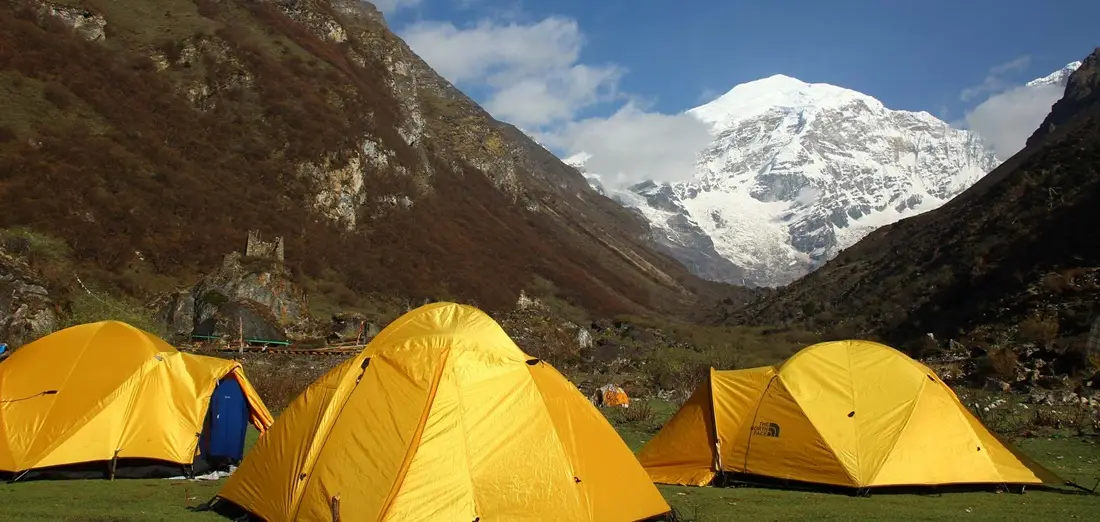
Arrive at Jangothang Base Camp (4,080 m), surrounded by snowy peaks. This spectacular campsite sits below Jomolhari and Jichu Drake.
After lunch, you have time to explore the area – perhaps hike to a nearby hill for better views or visit the ruins of an old fort.
A full day to rest and acclimatize amid jaw-dropping scenery.
Enjoy a leisurely morning – sleep in and have a hot breakfast with a view of Jomolhari’s dawn light.
Optional day hikes are available: trek up to Jomolhari Glacier or to lakes in the valley for closer looks at the peaks.
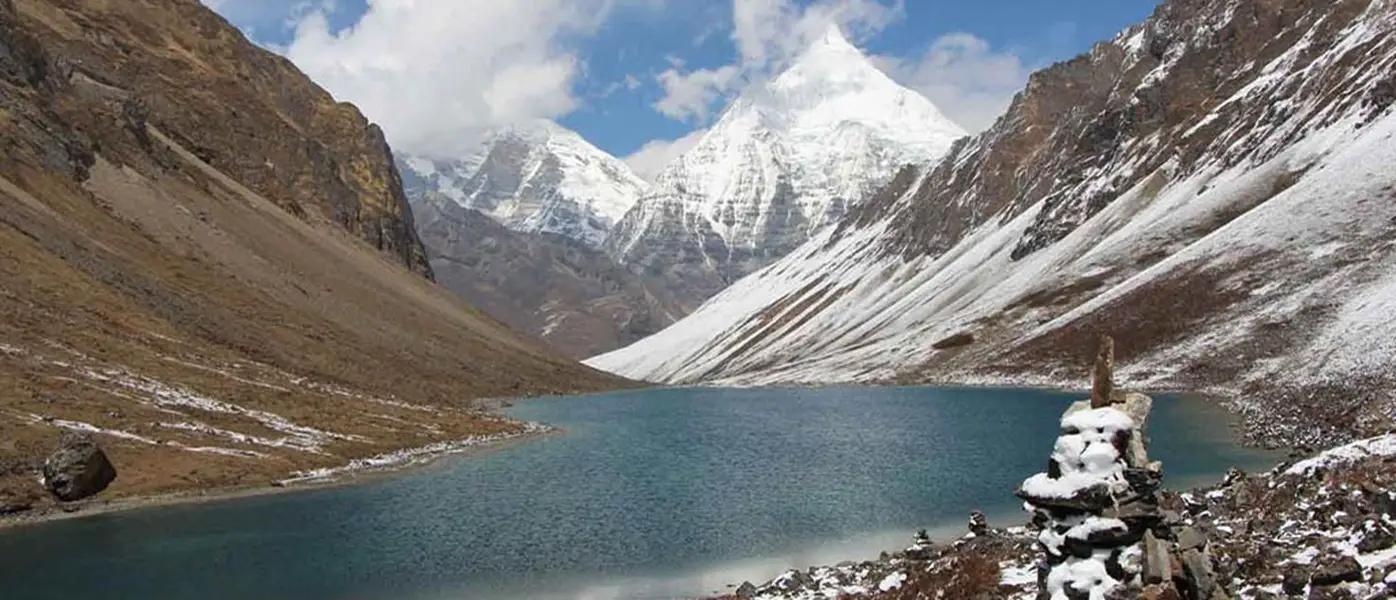
Photographers will relish the all-day light in the mountains. Take it easy to help your body adjust to 4,000+ m altitude – read a book, journal, or chat with your guides.
In the evening, share stories around the camp dining tent.
Bid farewell to Jomolhari’s majestic face as you trek over your first big pass. The day starts with a climb and then a gradual ascent to Nyele La (4,800 m).
At the pass, fluttering prayer flags and panoramic views greet you – on clear days, you can see Jomolhari, Jichu Drake, and Tsherimgang. Descend carefully into the Lingshi basin, stopping for lunch en route.
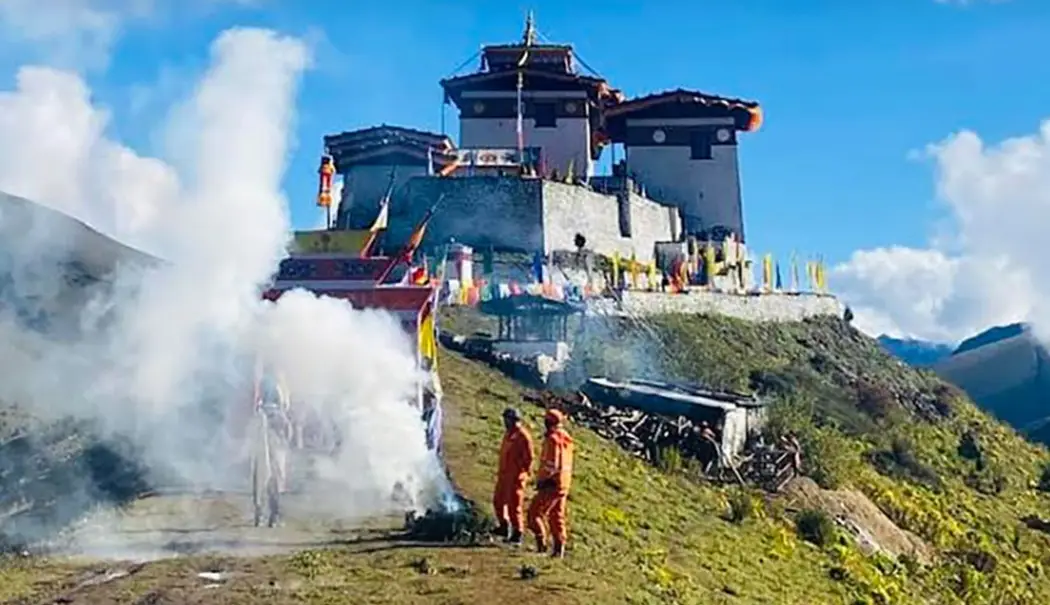
In the afternoon, traverse yak pastures to reach Lingshi, a small village dominated by its hilltop dzong (fort)—camp nearby at ~4,010 m.
You may explore Lingshi village in the evening or rest after the strenuous 6–7-hour day.
Begin with a pleasant walk out of Lingshi, enjoying views of Lingshi Dzong on its ridge.
The trail climbs gently before a steeper ascent to reach Gobu La Pass (~4,400 m).
Catch your breath and admire the spectacular 360° vistas of the Himalayas. The path then descends into a serene valley.
If time permits, pass a side trail to Tsheringma (Chomolhari) Lake. After lunch, continue downward through rhododendron forests and along a stream to the quaint village of Chebisa (3,880 m).
Chebisa is known for its lovely waterfall and traditional stone houses. Camp near the town and perhaps visit a local home for some butter tea.
A challenging day crossing the high Shingela Pass (about 4,900 m). The morning starts with a climb above Chebisa, through hillside pastures.
The trail steepens as you approach Shingela – take it slow and steady. Reaching the pass is an exhilarating pause to hang prayer flags and enjoy views of the broad glacial valleys below.
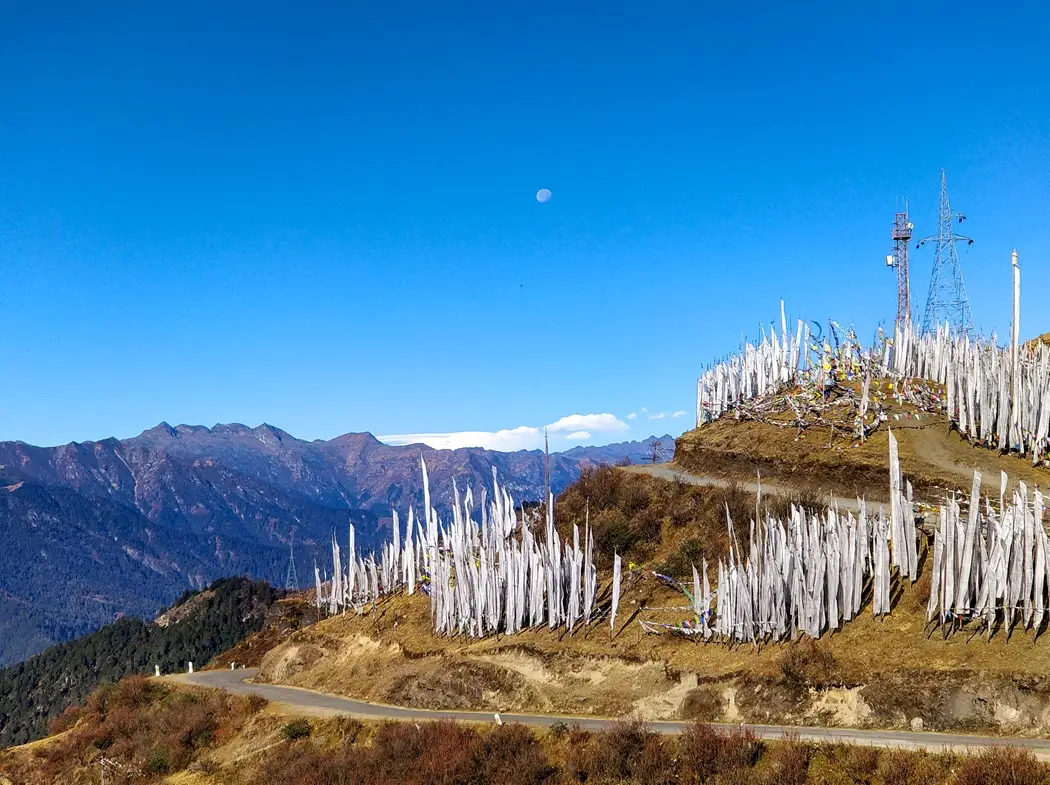
The descent is along a rocky path into another valley where you’ll stop for lunch. Trek through yak-grazing meadows and stands of dwarf rhododendrons, with possible sightings of blue sheep along the way.
By late afternoon, arrive at Shomuthang camp (4,220 m) on a grassy river terrace.
Another pass day – ascend through forest and alpine slopes to reach Jarela Pass (~4,750 m), marked by cairns and prayer flags.
From the top, witness an awe-inspiring panorama including the Tsho Chena valley and snow-capped peaks on the Tibetan border.
After a rest, a long descent begins. The trail may be rough underfoot as it drops into a deep valley, crossing streams and possibly muddy sections.
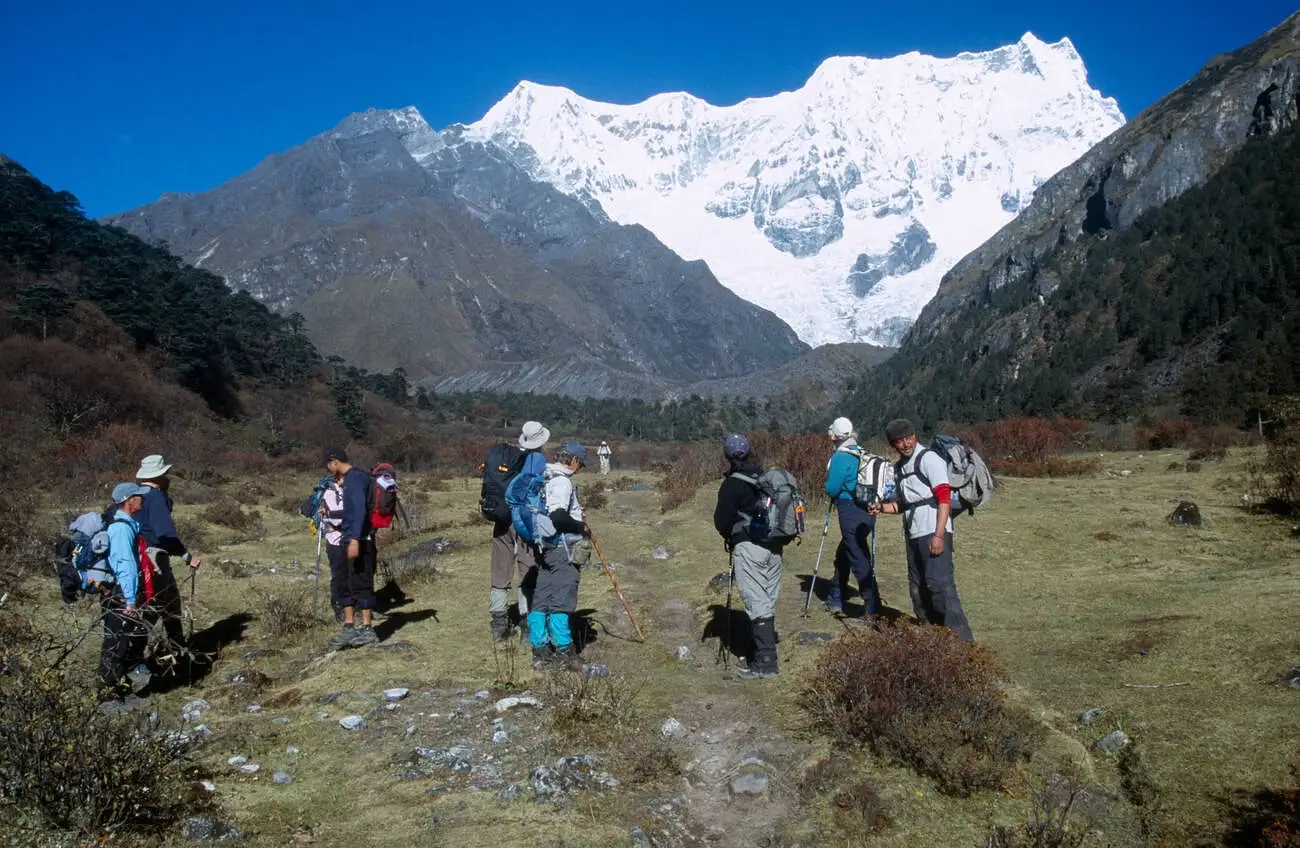
After lunch en route, make a final push to Robluthang (4,160 m). This is a stark, rocky campsite in a high tundra valley often populated with grazing yaks.
Note: You are now in truly remote wilderness – the next village is many days away.
Today is one of the most challenging yet most rewarding days. A pre-dawn start is needed to tackle Sinche La, the trek’s highest pass at just over 5,000 m.
The 5–6 hour ascent is gradual at first, becoming steeper and rockier as you near the summit.
Reaching Sinche La (5,005 m), celebrate this milestone – you are on top of Bhutan! Surrounding peaks and glaciers create an unforgettable scene.
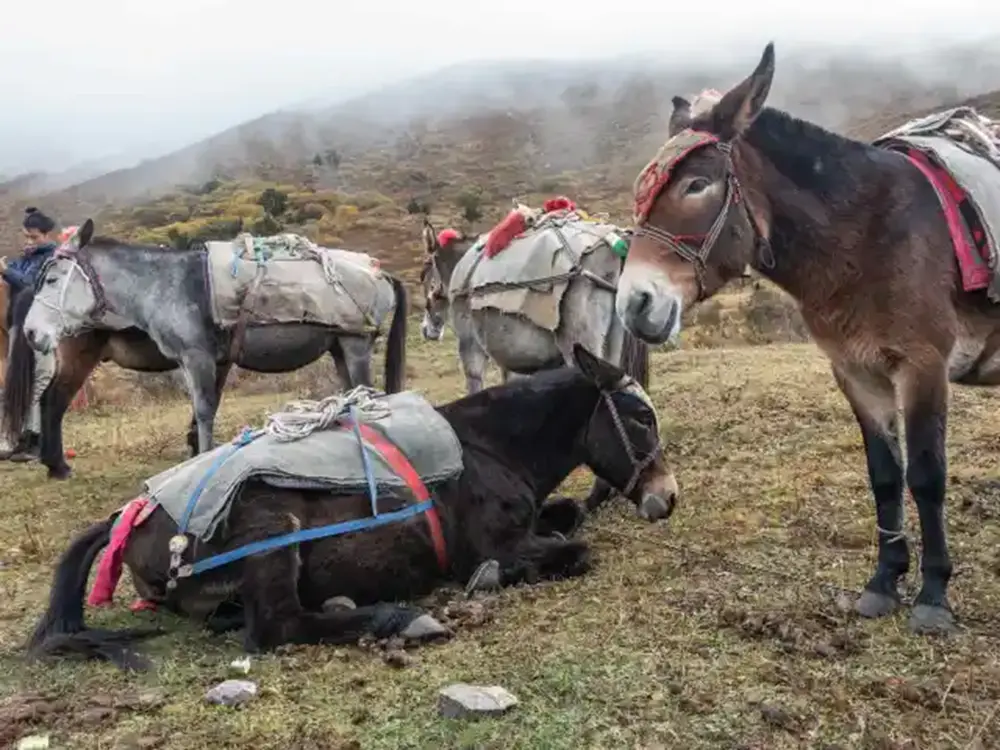
Descend carefully from the pass through a glacial valley; you might traverse some snow patches depending on the season.
By afternoon, you’ll see the first signs of civilization again – the trail leads to Limithang (4,140 m), a beautiful campsite in a larch forest with a stunning view of Gangchenta (Tiger Mountain) towering above.
A shorter, easier day descending into the village of Laya. Enjoy a relaxed start and trek down through mossy forests and the river.
After a few hours, the trail climbs over a ridge and the unique village of Laya comes into view.
Arrive by lunchtime at this highland community, the highest year-round settlement in Bhutan. Check into a simple guesthouse or set up camp near Laya.
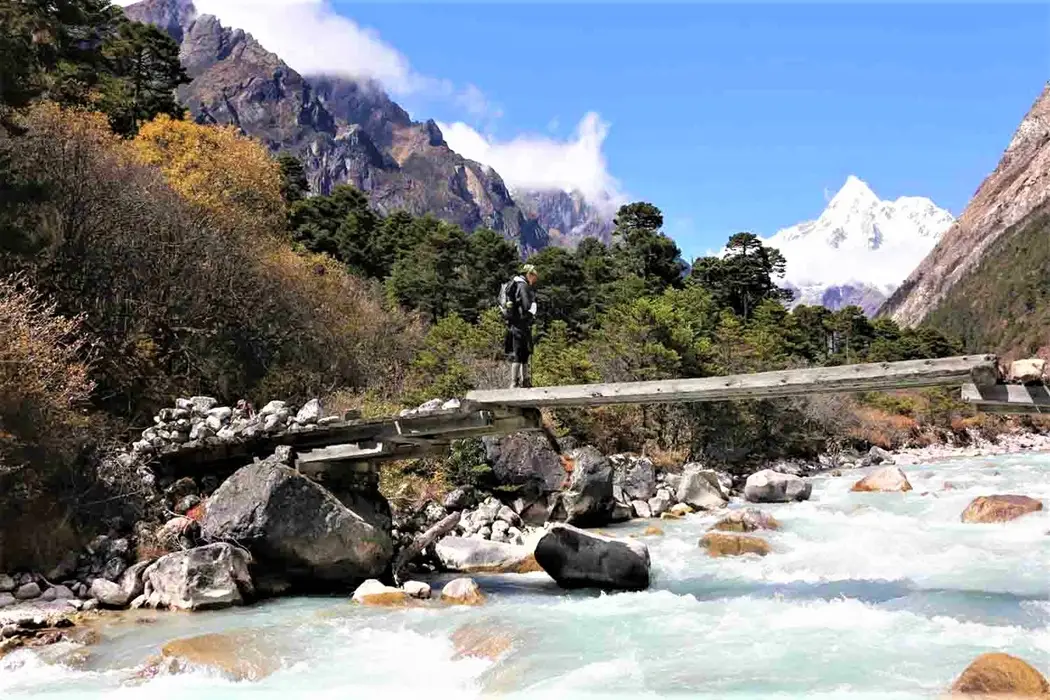
This afternoon, meet the Layap people – known for their pointed bamboo hats and distinctive dress.
Stroll around Laya’s houses, visit the local school or basic health post, and perhaps try some local yak butter tea, overnight in Laya (guesthouse or camp).
Enjoy a well-earned rest day in Laya. This is an opportunity to immerse yourself in Layap culture and recuperate from the high passes.
In the morning, visit Laya’s small Buddhist temple and learn about the community’s shamanistic traditions and beliefs.
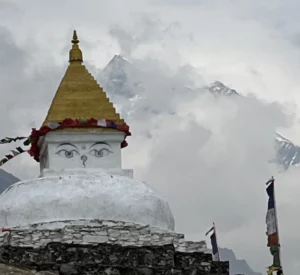
You can also witness daily life – women weaving, men tending yaks – and purchase local handicrafts like yak wool textiles.
The people here are friendly and often invite guests for a cup of ara (rice wine) or butter tea.
Tip: If your timing coincides with a local festival, you’ll see traditional Layap dances and songs.
In the afternoon, you might take a short hike to a nearby hill for a panorama of Laya and the surrounding peaks or rest with a book.
Back on the trail, leaving Laya behind. The trek continues eastward, following the Tshomo Chu river valley.
The path undulates through juniper and rhododendron, then begins a steady climb. Around midday, reach Koina, and you’ll have lunch by the river.
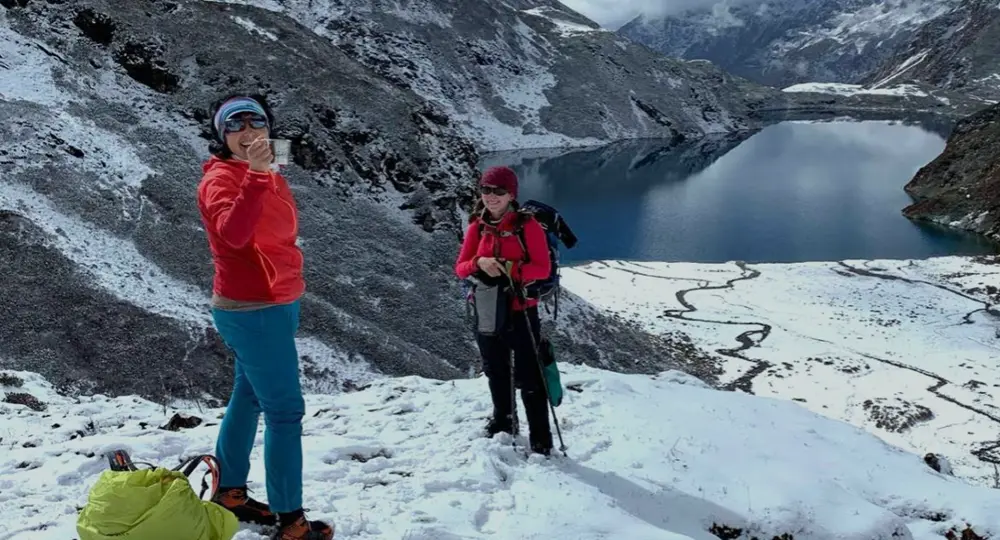
After Koina, a long ascent starts towards the high pastures of Rhoduphu – pace yourself on this ~19 km stage.
The scenery becomes more wild and remote as you gain altitude. By late afternoon, arrive at Rhoduphu camp (4,160 m) near some yak herder huts and a small lake.
Temperatures will drop here at night, so bundle up and enjoy a hot meal before bed.
Today brings you back above 4,500 m. Trek up the valley, keeping the river on your right.
After a couple of hours, you’ll sight the deep blue waters of Tsho Tshangka (Blue Lake), a sacred glacial lake.
From here, climb steeply over rocky terrain and sparse high-altitude vegetation. This strenuous segment leads to a broad open plateau – welcome to Narethang (approx. 4,900 m), one of the highest camps on the trek.
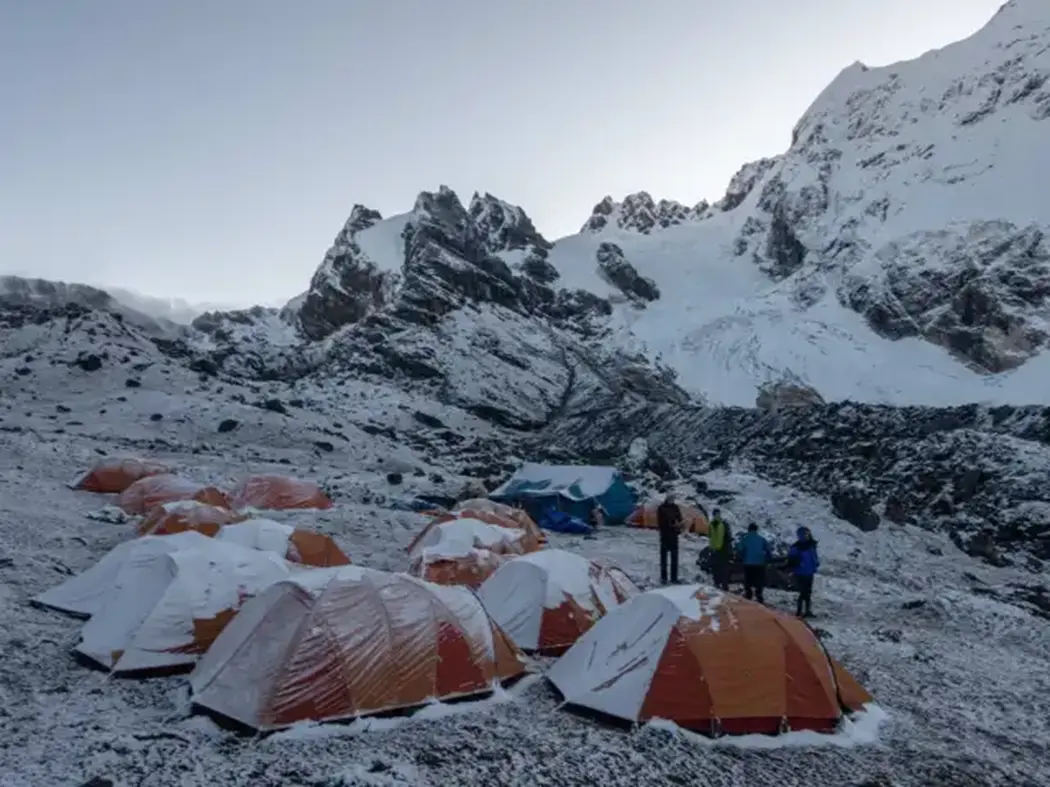
You’ll reach Narethang by early afternoon (5–6 hours trekking). The campsite grants epic views of Gangla Karchung and other 7,000 m peaks on the horizon.
Enjoy an afternoon of cocoa or tea while soaking in the endless mountain vistas.
Nights are freezing at this altitude; our crew will ensure you stay warm and comfortable.
Having conquered the high altitude at Narethang, you’ll descend a bit today – a relief for the lungs and legs.
Start by traversing a small pass or high point and then begin the descent towards Tarina.
The trail drops through alpine terrain and later through rhododendron scrub. Watch your footing on the downhill, which can be steep in sections.
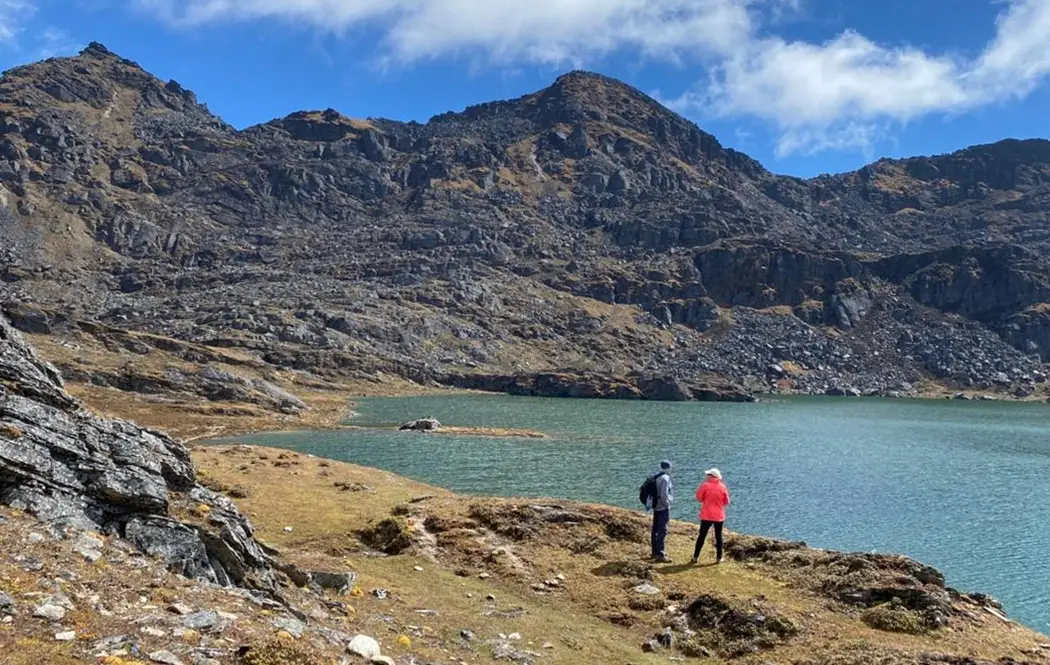
Stop by a stream or meadow for lunch. As you continue, you may cross a few mountain streams or a waterfall, depending on recent weather.
By late afternoon, arrive at Tarina (4,350 m), a lovely campsite in a wooded valley with a river.
Tarina often feels like a return to greenery after the stark high country – enjoy the relative warmth and thicker air here.
The trail from Tarina heads up the Pho Chu valley through birch and fir forests. It’s a gradual ascent most of the way, with one steeper section as you approach Woche.
Pass by yak pastures and a few Mani (prayer) walls, signaling proximity to settlements. You might meet some villagers on the trail carrying supplies by horseback.
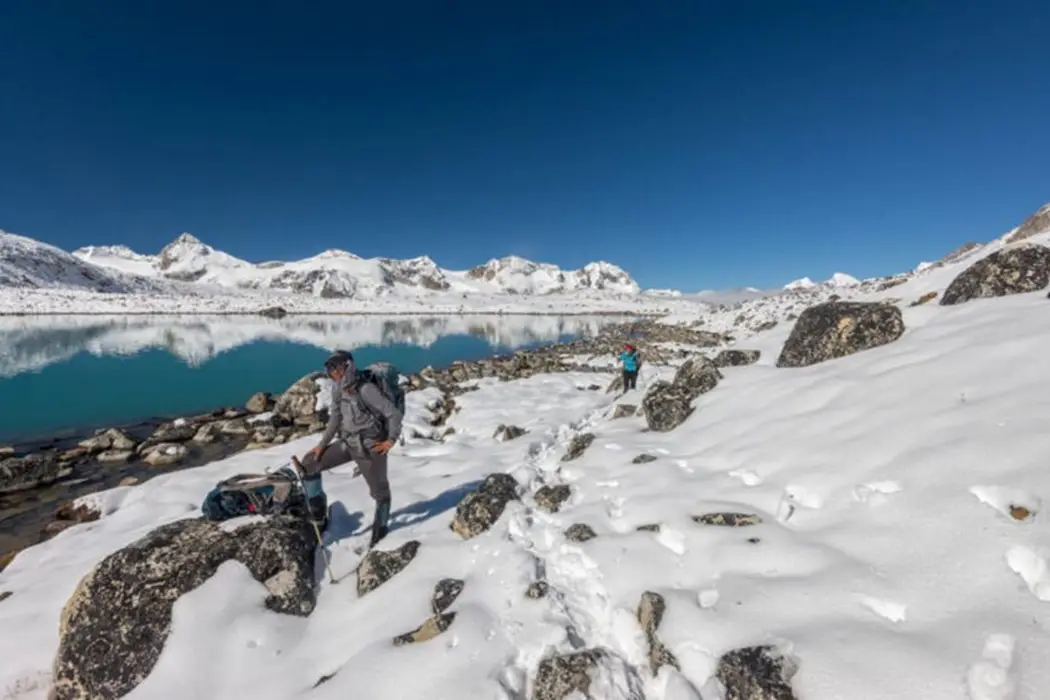
After ~6–7 hours, reach the isolated village of Woche (also spelled Wache, ~4,380 m). This small farming hamlet is one of the first in the remote Lunana region.
Set up camp near Woche or stay in a farmhouse if available. In the evening, you can interact with villagers – Lunana people have a different dialect and lifestyle, and you’ll likely be a curious novelty to them!
Depart Week, climbing briefly and then descending into a broader valley. The path crosses a river and traverses along hillsides with great views of surrounding peaks.
After about 7 hours of mixed ascents and descents, you arrive at Lhedi (3,700 m). Lhedi is a larger village near the Pho Chu’s source, with a school and basic health center.
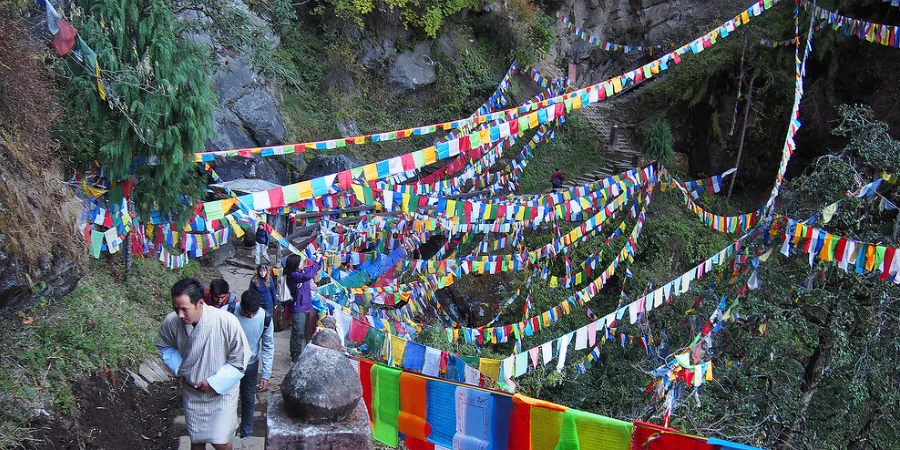
You’ll notice you’ve lost significant altitude, which makes breathing easier. Visit the local temple or chat with villagers who might be tending to buckwheat and barley fields.
Follow the river upstream from Lhedi. The trail is relatively flat until Chozo village, where an imposing dzong (fort) sits atop a hill – a rare sight in this remote area.
Afterward, a more challenging climb leads you to Thanza (4,150 m), the largest village of Lunana.
Total distance ~17 km (7–8 hours). Thanza’s location, beneath the snowcaps of Table Mountain (Zogophu) and Thanza Peak, highlights the trip.
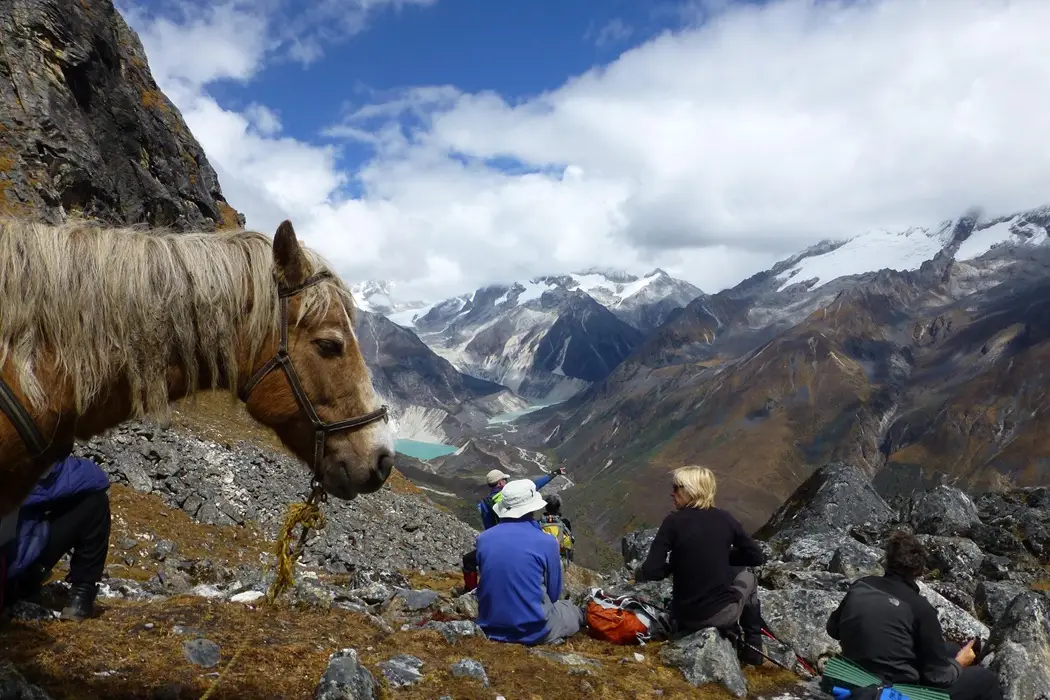
Settle into camp near the village. Despite the remoteness, you may find a pickup basketball game here – Lhedi and Thanza are known for their love of the sport!
In the evening, your guide will likely arrange a cultural exchange – you can visit a local home or enjoy traditional songs by the campfire.
A vital rest and acclimatization day before the highest passes to come. Thanza (alt. 4,150 m) is a fascinating place to explore.
Take a walking tour of the village: observe the woven black yak-hair tents used by nomadic families and see locals producing butter and cheese from yak milk.
You can also hike up a ridge for a bird’s-eye view of Thanza valley and perhaps sight Gangkhar Puensum (Bhutan’s highest mountain) in the distance.
This day helps you recharge physically and interact with Lunana’s warm-hearted people.
In the evening, there may be an informal dance performance or a joyful gathering with your trekking team to mark the journey’s halfway point.
The next segment of the trek traverses the highest altitudes of the Snowman. Leaving Thanza, climb out of the valley and say goodbye to the last sizable village.
The trail leads through a high alpine basin peppered with turquoise lakes. After a long ascent, reach Tshochena (around 5,000 m), a camp by a beautiful lake of the same name.
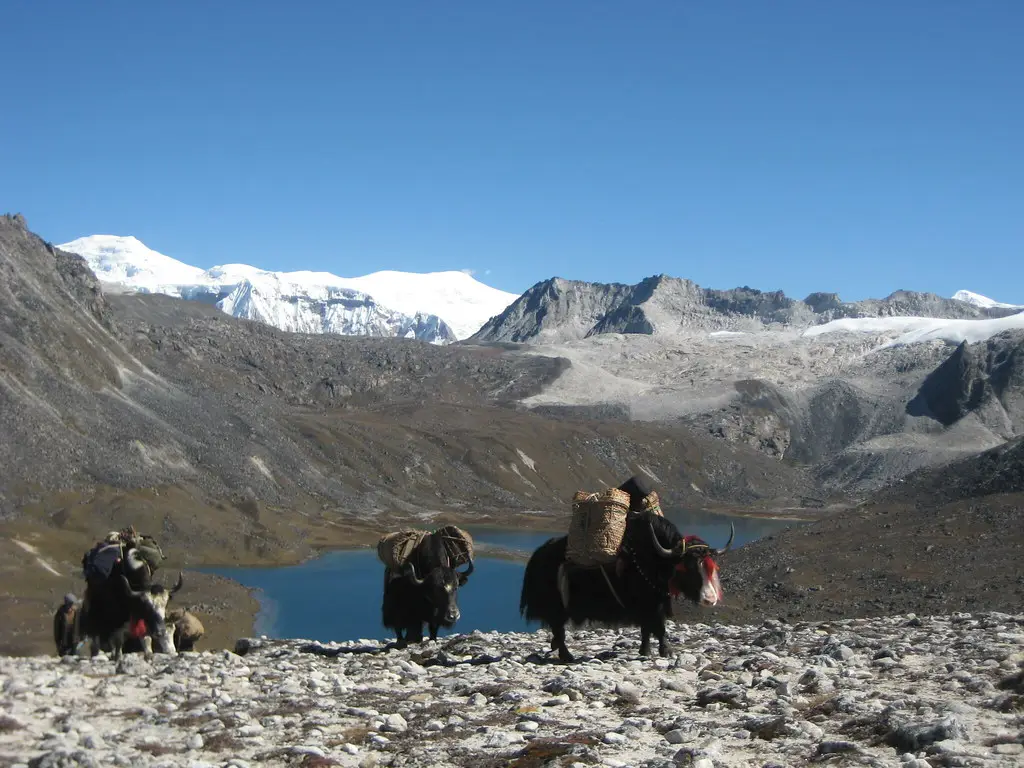
Hiking time ~7–8 hours. You’ll likely feel the thin air at this elevation – having a mild headache or fatigue is normal.
Upon arrival, rest by the lake and take in the raw grandeur of this environment. Few people ever come here outside of Snowman trekkers!
This morning, ascend a slope to a minor pass, then traverse high ridges above a valley.
The scenery is otherworldly – barren hills, glaciers in the distance, and the silence of high altitude.
Cross Loju La (around 5,150 m), marked by cairns and yak horns, then descend to a lunch spot by a small stream.
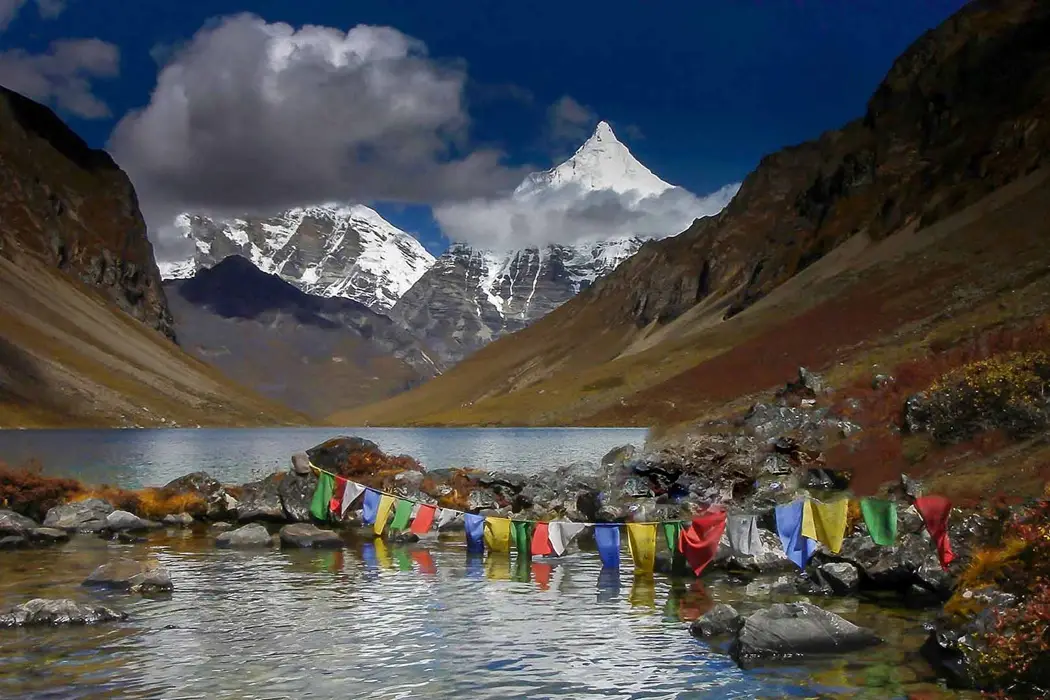
A short, steep climb in the afternoon brings you to Jichu Dramo (5,050 m), the next high camp. Total 4–5 hours, a relatively short stage to aid recovery.
Jichu Dramo is often windy and cold; our crew will prepare a warming meal and perhaps a fireside in the dining tent.
Make sure to drink plenty of water and stay warm at these elevations.
An adventurous day crossing the last great pass of the trek.
Begin with a steady climb to Rinchen Zoe La (5,320 m), the Snowman Trek’s highest point (some maps name it Tshorim La).
Reaching this pass is a triumphant moment – you stand above 5,300 m with an ocean of peaks around you, including possibly Gangkhar Puensum to the east.
Descend from Rinchen Zoe La through a rocky valley dotted with glacial lakes. Have lunch by one of the lakes, relishing your last hours in the truly high Himalaya.
The trail then winds down to Chukarpo (4,600 m), a meadow by a river. You may notice the air getting easier to breathe as you drop altitude—camp at Chukarpo.
Continue the descent trend as you leave the Lunana plateau. Trek along the river, occasionally climbing over ridges that separate parallel valleys.
The environment slowly transitions from alpine scrub back to patches of dwarf bamboo and rhododendron.
Midway, cross Thampe La (4,660 m), the final named pass of the trek, and then it’s mostly downhill.
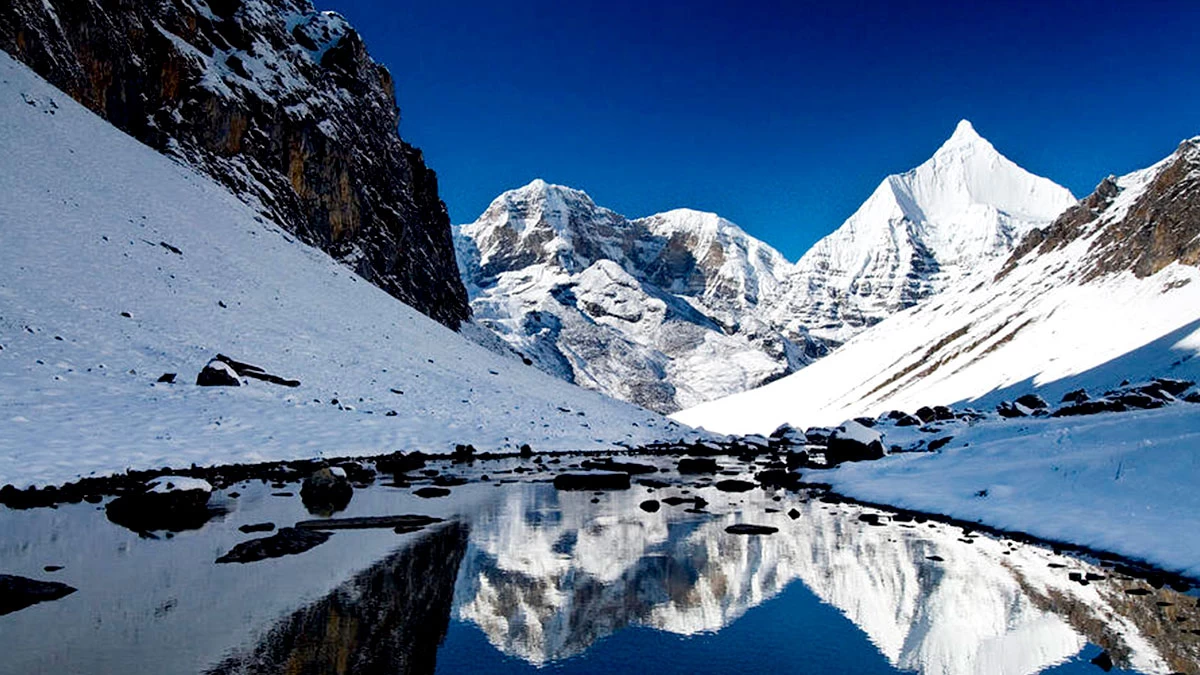
By afternoon, arrive at Thampe Tsho, a lovely high-altitude lake at 4,300 m. This will be your last night camping in the wilderness.
Enjoy the serene lake reflections of the surrounding peaks and celebrate with your crew – the most complex parts are behind you!
Start with a descent alongside the stream that drains Thampe Tsho. The trail may be slippery in places, but the altitude loss is noticeable.
You’ll drop nearly 700 m today, re-entering pine and rhododendron forests. After 5–6 hours, the path leads to Maurothang (3,610 m) in the Sephu region.
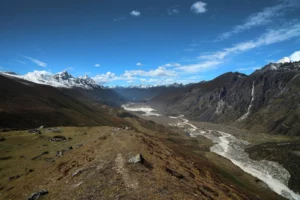
Maurothang is a yak pasture above the Nikka Chu river and often has nomadic herders camped nearby. It’s also the end of the trek trail!
Say farewell to the pack animals and crew accompanying you through the high mountains.
Tonight, camp is set in a grassy area with the comforts of a lower elevation (you might even have a chance for a campfire to celebrate).
The final trek leg is a 3–4-hour hike from Maurothang to the roadhead at Sephu.
Enjoy the easier walk-through leafy forests and villages, savoring your last moments on foot. Upon reaching Sephu (near Nikka Chhu), you’ll meet our vehicle and driver.
Congratulations – you have completed the Snowman Trek! Take a well-deserved rest during the drive to Gangtey (Phobjikha Valley), which takes ~4 hours via winding mountain roads.

Arrive in Gangtey (~3,000 m), a picturesque glacial valley known for black-necked cranes and the Gangtey Monastery.
Check in to a cozy lodge or guesthouse. In the evening, stretch your legs with a stroll through Gangtey village and perhaps visit the beautiful Gangtey Gompa monastery overlooking the valley.
After breakfast, depart Gangtey by private vehicle for Thimphu, Bhutan’s capital (drive ~3–4 hours, 135 km).
Enjoy the scenic drive as you leave the quiet Phobjikha Valley and ascend to Dochu La pass (3,100 m), where 108 chortens adorn the ridge and (on clear days) the high Himalayas are visible in the distance.

Descend into Thimphu and check in to your hotel by early afternoon. The rest of the day is free to explore Thimphu at your leisure: you can visit craft shops and cafés, or relax after the long journey.
In the evening, consider attending a traditional cultural show or enjoying a hot stone bath to soothe your muscles.
Spend a full day discovering Thimphu’s rich cultural sights. Your guide will take you to the Tashichho Dzong, the grand fortress that houses the King’s offices and monastic body – especially stunning in the morning light.
Visit the National Memorial Chorten, where locals circumambulate and pray. Next, drive up to the Buddha Dordenma, a massive golden statue overlooking the valley, for impressive views.
Learn about rural life at the Folk Heritage Museum, and browse intricate handicrafts (textiles, thangkha paintings, wood carvings) at the Government Handicrafts Emporium.
After lunch, you might stop by the Takin Reserve to see Bhutan’s national animal – the odd-looking takin.

Later, wander the bustling Centenary Farmer’s Market to see a cornucopia of local produce and mingle with shoppers.
Celebrate your journey with a farewell dinner at a traditional restaurant in the evening, reflecting on your incredible month-long adventure.
It’s time to bid goodbye to Bhutan. After breakfast, you’ll be driven ~1.5 hours to Paro Airport (55 km) for your departure flight.
Enjoy final glimpses of Bhutan’s countryside along the route – terraced fields, rivers, and villages.
If time permits before your flight, you can stop in Paro town for any last-minute shopping or to take photos.
Our team will assist with airport check-in and bid you farewell with warm Tashi Delek wishes.
Depart from Paro on your flight, carrying a lifetime of memories from the Snowman Trek and Bhutan’s Himalayan kingdom—end of trek program.
Trip Reviews
Be first to post a review in this trip.

More Trips


