1 Day

Trishuli River Rafting

Based on 2100 reviews
Trishuli River Rafting
Trip Duration 1 Day
Max-Altitude 800m
Group Size 1-15
Start & End Point Kathmandu
Trip Difficulty Easy
Best Season Spring and Autumn
Trip Price
US$ 200 Per Person

Trip Overview

Trishuli River rafting offers an unforgettable mix of adventure and natural beauty, making it one of the most sought-after activities in Nepal.

Located just a short drive from Kathmandu, the Trishuli River flows from the majestic Himalayas, providing stunning views of verdant hills, terraced fields, and traditional villages along its course.

The river features rapids graded at III/III+, striking the perfect balance between excitement and safety.

Its moderate difficulty makes it ideal for both beginners and experienced rafters, with calmer stretches that allow participants to relax and take in the serene surroundings.

Adventurers can also enjoy refreshing swims in its pristine waters, adding to the overall experience.

Whether you’re chasing the thrill of white-water rapids or the tranquility of Nepal’s scenic landscapes, Trishuli River rafting guarantees an adventure that caters to all.

Perfect for day trips or weekend escapes, it’s a must-try for anyone visiting Nepal.

Short Itinerary

Day
Itinerary
Altitude
Duration
01

Trishuli River Rafting Hourly Itinerary

30-60 minutes

Full Itinerary

Accommodation Local Teahouse
Meals Breakfast
Early Morning Departure

Kickstart your ‘Trishuli River Rafting’ adventure bright and early at 7:00 a.m. We convene at the Tourist Bus Station, just a 5-minute walk from the bustling Thamel area. This early start ensures we make the most of the day ahead.

Kali Gandaki Rafting

Scenic Drive and Breakfast Stop

After boarding, we embark on a scenic drive. Around 9:00 a.m., we’ll pause for a well-deserved breakfast break, allowing you to fuel up for the exciting activities ahead. The journey then continues towards our rafting start point.

Arrival and Safety Briefing

By approximately 11:00 a.m., we arrive at the rafting starting point. Here, our experienced guides will conduct a comprehensive safety briefing, ensuring you’re fully prepared and confident for the ‘rafting in the Trishuli River’ experience.

Thrilling Rafting Experience

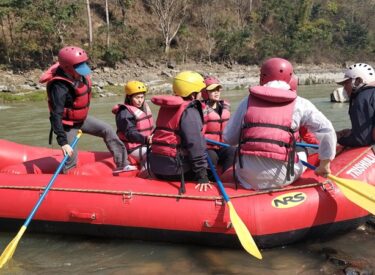
The rafting adventure begins at noon. Get ready to navigate through the exhilarating rapids of the Trishuli River until 2:00 p.m., experiencing the perfect blend of adventure and the stunning natural beauty of Nepal.

Trishuli River Rafting

Lunch and Journey to Next Destination

Post-rafting, we take a break for lunch at 2:30 p.m., giving you time to relax and share stories of your rafting experience.

After lunch, we’ll set off for your next destination, whether it’s back to Kathmandu (a 4-hour drive), the serene Pokhara (a 3-hour drive), or the wildlife-rich Chitwan (a 2-hour drive).

Price Includes

  • Round-Trip Private Transportation: Enjoy hassle-free both-way transportation by private car, ensuring a smooth start and end to your ‘Trishuli River Rafting’ adventure.
  • Complete Rafting Gear: Stay safe and comfortable with all essential rafting gear provided for your journey down the Trishuli.
  • Expert English-Speaking Guide: Benefit from the expertise of our experienced English-speaking guide, enhancing your safety and enjoyment during the rafting trip.
  • Safety Kayaker Support: For added security, a safety kayaker accompanies you, ensuring a safe and enjoyable rafting experience.
  • Included Lunch: Refuel with a delicious lunch post-rafting, a perfect complement to your adventure.
  • Photos and Videos: Capture and relive your thrilling ‘Trishuli rafting’ moments with our photo and video service.

Price Excludes

  • Travel Insurance: Not included. Ensure personal coverage for adventure activities like ‘Trishuli River Rafting’.
  • Personal Expenses: Personal laundry and beverages are not covered in the rafting package.
  • Tipping: Gratuity for guides and staff is optional and not included.
  • Additional Items: Any services or activities not mentioned in the inclusions are excluded.

Trip Information

Highlights of Trishuli River Rafting

Thrilling Rapids: Experience Grade III/III+ rapids like “Upset,” “Surprise,” “S-Bend,” and “Pin Ball,” perfect for both beginners and seasoned rafters.

Stunning Gorges: Paddle through breathtaking gorges and canyons.

Himalayan Views: Catch glimpses of the Ganesh Himal and Langtang ranges while rafting.

Lush Greenery: Enjoy the tranquil beauty of the riverbanks adorned with rich vegetation.

Traditional Villages: Pass by charming Nepalese villages along the riverbanks and observe their local lifestyle.

Delicious Cuisine: Savor Nepali meals prepared by expert guides, featuring fresh, locally-sourced ingredients.

Swimming: Relax in the calm and clear waters of the Trishuli River.

Wildlife Spotting: Observe a variety of bird species and other wildlife along the river.

Accessibility: The Trishuli River is easily accessible from both Kathmandu and Pokhara, making it a convenient choice for a short yet memorable getaway.

Bhote Koshi River Rafting

What Level of Rafting is the Trishuli River?

The Trishuli River is graded as a Grade III/III+ rafting destination, offering the perfect mix of excitement and safety for rafters of all experience levels.

The rapids, ranging from Class II to III+, make it ideal for both beginners and seasoned adventurers.

Notable rapids like “Upset,” “Surprise,” “S-Bend,” and “Pinball” provide thrilling challenges while remaining manageable for most participants.

This level of rafting makes Trishuli River rafting a popular choice for those seeking adventure in Nepal.

The calmer stretches between rapids give participants the chance to enjoy the stunning surroundings, including lush greenery and serene landscapes, while also offering opportunities for a relaxing swim.

Whether you’re new to rafting or looking for a fun challenge, rafting in the Trishuli River guarantees a memorable and accessible adventure.

Who is Trishuli River Rafting Suitable For?

Trishuli River rafting is a perfect activity for a wide range of individuals, offering excitement and scenic beauty. Here’s a closer look at who can enjoy this adventure:

Adventure Enthusiasts: If you love the outdoors and enjoy navigating through thrilling Grade III/III+ rapids, Trishuli rafting is a must-try.

Beginners: The manageable rapids and calmer sections of the Trishuli River make it an excellent choice for first-time rafters.

Families: Suitable for families with children over 8 years old, rafting in the Trishuli River provides a safe yet exciting experience for all ages.

Nature Lovers: The beautiful landscapes, wildlife spotting, and serene environment make it a dream for nature enthusiasts.

Fitness Level: A moderate fitness level is helpful for paddling. While basic swimming skills are recommended, life jackets ensure safety.

Whether you’re new to rafting or seeking a thrilling yet approachable adventure, Trishuli River rafting offers something for everyone.

What is the Distance and Time for a One-Day Trishuli River Rafting Trip?

A one-day Trishuli River rafting trip typically covers a distance of 15-20 kilometers (9-12 miles).

The duration of the trip ranges from 3 to 4 hours, depending on the river’s flow.

Monsoon Season (June-September): Faster currents reduce rafting time, making the experience more dynamic.

Dry Season (October-May): Slower currents extend the rafting time, offering a more relaxed pace.


Kali Gandaki Rafting

How Far is the Rafting Starting Point from Major Cities?

The Trishuli River rafting starting point is conveniently accessible from key locations in Nepal, making it an ideal adventure for travelers from Kathmandu, Pokhara, and Chitwan.

From Kathmandu

Distance: 47.8 miles (77 kilometers)

Drive Time: Approximately 3 hours

From Pokhara

Distance: 76.6 miles (123 kilometers)

Drive Time: Approximately 4 hours

From Chitwan

Distance: 43 miles (70 kilometers)

Drive Time: Around 3 hours

With its central location and easy access from these popular destinations, rafting in the Trishuli River is a convenient and exciting option for travelers seeking a thrilling water adventure.

What Is the Best Season for Trishuli River Rafting?

Spring (March to May) and Autumn (September to November)

Spring and autumn are considered the best seasons for Trishuli River rafting, offering moderate water levels that cater to both beginners and experienced rafters.

The weather during these months is pleasant, with comfortable temperatures and clear skies, providing the perfect backdrop for enjoying the stunning scenery along the riverbanks.

These seasons are the most popular for rafting, thanks to their ideal combination of exciting rapids and serene natural beauty.

Monsoon Season (June to August)

For those seeking a thrilling challenge, the monsoon season is an excellent choice for rafting in the Trishuli River.

The water levels rise significantly due to heavy rainfall, creating more intense and adventurous rapids.

However, rafters should be prepared for unpredictable weather, cloudy skies, and potential disruptions caused by the rainy season.

This period is best suited for experienced rafters looking to push their limits.

Winter (December to February)

Winter offers a quieter and more relaxed rafting experience on the Trishuli River, with low water levels that make the rapids less intense.

The cold temperatures and chilly water may not appeal to everyone, but for those who don’t mind the cooler conditions, the serene landscapes and peaceful riverbanks provide a unique experience.

While rafting is still possible, winter is less popular compared to the spring and autumn seasons.

Each season on the Trishuli River offers a distinct experience, making it an adventure worth considering year-round.

Trishuli River Rafting

Is Trishuli River Rafting Safe?

Yes, Trishuli River rafting is safe when proper safety measures are followed.

The river’s rapids, graded at III/III+, are thrilling yet manageable, making it suitable for both beginners and experienced rafters.

Participants are provided with high-quality safety equipment, including life jackets and helmets, which are mandatory throughout the trip.

Experienced guides ensure your safety by offering clear instructions and supervising the entire rafting experience.

All trips also include safety kayakers who are trained to assist in unexpected situations.

Additionally, the rafts and other equipment are regularly inspected and well-maintained to meet safety standards.

By following the provided guidelines, rafting in the Trishuli River is not only exciting but also a secure adventure for all skill levels.

Can a Non-Swimmer Participate in Trishuli River Rafting?

Yes, non-swimmers can safely participate in Trishuli River rafting due to the robust safety measures in place.

All participants are equipped with high-quality life jackets that provide buoyancy and keep you afloat in the water, ensuring safety at all times.

Professional guides accompany every trip, offering detailed safety instructions and assistance throughout the rafting experience.

In addition to this, trained safety personnel, such as safety kayakers, often accompany the group, ready to respond to any situation promptly.

These comprehensive safety measures make rafting in the Trishuli River a secure and enjoyable activity, even for those who cannot swim.

Can I Extend the Trishuli River Rafting Trip and Stay Overnight by the Riverside?

Yes, you can extend your Trishuli River rafting trip with an overnight stay by the riverside.

This option provides a perfect blend of adventure and relaxation, allowing you to fully enjoy the scenic beauty of the river and its surroundings.

What to Expect During an Overnight Rafting Trip

Riverside Accommodation: Stay in cozy tents set up along the riverbank or in nearby guesthouses, offering a comfortable and serene environment.

Delicious Meals: Enjoy freshly prepared meals made with local ingredients, including traditional Nepali cuisine. Barbeques and campfires can also be arranged for a special evening by the river.

More Time on the River: Cover additional distance and experience a variety of rapids, making the adventure more rewarding.

Relaxing Evenings: Unwind by the river, take a dip in the calm waters, or enjoy quality time with your group.

Stargazing: The clear night skies provide incredible opportunities for stargazing, making the overnight stay even more magical.

An overnight rafting experience on the Trishuli River is the perfect way to extend your adventure and connect with nature in a peaceful setting.

Trishuli River Rafting

What Activities Can I Combine with Trishuli River Rafting?

Combining Trishuli River rafting with other activities can make your adventure even more exhilarating and diverse. Here are some popular options to consider

Canyoning

Add a dose of thrill by exploring hidden canyons and waterfalls near the Trishuli River.

Rappel, slide, and leap into natural pools for an unforgettable experience.

Kayaking

Learn kayaking basics on the calmer sections of the Trishuli River or test your skills on the rapids.
Equipment and instructors are available for a safe and enjoyable time.

What to Pack for Trishuli River Rafting?

Packing for a Trishuli River rafting trip requires balancing essentials for the rafting adventure and comfort for time spent off the water.

Here’s a comprehensive packing list to ensure a hassle-free and enjoyable experience:

Essentials for Rafting

Swimwear: A swimsuit or board shorts to wear under your wetsuit or on warmer days.

Quick-Drying Clothes: Lightweight t-shirts, shorts, and pants that dry quickly after getting wet.

Water Shoes or Sandals: Sturdy footwear that provides a good grip and can handle wet surfaces.

Warm Layers: A fleece jacket or sweater for cooler mornings, evenings, or winter months.

Sunscreen: High SPF sunscreen to protect your skin from the sun’s harsh rays.

Sunglasses: Polarized sunglasses with a secure strap to reduce glare and protect your eyes.

Hat: A wide-brimmed hat or cap for added sun protection.

Dry Bag: A waterproof bag to keep valuables like your phone, wallet, and camera safe and dry.

Towel: A quick-drying towel for drying off after your rafting adventure.

Where Can You Go After Trishuli River Rafting?

Why Should You Visit Pokhara After Trishuli River Rafting?

Pokhara, just a 3.5-hour drive from the Trishuli River, is an adventure and relaxation hub.

Known as the gateway to the Annapurna region, this vibrant city offers thrilling activities like paragliding over Phewa Lake, zip-lining, and exploring the captivating Davis Falls and Gupteshwor Cave.

You can also take a boat ride on the serene Phewa Lake or hike to the World Peace Pagoda for panoramic Himalayan views.

Pokhara’s lakeside cafes and vibrant atmosphere make it a perfect destination for unwinding after your rafting adventure.

Pokhara's Phewa Lake: Where Mountains Reflect in Tranquil Waters.

Why is Chitwan National Park a Perfect Destination After Rafting?

Chitwan National Park, located just 2.5 hours from the Trishuli River, is a must-visit for nature and wildlife lovers.

This UNESCO World Heritage site offers thrilling jungle safaris, canoe rides on the Rapti River, and cultural experiences like Tharu dance performances.

During your safari, you may spot rhinos, Bengal tigers, and elephants in their natural habitat.

For bird watchers, Chitwan is home to over 500 species of birds.

After the adrenaline of rafting, Chitwan’s serene wilderness offers a peaceful yet exciting escape.

Why Should You Visit Bandipur After Trishuli River Rafting?

Bandipur, a charming hilltop town just 2 hours away, is perfect for travelers seeking a blend of culture and relaxation.

Known for its well-preserved Newari architecture, Bandipur offers breathtaking Himalayan views, peaceful hiking trails, and vibrant local culture.

Take a leisurely walk through its quaint streets, enjoy a cup of local tea at a cozy café, or hike to nearby viewpoints for stunning vistas.

Bandipur is an ideal spot to unwind and soak in Nepal’s heritage after a rafting adventure.

Why is Nuwakot a Great Stop After Trishuli Rafting?

Nuwakot, just 1.5 hours from the Trishuli River, is a historic gem offering a glimpse into Nepal’s rich past.

Visit the Nuwakot Durbar, an ancient palace with fascinating architecture and stunning views of the surrounding hills.

The area is also home to quaint villages where you can immerse yourself in local culture and learn about traditional lifestyles.

Nuwakot’s serene atmosphere and cultural significance make it a rewarding stop after rafting.

Chainpur Village Homestay Tour Farm

Why Visit Gorkha After Trishuli River Rafting?

Gorkha, about an hour from the rafting site, is the historical birthplace of Nepal’s unification.

The Gorkha Durbar, perched on a hilltop, provides panoramic views of the surrounding mountains and valleys.

Explore the palace complex, visit the Gorakhnath Temple, and dive into the history of the Shah dynasty.

Gorkha is perfect for those interested in Nepal’s history and stunning mountain landscapes.

What Makes the Manakamana Temple a Unique Visit After Rafting?

The Manakamana Temple, located just 1.5 hours away, is a significant Hindu pilgrimage site.

Reached via a thrilling cable car ride, the temple offers stunning views of the Trishuli River and lush green hills.

Visitors can offer prayers, explore the serene temple grounds, and enjoy the peaceful atmosphere.

It’s an excellent destination for those seeking a spiritual and scenic experience.

Why Should You Visit Kathmandu After Trishuli River Rafting?

For travelers returning to Kathmandu after their rafting adventure, the city offers a perfect blend of culture, history, and relaxation.

Explore UNESCO World Heritage sites such as Swayambhunath (Monkey Temple), Boudhanath Stupa, and Pashupatinath Temple.

Dive into the vibrant streets of Thamel for last-minute souvenir shopping or relax in one of its cozy cafes.

Kathmandu is also home to the historic Durbar Squares of Kathmandu, Patan, and Bhaktapur, each showcasing intricate architecture and a rich history.

If you’re flying out of Nepal, Kathmandu provides a convenient and enriching conclusion to your adventure.

Frequently Asked Questions

The Trishuli River features Grade III/III+ rapids, making it suitable for beginners as well as seasoned rafters.

The rapids, such as “Upset” and “Surprise,” provide thrilling yet manageable challenges, while the calmer stretches offer relaxation and scenic views.

Yes, the Trishuli River is an excellent choice for beginners. With moderate rapids and professional guides, it provides a safe and exciting experience for those new to rafting. The calmer sections also allow you to enjoy the surrounding beauty.

The best seasons for rafting are spring (March to May) and autumn (September to November) when water levels are moderate, and the weather is pleasant.

For thrill-seekers, the monsoon season (June to August) offers more intense rapids, while winter (December to February) provides a quieter and more relaxed experience.

Yes, you can combine rafting with activities like canyoning, kayaking, and hiking to nearby villages.

Destinations like Pokhara, Chitwan National Park, and Bandipur offer additional adventures, cultural experiences, and opportunities to relax.

Trishuli River rafting is highly safe when proper measures are followed. Participants are provided with high-quality safety equipment, including life jackets and helmets.

Professional guides offer instructions and supervision, and safety kayakers accompany groups for added security.

Pack essentials like swimwear, quick-drying clothes, sturdy water shoes, a fleece jacket for cooler weather, sunscreen, polarized sunglasses with a strap, and a dry bag for valuables.

A quick-drying towel is also recommended for post-rafting use.

A typical one-day Trishuli River rafting trip covers 15-20 kilometers and takes approximately 3-4 hours, depending on the river’s flow.

Extended trips with overnight camping by the riverside are also available for a more immersive experience.

Trip Reviews

Be first to post a review in this trip.