
14 Days
Difficult

Kailash Mansarovar Yatra FAQs give you quick answers about routes, costs, permits, and safety steps.
This short guide covers the essential details to confidently prepare for your pilgrimage.
You will find the most stable weather from mid-April through late September. April, May, June, and September often bring clear views and moderate temperatures. July and August can include light rain and fog because they fall in the monsoon period.
Winter travel from November through March is risky due to ice and heavy snowfall. Many travelers also plan visits during the Saga Dawa Festival (often in May or June) for an extra spiritual emphasis.
In Tibetan tradition, the Horse Year (next in 2026) and the Goat Year (following in 2027) are considered favorable for making the Kora.

From Nepal, you can travel overland through Kyirong, fly to Lhasa, and drive through Shigatse, or combine a flight to Simikot with a trek.
The Ministry of External Affairs offers two main routes from India: Lipulekh Pass in Nepal (trek-based) and Nathu La Pass in Sikkim (mostly road-based).
Private operators also provide helicopter services from Lucknow, Kathmandu, or Nepalgunj, as well as overland options via Lhasa or Ali.
The length depends on your route. A VIP helicopter option can take three days, while the Lipulekh Pass route can last up to 24 days. Overland routes usually span 10 to 14 days. Helicopter-based trips often last 9 to 12 days.
Costs vary by route, transport mode, and operator. Indian travelers might spend 1.5 lakh INR to over 5.20 lakh INR (excluding GST). Packages starting in the USA can range from around $1,450 to more than $4,125 per person.
You must go through a registered tour operator because independent travel in the Tibet Autonomous Region is prohibited. Indian citizens may also join the official Yatra run by the Ministry of External Affairs. An established operator can help you plan permits, logistics, and safety measures.
Packages usually cover lodging, vegetarian meals, regional transport, guides, support staff, and help with required permits. Some packages also include medical support, such as oxygen during high-altitude treks. Higher-priced packages may provide better accommodations or additional services. Always check inclusions and exclusions before booking.
Remote areas offer basic guesthouses, monastery accommodations, tents, or budget hotels. Towns like Saga, Burang, or Darchen have hotels that offer modest comforts, but near Mansarovar Lake, expect tents or straightforward rooms. In some group trips, shared lodging is standard and helps leaders check for altitude sickness.
You will receive simple vegetarian meals meant to keep you healthy at altitude. Most operators include South Indian, North Indian, and some Western dishes. Jain meals—cooked without onion or garlic—are also common. On travel days, many operators provide packed lunches.
Operators usually supply sealed bottled water because local water sources may carry health risks. Some travelers bring tablets or small purifiers as backups.
You can exchange US dollars in the Tibet Autonomous Region, but exchange rates might be less favorable. Some people prefer exchanging currency in Nepal or their home country before traveling.
Cellular networks remain unpredictable in the Kailash region, and internet access may be slow or absent. You may have coverage in some towns, but it often drops out during the trek.
Bring layers of warm clothing, thermal undergarments, waterproof trekking boots, a woolen cap, gloves, face coverings (for dust), a walking stick, sunscreen, sunglasses, and a first-aid kit. Carry personal medications, including any prescriptions.
Allow your body to adjust gradually. Many itineraries include rest days at moderate elevations. Drink plenty of fluids, eat properly, and rest often. Try to avoid quick ascents. Some participants also find yoga and meditation helpful.
Yes. High altitude (13,000 to over 19,500 feet), thin air, steep slopes, long walking distances, and shifting weather create a demanding trip. Those in good shape and with high-altitude trekking experience often adjust more quickly.
A moderate level of health and fitness is needed. Regular exercise and activities like jogging, yoga, or brisk walking help prepare your heart and lungs. People over 70 or those with conditions such as asthma or COPD should seek medical advice before booking.
Many operators set an age range of 18 to 70. The Indian government sometimes places it from 10 to 70 for its official Yatra. Some private tour providers allow older foreign passport holders, but they often request recent medical exams.
You must have a valid passport (for government or private tours), meet the age requirement (often 18 to 70), maintain a BMI below a certain level (for instance, below 27 for the Indian government’s program), and show physical and mental readiness.
Central heart or lung issues create serious risks at high altitudes. Operators advise against travel for people with asthma, COPD, or recent cardiac problems. Consult a doctor if you have chronic conditions.

You will need a valid passport with at least six months of validity, passport-sized photos, completed registration forms for the official Yatra (if applicable), medical clearances, and possibly a waiver form. Operators also require a digital copy of your passport for visa applications.
Yes. The Tibet Autonomous Region lies in China, so travelers need a Chinese group visa. This visa often replaces existing Chinese visas for the trip. Non-Indian participants may also require a Nepal visa if they go through Kathmandu.
Tour operators coordinate most applications. Indian citizens who apply for the official Yatra work through the Ministry of External Affairs. If you are a foreign national, your operator typically manages the process for a group visa.
Beyond the group visa, you will need a Tibet Travel Permit. The Alien’s Travel Permit and a Military Area Entry Permit may also apply in restricted zones. Your tour operator usually handles these applications.
A Chinese group visa can take three to five working days once all the paperwork is ready. The Tibet Travel Permit may take a week or more. Getting other permits can push the process to about three or four weeks. Start early to avoid delays.

You can register online at kmy.gov.in. You must meet specific requirements (age range, BMI below 27). A computerized draw selects participants. Those chosen receive notices through email or text. They must then clear medical checks in Delhi.
You should book through a private tour agency and secure the required Chinese group visa. You might also need a Nepal visa if you plan to go via Kathmandu. Your operator can guide you on these steps.
High altitudes and thin air (sometimes up to 19,500 feet) make it challenging. You may face steep ascents or descents and long daily walks during the Kora around Mount Kailash.
Common signs include headache, nausea, dizziness, fatigue, or loss of appetite. To manage these, rest, hydrate, and descend if symptoms worsen. Report any problems to your guide right away.

Undergo a full physical check with your doctor. Carry all personal prescriptions and a small kit for common ailments. Maintain proper hygiene, eat enough, stay hydrated, and sleep well. If you notice any discomfort, tell your tour leader immediately.
You can find essential emergency services, including possible evacuation if needed. Severe cases may require helicopter rescue, especially for advanced altitude illness. Clinics in remote parts of Tibet offer limited care, so operators encourage quick transfer to more significant facilities if severe issues arise.
Most tour groups insist on full coverage, including medical care and air evacuation. Medical or evacuations can be very expensive in these remote regions, so check that your policy covers trekking at high elevations.
Facilities remain basic, especially during the Kora. You will often use common restrooms or simple pit toilets. Bring items like hand sanitizer, wet wipes, and toilet paper. Towns such as Saga, Taklakot, or Darchen offer slightly better restrooms and showers but expect simple conditions overall.
Walk at a steady pace, stay near your group, and follow your guide’s instructions. Dress warmly because the weather can change quickly. Trekking poles help you balance on steep or uneven paths. Carry enough water and high-energy snacks.

Yes. The high altitude and harsh environment can test you physically and mentally. Many people practice meditation or prayer to remain calm and focused. A positive mindset can help you cope with the trek’s demands.
Mount Kailash and Lake Mansarovar are sacred to Hindus, Buddhists, Jains, and Bon practitioners. Dress modestly, seek permission before taking photos, and keep noise levels low. Most visitors perform the Mount Kailash Kora in a clockwise direction, though Bon followers do the opposite.
Carry your trash until you find a proper bin. Stay on established trails to protect vegetation. Conserve water in dry areas and support local communities through ethical spending. Small, responsible choices preserve this sacred region for future visitors.
It refers to a circular walk around Mount Kailash. Devotees from several faiths (Hindu, Buddhist, Jain, and Bon) believe this act washes away past misdeeds and brings spiritual blessings. Most follow the clockwise path, but Bon adherents circle it counter-clockwise.
It covers roughly 52 to 54 kilometers. Many pilgrims complete it on foot in about three days. Some roads let vehicles drop travelers closer to the start and pick them up near the finish, reducing the walking distance to about 38 kilometers.
Yes. The path crosses Dolma La Pass at about 5,943 meters (over 19,500 feet). This section involves a steep climb and descent in thin air. Adequate fitness and altitude acclimatization help reduce strain.

Yes. You can hire a horse with a handler for around $550. Porters may cost around $160 to carry extra bags. Arrange this with your tour guide before starting the Parikrama to avoid last-minute complications.
You will sleep in simple guesthouses or tents. Heating, bedding, and washrooms remain limited. Meals usually contain essential vegetarian dishes to nourish you during the long walk. Some people bring their own quick snacks or energy bars.
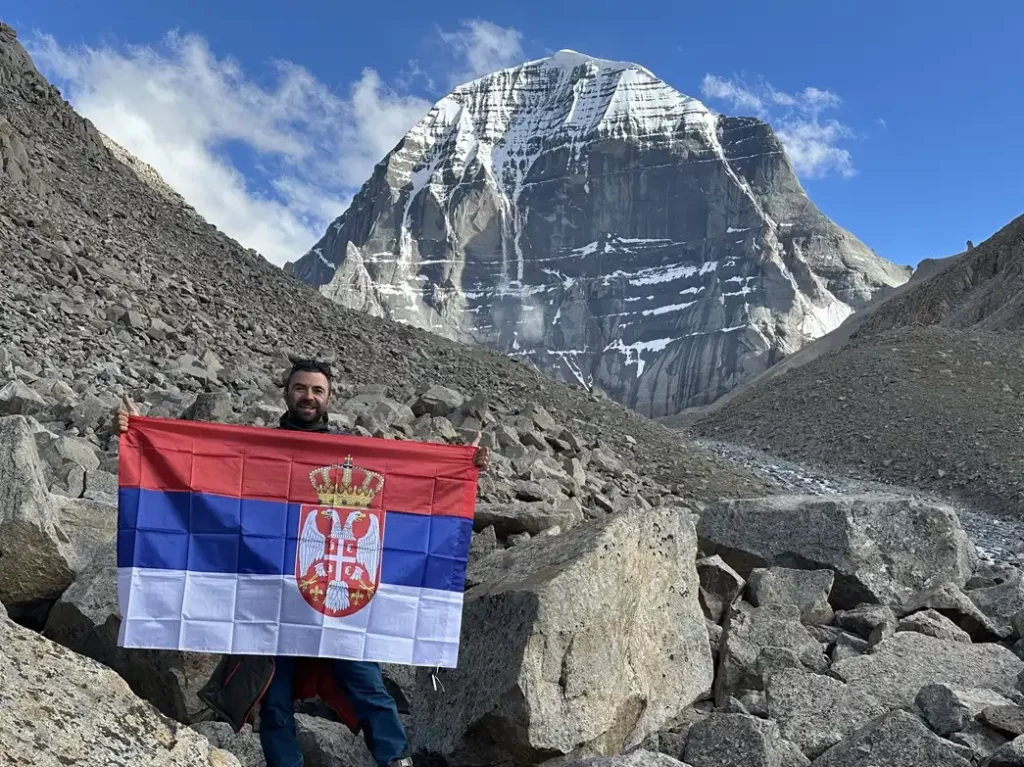
Travelers often begin at Yama Dwar, viewed as a symbolic entry point. Many pause at Diraphuk for a close look at Kailash’s north face. Dolma La Pass stands as the highest point. After the pass, you may spot Gauri Kund Lake before stopping at Zuthulphuk near the end of the route.
It is a shorter path that leads closer to Mount Kailash. Local belief says you should finish 13 outer Koras before attempting the Inner route. This variation crosses steep terrain and sits at higher altitudes, demanding more stamina and experience.
Travelers head to the base of Mount Kailash’s south face. They aim to touch the rock at that spot. Most treat it as a separate activity requiring extra effort and time. Some operators offer this as an add-on.

No. Authorities do not grant permission, and local beliefs forbid summiting this sacred peak. Many devotees see the mountain as a spiritual axis that must remain untouched.
Yes. Some operators arrange helicopter trips to view Kailash and Mansarovar from the air. Weather issues often cause cancellations or delays, and altitude sickness can arise from a fast ascent. These tours cost more than overland journeys.
They believe Kailash is the home of Lord Shiva and Goddess Parvati. Devotees see it as a path toward spiritual freedom. Many Hindus view it as the central axis of the universe.
They call it Kangri Rinpoche, or “Precious Snow Mountain.” It represents the sacred home of Buddha Demchok. Buddhists believe the Kora leads to the deep purification of past deeds.

They call it Ashtapada and honor it, where Rishabhadeva, the first Tirthankara, achieved liberation. Jains see it as a paramount site connected to the end of the rebirth cycle.
They call it Tise and see it as the seat of the sky goddess Sipaimen. It was the main spiritual center of the ancient Zhang Zhung civilization. Bon devotees circle the peak in a counter-clockwise direction.
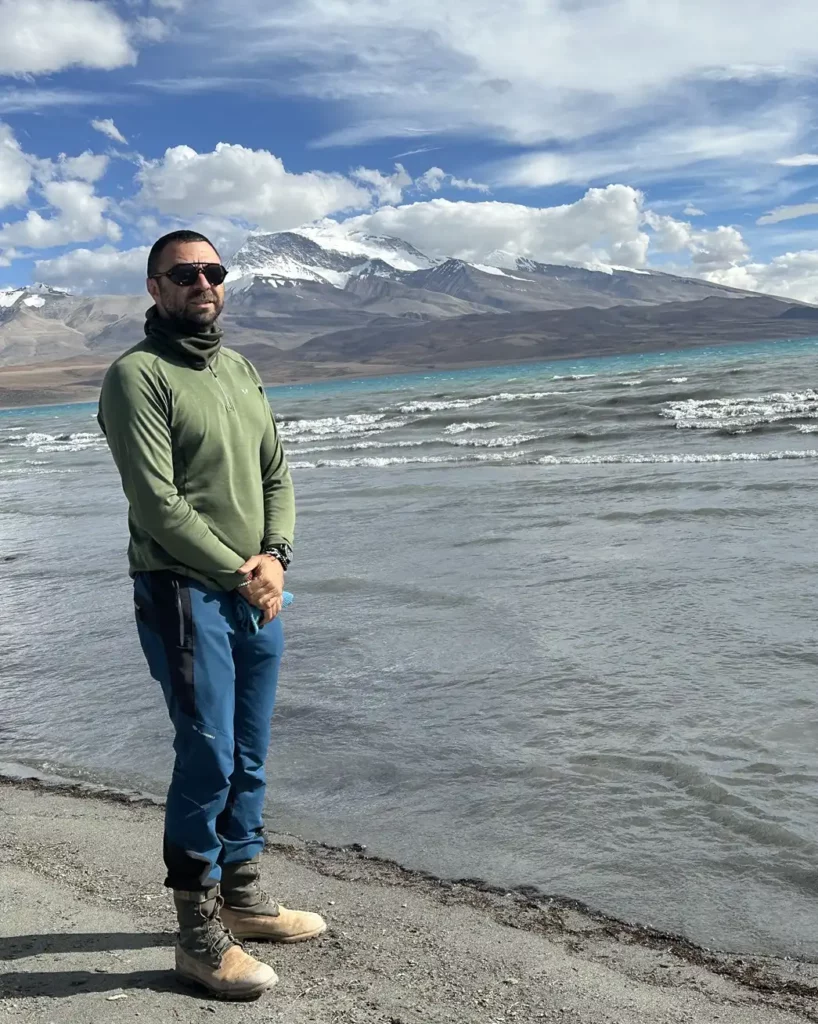
Faiths in this region value it as a pure and holy source of spiritual merit. Many say Lord Brahma formed it in his mind before placing it on Earth. The lake’s waters feed significant rivers like the Indus, Sutlej, Brahmaputra, and Karnali.


