

14 Days
Moderate
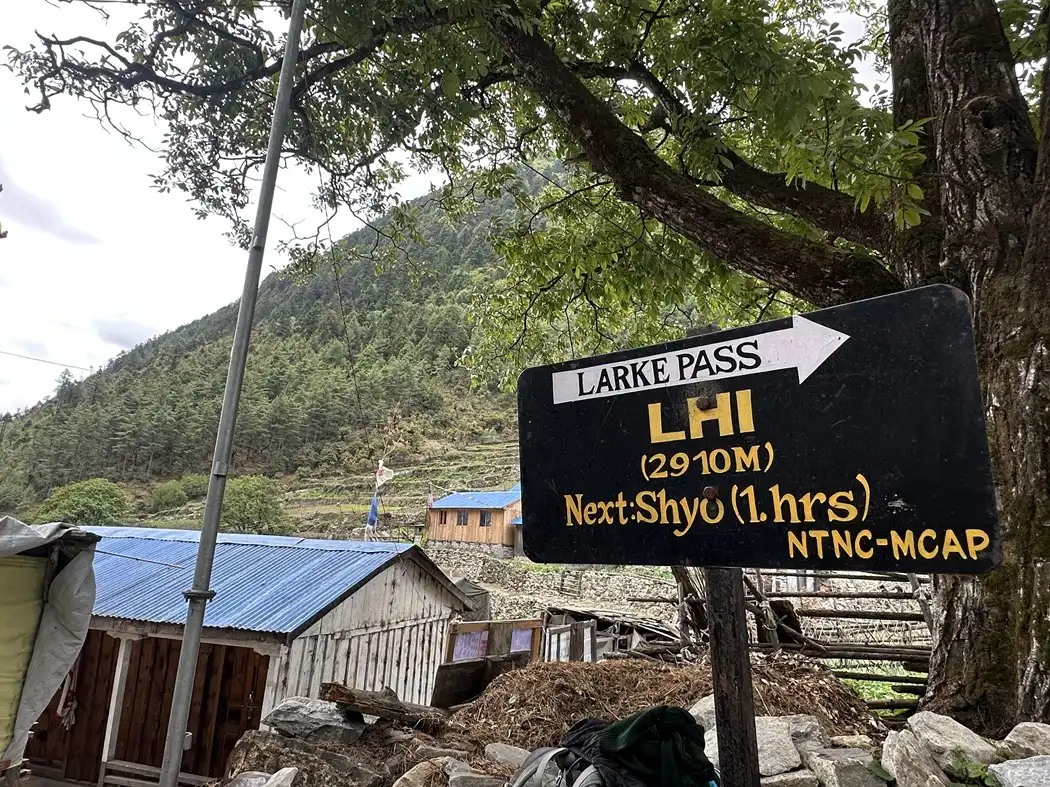
Moving from the calm riverbank of Ghap to the high beauty of Li Gaon is a key part of the Manaslu Circuit Trek. Today, you go beyond 2,900 m. You enter the heart of Nubri culture.
You get your first clear view of Mount Manaslu’s massive twin peaks. The 10 km path connects stunning gorges, terraced barley fields, and many monasteries. This makes the walk feel like a living garden of faith.
Morning moisture crystallises on pine needles outside your lodge window, hinting at the current altitude. Guide the top flasks with ginger and lemon. Also, remind everyone to tighten their boot laces.
Today’s plan for the Manaslu trek includes gradual climbs instead of one big wall. However, keeping a steady pace is still very important. With head torches dimmed and packs cinched, you leave Ghap’s kani gate, following the Budhi Gandaki while steam rises off its steel-blue surface.

In fifteen minutes, the path crosses a creaking wooden bridge. It is made with iron rebar and cedar branches. The bridge looks old, but it is newer than it seems. It still keeps a medieval style. On the far bank, mossy boulders glisten with emerald; lichen-dripped firs rise like pillars in a silent cathedral.
The faint barrel-roll call of Himalayan Monal roosters echoes overhead—a daily forest overture.
Trail tip: Stretch calves during the first climb out of the river basin. The grade steepens quickly and warmed muscles spare knees for the higher switchbacks.
A stone staircase hewn into shale swings above a canyon where the Budhi Gandaki froths through tea-green pools. Overhead, prayer flags cross the gorge. Villagers tie them to the cliffs as offerings.
Every gust of wind carries their mantras downstream. Under one of these colourful canopies, you see Rana. It is a small village with two homes and a water-powered grain mill. The mill still grinds roasted barley (tsampa) with rhythmic thuds from wooden beams.
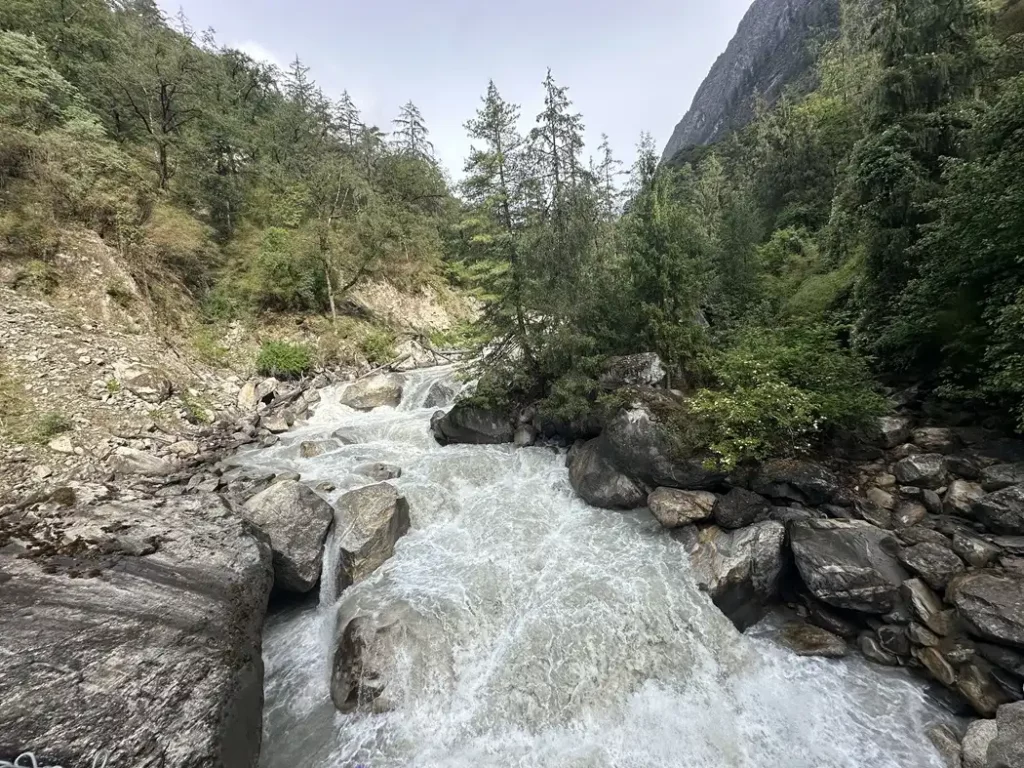
The theme of nature and devotion is clear on the Manaslu circuit trek. The river powers mills, and the wind spins flags. Both actions create merit in Buddhist beliefs. Snap a quick photo, then climb on as the staircase funnels into dripping bamboo tunnels that smell faintly of fresh ginger.
Two hours from Ghap, the conifer canopy thins; maple and birch stand out with white bark and golden leaves (October trekkers rejoice). Look for musk-deer tracks—tiny Figure-8 impressions—pressed into damp leaf litter. Overhead, Lammergeier vultures surf thermals, wings casting momentary eclipses on the path.
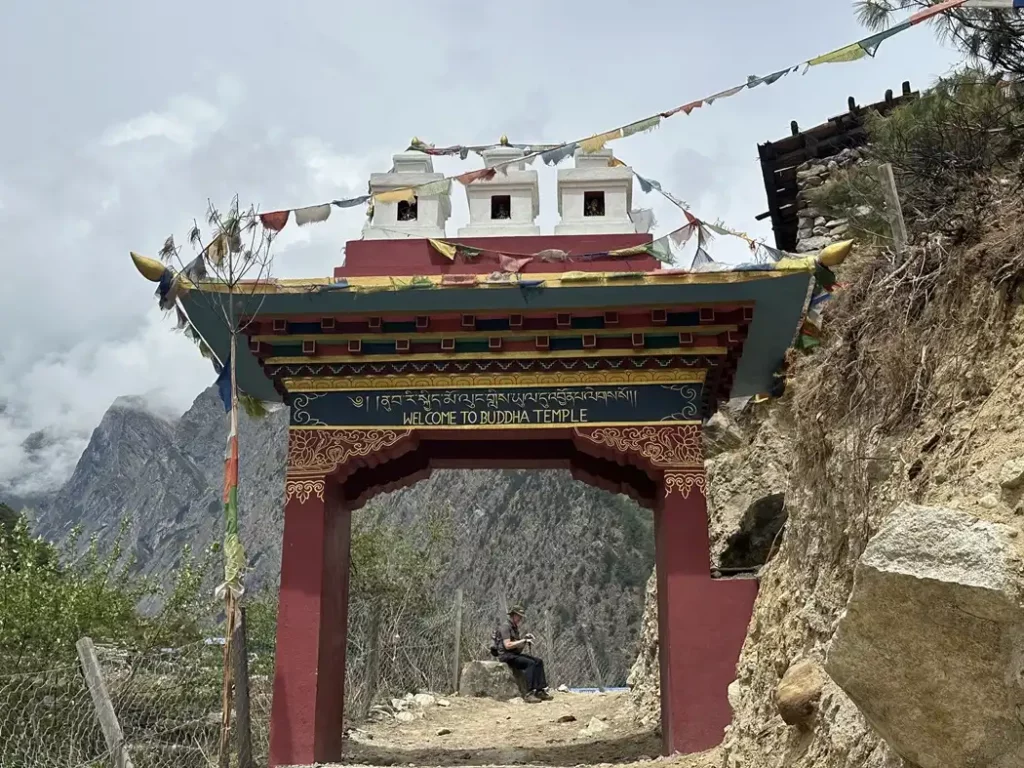
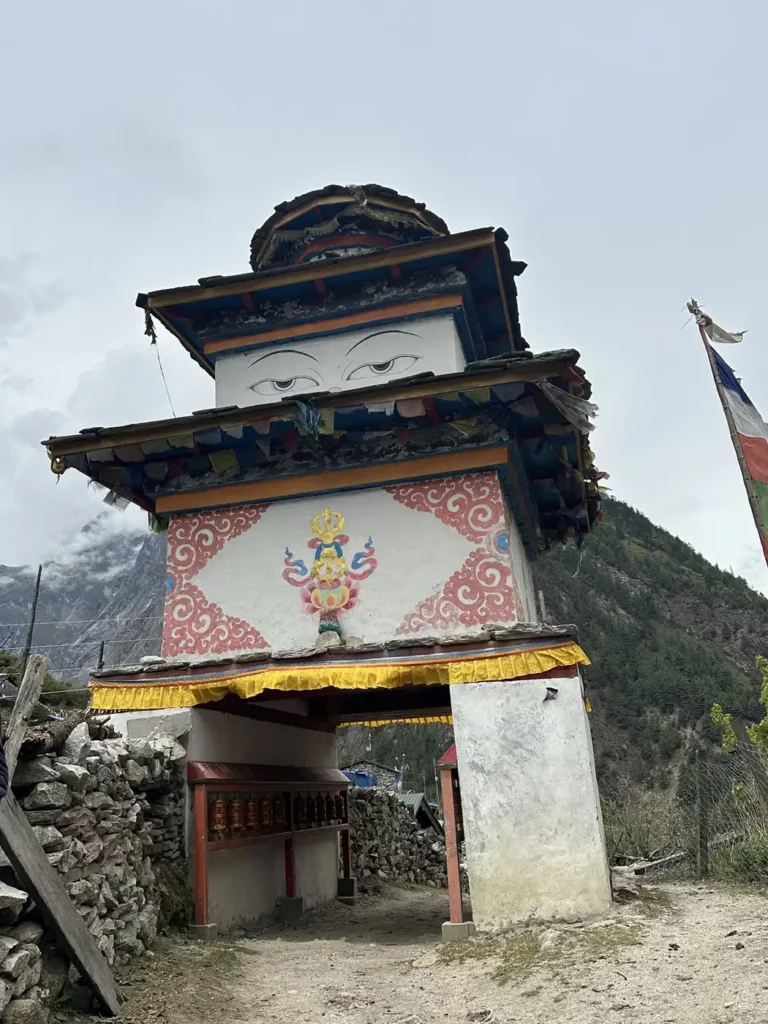
Namrung’s stone chorten gate appears suddenly. Its lintel is carved with eight lucky symbols. New guesthouses with solar panels are nearby. This shows that Manaslu trekking brings in money and visitors.
Handover permits are at the MCA desk (friendly but thorough), and slide packs are placed under a shaded terrace for lunch. Popular orders:
Buckwheat rosti topped with yak cheese.
Garlic soup—high-altitude secret weapon.
Thermos refilled with icy spring water; locals boast that “Namrung” means “100 springs.”
Nutrition note: Aim for 60 g of carbohydrates at this meal—potatoes, rice, or buckwheat—to fuel the 275 m climb ahead.
Artisan Stonework Mani slabs display deep-relief script, red pigment protected under wooden eaves.
Economic Shift Wi-Fi vouchers (NPR 400/MB) are now standard, signalling Namrung’s role as a mini-hub.
Monastic Link: A small nunnery up the side of the valley invites polite visitors; ask your guide first.
Exiting Namrung, the trail threads between barley terraces trimmed with stone walls. Children herd fluffy, long-tailed sheep toward threshing floors where elders beat grain with wooden flails—centuries-old choreography.
Beyond the last house, the spruce forest starts again. The valley suddenly gets wider. Sunlight fills the trail, and distant snowy peaks shine for the first time today.
Banjam’s handful of homes host three freshly whitewashed stupas. Each stupa’s dome is butter-cream smooth, but the harmonica (the square “head”) glows saffron under the midday sun.
Local legend says Guru Rinpoche blessed this knoll, promising safe passage for future pilgrims. Pause here for water and the hush of prayer flags snapping overhead.
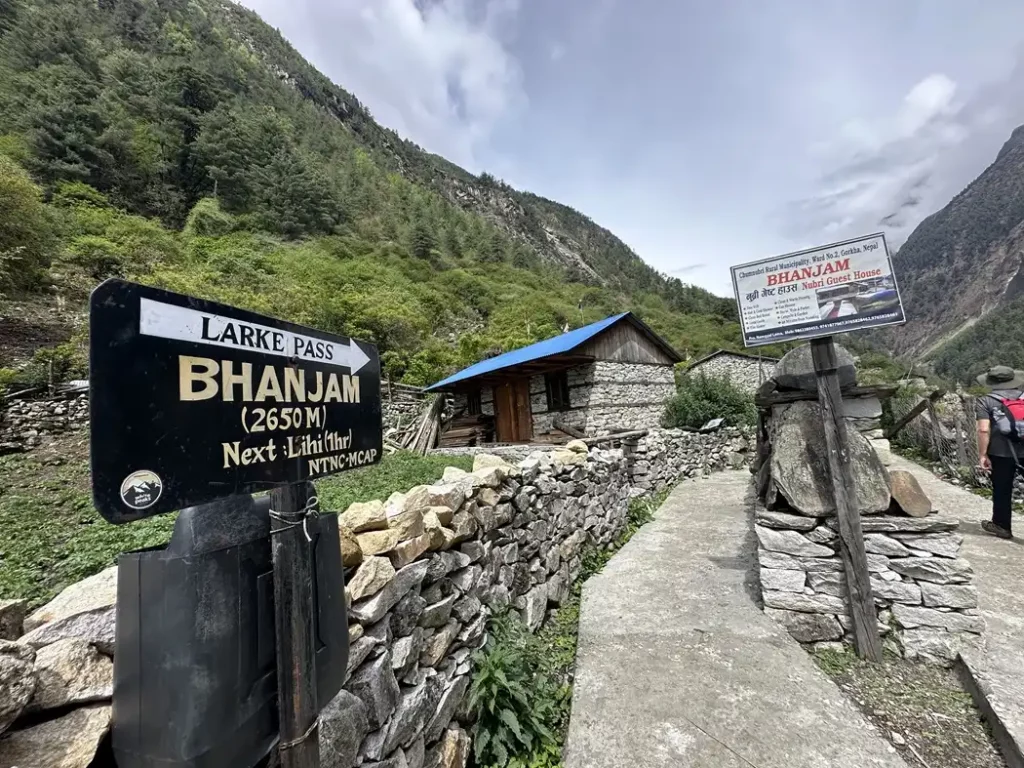
Fifteen minutes later, you crest Lihi (2,900 m). Maps and blogs often confuse Lihi with Li Gaon (Lhi). Remember: Lihi is first, sitting on a sunny shoulder. Li Gaon comes after you drop into a ravine.
Then, cross the Hinang Khola and climb 150 meters to a wider shelf. The double names trace to dialect overlaps—Lhi in old Nubri corresponds to Lihi in Nepali cartography.
Up the Hinang valley (2 hrs return) lies Hinang Gompa and a glacier viewpoint. Suppose your itinerary allows an extra acclimatisation evening; the detour gifts blue-ice panoramas and near-solitude. Otherwise, continue toward Li Gaon—your beds, barley-scented breezes, and first unrestricted Manaslu sight lines await.
The trail descends into a fern-lined gorge where the Hinang Khola hurls over polished granite, splitting into spray fans. A strong suspension bridge crosses the rushing water. Prayer flags wave at eye level with the rainbow mist from the waterfall. Photographers, keep your cameras ready.
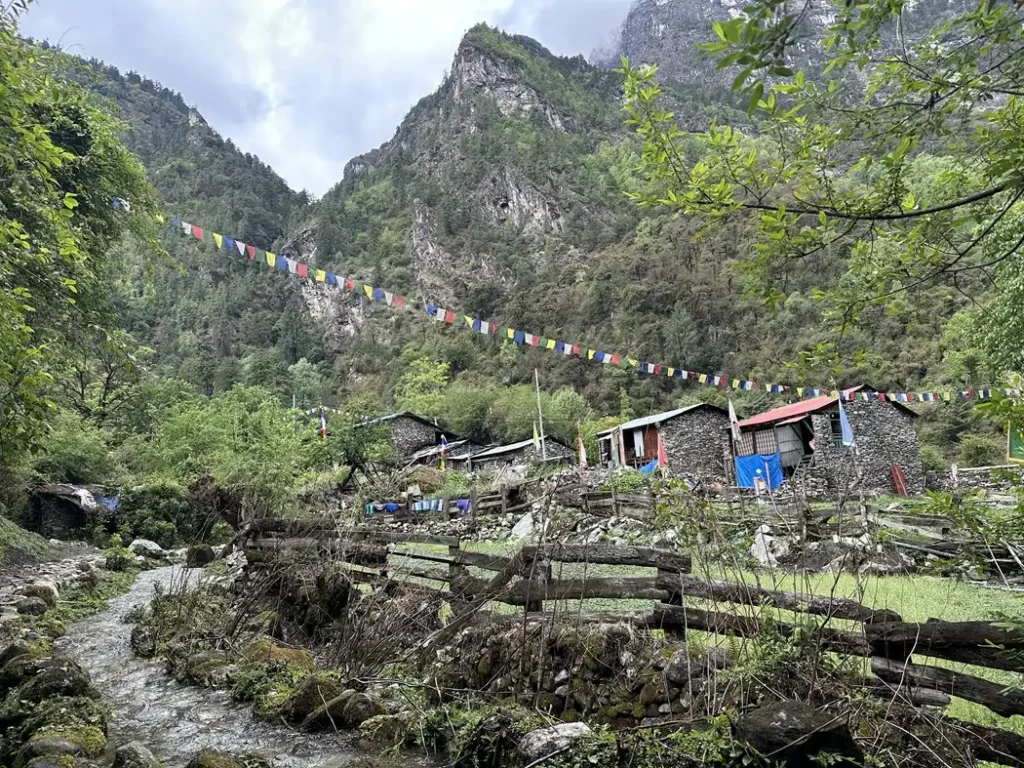
Juniper shrubs release a crisp, resinous aroma on the far bank under boot pressure. The path now climbs steadily but mercifully in zigzags rather than punishing stairs. Each switchback lifts you toward cooler air; breath forms fleeting clouds by late afternoon, even while walking.
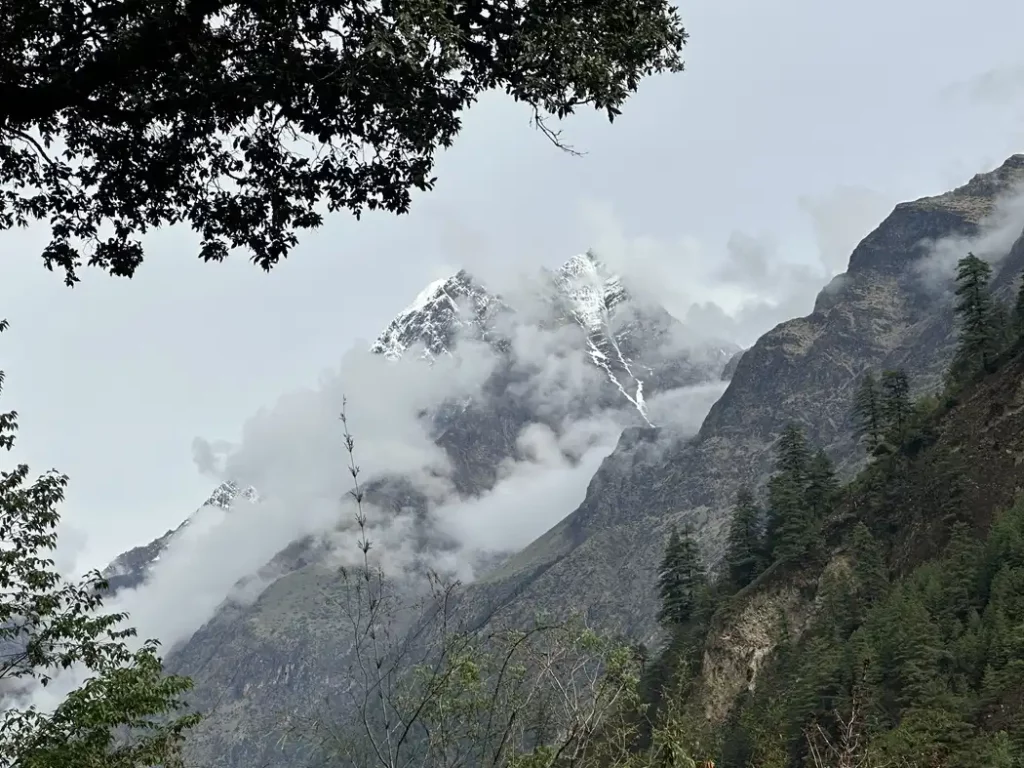
Look left and—boom—sudden skyline: the icy horns of Manaslu break free of forest framing, magnified by thin, clear air. Few treks provide a big reveal like this one. Enjoy it, as Li Gaon is ideally placed for this view.
The kani entrance arch of Li Gaon is wider than the ones before it. Its underside is painted midnight blue and has gold stars. These stars represent the protective night sky. Mani walls flank the gateway for nearly 40 m, stones so finely carved you can slide a credit card into letter grooves.
Inside, low stone houses cluster like stony turtles; fist-sized rocks weigh down each roof to resist valley winds. Smoke curls from yak-dung stoves, carrying the faint scent of juniper-branch incense.
Chickens scratch between the potato rows. A local grandmother waves you to her porch for free butter tea. It is creamy, salty, and strangely addictive once your brain connects it to warm calories.
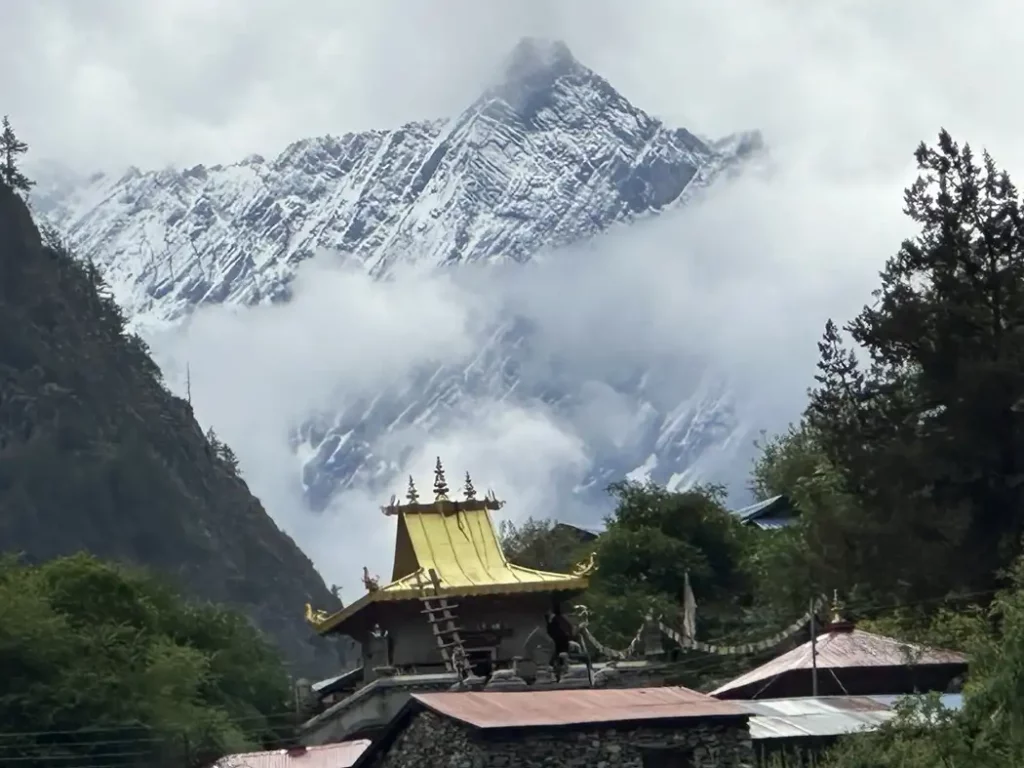
Li Gaon has two family-run lodges and homestay rooms. The newer teahouses have plywood walls, double-glazed windows, and solar showers, which are lukewarm.
Meals lean hearty: potato momos, buckwheat pancakes, thukpa brimming with garden greens. Device charging costs NPR 300 per hour—micro-hydro power is limited, so prioritise head-torch batteries over Instagram.
Older residents freely discuss ancestral polyandry—one wife and multiple brothers—to prevent land division. While rare today, this practice is seen in inheritance rights. The fields behind each stone fence still belong to households, not individuals. This ensures there are communal grazing areas for yaks.
Women spin yak wool on drop spindles, chatting as prayer beads flick through calloused fingers. Finished yarn becomes thick brown chubas or cushions dyed with walnut husks.
Jewellery showcases coral and turquoise, precious on trade routes centuries long gone but still prized. During Losar, villagers wear silk-trimmed brocade. Even in the off-season, heirloom coral necklaces shine in the kitchen light.
Mornings begin with slow drumbeats from household shrines. Many families keep a dangling (horn) on the altar, blowing it thrice before dawn to awaken protective spirits.
Guides often suggest guests step outside at 05:30 to hear this valley-wide symphony, a surround-sound mantra carried on frosty wind.
A twenty-minute stroll beyond Li Gaon’s west gate rises Ribung Gompa above Lho village. Bright red walls, gold roof corners shaped like Himalayan honeybees, and a sunny courtyard where novice monks recite in a high-pitched song.
Inside: towering Maitreya statue, mandala murals, and the faint smell of incense mingled with yak butter.
Timing tip: Arrive at Ribung by 3:45 PM to see the afternoon puja. You will hear horns, drums, cymbals, and chanting that vibrate in your chest. Step lightly, sit to the back, and donate a few hundred rupees to lamp-oil funds.

The main mani wall displays portrait carvings of Chenrezig (a four-armed compassion deity) and Green Tara. Families repaint lettering with mineral pigment each year and trek for two days to gather.
Ask your guide to translate the central inscription: “May all beings cross the ocean of suffering.” According to local lore, reciting it while spinning adjacent wheels earns extra merit.
Above Li Gaon, the Budhi Gandaki river flows through a grassy floodplain. Its braided channels shine like silver ribbons in the midday sun. Northwards, slopes tip from pine to dwarf juniper, then rock and ice. Southwards, cliffs streaked with copper oxide recall the gorge you climbed earlier.
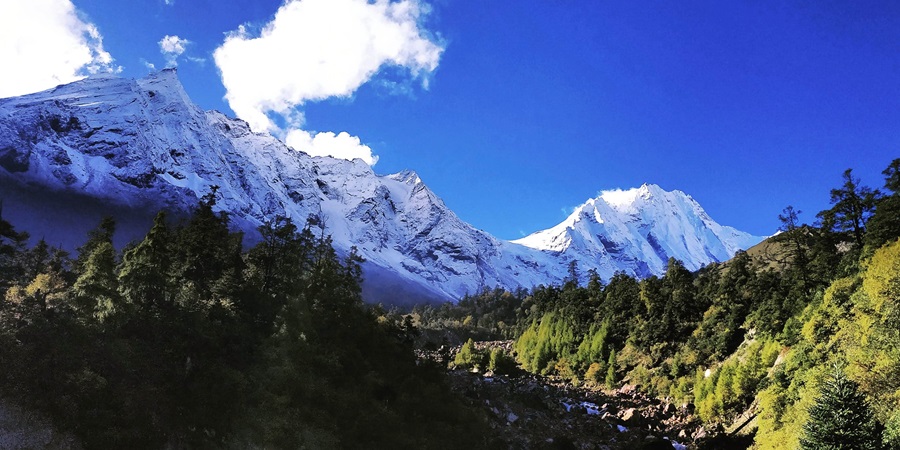
Clouds often ruffle summit ridges by 14:00, so plan photo sessions in the early morning or golden hour. After dusk, the moon, if up, reflects off hanging glacier tongues, illuminating slopes like ghostly alabaster.
Below 3,000 m, the forest boasts birch and rhododendrons while juniper and dwarf rhododendrons colonise sunny scree. Edelweiss nods in protected crevices; gentian trumpets electric blue in alpine turf patches.
Villagers burn dried juniper tips nightly—its fragrant smoke was seen curling skyward in blue ribbons at twilight.
How tough is the Namrung climb?
Is Li Gaon or Lho better for the night?
Can I charge a power bank en route?
Will I need crampons beyond Li Gaon?
Any health red flags to watch?
Beyond Li Gaon, the valley swings west and broadens into a near-mythic amphitheatre. Lho’s monastery sits on a hill. Below, Birendra Lake shines a bright turquoise. Manaslu’s glacier towers above. Samagaun looks like a small kingdom under snowy peaks.
Yet these wonders are on tomorrow’s horizon. Tonight, sip butter tea. Listen to wooden prayer wheels clack toward the Milky Way. Enjoy travelling where mountains, culture, and spirit come together.
Ready to trade city noise for the chant of prayer wheels and a skyline ruled by Manaslu? Alpine Luxury Treks handles all permits, jeep rides, and lodge bookings for the Manaslu Circuit Trek.
They connect you with local Nubri guides who help with language and culture. Email [email protected] or tap prime autumn and spring departures fill fast.
Li Gaon welcomes wanderers; higher valleys wait with open skies.

