Khopra Ridge Trek
Based on 2100 reviews
Short Itinerary
Arrival in Kathmandu (1,400m)
Drive to Pokhara (820m) – 7-9 hours
Drive to Nayapul (1,070m) and Trek to Ghandruk (1,940m) – 5-6 hours
Trek from Ghandruk to Tadapani (2,610m) – 4-5 hours
Trek from Tadapani to Bayeli Kharka (3,420m) – 5-6 hours
Trek from Bayeli Kharka to Khopra Danda (3,660m) – 5-6 hours
Khopra Danda to Khayar Lake (4,620m) and Back – 7-8 hours (Optional)
Trek from Khopra Danda to Swanta (2,214m) – 5-6 hours
Trek from Swanta to Ghorepani (2,860m) – 4-5 hours
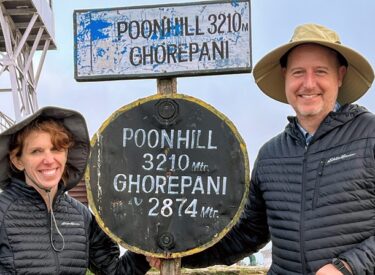
Hike to Poon Hill (3,210m) for Sunrise, Trek to Nayapul, Drive to Pokhara – 6-7 hours
Drive Back to Kathmandu – 6-7 hours
Departure from Kathmandu
Full Itinerary
Welcome to Nepal! After arriving in Kathmandu, you’ll be transferred to your hotel where you can relax and settle in.
In the evening, you’ll enjoy a welcome dinner with your trekking group and guides, a perfect opportunity to meet fellow trekkers and discuss the adventure ahead.

Kathmandu is rich in culture and history, so you might take some time to explore nearby UNESCO World Heritage Sites such as Pashupatinath Temple, one of the holiest Hindu temples, or Kathmandu Durbar Square, home to ancient palaces and temples.
Make sure to prepare for the trek by checking your gear, and if necessary, purchase any last-minute items in the bustling Thamel area.
The drive to Pokhara takes you along scenic highways, offering beautiful views of rivers, terraced farmlands, and distant mountains. You’ll stop for lunch at a picturesque spot overlooking the Trishuli River, where you can enjoy the peaceful surroundings.

Pokhara, a charming lakeside city, is known for its laid-back atmosphere and stunning views of the Annapurna range. After arriving, you can enjoy a boat ride on Phewa Lake, visit the World Peace Pagoda for panoramic views, or explore the famous Davis Falls.
In the evening, you may want to enjoy a meal at a restaurant featuring live Nepali music, or take a walk along the vibrant Lakeside.
After breakfast, a short drive will take you to Nayapul, where your trek officially begins. The trail initially follows the Modi Khola River and gradually ascends through terraced fields and small villages.
Ensure you have your Annapurna Conservation Area Permit (ACAP) and TIMS card ready at the checkpoint. As you make your way towards Ghandruk, you’ll pass local farms and see the traditional lifestyle of the villagers.

Ghandruk, a picturesque Gurung village, offers breathtaking views of Annapurna South, Hiunchuli, and Machhapuchhre (Fishtail). You can visit the Gurung Museum to learn more about the rich history and culture of this ethnic group.
Today’s trek takes you through dense rhododendron forests, where you’ll have a chance to spot a variety of birds and perhaps some wildlife like monkeys. The climb is steady but rewarding, as you’ll be greeted with stunning mountain views along the way.
The forested trails are particularly beautiful during spring when the rhododendrons are in full bloom, creating a colorful canopy. Upon reaching Tadapani, you’ll enjoy views of Annapurna South and Machhapuchhre.

The teahouse here offers a cozy communal dining area where you can relax with fellow trekkers and enjoy a warm meal. Be sure to catch the sunset from the nearby viewpoint for a magical end to the day.
Today, you leave the main trekking route and head towards the more remote Bayeli Kharka. The trail gradually climbs through alpine meadows and forests, offering increasingly impressive views of Dhaulagiri and the surrounding peaks.

As you ascend to higher altitudes, remember to pace yourself and stay hydrated to acclimatize properly. The open landscapes provide opportunities to spot grazing yaks or sheep, and the alpine flora is unique to this elevation.
The remote location of Bayeli Kharka makes it an ideal place for stargazing at night, with clear skies far from the city lights.
This is one of the most exciting days of the trek as you make your way to Khopra Danda. The trail takes you through high alpine meadows with uninterrupted views of the Annapurna and Dhaulagiri ranges.

Upon reaching the ridge at Khopra Danda, you’ll be treated to a 360-degree panorama of the surrounding peaks. The ridge is famous for its sunrise and sunset views, so be sure to wake up early or stay out late to capture the perfect photograph.
Local legends speak of the spiritual significance of this area, adding a mystical element to the journey.
For those seeking an additional challenge, the hike to Khayar Lake is a must-do. This sacred lake, considered holy by both Hindus and Buddhists, sits at a high altitude surrounded by towering peaks. The trail is steep and strenuous, so good physical fitness is essential.
Along the way, you’ll pass by pristine landscapes, waterfalls, and perhaps encounter some mountain wildlife. Upon reaching Khayar Lake, you’ll feel a deep sense of peace as you take in the tranquil surroundings and the spiritual atmosphere.

For those not hiking to the lake, a relaxing day exploring Khopra Danda or simply enjoying the views is a great alternative.
The descent from Khopra Danda takes you through alpine meadows and back into lush forests as you make your way to Swanta, a traditional Magar village.
Along the way, you’ll pass through terraced farmlands, where local farmers cultivate crops on the steep hillsides.

In Swanta, you’ll have the opportunity to interact with the Magar community and perhaps visit a local school or home to learn about their culture and way of life.
Be sure to try some traditional Magar dishes for an authentic taste of the region. The village provides a peaceful atmosphere, perfect for unwinding after a day of trekking.
Today’s trek takes you through dense forests and past picturesque waterfalls, including the Chhomrong Khola waterfall. The trail gradually ascends to Ghorepani, a lively village popular among trekkers for its proximity to Poon Hill.

Along the way, you’ll enjoy views of the surrounding mountains and cross small rivers via suspension bridges. Ghorepani is bustling with trekkers from all over the world, giving it a vibrant and energetic atmosphere.
Prepare for the early morning hike to Poon Hill by ensuring you have warm clothing and a headlamp for the pre-dawn trek.
The day starts early with a hike to Poon Hill, one of the most famous viewpoints in Nepal. Arriving before sunrise, you’ll witness the first rays of light illuminating the Annapurna and Dhaulagiri ranges in a breathtaking display of colors.

Despite the possibility of crowds, the view is well worth the early start. After enjoying the sunrise, descend back to Ghorepani for breakfast before continuing your trek to Nayapul.
From there, a short drive takes you back to Pokhara, where you can relax and celebrate the completion of the trek with a farewell dinner.
After breakfast, you’ll depart from Pokhara and embark on the scenic drive back to Kathmandu. The journey offers more opportunities to enjoy the views of rivers, farmlands, and hills along the way.

Once back in Kathmandu, you may want to explore the city further, visit additional cultural sites, or do some last-minute souvenir shopping in Thamel. Reflect on the incredible trek and the experiences shared with your group.
On your final day in Nepal, you may have time for some last-minute sightseeing or shopping before your departure. Consider visiting the Garden of Dreams or the Narayanhiti Palace Museum if time permits.
Your airport transfer will be arranged to ensure a smooth departure, and you’ll leave Nepal with unforgettable memories of your trek through the Khopra Ridge and the Annapurna region. Farewell and safe travels!
Trip Information
Highlights of the Khopra Ridge Trek
Majestic Mountain Vistas
The Khopra Ridge, the trek’s crowning jewel, offers awe-inspiring 360-degree views of Annapurna South, Dhaulagiri, Machhapuchhre (Fishtail), Nilgiri, and more.
A sunrise or sunset from this vantage point is unforgettable. Many trekkers also include a visit to Poon Hill for its iconic sunrise over the Annapurna and Dhaulagiri ranges.

Diverse Landscapes and Nature
The trek takes you through vibrant rhododendron forests, particularly stunning in spring when the blooms create a kaleidoscope of colors.
High-altitude alpine meadows dotted with wildflowers and terraced farmlands carved into hillsides showcase the region’s agricultural practices and natural beauty.
Cultural Immersion
Experience the rich culture of the Gurung and Magar communities as you pass through their villages. Visit monasteries and temples to gain insight into the region’s spiritual traditions.
Khayar Lake Excursion
Extend your trek to the sacred Khayar Lake, a tranquil high-altitude lake revered by locals, surrounded by breathtaking mountain scenery.
Off-the-Beaten-Path Experience: Escape the crowds on this lesser-known trek, allowing for a more peaceful and secluded adventure in the heart of the Annapurna region.
Unique Tea House Experience
Stay in cozy, traditional tea houses that offer basic yet comfortable accommodations and delicious local meals, providing an authentic cultural experience.
Best season for Khopra Ridge Trek
The best time for the Khopra Ridge Trek is during the spring (March to May) and autumn (September to November) seasons.
In spring, trekkers enjoy mild, sunny weather, making it perfect for hiking.
The rhododendron forests are in full bloom, transforming the landscape into a vibrant sea of red, pink, and white flowers.
Clear skies provide unobstructed views of towering peaks like Annapurna South, Dhaulagiri, and Machhapuchhre, making the trek visually stunning.

Autumn is another ideal season, as it follows the monsoon, offering stable, dry weather with clear skies.
The daytime temperatures are comfortable, while the cooler evenings make for a refreshing end to the day.
This season also gives trekkers the chance to experience Nepal’s colorful festivals, adding a cultural highlight to the trek.
These seasons are considered the best due to favorable weather, moderate temperatures, and well-maintained trails, ensuring an enjoyable trekking experience.
Monsoon brings heavy rains, making the trails challenging, and winter can be too cold with possible snowfall, limiting trail access and tea house services.
How hard is Khopra Ridge Trek ?
The Khopra Ridge Trek is a moderately challenging trek in Nepal’s Annapurna region, perfect for trekkers seeking breathtaking mountain views without the crowds found on more popular trails.
This trek combines stunning landscapes, cultural immersion, and manageable trekking conditions, making it an excellent choice for adventurers with some hiking experience.
Altitude plays a key role in the trek’s difficulty.

The highest point is Khopra Ridge at 3,660 meters (12,008 feet), but those looking for an extra challenge can ascend to Khayar Lake at 4,620 meters (15,157 feet). While altitude sickness can be a concern, the trek’s gradual ascent allows for proper acclimatization.
The trail conditions vary from stone steps to forested paths and rocky trails, with steeper sections on the way to Khayar Lake.
However, the trek remains accessible for those with a decent level of fitness.
Daily trekking distances average 4-6 hours, providing plenty of time to enjoy the surrounding scenery and villages.
Trekkers should be comfortable walking for several hours a day, carrying a daypack, and navigating some uneven terrain.
Who Can Trek the Khopra Ridge?
This trek is perfect for beginner trekkers with some experience.
If you’re new to trekking but have completed a few hikes, this trail will be a rewarding experience.
Families with children aged 10 and older, who are active and enjoy the outdoors, will also find this trek suitable.
Additionally, those seeking a less crowded alternative to popular routes like the Annapurna Base Camp will appreciate the tranquility of Khopra Ridge.

Finally, this trek is ideal for travelers looking for cultural immersion, as it passes through traditional Gurung and Magar villages, offering the chance to experience local traditions and lifestyles.
The Khopra Ridge Trek provides a unique blend of adventure, scenery, and culture, making it a fantastic option for those looking to explore the Himalayas.
Teahouse Conditions on the Khopra Ridge Trek
When trekking the Khopra Ridge, your accommodation will typically be in traditional teahouses, which offer simple but comfortable resting places after a long day of hiking.
While teahouses provide basic necessities, they are a significant part of the Himalayan trekking experience, giving you a glimpse into the local lifestyle.
Accommodation
Rooms
Teahouses offer basic rooms, often furnished with two single beds or a double bed.
The beds usually come with mattresses, but for additional comfort and hygiene, it’s advisable to bring a sleeping bag liner.
While blankets are often available, they may not be sufficient during the colder months at higher altitudes.

Bedding
Mattresses and pillows are provided, but the bedding quality varies.
A lightweight sleeping bag liner can offer added warmth and cleanliness.
Electricity
Most teahouses offer limited access to electricity. Charging devices is usually possible in communal areas, though there may be an additional fee.
Power outages are frequent, especially in more remote areas, so be prepared for occasional interruptions.
Facilities
Bathrooms
Expect shared bathroom facilities, often equipped with squat toilets.
In some places, you may find Western-style toilets, but they are not the norm.
Hot showers are available in some teahouses, usually for an extra fee, though water pressure can be low, and the availability of hot water is inconsistent, particularly at higher elevations.

Dining Area
Teahouses feature a communal dining room, often heated by a stove, where meals are served and trekkers can gather.
This is the social hub of the teahouse, where you can interact with fellow trekkers over meals like Dal Bhat, noodles, or fried rice.
The warmth from the stove makes it an inviting space, especially in the colder evenings.
Common Areas
Some teahouses may have a small common area or even a rooftop terrace with panoramic mountain views.
These spaces offer a peaceful spot to relax, take in the surroundings, or chat with other trekkers after a day’s hike.
Teahouses provide an essential mix of basic comfort and cultural immersion, enhancing the overall experience of trekking in the Khopra Ridge region.
Despite the simplicity of the accommodations, the welcoming hospitality and spectacular scenery more than make up for the rustic conditions.

Food on the Khopra Ridge Trek
During the Khopra Ridge Trek, teahouses offer a variety of meals to keep you fueled and energized for the journey.
While the options are simple, the food is hearty and provides the necessary nutrition for trekking in the mountains.
Meals
Nepali Dishes
The staple meal in teahouses is Dal Bhat, a traditional Nepali dish consisting of rice, lentil soup, and vegetables.
Dal Bhat is rich in energy and nutrients, making it a perfect choice for trekkers as it is filling and easily digestible.
Another benefit is that most teahouses offer free refills on Dal Bhat, ensuring you have plenty of food to sustain your energy.

Western Dishes
In addition to Nepali food, you’ll find a selection of basic Western dishes, such as noodles, pasta, fried rice, and potatoes.
Some teahouses also serve momos (Tibetan-style dumplings), which are a popular snack, as well as soups and Tibetan bread, a fried flatbread that pairs well with tea or soup.
The meals are cooked fresh and often made from locally sourced ingredients.
Drinks
Beverages
Teahouses offer a variety of hot and cold drinks. Tea is the most common beverage, available in different flavors such as black tea, ginger tea, or lemon tea.
You can also enjoy coffee, hot chocolate, and other warm drinks, which are especially comforting in the colder evenings.
Staying hydrated is crucial during the trek, and bottled water is readily available in most places.
You can also purchase boiled water at teahouses to refill your bottle, which is a more eco-friendly option than buying plastic bottles along the way.
Drinking plenty of fluids is essential to help with acclimatization and to maintain energy levels.
The combination of nutritious meals and warm drinks will help keep you energized throughout the trek, ensuring a successful and enjoyable journey on the Khopra Ridge Trek.

Trek Preparation for the Khopra Ridge Trek
Preparing for the Khopra Ridge Trek is crucial to ensure an enjoyable and successful experience.
The trek is considered moderate in difficulty, and a good level of fitness is essential to tackle the terrain and altitude.
Below are key steps to help you get ready for the adventure:
Start Early
Begin your training at least 2-3 months before your trek.
This is especially important if you’re not accustomed to regular exercise.
Early preparation allows your body to build endurance, strength, and cardiovascular fitness gradually.
Focus on Cardiovascular Fitness
Cardiovascular training is critical for trekking, as it improves stamina and helps your body cope with long hours of walking.
Activities: Focus on exercises that mimic trekking, such as hiking on hilly terrain while carrying a daypack.
Other options include brisk walking, jogging, swimming, cycling, and stair climbing.
Frequency: Aim for 3-4 cardio sessions per week, increasing the duration and intensity over time.
Duration: Start with short hikes or walks (30-60 minutes), and progressively work your way up to longer sessions of 2-3 hours.
Build Strength and Endurance
Strengthening key muscle groups will help you handle the demands of the trek, particularly the steep ascents and descents.
Strength Training: Focus on your legs (quadriceps, hamstrings, calves), core, and back. Strong muscles will help you manage the physical challenges of trekking.
Exercises: Include squats, lunges, planks, calf raises, and back extensions in your routine.
Frequency: Aim for 2-3 strength training sessions each week. In addition, include longer hikes with uphill sections to build stamina.
Practice with Your Gear
Break in Your Boots: Wear your hiking boots during training hikes to prevent blisters and ensure comfort.
Carry Your Backpack: Practice trekking with your backpack, gradually increasing its weight. This will help you get used to the load you’ll carry on the trek.
Altitude Acclimatization
Pre-acclimatization: If possible, spend time at higher altitudes (above 2,500 meters) before the trek to help your body adjust to the reduced oxygen levels.
Gradual Ascent: On the trek, take it slow and allow your body time to adapt. Proper hydration and acclimatization days are key to preventing altitude sickness.
Listen to Your Body
Rest and Recovery: Avoid overtraining. Include rest days to allow your body to recover, which is just as important as the training itself.
Nutrition and Hydration: A balanced diet and staying hydrated are essential for supporting your training and overall health.
Drink plenty of water throughout the day, particularly during your workouts.
Consult a Doctor
Health Check: If you have any underlying medical conditions or health concerns, consult your doctor before starting your training program and before embracing on the trek.
By following this comprehensive preparation plan, you’ll be well-equipped to enjoy the Khopra Ridge Trek and tackle its challenges with confidence.
Packing List for the Khopra Ridge Trek
To ensure you’re well-prepared for the Khopra Ridge Trek, it’s important to pack smartly.
The weather in the mountains can be unpredictable, and you’ll need appropriate gear for various conditions.
Here’s a comprehensive packing list to guide you.
Clothing
Base Layers: Moisture-wicking t-shirts and leggings to keep you dry during the trek.
Mid Layers: A fleece jacket or down jacket to provide warmth during colder mornings and nights.
Outer Layer: Waterproof and windproof rain jacket and pants to protect you from rain and wind.
Warm Hat and Gloves: Essential for cold mornings and evenings, especially at higher altitudes.
Trekking Pants: Durable and comfortable pants for hiking, preferably quick-drying.
Shorts or Skirts (Optional): Good for warmer weather or when you’re relaxing at lower altitudes.
Socks: Several pairs of moisture-wicking trekking socks to keep your feet comfortable and blister-free.
Footwear
Hiking Boots: Sturdy, waterproof boots with good ankle support. Be sure to break them in before the trek to avoid blisters.
Sandals: Optional for wearing during rest breaks or while relaxing in the teahouses.
Sleeping Gear
Sleeping Bag: A mummy-shaped sleeping bag rated for temperatures below freezing, especially for higher altitudes.
Sleeping Pad (Optional): Some trekkers bring an inflatable or foam sleeping pad for extra comfort in teahouses.
Trekking Gear
Daypack: A comfortable daypack (20-30L) to carry essentials like snacks, water, and extra layers.
Trekking Poles: Optional but highly recommended for stability, particularly on steep ascents and descents.
Hydration and Nutrition
Water Bottles: At least two refillable water bottles or a hydration system to stay hydrated during the trek.
Water Purification Tablets or Filter: A must for ensuring safe drinking water, as bottled water can be expensive at higher altitudes.
Snacks: Energy bars, nuts, dried fruit, or other snacks to keep your energy levels up throughout the day.
First-Aid Kit
Basic First-Aid Kit: Include essentials like bandages, antiseptic cream, painkillers, blister treatment, and any personal medications.
Altitude Sickness Medication: Consult your doctor and bring any necessary medications for altitude sickness.
Sun Protection
Sunscreen: High SPF sunscreen is crucial to protect your skin from strong UV rays at high altitudes.
Hat: A wide-brimmed hat to protect your face and neck from the sun.
Sunglasses: UV-protective sunglasses to shield your eyes from the sun’s glare.
Other Essentials
Headlamp or Flashlight: Important for navigating in the dark or if there’s no electricity in the teahouses.
Insect Repellent: To protect against mosquitoes and other bugs, especially at lower elevations.
Toiletries: Toothbrush, toothpaste, soap, wet wipes, and a small quick-drying towel.
Personal Medications: Bring any necessary prescription medications along with copies of prescriptions.
Cash and Travel Documents: Teahouses don’t accept cards, so bring enough cash (Nepalese Rupees) for food, drinks, and tips. Carry copies of your passport and permits.
Map and Compass: Although the trails are well-marked, it’s always wise to carry a map and compass for safety.
Electronics: Camera, phone, power bank, and chargers to capture memories and stay connected.
With this comprehensive packing list, you’ll be well-prepared to handle the varying conditions of the Khopra Ridge Trek while ensuring your comfort and safety throughout the journey.
Trip Reviews
Be first to post a review in this trip.

More Trips