

15 Days
Moderate
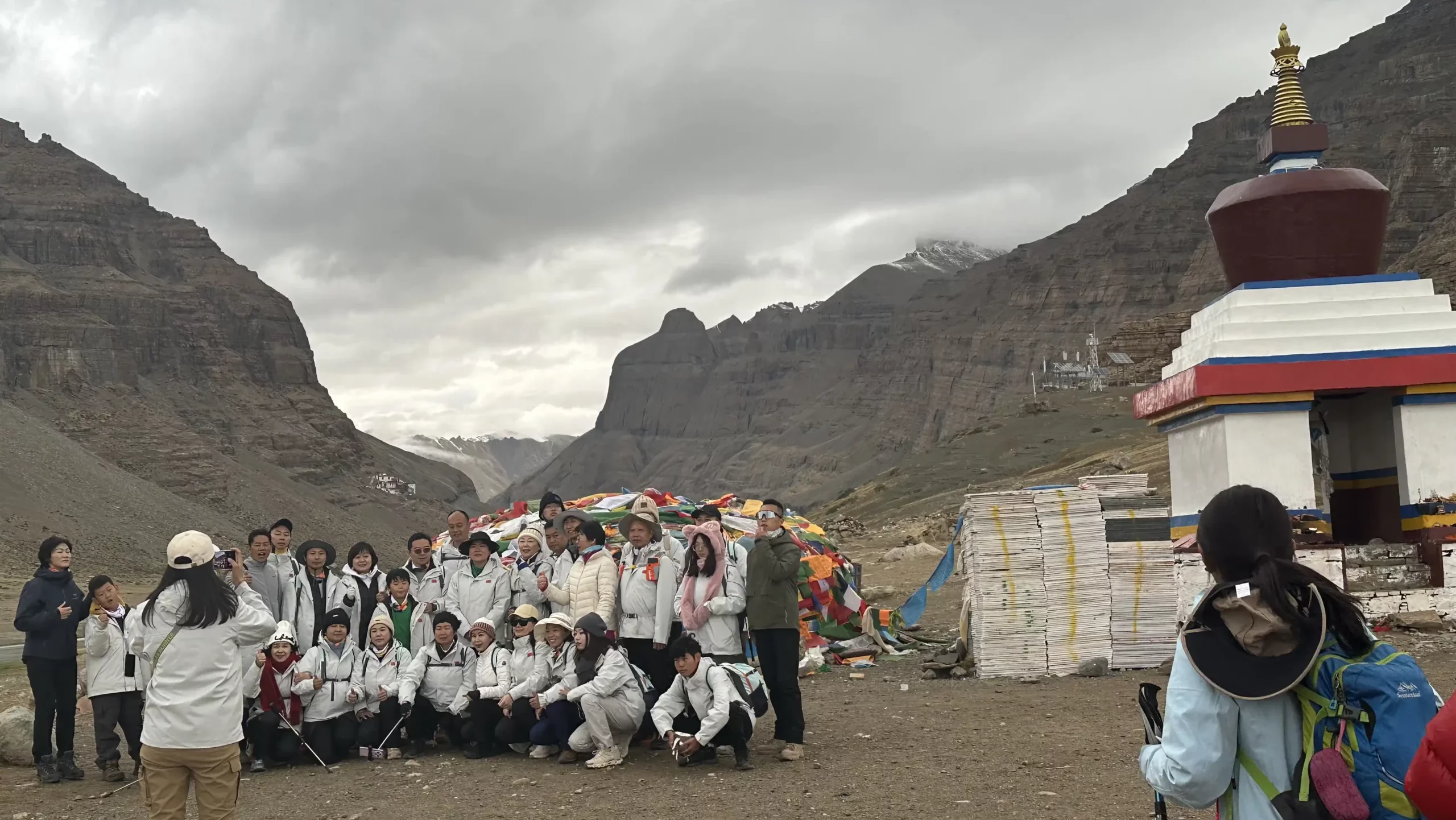
Mount Kailash (Inner Kora vs Outer Kora) is a remarkable and striking peak that stands majestically in the remote region of Western Tibet.
This mountain is significant for more reasons than just its remarkable physical size and stunning natural characteristics. It holds a profound spiritual importance for many different people and cultures.
People from different backgrounds see this mountain as more than just a part of the scenery. They see it as a sign of their beliefs, traditions, and values.
Its presence gives a feeling of connection to the earth and something bigger than ourselves. This makes it an important place for spiritual reflection and cultural activities.

Many people and different communities view the mountain as a unique and holy place.
It is a place that holds deep significance, enriched with meanings and historical narratives that connect with their cultural beliefs and long-standing traditions.
For these people, the mountain is not just a physical structure; it embodies values and stories passed down through generations, serving as a source of inspiration and reflection for their identity and practices.
This connection to the mountain goes beyond its beauty; it embodies an essential aspect of their cultural identity and spirituality, representing strength, resilience, and a connection to the earth and the cosmos.
This place is seen as special. It draws many visitors and travelers.
Individuals often visit this place with a strong desire to establish a deeper understanding and connection to its inherent spiritual essence.
They are attracted by the rich tapestry of diverse traditions that collectively shape and define the spiritual landscape of the area.
This journey is about exploring and engaging with the various practices, beliefs, and rituals that contribute to the profound spiritual experience that many seek.

The significance of this place goes beyond mere physical presence; it embodies a sense of history, culture, and spirituality that resonates with those who visit.
Individuals from various backgrounds come together for inspiration, reflection, and a more profound understanding of the values and beliefs passed down through generations.
Several different faiths revere this mountain, including Hinduism, Buddhism, Jainism, and the ancient Bon religion.
Each religion attributes unique beliefs and practices to this sacred site, making it a place of pilgrimage and reflection for many devoted followers.
Pilgrims worldwide undertake a sacred journey known as the “Kora,” a circumambulation around this revered mountain.
The Kailash Kora is divided into two distinct routes: the Inner Kora and the Outer Kora. Each offers unique experiences and challenges for the intrepid traveler.
This article examines the distinctions between the Kailash Inner Kora and Outer Kora, providing valuable insights into what individuals can anticipate from each pilgrimage experience.
By exploring these differences, readers will better understand each route’s unique characteristics and spiritual significance, helping them choose which pilgrimage to undertake.
“Kora” refers to the clockwise circumambulation path around a sacred site. At Mount Kailash, the Kora is undertaken to cleanse one’s sins and bring spiritual enlightenment. This practice is a big part of the culture and religion in the area.

For many pilgrims, completing the Kailash Kora is a life-changing spiritual journey. The mountain is considered the abode of Lord Shiva in Hinduism and a representation of Mount Meru in Buddhism.
Undertaking the Kora is believed to bring peace, prosperity, and liberation from the cycle of birth and death.
The Outer Kora is the more commonly undertaken route circling Mount Kailash.
This trek spans approximately 52 kilometers (32 miles) and usually takes three days. The path begins and ends at Darchen, the base camp for the Kailash Kora.

The Outer Kora is physically demanding due to its high altitude and rugged terrain.
Trekkers must be prepared for extreme weather conditions and steep ascents, especially when crossing the Dolma La Pass.
The Inner Kora is a more challenging and less traveled route, offering a closer view of Mount Kailash.
This trek covers approximately 34 kilometers (21 miles) and typically takes two days.
The journey begins at Darchen and includes traversing the mountain’s eastern side.

The Inner Kora is considered more strenuous than the Outer Kora due to its steep paths and limited accessibility.
This trek requires a higher level of physical fitness and acclimatization to the altitude.
Additionally, the route is less marked, requiring a guide familiar with the terrain.
Both the Inner and Outer Kora demand a good level of physical fitness.
Having past trekking experience, especially in high places, is helpful.
Cardiovascular exercises, strength training, and hiking are recommended to prepare for the journey.
Travelers must obtain the necessary permits to access the Kailash region, as it is a restricted area in Tibet.
Alpine Luxury Treks helps facilitate the permit process and ensure compliance with local regulations.

The best period to do the Kailash Kora is from May to September.
The weather is usually mild during these months, and the mountain passes are open.
The Saga Dawa festival, held in May or June, is a significant event attracting many pilgrims.
Deciding between the Inner and Outer Kora depends on individual preferences, fitness levels, and spiritual aspirations.
The Outer Kora is designed to be more accessible for many people, allowing them to enjoy a broader pilgrimage experience that caters to various levels of ability and interest.
It provides an opportunity for individuals unable to undertake more challenging journeys to still participate in this sacred tradition.

On the other hand, the Inner Kora offers a much deeper spiritual connection for those who seek a more profound and intimate experience.
This route takes pilgrims closer to the majestic Mount Kailash, allowing them to engage with the spiritual significance of the mountain in a more personal and immediate way.
The Kailash Kora, which can be either the Inner Kora or the Outer Kora, is more than just a physical trek; it is a deep and meaningful journey beyond merely moving through space.
This pilgrimage takes participants on a path that allows them to explore the very essence of spirituality.
It invites individuals to reflect on their inner selves and connect with something greater than themselves as they traverse the stunning and sacred landscapes surrounding Mount Kailash.
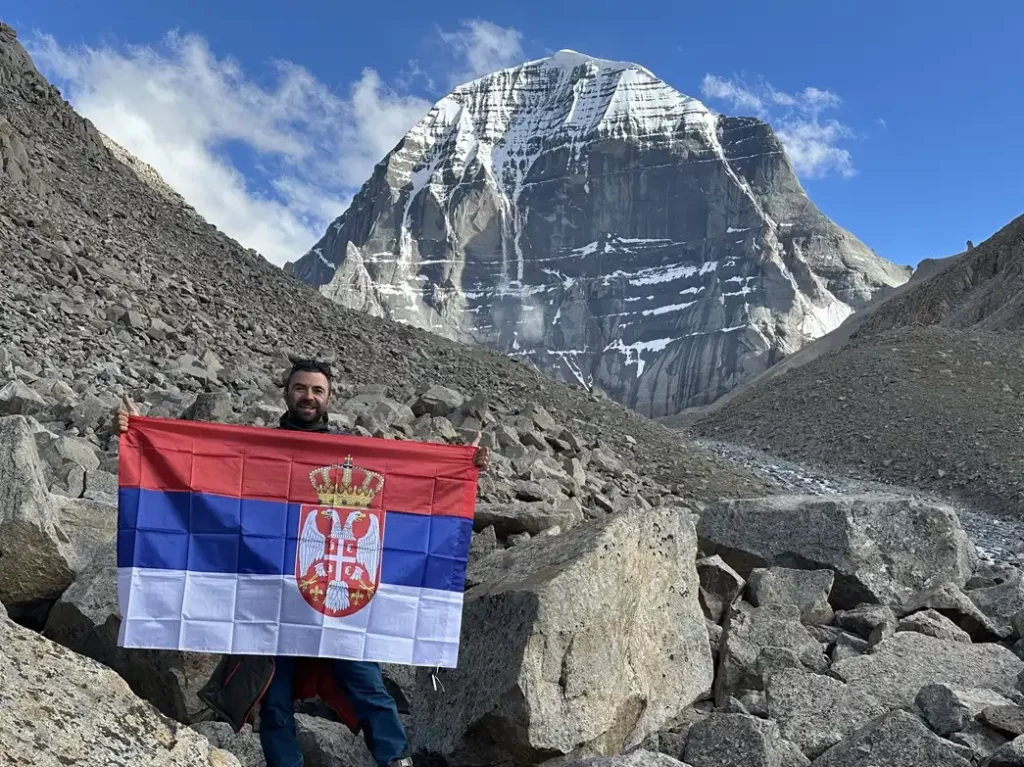
Completing the circumambulation around Mount Kailash is not just an adventure but a pilgrimage that leaves an indelible mark on the hearts of those who undertake it.
Prepare well, respect the sacredness of the journey, and embrace the transformative power of the Kailash Kora.


