Lhasa Kailash Kathmandu Overland Tour
Our trips are rated 5 out of 5 in more than 950 traveler reviews.
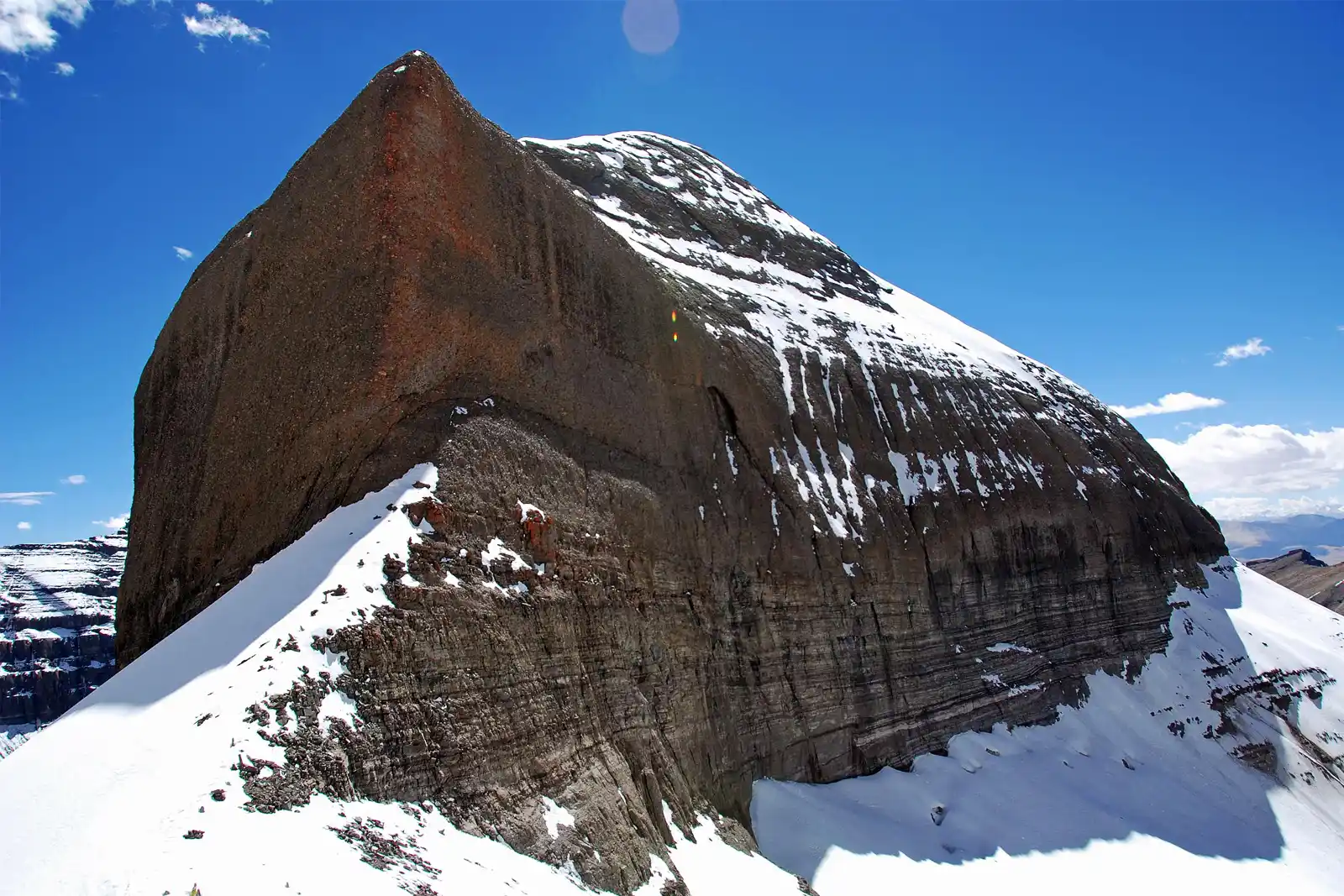
Trip overview
Our Lhasa Kailash Kathmandu overland tour is a 13-day small group journey that flies you into Lhasa, takes you across Tibet to walk the full Kailash kora, and ends at your hotel in Kathmandu by road. On the way you see the Potala, sleep below Everest and visit Lake Manasarovar, all in one crossing of the Himalaya.
It suits pilgrims and travellers who want Kailash and do not want to fly back to Lhasa. Ending in Nepal saves two long days on the road, and you finish in Kathmandu with time to rest before flying home.
You join a fixed group of four to 12, with a licensed Tibetan guide who walks the kora with you. We arrange the permits, the Tibet hotels, the entrance and kora fees, and the drive from the border to Kathmandu.
The hard part is the kora. The middle day climbs to the Drolma La at about 5,630 m and takes ten to twelve hours, and the guesthouses on the circuit are basic and cold. The road days in the far west are long too, with 400 to 500 km between towns.
The reward is the full journey of a Kailash pilgrimage. You start among the temples of Lhasa, see Everest at dawn, circle the mountain with pilgrims from four faiths and drop through the gorge at Kodari into the green hills of Nepal.
Prices start at US$ 2,219 per person and reach US$ 2,479 in the busiest weeks, and each date shows its own price. To end back in Lhasa instead, see our Lhasa to Kailash Mansarovar Yatra, and read our guide to altitude sickness before you book.
Highlights
- The full Kailash kora on foot, about 52 km in three days
- Drolma La, the high point of the kora at about 5,630 m
- Lake Manasarovar with Gurla Mandhata across the water
- Everest north face with a night at the base camp area
- Pelku Tso below the snow wall of Shishapangma
- Potala, Jokhang and Sera in Lhasa at the start
- Ending in Kathmandu by road through the Kodari border
- Village lunch with a farming family near Shigatse
Itinerary
Altitude profile
On footBy road
The altitude listed for each day, from 1,400 m to 5,000 m. Select a point to read that day.
The highest point on the route is 5,630 m.How we handle altitude
- Nights
- 5 nights in tourist standard hotels, 4 nights in 3-star hotels, 3 nights in teahouses
- Meals in the price
- 10 breakfasts, 1 lunch, 1 dinner
- On the move
- 3 days on foot, 8 days by road
Day 1Arrive in Lhasa3,650 m
Your guide meets you at Lhasa Gonggar airport or the railway station and drives you about an hour into the city. We check you into a 3-star hotel close to the old town, at 3,650 m.
This first afternoon matters more than it seems. The body needs time at this height before the far west, so we plan nothing today except rest, water and a light meal at your own cost.
In the evening your guide runs through the whole route with the group: the Lhasa days, the drive west, the three kora days and the road down into Nepal.
They check your documents and your kit for the kora, from boots and a warm jacket to a sleeping bag liner and a headlamp. Anything missing can be bought in Lhasa over the next two days. If you feel well, a slow walk to the Barkhor at dusk is a fine first taste of Tibet, with pilgrims circling the Jokhang by lamplight.
- TravelVan, 30-60 minutes
- Stay3-Star Hotel
Day 2Lhasa: Drepung and Sera Monasteries3,650 m
The morning is at Drepung, the great monastery on the western slopes of Lhasa. We walk slowly through its lanes of whitewashed colleges and into the main assembly hall, where rows of monks’ cushions face a wall of statues.
After lunch at your own cost, we drive to Sera on the northern edge of the city. From about 3 pm on most days, monks gather in the debating courtyard and argue philosophy with sharp claps and stamps.
It is one of the most memorable sights in Lhasa, and visitors watch from the side in silence.
In the evening the group shares a welcome dinner of Tibetan food, a chance to get to know the people you will walk around Kailash with. Today’s walking adds up to about 4 km with stairs. Your guide watches how everyone copes with the height, which helps plan the pace for the kora a week from now.
- TravelSightseeing, 4-6 hours
- Stay3-Star Hotel
- MealsBreakfast, Dinner
Day 3Lhasa: Potala Palace and Jokhang Temple3,650 m
We climb to the Potala Palace this morning on a timed ticket. The stairways rise about 100 m above the city, and we take them at a slow pilgrim’s pace, stopping often to breathe and look back over Lhasa.
Inside you pass chapels, assembly halls and the golden tombs of past Dalai Lamas in about an hour. Photography is only allowed outside.
In the afternoon we walk to the Jokhang Temple, the most sacred shrine in Tibet. Pilgrims prostrate at its gates, and inside, butter lamps light the Jowo Shakyamuni statue.
We end on the Barkhor, the pilgrim circuit around the temple. Walking it clockwise among Tibetan families is the best rehearsal there is for the kora. The evening is free, with dinner at your own cost, and it is the last chance to buy trekking poles, gloves or snacks before we leave Lhasa tomorrow.
Wear shoes with good grip for the worn stone stairs.
- TravelSightseeing, 4-6 hours
- Stay3-Star Hotel
- MealsBreakfast
Day 4Lhasa to Shigatse via Gyantse3,840 m
We drive south-west out of Lhasa and climb to the Kamba La at about 4,790 m, where Yamdrok Lake spreads out below in shades of turquoise. The road follows the shore and then crosses the Karo La at about 5,000 m, close under a hanging glacier.
At midday we stop in a farming village for lunch in a family home. You eat what the family cooks, sit by their stove and see daily life on the high plains.
In Gyantse we visit Pelkor Chode monastery and the Kumbum, a stupa of many tiers filled with small chapels and old murals.
The last stretch runs through a wide valley to Shigatse, at about 3,840 m. The day is about 360 km and eight hours with stops. We sleep in a 3-star hotel, and dinner is at your own cost.
Your guide checks everyone before tomorrow’s climb to the Everest area.
Pack a warm layer in your day bag for the windy passes.
- TravelVan, 7-9 hours
- Stay3-Star Hotel
- MealsBreakfast, Lunch
Day 5Shigatse to Everest Base Camp5,000 m
Today the road runs west through Lhatse and over the Gyatso La at about 5,200 m, the entrance to the Everest nature reserve. After the checkpoint at Shegar we climb the Gawu La, where on a clear day the 8,000 m peaks of the main range stand in a row.
Tight bends lead down into the Rongbuk valley. In the afternoon the eco-bus takes us to the viewpoint at about 5,200 m below the north face of Everest.
We sleep at about 5,000 m in a tent guesthouse in season, or at the Rongbuk guesthouse.
The night is cold and the beds simple, with a stove in the middle of the room. For the kora it is valuable practice at sleeping high, so notice how you feel and tell your guide in the morning. Only breakfast is included; the guesthouse kitchen serves noodles, rice and hot tea for dinner.
Keep a headlamp and warm hat close for the night.
- TravelVan, 7-9 hours
- StayLocal Teahouse
- MealsBreakfast
Day 6Everest to Saga via Pelku Tso4,600 m
Wake early if the sky is clear to see sunrise on Everest, then leave the Rongbuk valley and head west toward Ngari. The villages thin out and the plateau opens into grassland with nomad camps and wild asses.
At midday we reach Pelku Tso, a wide blue lake at about 4,600 m beneath the long ice wall of Shishapangma. We stop on the shore for photos and a picnic of snacks.
The road then crosses open plains and low passes to Saga, a small town on the upper Yarlung Tsangpo.
We sleep in Saga at about 4,600 m in the best available hotel, warm but simple. The drive is about 400 km and eight to nine hours with stops. A few Tibetan, Sichuan and Nepali restaurants serve dinner in town at your own cost.
Your guide keeps an eye on how everyone has recovered from the Everest night.
Wild asses often graze near the road on this stretch.
- TravelVan, 7-9 hours
- StayTourist Standard Hotel
- MealsBreakfast
Day 7Saga to Darchen via Lake Manasarovar4,600 m
The longest stretch west takes us along the upper Yarlung Tsangpo through Zhongba and Paryang and over the Mayum La. Sand dunes, nomad camps and herds of sheep line the road across a vast and empty plateau.
In the afternoon Lake Manasarovar comes into view below the snow dome of Gurla Mandhata, and soon Kailash rises to the north. We stop so that everyone can see the mountain for the first time in peace.
We drive on to Darchen at about 4,600 m, the small town where the kora begins.
The day covers about 480 km and eight to nine hours with stops. In the evening your guide holds a kora briefing: what to carry, how to pace the pass and where to stop for tea. If you want a porter, a yak or a horse, this is the evening to book one, paid locally in Darchen.
Many pilgrims spend the evening quietly preparing for the walk.
- TravelVan, 7-9 hours
- StayTourist Standard Hotel
- MealsBreakfast
Day 8Kailash Kora: Darchen to Dirapuk4,900 m
A short drive takes us to the start of the kora near Tarboche, where a tall pole of prayer flags marks the beginning of the circuit. From here we walk north into the Lha Chu valley between red cliffs, with the river beside the trail.
The path is about 20 km and six to seven hours, rising only about 300 m. It is a gentle day, and the group walks at its own pace with pilgrims of every age.
Chuku Gompa clings to the cliffs across the river, and the west face of Kailash appears high above the valley.
We reach Dirapuk at about 4,900 m in the afternoon. The guesthouse faces the north face of Kailash, often glowing gold at sunset. Rooms are shared and unheated, with outside toilets.
Breakfast is included, and teahouse tents along the trail sell noodles and tea for lunch and dinner. Sleep early, because tomorrow starts before dawn.
- TravelTrekking, 7-9 hours
- StayLocal Teahouse
- MealsBreakfast
Day 9Kailash Kora: Drolma La to Zutulpuk4,790 m
We start in the dark with headlamps for the hardest day of the journey. The trail climbs about 700 m over rock and boulders to the Drolma La at about 5,630 m, and it takes three to five hours at a slow, steady pace.
Your guide walks with the group and sets frequent rests. Drink before you are thirsty and eat small snacks often.
On the pass, prayer flags crack in the wind and pilgrims leave offerings at the great rock. Just below lies Gauri Kund, a small green lake sacred to Hindu pilgrims.
The descent is steep and loose for the first hour before the valley floor brings easier walking to Zutulpuk at about 4,790 m. The whole day is about 22 km and ten to twelve hours.
No meals are included today, and teahouse tents along the way sell noodles and tea. The guesthouse near Milarepa’s cave is basic, and most people sleep deeply.
- TravelTrekking, 7-9 hours
- StayLocal Teahouse
Day 10Kailash Kora to Darchen and Manasarovar4,600 m
The final part of the kora is the easiest, about 10 km and three to four hours down a gentle valley. Before setting off, you can visit Zutulpuk monastery, built around the cave where the poet saint Milarepa meditated.
The path follows the river past carved mani stones to the plain, where our vehicle waits near Darchen. Your circle around the mountain is complete.
After a rest we drive to Lake Manasarovar and its shore near Chiu monastery.
Pilgrims bathe, collect holy water and make offerings here, and your guide gives you time to do the same in your own way. Gurla Mandhata stands across the lake, with Kailash behind you.
We return to Darchen at about 4,600 m for the night, where hot showers are available in town. No meals are included today, and dinner is at your own cost in one of the small restaurants.
Many travellers say this afternoon is the most peaceful of the whole journey.
- TravelTrekking, 4-6 hours
- StayTourist Standard Hotel
Day 11Darchen to Saga4,600 m
After breakfast we take a last look at Kailash and the two lakes from the road and start the long drive east. The route goes back over the Mayum La and along the upper Yarlung Tsangpo past the nomad country we crossed on the way out.
This is a quiet day of rest in the vehicle, and most travellers feel the kora in their legs. We stop for tea, photos and lunch at your own cost.
The drive is about 480 km and eight to nine hours with stops.
We reach Saga in the evening and sleep at about 4,600 m in the same simple hotel as before. Your guide explains the route home, south through Nyalam and down to the Nepal border. Dinner is at your own cost.
Saga’s small shops sell snacks and water for the last two days of the journey.
Rest your legs and drink plenty of water on the road.
- TravelVan, 7-9 hours
- StayTourist Standard Hotel
- MealsBreakfast
Day 12Saga to Nyalam3,750 m
From Saga the road heads south-east back past Pelku Tso, with a second look at the lake and Shishapangma in the morning light. Beyond the lake we cross the Lalung La and Tong La, the last high passes, with the main Himalayan range ahead.
Then the road drops toward Nyalam, the last town before the border. The air grows thicker with every bend, and most travellers sleep far better tonight.
We stay in Nyalam at about 3,750 m in a heated guesthouse.
The drive is about 240 km and five to six hours with stops, a shorter day that leaves the afternoon free. Nyalam is a busy trading town in a narrow valley, and a walk along the main street shows traders from both sides of the border. Your guide briefs you on tomorrow’s crossing, and dinner is at your own cost.
Below Nyalam the hillsides start to turn green again.
- TravelVan, 4-6 hours
- StayTourist Standard Hotel
- MealsBreakfast
Day 13Nyalam to Kathmandu via the Kodari Border1,400 m
After breakfast the road plunges off the plateau into a deep gorge, losing almost 2,000 m in about 30 km. Bare hills give way to forest and waterfalls on the way down to the Chinese border port at Zhangmu.
Your Tibetan guide helps with exit formalities and walks you to the Friendship Bridge, where you say goodbye. You carry your bags across into Nepal and buy your Nepal visa on arrival at Kodari.
The crossing usually takes one to three hours, depending on the queues.
On the Nepal side our vehicle drives you to your Kathmandu hotel, about 115 km and five to six hours along the Bhote Koshi and Sun Koshi rivers. Terraced hills, villages and banana trees line the road, a long way from the snow of the Drolma La. The tour ends at your hotel in Kathmandu at about 1,400 m, and our team can book your nights there.
- TravelVan, 7-9 hours
- MealsBreakfast
What's included
Included in the price
- All permits: Tibet Travel Permit, Alien’s Travel Permit, military permit and frontier pass
- Lhasa arrival: pickup from Lhasa airport or railway station to your hotel
- Tibet hotels: 3-star or the best available rooms in Lhasa, Shigatse, Saga, Darchen and Nyalam
- Everest night: a tent guesthouse at base camp in season, or the Rongbuk guesthouse
- Kora guesthouses: two nights at Dirapuk and Zutulpuk
- Breakfast: every morning except the two days walking from Dirapuk to Darchen
- Welcome dinner in Lhasa and a village lunch near Shigatse
- Guide: a licensed English-speaking Tibetan guide who walks the kora with the group
- Vehicle: a vehicle sized to the group across Tibet, with an experienced driver
- Kailash fees: the Kailash scenic area ticket, eco-bus and Manasarovar entry
- Everest fees: the nature reserve entry and the eco-bus to the viewpoint
- Monastery tickets: Potala, Jokhang, Drepung, Sera, Pelkor Chode and Rongbuk
- Kathmandu drop: the drive from the Kodari border to your Kathmandu hotel
- Accident insurance: the tourist accident cover that comes with the tour in Tibet
- Small group: four to about 12 travellers on a departure
- Taxes: service charges and government taxes
Not included
- China visa fee: your China visa, or the group visa fee if you start in Kathmandu
- Getting to Lhasa: the flight or train into Lhasa
- Nepal visa fee: about US$ 30 for 15 days, bought on arrival at Kodari
- Kathmandu hotel: your nights in Kathmandu after the tour
- International flights to China or from Nepal
- Travel insurance: your own policy, with trekking and evacuation cover to 6,000 m
- Porters, yaks and horses on the kora, booked and paid in Darchen
- Other meals: lunches and dinners not listed, and all meals on the kora days
- Single room: a supplement where single rooms exist, never on the kora
- Tips: for guide and driver, we suggest about US$ 7 per person per day
- Delays: costs from closed roads, border delays, weather or permit changes
Dates and price
These are our fixed group dates. Prices change with the season, so each date shows its own price. Please book at least 30 days ahead, so we have time to arrange your Tibet permit.
| Starts | Ends | Status | Price | Book |
|---|---|---|---|---|
| Departs: Fixed group dates. Book your date | ||||
Trip information
Price by Group Size
| Price per person | Group departures at this price |
|---|---|
| US$ 2,219 | 25 Apr to 29 May 2027; 11 Oct 2027 |
| US$ 2,389 | 5 Jun to 6 Jul 2027; 22 Aug to 17 Sep 2027 |
| US$ 2,479 | 11 Jul to 13 Aug 2027; 24 Sep to 8 Oct 2027 |
All travellers on a date pay the same price, because you join a fixed group. A departure runs once four travellers have booked, and it takes up to about 12.
- To book: a 20% deposit confirms your place. You pay the balance when you arrive in Kathmandu.
- Book early: please book at least 30 days before the date, so the Tibet and Kailash permits can be issued.
- Joining alone: solo travellers are welcome. You share a twin room, or pay the single supplement where rooms allow.
- Longer version: a 14-day version adds a day to Selung Monastery at the gate of the inner kora; ask us for dates.
- Not in the price: the flight or train to Lhasa, visa fees, insurance, kora meals, porters and tips.
Best Time to Visit
Kailash group dates run from late April to the second week of October, the months when the Drolma La is usually passable. Snow and closed guesthouses end the season by late October.
May and June are dry and bright, with cold nights at Dirapuk. Late May and June are also the busiest pilgrim weeks around the Saga Dawa full moon, when the kora fills with Tibetan families.
July and August are the warmest months on the plateau, but the Nepal monsoon reaches the last part of the route. Landslides can slow the road from Kodari to Kathmandu, so allow a spare day before an international flight.
September and early October give the steadiest weather on the kora and the clearest air for Everest. Our prices are highest from mid-July to mid-August and from late September to early October.
Difficulty and Fitness
We grade this tour Difficult because of the three-day kora at 4,600 m to 5,630 m. The walk is about 52 km in total, and the Drolma La day takes ten to twelve hours for most people.
The first kora day is long but gentle, about 20 km up a wide valley. The second climbs about 700 m on rough rock to the pass and drops steeply. The third is an easy half day back to the road.
Train for three months with long hill walks and stairs, ideally five or six hours at a time with a light pack. Wear boots you have walked in before.
The rest of the journey is by vehicle, with several days of eight to nine hours on the road. Horses can be hired for parts of the kora, and anyone who cannot walk can wait in Darchen.
Food, Water and Dietary Needs
Breakfast is included on most days, with a welcome dinner in Lhasa and a lunch in the home of a farming family near Shigatse. On the two kora days after Dirapuk, no meals are included and you buy food at teahouse tents.
In the far west, food is plain: noodle soup, fried rice, potatoes, eggs and butter tea. Prices on the kora are higher, so pack energy bars, nuts and dried fruit from Lhasa.
Vegetarian meals are easy, and many Indian and Nepali pilgrims on this route eat vegetarian. Vegan and gluten-free travellers should bring enough snacks for the kora.
Drink only bottled or boiled water, and carry two litres on each kora day with purification tablets. Hotels and guesthouses fill flasks with boiled water each evening.
Altitude, Health and Safety
Altitude is the main risk. Before the kora you spend three nights at 3,650 m, a night at about 3,840 m, a night at about 5,000 m below Everest and nights at Saga and Darchen at about 4,600 m.
Your guide checks each traveller every morning and walks the kora with the group. Anyone with serious symptoms turns back to Darchen, and on the way home the road drops steadily toward Nepal.
There is no helicopter rescue in Tibet. Your insurance must cover trekking and road evacuation to 6,000 m, and you should see your doctor before booking.
Ask your doctor about acetazolamide and bring a small first aid kit, sunscreen and lip balm. Our guide to altitude sickness explains what to watch for.
Local Etiquette
Walk the kora clockwise with the group, as Buddhists and Hindus do. Bon pilgrims walk the other way, and you greet them as they pass.
Give way to pilgrims who prostrate along the trail, and never step over their belongings. At the Drolma La, leave offerings untouched and add a prayer flag if you wish.
Dress modestly at Manasarovar and in monasteries, and ask before photographing pilgrims or bathing at the lake. Keep all rubbish with you; the kora has no bins.
Avoid political talk in public and do not carry images of the Dalai Lama. Officials check bags at checkpoints in the far west and again at the Zhangmu border.
At the village lunch near Shigatse, accept tea with both hands and try a little of each dish your hosts offer. A small gift from home is always welcome.
Visa, Permits and Documents
You need a China visa, the Tibet Travel Permit and, for Kailash, an Alien’s Travel Permit, a military permit and a frontier pass. We arrange all the permits, and the visa fee is not in the price.
Book at least 30 days ahead so the permits can be issued. Flying in from mainland China, you need a normal China visa; transiting a Chinese airport, you collect the permit at the airport meeting area, and starting in China we can deliver it to your hotel for an extra US$ 200.
Starting from Kathmandu, you fly to Lhasa on a China group visa, which we apply for at the Chinese embassy there. Plan to be in Kathmandu about four working days before your flight.
At Kodari you buy a Nepal visa on arrival, about US$ 30 for 15 days. Indian passport holders follow a different Kailash process, so contact us before booking, and check Nepal rules on the Department of Immigration site.
Transport, Money and Connectivity
Across Tibet you travel in a vehicle sized to the group with one driver. Roads are paved and good, but the distances in the far west are long.
On the last day your guide leaves you at the Friendship Bridge after Chinese exit checks. You walk across into Nepal, where our vehicle waits to drive you about five to six hours to your Kathmandu hotel.
China uses the yuan, or RMB. Change money in Lhasa, carry enough cash for the west and the kora, and change leftover yuan at the border.
Mobile data works in towns and along most of the road, but it is patchy on the kora. Many Western apps are blocked in China, so set up offline maps and a working messaging app before you arrive.
Questions about this trip
How much does the Lhasa Kailash Kathmandu tour cost?
The Lhasa Kailash Kathmandu tour costs from US$ 2,219 to US$ 2,479 per person, depending on the date. Late April, May and October are the cheapest, and mid-July to mid-August the highest. The price covers all permits, Tibet hotels and guesthouses, the guide, vehicles, Kailash and Everest fees, most breakfasts, two other meals and the drive to Kathmandu.
What is included in the Lhasa Kailash Kathmandu tour?
The Lhasa Kailash Kathmandu tour includes all Tibet and Kailash permits, the Lhasa arrival transfer, twelve nights in Tibet, a Tibetan guide who walks the kora, the vehicle across Tibet, entrance and kora fees, and the drive from Kodari to your Kathmandu hotel. Flights, visa fees, kora meals and porters are extra.
Why end the Lhasa Kailash Kathmandu tour in Nepal?
Ending the Lhasa Kailash Kathmandu tour in Nepal saves the two long days of driving back to Lhasa. From Saga the road runs south to Nyalam and the Kodari border, and you reach Kathmandu on the last evening, ready to rest or fly home.
How hard is the kora on the Lhasa Kailash Kathmandu tour?
The kora on the Lhasa Kailash Kathmandu tour is demanding. You walk about 52 km in three days, and the Drolma La day climbs to about 5,630 m and takes ten to twelve hours. Train with long hill walks for three months, and walk slowly.
How high does the Lhasa Kailash Kathmandu tour go?
The highest point of the Lhasa Kailash Kathmandu tour is the Drolma La at about 5,630 m. The highest nights are at about 5,000 m below Everest and about 4,900 m at Dirapuk on the kora. The tour ends in Kathmandu at about 1,400 m.
When does the Lhasa Kailash Kathmandu tour run?
Our Lhasa Kailash Kathmandu tour dates run from late April to the second week of October 2027. May, June and September bring the most settled kora weather. In July and August, monsoon rain can slow the last road into Kathmandu.
Which border does the Lhasa Kailash Kathmandu tour use?
The Lhasa Kailash Kathmandu tour crosses from Zhangmu to Kodari over the Friendship Bridge. The Kerung border at Rasuwagadhi is closed, so all our Kailash departures that end in Nepal use Kodari. You walk across the bridge, and our vehicle meets you on the Nepal side.
Can I ride a horse on the Lhasa Kailash Kathmandu tour?
Yes, on the Lhasa Kailash Kathmandu tour you can hire a horse with a handler in Darchen for parts of the kora, paid locally. Riders usually walk the steepest descent from the Drolma La. Your guide books the horse the evening before.
Can I hire a porter on the Lhasa Kailash Kathmandu tour?
Yes, you can hire a porter or yak in Darchen to carry your overnight bag on the Lhasa Kailash Kathmandu tour kora. It is paid locally and not in the tour price. You still carry a daypack with water, snacks and warm layers.
What if I cannot finish the kora on the Lhasa Kailash Kathmandu tour?
If the kora becomes too hard on the Lhasa Kailash Kathmandu tour, you can turn back to Darchen on the first day and rejoin the group when it returns. Your guide arranges this safely. Visiting Manasarovar while others walk is still a full pilgrimage for many.
Where do we sleep on the Lhasa Kailash Kathmandu tour?
On the Lhasa Kailash Kathmandu tour you sleep in 3-star hotels in Lhasa and Shigatse, a tent guesthouse or the Rongbuk guesthouse at Everest, the best available hotels in Saga, Darchen and Nyalam, and basic guesthouses at Dirapuk and Zutulpuk on the kora.
What food is on the Lhasa Kailash Kathmandu tour?
Breakfast is included on most days of the Lhasa Kailash Kathmandu tour, plus a welcome dinner in Lhasa and a village lunch near Shigatse. Other meals are simple Tibetan and Sichuan dishes, and noodles and tea on the kora. Vegetarian food is easy to find.
How many people join the Lhasa Kailash Kathmandu tour?
A Lhasa Kailash Kathmandu tour departure needs at least four travellers and takes up to about 12. You share one vehicle and one Tibetan guide across Tibet. On the kora the guide stays with the slowest walkers so nobody walks alone.
How far ahead should I book the Lhasa Kailash Kathmandu tour?
Book the Lhasa Kailash Kathmandu tour at least 30 days before your date, so the Tibet and Kailash permits can be issued. Kailash dates are limited, so booking two to three months ahead is safer for May, June and September.
Do I need a visa for the Lhasa Kailash Kathmandu tour?
Yes, the Lhasa Kailash Kathmandu tour needs a China visa plus Tibet and Kailash permits, which are in our price. At the end you buy a Nepal visa on arrival at Kodari, about US$ 30 for 15 days. Starting from Kathmandu, you fly to Lhasa on a China group visa.
Can Indian passport holders join the Lhasa Kailash Kathmandu tour?
Indian passport holders follow a different Kailash process with separate timing, documents and age rules, so the Lhasa Kailash Kathmandu tour is arranged differently for them. Please contact us before booking, and we will explain the options. Our Kathmandu team handles many Indian yatra groups each season.
How do I avoid altitude sickness on the Lhasa Kailash Kathmandu tour?
The Lhasa Kailash Kathmandu tour builds height over a week before the kora. Drink three to four litres a day, avoid alcohol, walk slowly and report symptoms to your guide early. Ask your doctor about acetazolamide, and turn back if you get worse.
Is the Lhasa Kailash Kathmandu tour suitable for older pilgrims?
Many pilgrims in their fifties and sixties complete the Lhasa Kailash Kathmandu tour. You need good health, a medical check and steady walking practice. A horse can carry you on parts of the kora, and you can also wait in Darchen while the group walks.
What should I pack for the Lhasa Kailash Kathmandu tour?
For the Lhasa Kailash Kathmandu tour pack worn-in boots, a down jacket, thermals, a warm hat and gloves, a sleeping bag liner, a headlamp, trekking poles, sunglasses and sunscreen. Bring kora snacks, two water bottles, your medicines and lighter clothes for Kathmandu.
Is travel insurance needed for the Lhasa Kailash Kathmandu tour?
Yes, you need your own travel insurance for the Lhasa Kailash Kathmandu tour. It must cover trekking and road evacuation to 6,000 m, plus cancellation and delays. There is no helicopter rescue in Tibet, so check that your policy fits this route.
Is there a longer Lhasa Kailash Kathmandu tour?
Yes, a 14-day version of the Lhasa Kailash Kathmandu tour adds a day from Darchen to Selung Monastery, at the gate of the inner kora below the south face of Kailash. It follows the same route otherwise. Ask us for its dates and prices when you enquire.
What happens if roads close on the Lhasa Kailash Kathmandu tour?
If a road closes or permit rules change on the Lhasa Kailash Kathmandu tour, your guide adjusts the plan and keeps the group informed. Landslides on the Nepal side are most likely in July and August. Extra costs from such delays are not in the price.
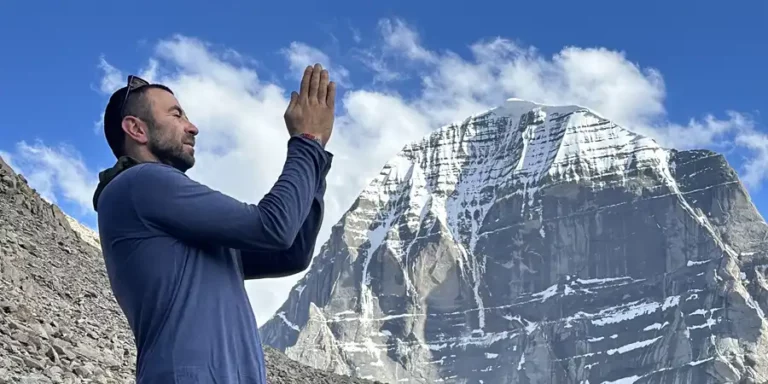
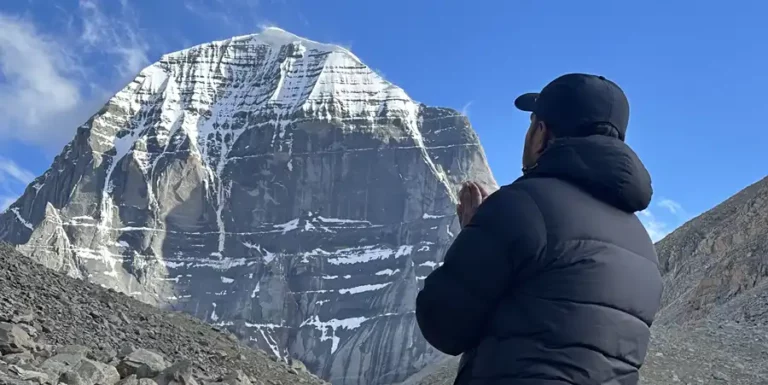
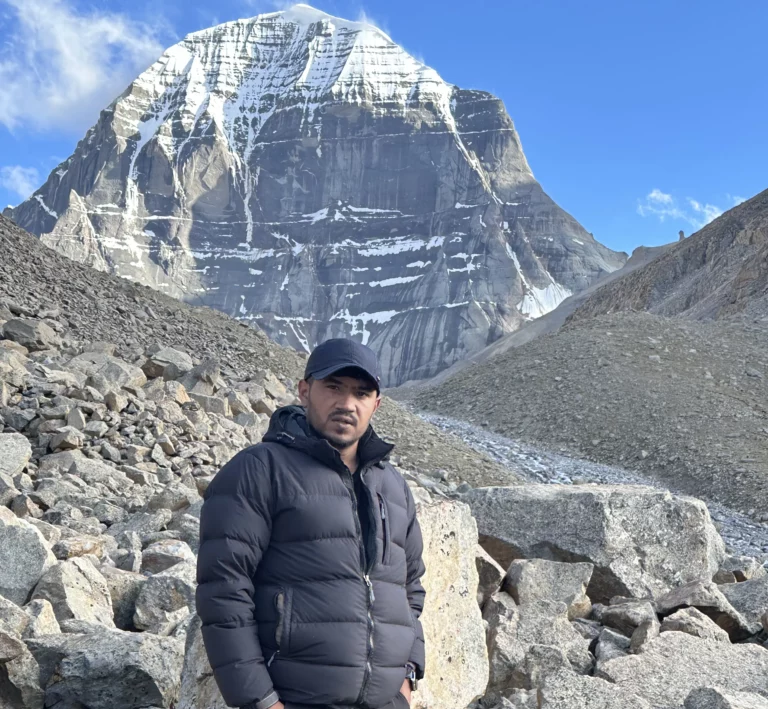
Ask us about the Lhasa Kailash Kathmandu Overland Tour
We reply from Kathmandu within 24 hours with available dates, your exact price and answers to your questions.
- 16 years guiding in the Himalaya
- Registered in Nepal, Reg. 187391
- Group departures of 12 travelers at most
- Private dates on any day
Call, WhatsApp or Viber
Lhasa Kailash Kathmandu Overland Tour, from US$ 2,219 per person. Dates and booking at treknepalhimalayas.com/trip/lhasa-kailash-kathmandu-overland-tour/
Trek Nepal Himalayas Pvt Ltd, Reg. 187391. Bhagawatisthan, Thamel, Kathmandu, Nepal. Call or WhatsApp +977 98510 13196. [email protected]