19 Days
Moderate
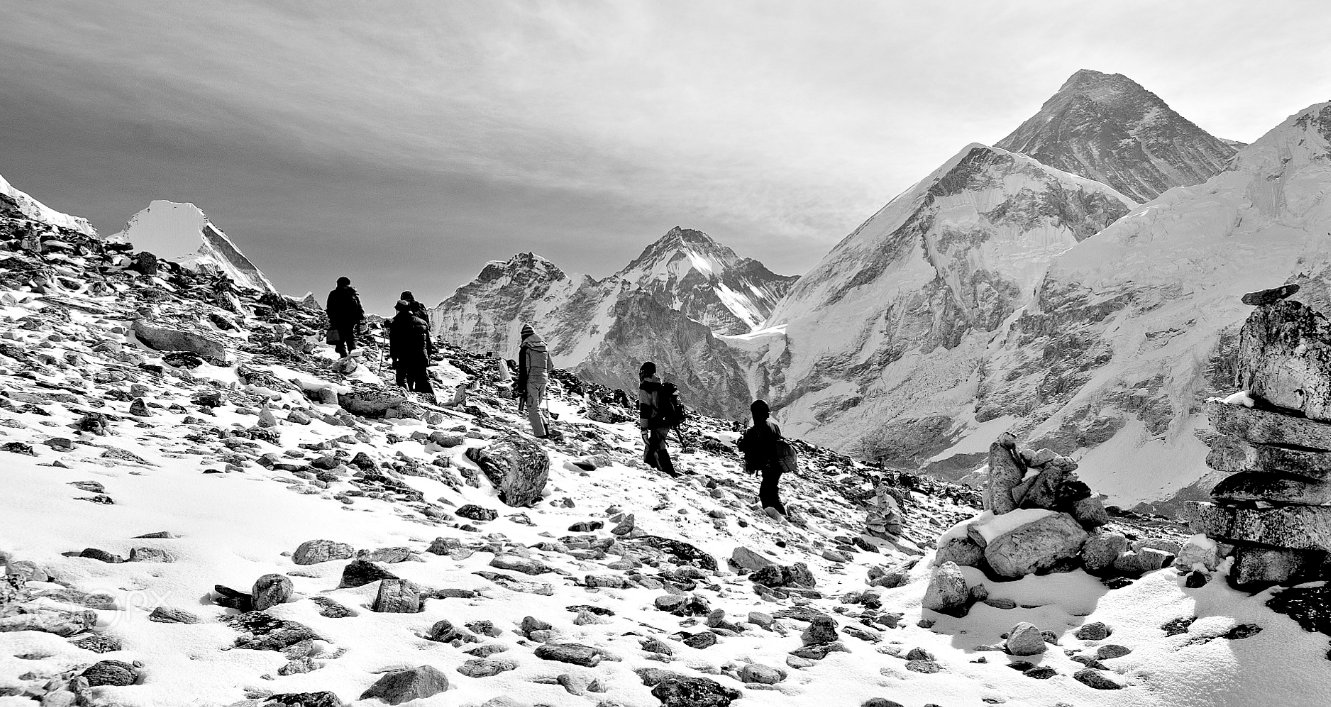
Kala Pathar is a well-known trekking spot in the Everest region of Nepal. It is famous for being the best place to see Mount Everest up close.
Perched at about 5,644 m (18,519 ft) on the south ridge of Mt. Pumori above Gorak Shep, this rocky peak offers trekkers a breathtaking panorama of Everest and the surrounding Himalayas.
Unlike Everest Base Camp in the valley, which is about 5,364 m high, Kala Pathar offers a clear view of Everest’s peak. This makes it a must-see for anyone trekking in the Khumbu region.
Kala Pathar is not a real mountain. It only rises about 10 meters. However, reaching the top is often the best part of the Everest Base Camp trek. This is true for both first-timers and experienced climbers.
Standing among colorful prayer flags, you can see Everest’s tall 8,849 m peak. You will understand why this place is so famous.
Every year, thousands of hikers visit this viewpoint. They want to see the 360° view of the Himalayas. They also enjoy being at a height greater than Everest Base Camp.
In this guide, we will cover everything about Kala Pathar. We will look at how people spell and refer to it. We will highlight what to expect when you reach the summit.
You will find a detailed day-by-day itinerary. We will discuss the best seasons to visit. You will get tips on acclimatization and gear. We will share insights into the local Sherpa culture.
Lastly, we will explain the trek and helicopter tour options our company offers. By the end, you will understand why Kala Pathar is seen as the best view of Everest. You will also be ready to start your adventure to this impressive peak.
One name, many spellings – Kala Pathar (often written Kala Patthar or Kala Pattar) refers to the same place. In Nepali, “Kala Patthar” literally means “Black Rock,” a nod to the dark rocky terrain of this peak.
The variation in spelling comes from the transliteration of Nepali into English. You might see it spelled with a double “t” as Patthar.
Some sources write it as Kala Pattar with one “h.” Others combine it as Kalapathar. Rest assured, all these names point to the same iconic viewpoint on Pumori’s ridge.
For example, trekking maps and local guides often use “Kala Patthar.” Many international trekkers look for “Kala Pathar” or “Kala Pattar.”
Even official records vary – the peak is sometimes listed as “Kala Pattar” in mountaineering databases. Despite the spelling differences, the meaning remains “black rock,” and all are pronounced similarly.
The key takeaway: Kala Pathar = Kala Patthar = Kala Pattar – different spellings, one epic destination. Don’t let the different names confuse you. They all lead to the same fantastic place with the best views of Everest.
Reaching the top of Kala Pathar is a great moment. It gives you amazing views of the Himalayas and a strong feeling of success. At the top of this black rocky knoll, you’re greeted by a panorama of legendary peaks.
Mount Everest stands tall, making you feel like you could touch it. It dominates the view with other giants like Lhotse (8,516 m), Nuptse (7,861 m), Pumori (7,161 m), and the beautiful Ama Dablam (6,814 m).
Kala Pathar is famous for its stunning view of Everest’s peak. It also offers a full 360° view of the nearby Himalayas. At over 5.6 km above sea level, you are at a height that needs no technical climbing.
This is often the highest point trekkers reach without a mountaineering permit. Feeling “on top of the world” is truly exciting.
One of the magical highlights is timing your ascent for sunrise or sunset. Many trekkers set out in the pre-dawn darkness from Gorak Shep to reach Kala Pathar’s summit at first light.
The nearby peaks shine pink and gold as the sun rises behind Everest. It is a beautiful and exciting sight. A sunset on Kala Pathar can be amazing. Everest’s great face catches the last amber light of the day.
The sky turns a bright orange. Whether you pick sunrise or sunset, the experience is unforgettable. The air is thin and cold. Your heart pounds with excitement from the altitude.
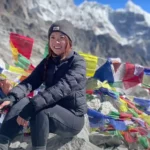
You are surrounded by many prayer flags left by those who hiked before you. It’s a potent reminder of nature’s beauty. Whether you are a first-time hiker or an experienced climber, this moment will stay with you forever.
Most trekkers reach Kala Pathar as part of the classic Everest Base Camp (EBC) trek. Here is a day-by-day itinerary that many people follow on this route. It highlights the Kala Pathar climb.
The itinerary has important acclimatization stops. These stops help your body adjust to the altitude. This dramatically increases your chances of a safe and enjoyable trek.
Day 1: Arrival in Kathmandu (1,350 m)
Your adventure begins in Nepal’s capital. After landing at Tribhuvan International Airport, you’ll be greeted by our team and transferred to your hotel. Spend the day resting and exploring the vibrant city.
In the evening, go to a trek briefing. Your guide will review the plan, check your gear, and give last-minute tips before your journey starts. A good night’s sleep is essential—the Himalayas await!
Day 2: Fly to Lukla (2,845 m) – Trek to Phakding (2,610 m)
An early morning 30-minute scenic flight takes you from Kathmandu to Lukla, the gateway to the Khumbu region. Once there, meet your team—porters and guides—and begin your trek.
The route starts with a gentle descent through lush green hills and past ancient stone walls. You’ll trek for 3–4 hours to reach Phakding, a small village beside the Dudh Koshi River.
Here, you get your first glimpses of the Himalayan landscape and cross-suspension bridges adorned with prayer flags. Enjoy your overnight stay in a cozy teahouse.
Day 3: Phakding to Namche Bazaar (3,440 m)
After a hearty breakfast, continue north along the Dudh Koshi River. You’ll soon enter Sagarmatha National Park at Monjo—ensure you have your permits ready.
The trail goes through pine forests and over high suspension bridges. This includes the famous Hillary Bridge. It gradually climbs up toward Namche Bazaar.
The day consists of a challenging uphill section where, on a clear day, you’ll see Mount Everest in the distance. By mid-afternoon, you arrive in Namche, a bustling Sherpa town that serves as the gateway to the high Himalayas. This is a well-deserved acclimatization day.
Day 4: Acclimatization in Namche Bazaar (3,440 m)
Acclimatization is essential for a safe trek. Today in Namche, your guide will take you on a short hike to a higher spot. Before returning, you might go to the Everest View Hotel, 3,880 meters high.
This “climb high, sleep low” practice boosts your body’s adaptation process. Explore local markets, enjoy a warm beverage, and rest up in preparation for the journey ahead.
Day 5: Namche to Tengboche (3,860 m)
Leave Namche and follow a high ridge that offers spectacular views of the Everest range. You pass by yak herders in the morning and may spot local wildlife such as Danphe pheasants.
After about 2 to 3 hours, go down to the riverside at Phungi Thenga (about 3,250 m). Then, climb for another two hours through pine and rhododendron forests until you reach Tengboche. Here, you will see the famous Tengboche Monastery.
It is the largest Buddhist monastery in the Everest region. You can also feel the spiritual energy of the mountains. Spend the afternoon exploring the monastery and return for an overnight stay.
Day 6: Tengboche to Dingboche (4,410 m)
Rise early to enjoy the sunrise over Tengboche before commencing your trek to Dingboche. The trail descends through forested slopes to Debuche, then crosses a suspension bridge over the Imja Khola. Afterward, the path climbs steadily toward Pangboche.
This is a traditional Sherpa village with a historical monastery. The trail continues through alpine terrain until you reach Dingboche. This takes about 5 to 6 hours. With its protective stone walls and terraced fields, Dingboche offers an idyllic yet challenging setting for high-altitude acclimatization.
Day 7: Acclimatization in Dingboche (4,410 m)
Spend another acclimatization day in Dingboche. Consider taking a side hike to Nangkartshang Hill (approx. 5,080 m) to enjoy astounding views of Makalu (8,485 m) and get closer looks at Ama Dablam, Lhotse, and the Nuptse-Lhotse ridge.
This 3–4 hour hike—up and back—will strengthen your acclimatization before the tougher days ahead. Return to Dingboche and take the rest of the day to relax and enjoy local hospitality.
Day 8: Dingboche to Lobuche (4,910 m)
Depart Dingboche and head into more rugged terrain as you leave behind the agricultural terraces. The trail slowly climbs to Dughla (Thukla) at about 15,157 feet. It is an excellent spot for a tea break.
You can also see memorial cairns for climbers and Sherpas who lost their lives. Continue along the side of the Khumbu Glacier to reach Lobuche. This is a quiet place where you will spend the night. This leg takes 5–6 hours and introduces you to the stark, mesmerizing beauty of the high Himalayas.
Day 9: Lobuche to Gorak Shep (5,164 m) – Everest Base Camp (5,364 m)
Today is a significant milestone. Start early from Lobuche and trek approximately 3 hours to Gorak Shep—the last settlement before Everest Base Camp. Although conditions at Gorak Shep are basic, you’ll prepare for the next challenge.
After a brief rest and meal, we set off for a round-trip hike from Gorak Shep to Everest Base Camp and back. Walk across icy land, admire the Khumbu Icefall, and enjoy being at the base of the world’s tallest mountain. In the evening, return to Gorak Shep for the night.
Day 10: Gorak Shep to Kala Pathar (5,644 m) – Descend to Pheriche (4,240 m)
Summit day! Before dawn, dress in your warmest gear and grab your headlamp for the final ascent to Kala Pathar. The climb is steep and takes roughly 1.5–2 hours, starting with a gentle slope that quickly becomes challenging. As the first light of day comes, you reach the top of Kala Pathar.
A group of prayer flags marks it. You are welcomed by a stunning sunrise that brightens Mount Everest, Nuptse, Changtse, Lhotse, and other nearby peaks. Savor this triumphant moment—snap a few photographs, reflect quietly—and descend to Gorak Shep for breakfast.
Later in the day, retrace your route from Lobuche and branch off to Pheriche, descending more than 1,400 m. Though the day is long, the descending pace makes it less strenuous as the oxygen improves with lower altitudes.
Day 11: Pheriche to Namche Bazaar (3,440 m)
Begin your return journey from Pheriche. The trail ascends into familiar surroundings, crossing through rhododendron forests and following paths that mirror your earlier ascent.
Enjoy the reverse views of Ama Dablam’s iconic profile and the Imja Koshi River. After a long day of trekking (6–8 hours), arrive again in Namche Bazaar. This return leg is a time to celebrate your progress and rest well after many days in the high Himalayas.
Day 12: Namche Bazaar to Lukla (2,845 m)
Today marks the final on-foot segment of your trek. Go back down the Dudh Koshi valley. Descend from Namche’s high slopes through lush forests. Cross the familiar suspension bridges.
In about 6 to 7 hours, you will slowly move from the high altitude back to the lower area of Lukla. Relish the last moments of the stunning mountainous landscape before arriving in Lukla in the late afternoon. Celebrate with your trekking crew, and tip your porters and guides who made this adventure possible.
Day 13: Fly from Lukla to Kathmandu
If weather permits, enjoy an early morning flight from Lukla and gradually ascend back to the bustle of Kathmandu. When you arrive, go to your hotel. Take the day to relax. Enjoy a hot shower or a massage. Think about the great memories from your trip.
Day 14: Departure or Next Adventure
Depending on your travel plans, depart from Kathmandu or extend your stay to explore Nepal further. When you leave, our team ensures you have a smooth ride to the airport. This way, you can fondly remember Kala Pathar and the Everest region.
Note: This itinerary is a flexible template. We can customize the trek by adding extra acclimatization days or incorporating a helicopter exit from Gorak Shep. The main parts of the trip include acclimatization in Namche and Dingboche.
You will visit Everest Base Camp and enjoy a memorable dawn hike to Kala Pathar. These elements stay the same to ensure your safety and enhance your experience.
Choosing the right season is crucial for a successful trek. Spring and autumn are The best times to trek in the Everest region, including Kala Pathar. This is from March to May and from September to November. These periods typically offer the most stable weather and the clearest mountain views.
Autumn (Sept-Nov)
This is regarded as the prime trekking season. The monsoon rains (June-August) have cleared the air of dust, resulting in crystal-clear skies from late September through November.
You can expect incredible views of the Himalayas almost every day. This is especially true in October and early November. During this time, the days are mild, and the nights are chilly. Autumn is also a culturally vibrant time, with festivals like Dashain, Tihar, and Mani Rimdu adding to the experience.
Spring (Mar-May)
As winter ends, spring brings warmer weather and bright scenery. Blooming rhododendrons add color to the landscape. Later in spring, there may be some haze from warmer temperatures. However, the conditions are still good. The area is busy with climbers and trekkers getting ready for the season.
Winter (Dec-Feb)
Winter trekking is possible for well-prepared adventurers. With crystal-clear skies and solitude on the trails, it’s a unique experience. The extreme cold can be brutal.
Temperatures at Gorak Shep can drop below -20°C (-4°F). Heavy snowfall can also make this season hard. Not all teahouses remain open, and flight delays are more frequent, so careful planning is required.
Monsoon/Summer (Jun-Aug)
This season is generally not recommended for trekking to Kala Pathar. Heavy rain, cloudy skies, and slippery trails can diminish the experience.
Additionally, weather delays, such as flight cancellations, are common. If summer is your only choice, consider options like our helicopter tour. Be ready for a wetter and less predictable hike.
In summary: Try to plan your trek in October–November or March–April. These months offer clear weather and good trekking conditions.
Late September or early December can work if you’re prepared for shoulder season conditions. Always allow extra buffer days in your schedule in case of unpredictable mountain weather.
Reaching Kala Pathar means encountering high altitudes where the oxygen level is roughly half that at sea level. Altitude sickness (Acute Mountain Sickness, AMS) is a genuine concern, but proper acclimatization minimizes risks. Here are essential tips:
Go Slow and Steady:
Climb gradually, especially above 3,000 m. Avoid rushing, allowing your body time to adjust with each step and incorporating necessary rest days.
Climb High, Sleep Low:
Maximize acclimatization by doing day hikes to higher elevations, then returning to sleep at a lower elevation. This strategy helps your body produce extra red blood cells without over-stressing them at night.
Stay Hydrated and Eat Well:
Aim for at least 3–4 liters of water daily, and consume a high-carbohydrate diet to fuel your body. Traditional warm drinks like ginger tea or garlic soup are popular among Sherpas. Avoid alcohol and cigarettes, as these hinder proper acclimatization.
Listen to Your Body:
Monitor yourself for symptoms like headache, nausea, fatigue, or dizziness. If these occur, communicate with your guide immediately. Sometimes, a short rest day is necessary; in severe cases, descending to a lower altitude may be required.
Acclimatization Medication:
Some trekkers choose to use Diamox (Acetazolamide) to help acclimatize faster. Consult your doctor beforehand if you’re considering medication. Remember, it’s an aid and not a substitute for gradual ascent.
Maintain Fitness and Health:
Good pre-trek physical preparation is beneficial; however, no amount of exercise can entirely prevent AMS. Regular cardio and hill training before the trek can improve your endurance.
Prioritize Rest and Sleep:
Rest is critical at high altitudes. Use earplugs if noise disrupts your sleep, and consider a safe sleep aid (consult your doctor) if necessary.
Use the Buddy System:
Trek with a partner or guide who can help notice if you’re experiencing symptoms of AMS, such as slurred speech or impaired balance. Adjust your pace as needed to ensure safety.
Following these practices and the planned acclimatization days will boost your chances of reaching Kala Pathar. You will feel strong and alert, ready to enjoy the fantastic views.
Good gear is important when hiking to Kala Pathar and Everest Base Camp. You will experience different climates, from warm valleys to cold, icy areas. Ensure you’re fully prepared with this comprehensive gear checklist:
Sturdy Trekking Boots: Well-broken-in, waterproof boots with robust ankle support are crucial for rocky, uneven terrain.
Trekking Socks: Pack 4–5 pairs of moisture-wicking socks, preferably merino wool or synthetic, along with liner socks. Change them daily to avoid blisters.
Base Layers: Include 2–3 moisture-wicking base layer tops and 2 pairs of base layer leggings. Choose materials that wick sweat away to keep you dry.
Insulating Layers: Bring a fleece jacket or pullover and a light insulated jacket. A packable down or heavy synthetic insulated jacket is necessary for cold nights and summit mornings.
Outer Shell (Waterproof Jacket & Pants): Bring a waterproof and windproof jacket with a hood. Also, pack waterproof pants to stay dry in rain or sudden cold winds.
Trekking Pants: Pack two pairs of quick-drying trekking pants. Convertible zip-off types are useful in adapting to changing weather conditions.
Thermal Underwear: A set of thermal long underwear (top and bottom) provides additional warmth during cold conditions.
Accessories (Head & Hands):
Backpack (Daypack): A 30–40 liter daypack for daily essentials like water, snacks, an extra layer, rain gear, and a first aid kit. Use internal waterproof pouches with a hip belt and rain cover to ensure they fit comfortably.
Sleeping Bag: A good sleeping bag should be rated for temperatures down to at least -10°C to -15°C (10°F to 5°F). This is important for cold nights. A liner can help improve warmth and keep the bag clean.
Trekking Poles: Trekking poles are great for helping you keep your balance. They also reduce strain on your knees when going downhill.
Headlamp: A head-mounted light with extra batteries is important for early morning climbs. It also helps you find your way in dark teahouses.
Water Bottles / Hydration Bladder: Carry enough water (2–3 liters capacity) using reliable water bottles or a CamelBak. Insulation is advised to prevent freezing.
Sunscreen and Lip Balm: Use high-SPF sunscreen (50+ SPF) and SPF lip balm. They protect your skin from strong UV rays, especially when snow reflects the sun.
Sunglasses: Quality sunglasses with 100% UV protection will shield your eyes from strong sunlight and glare at high altitudes.
A personal first aid kit should have the following items:
You might also include Diamox. Consider extras like a thermometer and pulse oximeter if desired.
Snacks and Energy Food:
High-energy snacks can help you stay energized on long hikes. Good options include trail mix, chocolate, protein bars, and electrolyte tablets.
Clothing for Teahouse Evenings: A comfortable change of clothes (tracksuit bottoms, a spare shirt, and light shoes) for downtime in the lodges.
Rain Poncho or Backpack Cover:
A light rain poncho can keep you dry. A cover for your backpack will protect your belongings. Both are useful during unexpected rain.
Miscellaneous:
Packaging is about balance—be prepared for cold, rain, and varying conditions without overloading yourself. A typical setup might include a 10–12 kg duffel for porter-carried gear and a 5–7 kg daypack for daily essentials.
Change based on your needs, but always choose reliable, high-quality gear. This will help keep you safe and comfortable during your trek.
Trekking to Kala Pathar is a physical challenge. It also offers a deep cultural experience in the Sherpa homeland. This journey will show you the unique lifestyle, traditions, and spirituality of the people in this remote Himalayan area.
Sherpa Villages & Lifestyle
The trek winds through numerous Sherpa villages such as Namche Bazaar, Khumjung, Tengboche, Pangboche, and Pheriche. Here, you’ll see traditional stone houses and fields protected by stone walls, with vibrant prayer flags fluttering above.
The Sherpas, known for their warm hospitality and deep-rooted traditions, practice Tibetan Buddhism. Their daily lives include prayer wheels, mani stones with mantras like “Om Mani Padme Hum,” and small stupas.
These elements show a special spiritual bond with the mountains. Interaction with locals by exchanging greetings like “Tashi Delek” or “Dhanyabad” enriches your journey and fosters cultural understanding.
The Teahouse Experience
Most of the places to stay on the trek are teahouses. These are family-run lodges. They provide basic, comfortable rooms. You can also enjoy meals together around wood-burning stoves.
Meals feature traditional Nepali foods like dal bhat, momos, and Sherpa stews. Some places also offer a surprising range of baked treats. The teahouse experience provides a necessary resting point and an intimate glimpse into local culture and hospitality.
Monasteries and Spiritual Heritage
The spiritual heart of the Khumbu is expressed through its Buddhist monasteries. Tengboche Monastery, prominently situated on a ridge with breathtaking views, is the region’s largest and most revered.
Other ancient monasteries, like the one in Pangboche, date back centuries and carry rich histories. When you visit these sacred sites, you might hear monks chanting. You can see colorful prayer flags. You will feel deep spirituality that shows how much the Sherpas respect the mountains.
Cultural Etiquette and Interaction
When traversing the Khumbu, show respect by:
Respect for Nature and Traditions
The Sherpa culture emphasizes a deep respect for nature. The Khumbu region, part of a UNESCO World Heritage site, is home to rare wildlife and pristine glaciers.
Sherpas avoid harming wildlife, reflecting their Buddhist practice of non-violence. As you trek, you may see the herd of yaks transporting supplies or hear local legends about mountain spirits.
This respect for nature and heritage is a big part of life in these high passes. It will leave a lasting impression on you.
Travel Options Offered by Alpine Luxury Treks
We offer a variety of experiences in the Everest region. You can choose from classic trekking, a luxury trip with extra comforts, or a quick, exciting helicopter tour.
Everest Base Camp Trek (Classic Kala Pathar Trek)
This is the classic 12- to 14-day trek from Lukla to Lukla. It goes through Everest Base Camp and ends with a sunrise climb to Kala Pathar. With the help of skilled Sherpa teams, you will walk through beautiful villages.
You will cross suspension bridges over loud rivers and slowly get used to the trail. The journey lets you fully experience the Himalayan environment.
It ends with the amazing moment you stand on Kala Pathar and look directly at Everest. With all logistics—flights, permits, accommodation, and meals—handled for you, this trek is an unparalleled adventure.
Everest Base Camp Luxury Lodge Trek
If you want the adventure of a classic trek with extra comforts, our Luxury Lodge Trek is perfect for you. It follows the same path as the regular trek. It includes the famous Kala Pathar climb.
However, it offers better places to stay and a slower pace. Enjoy private bathrooms, hot showers, and better meal options when available.
This makes your journey more comfortable. You will still see the amazing views and have an immersive experience in the Everest region.
Everest Helicopter Tour with Kala Pathar Landing
Our Everest Helicopter Tour is a great option if you have little time or want an easier adventure. You will fly from Kathmandu to the Everest region in just half a day.
You will land briefly at Kala Pathar to see a great view of Everest. Then, you will return to Kathmandu. This luxurious tour gives you a unique experience.
You can see the majestic peaks much faster than walking.
Your choice depends on your interests, fitness, time, and budget. The classic trek is immersive and perfect for those with a few weeks to spare, while the Luxury Lodge option provides added comfort.
Alternatively, the Helicopter Tour offers a quick yet breathtaking glimpse of Everest’s grandeur. We can also customize your journey by combining elements to create the perfect itinerary tailored for you.
Photography Tips at Kala Pathar
Capturing the beauty of Kala Pathar is an essential part of the trek. Here are some tips for documenting your unforgettable journey:
Timing – Sunrise vs. Sunset:
Light is everything at high altitudes. Many trekkers like to climb at sunrise. The early light changes Everest and the nearby peaks into a beautiful scene. At true sunrise, however, Everest may appear as a dark silhouette.
The magic comes a few minutes later when the sun rises higher and bathes the mountains in golden light. Alternatively, sunset offers a rich orange glow, though later in the day, it often comes with increased cloud cover. Consider timing your ascent for sunrise for the clearest views.
Gear and Batteries:
High altitudes can quickly drain battery life. Bring spare batteries and keep them warm in your inner pockets. Ensure your camera or smartphone is fully charged before you start your day. You might also want a portable power bank as a backup.
Lens Choices:
A wide-angle lens is ideal for capturing the expansive Himalayan panorama. A telephoto lens will be valuable for close-up shots of distant peaks like Everest’s summit pyramid. If you’re using a smartphone, experiment with the panorama mode to capture the full scope of the view.
Exposure Settings and Filters:
High-altitude sunlight can be extremely bright, and settings may need adjusting to avoid underexposure or overexposure. Use exposure compensation as needed, and consider a polarizing filter for enhancing blue skies and reducing glare.
Composition and Angles:
Look for interesting foreground elements such as prayer flags or a trekking companion to add depth and scale to your photos. Don’t hesitate to move to different vantage points along the ridge for unique perspectives.
Safety While Shooting:
Always prioritize safety when photographing. Stay away from risky spots near drop-offs. Use a wrist or neck strap to secure your camera or phone. This will help prevent accidental drops. Maintain awareness of your footing, particularly in precarious high-altitude terrain.
Drone Photography:
Although drones can capture stunning aerial views, they are heavily restricted in this region. Ensure you comply with all local regulations and obtain necessary permits if you choose to fly one. Many trekkers find excellent alternative perspectives through the helicopter tour.
Enjoy the Moment:
It’s important to document your experience. However, take some time to enjoy the amazing view without your camera. Some of the best memories are those captured in your heart rather than just on an SD card.
What is Kala Pathar, and why is it so famous?
Kala Pathar is a high viewpoint in Nepal’s Everest region. It is about 5,644 meters (18,519 feet) tall. This spot is the best place to see Mount Everest up close.
On a rocky hill below Pumori, above Gorak Shep, you get a 360° view of Everest’s summit and nearby peaks. This view is not available at Everest Base Camp. The name “Black Rock” comes from its look. It is a must-visit for great photos and a feeling of success.
Is Kala Pathar higher than Everest Base Camp?
Yes. Everest Base Camp is about 5,364 m (17,598 ft) high. Kala Pathar is around 5,644 m (18,519 ft) high. This makes it about 280 m (920 ft) taller. This extra height lets trekkers see the summit of Everest. The peak is hidden when viewed from Base Camp.
Can you see Mount Everest from Everest Base Camp?
Not entirely—the summit of Everest is obstructed by the massive wall of Nuptse when viewed from Base Camp. Kala Pathar offers a clear view of Everest’s summit and nearby peaks. This makes it a must-visit spot for trekkers wanting a real Everest experience.
How challenging is the trek to Kala Pathar? Do I need prior trekking experience?
The hike to Kala Pathar is part of the Everest Base Camp trek. It is challenging but doable for people with good health and some fitness. While some prior multi-day trekking experience can be helpful, it is not mandatory.
The main challenges are the trip length (about 11–14 days), high altitude, and steep, tough parts. This is especially true for the final climb up Kala Pathar. With proper acclimatization and guidance from experienced Sherpa teams, even novice trekkers can successfully reach Kala Pathar.
What permits or fees are required to trek to Kala Pathar?
Trekkers need two main permits to visit the Everest region. These are the Sagarmatha National Park Entry Permit and the Khumbu Pasang Lhamu Rural Municipality Permit.
These permits are available in Kathmandu or at checkpoint locations along the trek. Our team takes care of all the permits ahead of time. This way, you won’t have to worry about paperwork on the trail.
When is the best time to trek to Kala Pathar?
The best times are spring (March to May) and autumn (late September to November). During these times, the weather is stable, and the skies are clear. Spring brings bright flowers and lively activity. Autumn offers clear, blue skies and cultural events that improve the journey.
How do I manage altitude sickness while trekking?
Altitude sickness can be managed effectively with gradual ascent, proper hydration, a high-carbohydrate diet, and scheduled acclimatization days.
Pay close attention to symptoms such as headaches, nausea, or dizziness, and always communicate with your guide.
Should symptoms worsen, descending to a lower altitude is crucial. Following these guidelines minimizes the risk of severe altitude sickness and ensures a successful trek.
Is it necessary to have a guide for this trek?
Yes. Current rules say that foreign hikers in Nepal’s national parks must trek with a guide or in a guided group. Additionally, a knowledgeable guide enhances your experience by aiding navigation, explaining local customs, and ensuring safety. Trekking with a guide simplifies logistical challenges such as permits and accommodations.
What are the accommodations and food like during the trek?
Accommodations are provided in teahouses—family-run lodges offering basic yet comfortable rooms. Rooms usually have a shared setup with basic bedding and few amenities.
Bathrooms might be shared or very simple. Meals are filling and healthy. They include traditional Nepali dishes like dal bhat, momos, and noodle soups.
You can also enjoy treats from local bakeries. The teahouse experience is simple but essential. It gives an authentic taste of local hospitality.
Plan Your Kala Pathar Trek with Us
Ready to stand in the shadow of Everest and witness the Himalayas from Kala Pathar’s summit? Our team is here to turn your dream into reality. We have many years of experience guiding trekkers in the Everest region.
We offer valuable knowledge and personal service. Our passion for the mountains drives us. We handle all logistics, including permits, flights, accommodations, and safety protocols. This way, you can focus completely on your adventure.
Why Choose Us:
Don’t just dream about it—experience it. Contact us today to plan your Kala Pathar adventure. Our team is eager to assist if you have questions or are ready to book.
Let us help you create a journey. This journey will take you to one of the world’s most famous viewpoints. It will also enrich your mind and soul with cultural and natural wonders. The mountains are calling—will you answer?