Gangkhar Puensum Base Camp Trek
Our trips are rated 5 out of 5 in more than 950 traveler reviews.
Trip overview
Our Gangkhar Puensum Base Camp Trek is a 14-day journey to the southeast base camp of Gangkhar Puensum, at 7,570 m the highest mountain in Bhutan and the highest unclimbed peak in the world. The trek follows the Chamkhar Chhu north from Bumthang for eight days on foot, and includes the visa, Sustainable Development Fee, guide, camp crew, pack animals, tents, meals, hotels and domestic flights between Paro and Bumthang.
It suits trekkers who want true wilderness without the length and risk of the Snowman Trek. Few groups walk this valley each year, and the trail passes only herders’ huts and the small monastery at Tsampa before reaching the high pastures of Bamurpa at about 4,500 m.
We fly between Paro and Bumthang rather than spend two long days on the road each way, which gives you a full acclimatisation day in Bumthang before the trek. The ascent is gradual, with no stage gaining more than about 650 m.
The honest part: this is camping in remote country with no lodges, no shops and no phone signal for most of the trek. Nights at Shingo and Bamurpa drop well below freezing, and the domestic flight can be delayed by weather.
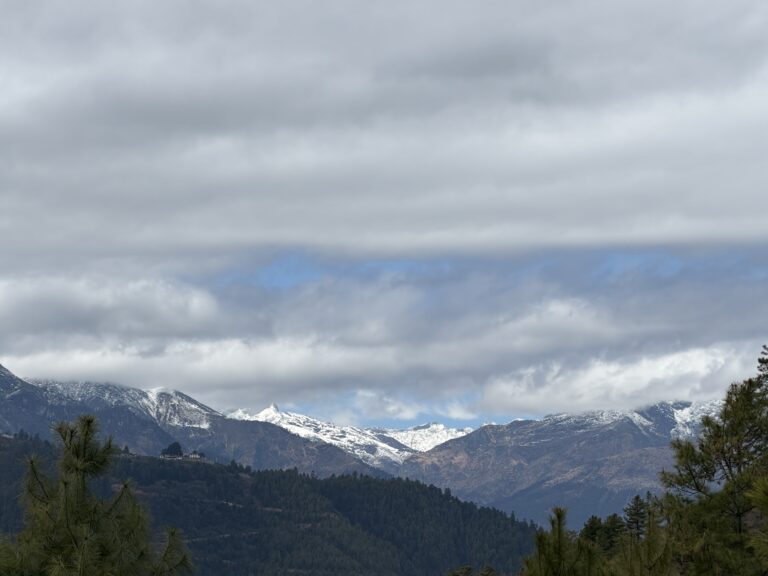
The reward is a valley almost nobody sees, with blue sheep on the slopes, yak pastures under the glaciers and a ridge above Bamurpa that looks toward the Gangkhar Puensum massif. Shorter stages leave time to enjoy it.
Prices start at US$ 3,230 per person in a group of six or more and US$ 3,875 each for two. For a classic western trek, see our Jomolhari Trek, or our Bumthang Tour for the valley without camping.
Highlights
- Gangkhar Puensum southeast base camp at Bamurpa, about 4,500 m
- The highest unclimbed mountain in the world, closed to climbing since 2003
- Tsampa Monastery, a small temple deep in the Chamkhar Chhu valley
- A full exploration day at Bamurpa for ridge views and blue sheep
- Short, gradual stages, with no day gaining more than about 650 m
- Bumthang temples, including Jambay Lhakhang and Kurjey Lhakhang
- Domestic flights between Paro and Bumthang to save four days of driving
- Tiger’s Nest hike above Paro before the trek
Itinerary
Altitude profile
On footBy roadBy air
The altitude listed for each day, from 2,250 m to 4,500 m. Select a point to read that day.
The highest point on the route is 4,500 m.How we handle altitude
- Nights
- 7 nights in tents, 6 nights in 3-star hotels
- Meals in the price
- 13 breakfasts, 13 lunches, 13 dinners
- On the move
- 9 days on foot, 3 days by road, 2 days with a flight
Day 1Arrive in Paro2,250 m
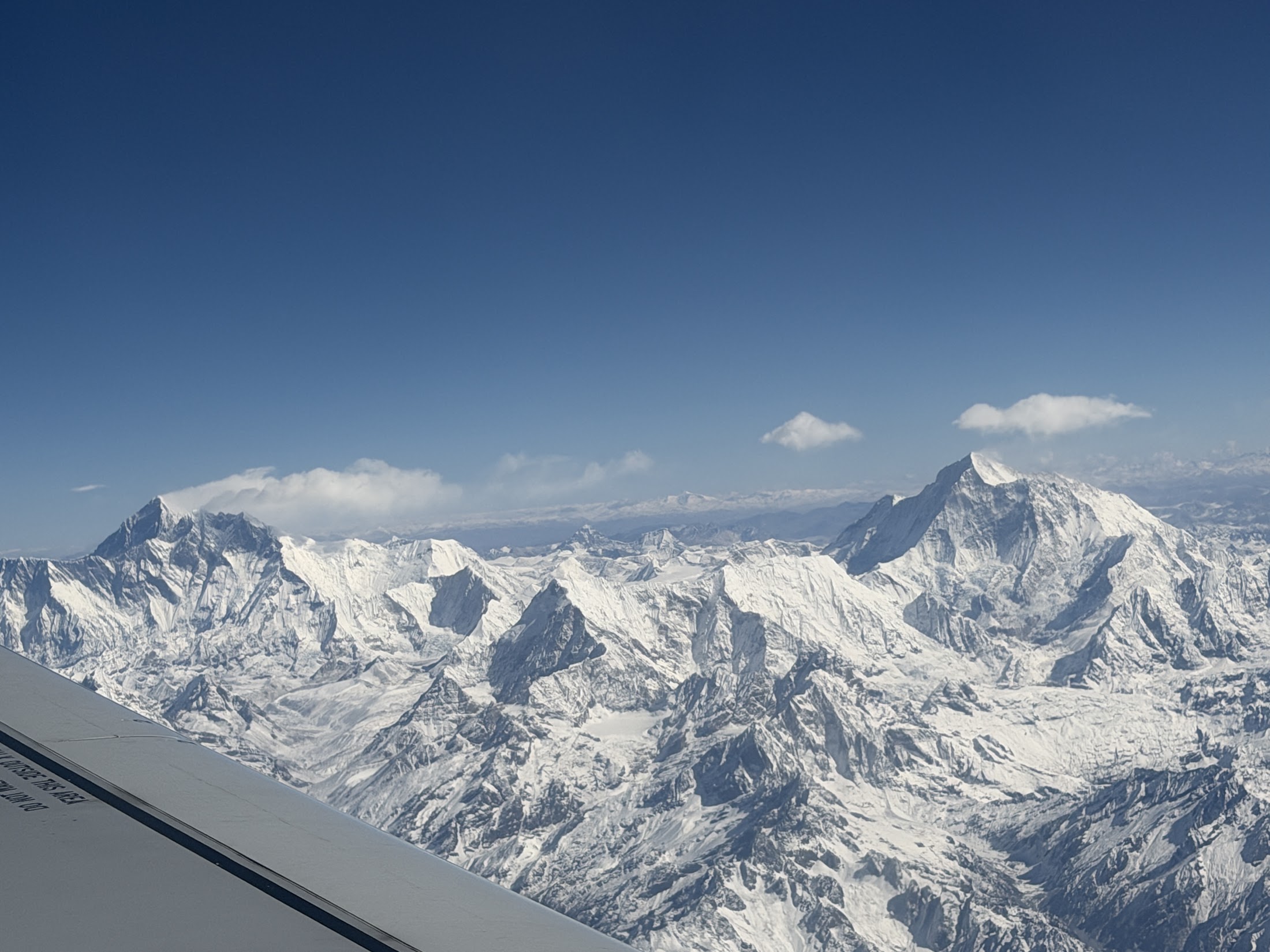
The Gangkhar Puensum Base Camp Trek starts with the flight into Paro, one of the most dramatic landings in Asia. On a clear day from Kathmandu, a seat on the left gives views of Everest, Kangchenjunga and the Bhutan Himalaya on the way in.
Our trekking guide meets you outside the terminal at about 2,250 m and drives you to the hotel. After lunch, we keep the afternoon easy so your body can begin to adjust to the height.
In the late afternoon, we walk across the covered bridge to the Rinpung Dzong and up to the National Museum in its old watchtower, about two kilometres with 100 m of climbing. The guide explains the valley’s history as we go.
In the evening, the guide holds a full briefing on the trek, the domestic flights, the camp routine and what the horses carry, and checks your boots, sleeping bag and warm layers. Anything missing can be hired or bought in Paro tomorrow. Dinner and the night are at a 3-star hotel in Paro.
- TravelCar, 30-60 minutes
- Stay3-Star Hotel
- MealsLunch, Dinner
Day 2Tiger's Nest hike3,120 m
Today’s hike to Paro Taktsang, the Tiger’s Nest monastery, is both a highlight of Bhutan and a useful first step in acclimatisation for the Gangkhar Puensum Base Camp Trek. We start early from the trailhead at about 2,600 m to walk in the cool of the morning.
The path climbs about 500 m through blue pine and oak to the cafeteria viewpoint, then drops into a gorge past a waterfall and climbs again to the monastery gate at about 3,120 m. It is a good test of your pace and boots before the real trek.
Inside, the guide tells the story of Guru Rinpoche, who is said to have flown here on a tigress in the eighth century to meditate in the caves. Cameras and bags stay at the gate.
The round trip covers about eight kilometres in four to five hours, with lunch at the cafeteria on the way down. In the afternoon, we visit Kyichu Lhakhang, one of Bhutan’s oldest temples, and collect any hired gear. Dinner and the night are at the same hotel in Paro.
- TravelHiking, 4-6 hours
- Stay3-Star Hotel
- MealsBreakfast, Lunch, Dinner
Day 3Fly Paro to Bumthang2,800 m
A morning Drukair flight takes us from Paro to Bathpalathang airport in Bumthang in about 30 minutes, flying east along the Himalaya. On a clear day, the high peaks of northern Bhutan, possibly including Gangkhar Puensum itself, appear to the north of the plane.
The flight replaces a drive of eight to ten hours over three passes, which is why we use it on the Gangkhar Puensum Base Camp Trek. It depends on weather, and if it is cancelled, we drive instead with an overnight stop on the way.
Jakar, the main town of Bumthang, sits at about 2,800 m in the Chamkhar valley, the same river we follow north on the trek. After settling in, we walk up to Jakar Dzong, the castle of the white bird, about 20 minutes on a gentle slope.
The afternoon is free to rest, stroll the town and adjust to the height. The guide meets the camp crew and horsemen, checks supplies and confirms the trek plan. Dinner and the night are at a 3-star hotel in Jakar, with wood stoves in many rooms.
- TravelFlight, 30-60 minutes
- Stay3-Star Hotel
- MealsBreakfast, Lunch, Dinner
Day 4Bumthang temples and acclimatisation2,800 m
A full day in Bumthang lets your body adjust to the height before the Gangkhar Puensum Base Camp Trek begins. We spend it among the old temples of the Chokhor valley, all within a short drive or walk of Jakar.
We start at Jambay Lhakhang, believed to date from the seventh century, and continue to Kurjey Lhakhang, where Guru Rinpoche is said to have left his body print in the rock. From Kurjey, a suspension bridge and a 30-minute walk lead to Tamshing Lhakhang, founded in 1501, with very old wall paintings.
In the afternoon, we drive into the Tang valley to Mebar Tsho, the Burning Lake, a pool in a river gorge linked with the treasure revealer Pema Lingpa. The day includes about six kilometres of easy walking at about 2,700 to 2,900 m.
In the evening, the guide checks your oxygen levels for the first time and holds a final trek briefing. Pack your main bag for the horses and your daypack for tomorrow. Dinner and the night are at the same 3-star hotel in Jakar.
- TravelCar, 30-60 minutes
- Stay3-Star Hotel
- MealsBreakfast, Lunch, Dinner
Day 5Nasiphel to Sadduksum3,125 m
A short drive north from Jakar along the Chamkhar Chhu brings us to Nasiphel, at about 2,850 m, where the road ends and the Gangkhar Puensum Base Camp Trek begins. The horsemen load the gear here while we start walking up the valley.
The trail follows the river north through mixed forest of blue pine, spruce and birch, with a few farm buildings and fields near the start. It is a gentle first day of about 11 km and four to five hours, with a gain of about 450 m and a loss of about 150 m.
The valley soon closes in, and the path crosses side streams on log bridges and climbs over small ridges. We stop for a packed lunch by the river, and the guide watches each trekker’s pace and breathing on this first stage.
Camp tonight is at Sadduksum, at about 3,125 m, in a clearing beside the Chamkhar Chhu. The crew has the tents, dining tent and toilet tent up when you arrive, with tea and biscuits waiting. Dinner is in the dining tent, and the night is in a two-person sleeping tent.
- TravelTrekking, 4-6 hours
- StayTented Camp
- MealsBreakfast, Lunch, Dinner
Day 6Sadduksum to Tsampa3,700 m
The trail climbs more steadily today, about 13 km and five to six hours with a gain of about 650 m, the largest climb of the Gangkhar Puensum Base Camp Trek. We walk at a slow, steady pace with regular breaks.
The forest changes as we climb, from spruce and birch into fir, juniper and rhododendron, which flowers in red, pink and white in spring. The river runs fast and clear below, and the valley walls rise higher on both sides.
In the afternoon, we reach Tsampa, at about 3,700 m, where a small monastery stands on the slope above the river. If a caretaker monk is present, we can visit the shrine room and learn about the lamas who meditated in this remote valley.
Camp tonight is near Tsampa, on a meadow with views up the valley. The night is noticeably colder than Sadduksum, so wear your warm layers at dinner. The guide checks oxygen levels and pulse before you sleep, and the night is in camp.
- TravelTrekking, 4-6 hours
- StayTented Camp
- MealsBreakfast, Lunch, Dinner
Day 7Tsampa to Shingo4,200 m
The Gangkhar Puensum Base Camp Trek moves above the tree line today. The stage is about 9 km and four to five hours, with a gain of about 500 m, and the guide keeps the pace deliberately slow as we pass 4,000 m.
The forest thins into juniper and dwarf rhododendron, then opens into high pastures with stone walls and herders’ shelters. Blue sheep often graze on the slopes here, and the guide watches the ridges for them and for golden eagles and lammergeiers.
Snow peaks begin to appear at the head of the valley, and the river becomes a glacial stream. We have lunch in a sheltered spot and arrive at camp in the early afternoon, which leaves time to rest and adjust.
Camp tonight is at Shingo, at about 4,200 m, on a pasture used by yak herders in summer. Nights drop well below freezing, so a good sleeping bag matters.
Drink plenty of water, and tell the guide about any headache when he checks your oxygen levels. The night is in camp.
- TravelTrekking, 4-6 hours
- StayTented Camp
- MealsBreakfast, Lunch, Dinner
Day 8Shingo to Bamurpa base camp4,500 m
The shortest stage of the Gangkhar Puensum Base Camp Trek brings us to the southeast base camp. It is only about 5 km and three hours, with a gain of about 500 m, which keeps the climb gentle at this height.
The trail follows the glacial stream up a broad valley of grass, moraine and boulders. Blue sheep are common on these slopes, and the guide often spots herds grazing high above the path in the morning light.
Bamurpa, at about 4,500 m, is a high pasture known as the southeast base camp of Gangkhar Puensum. To the northwest, a ridge rises above camp, and to the west, a high pass leads toward the southern base camp, though that crossing is not an established trekking route.
We arrive by lunchtime, and the afternoon is for rest, hot drinks and short walks near camp to help acclimatise. The guide checks oxygen levels carefully this evening, since this is the highest camp of the trek. Dinner is early, and the night is in camp under a sky full of stars.
- TravelTrekking, 1-3 hours
- StayTented Camp
- MealsBreakfast, Lunch, Dinner
Day 9Exploration day at Bamurpa4,500 m
Today is the reason for the Gangkhar Puensum Base Camp Trek: a full day to explore around Bamurpa. In clear weather, we climb the ridge to the northwest of camp for views toward the Gangkhar Puensum massif and the glaciers below it.
The climb is steady on grass and loose rock, and the guide sets the pace by how the group is breathing. We stop well before the top if anyone feels unwell, and the guide decides the turnaround point by the weather and the time.
Gangkhar Puensum, at 7,570 m, is the highest mountain in Bhutan and has never been climbed. Climbing peaks above 6,000 m has been banned in Bhutan since 2003, out of respect for the mountain deities, so it is likely to stay that way.
The walk takes four to five hours return, with lunch on the ridge or back in camp. In the afternoon, rest, read or walk quietly near the stream, where blue sheep often come down to graze. Dinner is in the dining tent, and the night is a second one in camp at Bamurpa.
- TravelHiking, 4-6 hours
- StayTented Camp
- MealsBreakfast, Lunch, Dinner
Day 10Bamurpa to Tsampa3,700 m
We start the return on the Gangkhar Puensum Base Camp Trek today, retracing the valley in a long descent of about 14 km and six to seven hours. The trail drops about 1,000 m from Bamurpa to Tsampa, past Shingo and into the forest again.
Walking down the same valley feels different from walking up it. The light falls the other way, the views open south down the Chamkhar Chhu, and with more oxygen in the air most trekkers find their energy returns as the day goes on.
The descent is steady rather than steep, but it is long, so trekking poles help protect the knees. We have lunch at Shingo or a sheltered spot below it, and the guide keeps the group together through the forest.
Camp tonight is back at Tsampa, at about 3,700 m, near the monastery. After the cold nights at Bamurpa, the camp feels warm and comfortable.
The guide checks oxygen levels, which are usually much better now. Dinner is in the dining tent, and the night is in camp.
- TravelTrekking, 7-9 hours
- StayTented Camp
- MealsBreakfast, Lunch, Dinner
Day 11Tsampa to Sadduksum3,125 m
The Gangkhar Puensum Base Camp Trek continues down the Chamkhar Chhu today, about 13 km and four to five hours with a loss of about 650 m. It is an easy, pleasant day through the forest, with time to enjoy the river and the birds.
In spring, the rhododendrons are often in fuller flower on the way down than on the way up, and the forest is loud with birdsong. Look for laughingthrushes, nuthatches and, if you are lucky, a monal pheasant on the open slopes.
We stop for a long lunch by the river, and the guide may suggest a short detour to a herders’ camp or a viewpoint if the group has the energy. The pace is relaxed, since this is the shortest descent of the trek.
Camp tonight is back at Sadduksum, at about 3,125 m, beside the river. In the evening, the crew often prepares a farewell meal for the last night of camping, and the horsemen may sing. Dinner is in the dining tent, and the night is in camp.
- TravelTrekking, 4-6 hours
- StayTented Camp
- MealsBreakfast, Lunch, Dinner
Day 12Sadduksum to Nasiphel and drive to Jakar2,800 m
The last stage of the Gangkhar Puensum Base Camp Trek is about 11 km and three to four hours, following the river back to the roadhead at Nasiphel. There is a short climb of about 150 m along the way and a loss of about 450 m in total.
The trail leaves the deep forest and passes the first farm fields again, a sign that the wilderness is behind us. We say goodbye to the horsemen and crew at Nasiphel, where they load their animals and head home.
A private vehicle meets us at the road for the short drive back to Jakar. The afternoon is free for a hot shower, laundry and a proper bed, and perhaps a walk to the town’s small brewery or cheese factory.
In the evening, we share a celebration dinner with the guide, who looks back over the route with you, camp by camp. The guide also confirms the morning flight to Paro. Dinner and the night are at a 3-star hotel in Jakar, at about 2,800 m.
- TravelTrekking, 1-3 hours
- Stay3-Star Hotel
- MealsBreakfast, Lunch, Dinner
Day 13Fly Bumthang to Paro2,250 m
A short transfer takes us to Bathpalathang airport for the Drukair flight back to Paro, about 30 minutes over the ridges of central Bhutan. On a clear morning, the high Himalaya to the north is a fine farewell to the mountains you just walked beneath.
If the flight is cancelled for weather, we drive back to Paro over two days via Trongsa and Punakha, and the extra night is not included. The guide confirms the flight time the evening before and keeps a close eye on the weather.
Back in Paro at about 2,250 m, the afternoon is free. You might walk through the town for textiles and crafts, visit the National Museum if you missed it, or simply rest after the trek.
If there is time, the guide can arrange a traditional hot stone bath at a farmhouse, at extra cost, which many trekkers enjoy after camping. In the evening, we share a farewell dinner. The night is at a 3-star hotel in Paro.
- TravelFlight, 30-60 minutes
- Stay3-Star Hotel
- MealsBreakfast, Lunch, Dinner
Day 14Depart Paro2,250 m
Your Gangkhar Puensum Base Camp Trek ends this morning with the transfer to Paro airport, about fifteen minutes from most hotels. Flights from Paro usually leave in the morning, since the narrow valley is safest to fly in calm air.
After breakfast, our guide and driver take you to the terminal and help with check-in. Keep your passport, printed visa clearance and boarding details together, and make sure trekking poles go in your checked luggage.
On the flight out, a seat on the right side when flying to Kathmandu or Delhi gives one last view of the Himalaya. On a clear day, the guide can point out roughly where the Chamkhar Chhu valley lies.
If you have time before an onward flight, we can arrange extra nights in Paro, a festival visit or a connection to Nepal for more trekking. Across fourteen days, you will have reached a base camp that very few travellers ever see. Thank you for trekking with us.
- TravelCar, 30-60 minutes
- MealsBreakfast
What's included
Included in the price
- Bhutan visa: the visa application and US$ 40 fee
- Sustainable Development Fee: US$ 100 per person for each of the 13 nights
- Domestic flights: Paro to Bumthang and back on Drukair, subject to schedule
- Trekking guide: a licensed English-speaking Bhutanese guide trained in first aid
- Camp crew: cook, assistant cooks and horsemen
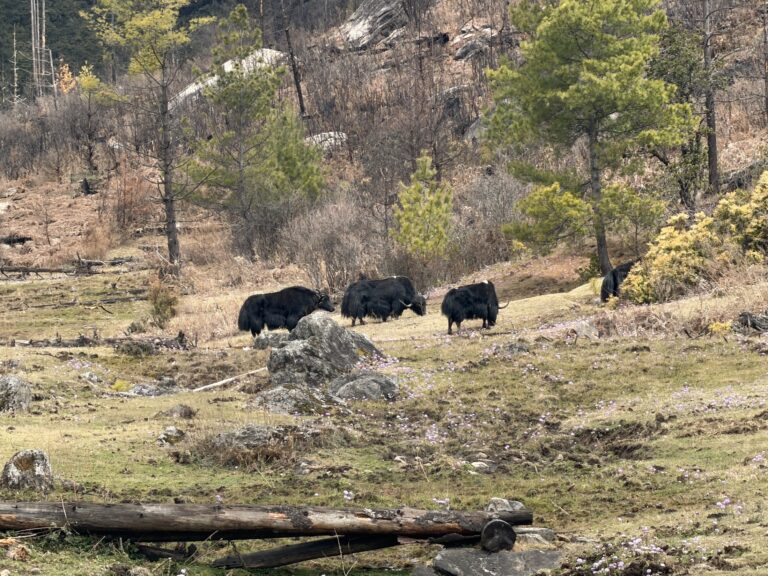
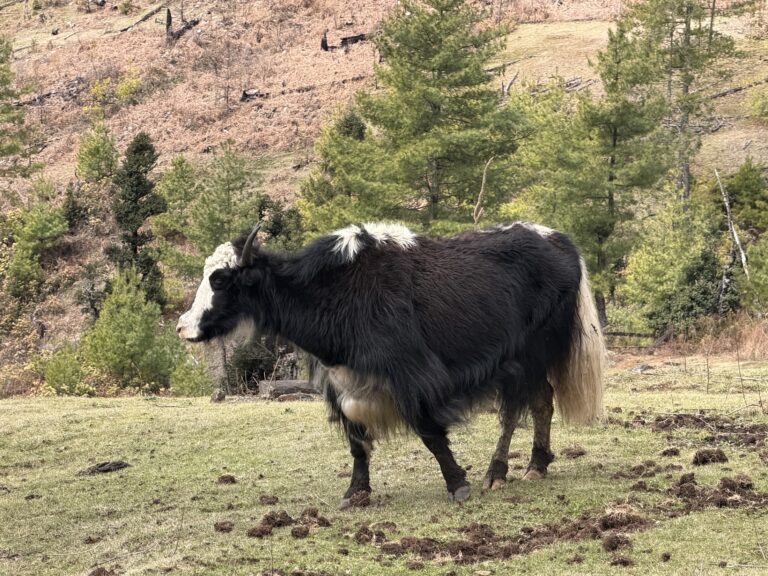
- Pack animals: horses or yaks to carry all gear and supplies
- Camping gear: two-person sleeping tents, dining, kitchen and toilet tents, mattresses
- All meals: on the trek and in the hotels
- Hotels: 3-star rooms in Paro and Bumthang, twin share
- Vehicle: private transfers in Paro and Bumthang and to the trailhead at Nasiphel
- Airport transfers: at Paro and Bumthang
- Trekking permits: route and protected area permits
- Safety kit: first aid kit and pulse oximeter, with oxygen at camp
- Entrance fees: Tiger’s Nest and the Bumthang temples
- Support: 24-hour contact with our team during the trek
Not included
- International flights to and from Paro
- Travel insurance with high-altitude trekking and helicopter evacuation cover
- Sleeping bag rated to minus 15 C, which you bring or hire
- Personal trekking gear and clothing
- Single supplement for your own tent or room
- Drinks other than water, tea and coffee
- Extra nights if a domestic flight is cancelled
- Excess baggage on the domestic flights
- Tips for the guide, cook, crew and horsemen
- Personal costs such as souvenirs, laundry and phone cards
Dates and price
These are our fixed group dates. Prices change with the season, so each date shows its own price. Please book at least 30 days ahead, so we have time to arrange your Bhutan visa.
US$ 3,875per person
| Starts | Ends | Status | Price | Book |
|---|---|---|---|---|
| Departs: Fixed group dates. Book your date | ||||
Trip information
Price by Group Size
| Group size | Price per person |
|---|---|
| 1 trekker (private) | US$ 4,845 |
| 2 trekkers | US$ 3,875 |
| 3 to 5 trekkers | US$ 3,490 |
| 6 to 12 trekkers | US$ 3,230 |
To book: choose a departure below and pay a 20% deposit. The balance is due before we lodge your Bhutan visa, about 30 days before you fly. Tell us about your trekking experience at booking.
Joining alone: solo trekkers can join any group date and pay the rate for the group that travels; once six or more are booked, we refund the difference.
Private trek: the Gangkhar Puensum Base Camp Trek runs privately on any date in the season, and extra exploration days at Bamurpa can be added.
Not in the price: international flights, insurance with evacuation cover, a sleeping bag, drinks and tips. Thirteen nights of Bhutan’s SDF, US$ 1,300 per person, and both domestic flights are already included.
Best Time to Visit
We run group departures of the Gangkhar Puensum Base Camp Trek on the 1st, 11th and 21st in April, May, October and November. These months give the best chance of clear views of the massif and firm trails.
April and May bring rhododendrons in flower along the lower valley and milder nights, though cloud often builds by midday. Herders begin moving their yaks up to the high pastures around Shingo and Bamurpa.
October and November give the clearest skies of the year after the monsoon, with crisp, cold nights and long views of the snow peaks. November is colder at Bamurpa but very settled.
We avoid the June to September monsoon, when rain, swollen streams and leeches make the lower valley hard going, and midwinter, when snow can cover the upper camps. Private dates outside our seasons can be discussed.
Difficulty and Fitness
The Gangkhar Puensum Base Camp Trek is graded moderate to demanding. Stages are short, from 5 to 14 km and three to seven hours, but you sleep at up to about 4,500 m and the trail is rough and remote.
There are no high passes on this route, which follows one valley up and back. The daily gains are moderate, between about 450 m and 650 m, and the long descent from Bamurpa to Tsampa drops about 1,000 m in a day.
You need good fitness and ideally some experience of trekking at altitude. We suggest three months of training with long hill walks carrying a daypack, stair climbing and steady cardio.
Horses or yaks carry all camp gear and your main bag, so you carry only a daypack. The guide sets a slow pace on the climb to Shingo and Bamurpa, which is the most important part of avoiding altitude sickness.
Food, Water and Dietary Needs
All meals are included on the Gangkhar Puensum Base Camp Trek. Our cook serves hot breakfasts, packed or hot lunches and three-course dinners in the dining tent, with tea, coffee and snacks through the day.
Meals mix rice, noodles, pasta, potatoes, vegetables, eggs, dal and soups, with Bhutanese dishes made mild on request. The crew carries all supplies from Bumthang, since there is nothing to buy on the trail.
Vegetarian, vegan and gluten-free diets can be arranged with notice. Tell us about allergies at booking, so the cook can plan the menu and supplies for every day of the trek.
All drinking water on the trek is boiled and filtered by the crew. Bring two one-litre bottles and a thermos, and drink three to four litres a day at altitude.
Altitude, Health and Safety
The Gangkhar Puensum Base Camp Trek sleeps at about 4,200 m at Shingo and 4,500 m at Bamurpa for three nights, so altitude sickness is a real risk. The route climbs gradually and spends two nights at Bamurpa before descending.
Your guide checks oxygen levels and pulse each morning and evening with an oximeter, and the camp carries a first aid kit and oxygen. Tell the guide at once about headaches, nausea or unusual tiredness.
If symptoms worsen, the plan is to descend, which is quick on this route since Tsampa is about 1,000 m lower. Helicopter evacuation is possible in good weather, so your insurance must cover trekking and evacuation to 5,000 m.
There are no medical facilities on the trail. The nearest hospital is in Jakar, Bumthang. See your doctor before the trip about altitude medicine and any health conditions.
Local Etiquette
The Gangkhar Puensum Base Camp Trek passes Tsampa Monastery and herders’ camps. Remove your hat and shoes in the shrine room, do not photograph inside, and leave a small offering if you wish.
Gangkhar Puensum is sacred to Bhutanese, who believe the high peaks are the homes of protective deities. This is why the government banned climbing mountains above 6,000 m in 2003, and the peak remains unclimbed.
Walk around chortens and mani walls clockwise, and ask before photographing herders or their animals. Leave no trace: our crew carries out all rubbish and fills in toilet pits at every camp.
Greet people with “kuzuzangpo la”. Tipping the guide, cook, crew and horsemen at the end is customary; the guide can suggest a fair amount for the whole team.
Visa, Permits and Documents
Everyone except Indian, Bangladeshi and Maldivian nationals needs a Bhutan visa, arranged by a licensed operator. We apply for your Gangkhar Puensum Base Camp Trek visa once the balance is paid.
We need a passport scan, valid six months beyond arrival, and a passport photo. The visa costs US$ 40 and the SDF is US$ 100 per person per night until 31 December 2029; both are included.
The trek needs a route permit for Bumthang and a trekking permit, which we arrange in advance. Your passport is also needed for both domestic flights between Paro and Bumthang.
Print the visa clearance letter for check-in and arrival, and carry your passport on the trek. Official rules are on bhutan.travel.
Keep digital copies of all documents on your phone as a backup.
Transport, Money and Connectivity
You fly into and out of Paro on Drukair or Bhutan Airlines. Drukair flights link Paro and Bathpalathang airport in Bumthang in about 30 minutes, replacing a drive of eight to ten hours each way.
Domestic flights depend on weather and schedules. If a flight is cancelled, we drive instead over two days with stops in Punakha or Trongsa, and the extra night is not included. The baggage allowance is low, so pack light.
The ngultrum is Bhutan’s currency, tied to the Indian rupee. Bring clean US dollar notes for tips and small purchases, since cards do not work on the trail.
There is no mobile signal for most of the trek above Nasiphel. Bring a power bank and a small solar charger, since there is no electricity at the camps.
Questions about this trip
How much does the Gangkhar Puensum Base Camp Trek cost?
The Gangkhar Puensum Base Camp Trek costs from US$ 3,230 per person in a group of six to twelve, US$ 3,490 for three to five, US$ 3,875 for two and US$ 4,845 for a private solo trekker. The price includes the visa, thirteen nights of SDF, both domestic flights, guide, camp crew, pack animals, tents, meals and hotels.
How long is the Gangkhar Puensum Base Camp Trek?
The Gangkhar Puensum Base Camp Trek is 14 days and 13 nights from Paro to Paro. Eight days are on the trail, including a full exploration day at the base camp, with hotel nights in Paro and Bumthang before and after. Domestic flights between Paro and Bumthang save four days of driving.
Which base camp does the Gangkhar Puensum Base Camp Trek reach?
The Gangkhar Puensum Base Camp Trek reaches the southeast base camp at Bamurpa, at about 4,500 m, by following the Chamkhar Chhu north from Bumthang. This is different from the northern base camp on the Snowman Trek, which takes three to four weeks to reach from Paro over very high passes.
How difficult is the Gangkhar Puensum Base Camp Trek?
The Gangkhar Puensum Base Camp Trek is moderate to demanding. Stages are short, from 5 to 14 km, and there are no high passes, but you sleep at up to about 4,500 m on a remote trail with no lodges. Good fitness and some experience of trekking at altitude are recommended.
What is the highest point of the Gangkhar Puensum Base Camp Trek?
The highest camp of the Gangkhar Puensum Base Camp Trek is Bamurpa, at about 4,500 m, where we spend two nights. On the exploration day, the ridge walk above camp climbs somewhat higher, but the guide sets the turnaround point by weather and how the group feels.
Can we see Gangkhar Puensum on the Gangkhar Puensum Base Camp Trek?
On the Gangkhar Puensum Base Camp Trek, the ridge above Bamurpa gives views toward the Gangkhar Puensum massif in clear weather, and the high peaks can also be seen from the domestic flight. Views are never guaranteed in the mountains, which is why we time departures for the clearest seasons.
Why has Gangkhar Puensum never been climbed?
Gangkhar Puensum, the goal of the Gangkhar Puensum Base Camp Trek, has never been climbed because Bhutan banned climbing peaks above 6,000 m in 2003, out of respect for local beliefs that the high mountains are homes of deities. Earlier attempts in the 1980s failed, so it remains the highest unclimbed mountain.
What is the best time for the Gangkhar Puensum Base Camp Trek?
The best time for the Gangkhar Puensum Base Camp Trek is April to May and October to November. Autumn gives the clearest views and driest trails, while spring brings rhododendrons in flower. We avoid the monsoon months and midwinter, when snow can cover the upper camps.
Is altitude sickness a risk on the Gangkhar Puensum Base Camp Trek?
Yes, altitude sickness is a risk on the Gangkhar Puensum Base Camp Trek, with three nights at about 4,200 m to 4,500 m. The route climbs gradually, with a full acclimatisation day in Bumthang first, and the guide checks oxygen levels twice a day. Descent to Tsampa is quick if needed.
Where do we sleep on the Gangkhar Puensum Base Camp Trek?
On the Gangkhar Puensum Base Camp Trek, you sleep in two-person tents at fully supported camps with a dining tent, kitchen tent and toilet tent. Before and after the trek, you stay in 3-star hotels in Paro and Bumthang. Single tents and rooms are available for a supplement.
What food is served on the Gangkhar Puensum Base Camp Trek?
All meals are included on the Gangkhar Puensum Base Camp Trek. Our cook prepares hot breakfasts, lunches on the trail and three-course dinners in the dining tent, with tea, coffee and snacks through the day. Vegetarian, vegan and gluten-free diets can be arranged with notice at booking.
Who carries the gear on the Gangkhar Puensum Base Camp Trek?
Horses or yaks carry all the camping gear, food and your main bag on the Gangkhar Puensum Base Camp Trek, up to about 15 kg per person. You carry only a daypack with water, layers, rain gear and snacks. Horsemen from the Bumthang valleys handle the animals.
Are the domestic flights included on the Gangkhar Puensum Base Camp Trek?
Yes, the Gangkhar Puensum Base Camp Trek includes Drukair flights from Paro to Bumthang and back, each about 30 minutes. They depend on weather and schedules. If a flight is cancelled, we drive instead with an overnight stop, and the extra night is not included in the price.
How remote is the Gangkhar Puensum Base Camp Trek?
The Gangkhar Puensum Base Camp Trek is very remote. Above Nasiphel there are no villages, shops or lodges, only Tsampa Monastery and herders’ shelters, and mobile signal is absent for most of the route. Few groups walk this valley each year, so you often have it to yourselves.
Will we see wildlife on the Gangkhar Puensum Base Camp Trek?
Wildlife is often seen on the Gangkhar Puensum Base Camp Trek. Blue sheep are common on the slopes around Shingo and Bamurpa, and golden eagles and lammergeiers soar over the valley. In the forest, look for monal pheasants, laughingthrushes and, rarely, musk deer.
How does the Gangkhar Puensum Base Camp Trek compare with the Snowman Trek?
The Gangkhar Puensum Base Camp Trek reaches the southeast base camp in eight trekking days from Bumthang. The Snowman Trek reaches the northern base camp after about three weeks and passes above 5,000 m many times. This route gives the wilderness and the mountain in far less time and risk.
What fitness training do I need for the Gangkhar Puensum Base Camp Trek?
For the Gangkhar Puensum Base Camp Trek, we suggest three months of training with long hill walks carrying a daypack, stair climbing and steady cardio such as running, cycling or swimming. Aim to walk five to seven hours on consecutive days before you come, and break in your boots.
What sleeping bag do I need for the Gangkhar Puensum Base Camp Trek?
On the Gangkhar Puensum Base Camp Trek, you need a sleeping bag rated to about minus 15 C, since nights at Shingo and Bamurpa drop well below freezing. Sleeping bags are not included, so bring your own or ask us to arrange one to hire in Paro. A liner adds warmth.
Is the Bhutan visa included in the Gangkhar Puensum Base Camp Trek?
Yes, the Gangkhar Puensum Base Camp Trek includes the Bhutan visa and its US$ 40 fee. We apply once the balance is paid, about 30 days before travel, using a scan of your passport and a photo. The visa clearance letter comes by email, and the visa is stamped when you land in Paro.
Is the SDF included in the Gangkhar Puensum Base Camp Trek price?
Yes, the Sustainable Development Fee is included in the Gangkhar Puensum Base Camp Trek price. It is US$ 100 per person per night until 31 December 2029, and the trek lasts thirteen nights, so US$ 1,300 per person is already counted in every tier of the price table.
What happens in an emergency on the Gangkhar Puensum Base Camp Trek?
In an emergency on the Gangkhar Puensum Base Camp Trek, the guide gives first aid, uses the camp oxygen and starts a descent toward Tsampa, about 1,000 m below Bamurpa. Helicopter evacuation is possible in good weather, so your insurance must cover trekking and evacuation to 5,000 m.
Can I join the Gangkhar Puensum Base Camp Trek on my own?
Yes, solo trekkers can join any group date of the Gangkhar Puensum Base Camp Trek. You pay the rate for the group size that travels, and once six or more are booked we refund the difference. A single tent supplement applies if you want your own tent, otherwise we pair you with a trekker of the same sex.
How do I book the Gangkhar Puensum Base Camp Trek?
To book the Gangkhar Puensum Base Camp Trek, choose a departure on this page and pay a 20% deposit through our secure booking checkout. The balance is due before we lodge your Bhutan visa, about 30 days before travel. Tell us about your trekking experience and health when you book.
What should I pack for the Gangkhar Puensum Base Camp Trek?
For the Gangkhar Puensum Base Camp Trek, pack broken-in waterproof boots, trekking poles, a down jacket, fleece, thermal layers, a waterproof shell, warm hat and gloves, sunglasses, a minus 15 C sleeping bag, a headtorch, water bottles, sunscreen, a power bank and a daypack of about 30 litres.
Ask us about the Gangkhar Puensum Base Camp Trek
We reply from Kathmandu within 24 hours with available dates, your exact price and answers to your questions.
- 16 years guiding in the Himalaya
- Registered in Nepal, Reg. 187391
- Group departures of 12 travelers at most
- Private dates on any day
Call, WhatsApp or Viber
Gangkhar Puensum Base Camp Trek, from US$ 3,230 per person. Dates and booking at treknepalhimalayas.com/trip/gangkhar-puensum-base-camp-trek/
Trek Nepal Himalayas Pvt Ltd, Reg. 187391. Bhagawatisthan, Thamel, Kathmandu, Nepal. Call or WhatsApp +977 98510 13196. [email protected]