Laya Gasa Trek
Our trips are rated 5 out of 5 in more than 950 traveler reviews.
Trip overview
Our Laya Gasa Trek is an 18-day camping trek in northwest Bhutan that follows the Jomolhari route to its base camp, then continues over five high passes to the village of Laya and down to the hot springs at Gasa. It includes the Bhutan visa, Sustainable Development Fee, a licensed trekking guide, cook and camp crew, pack animals, tents, all meals and hotels in Paro and Punakha.
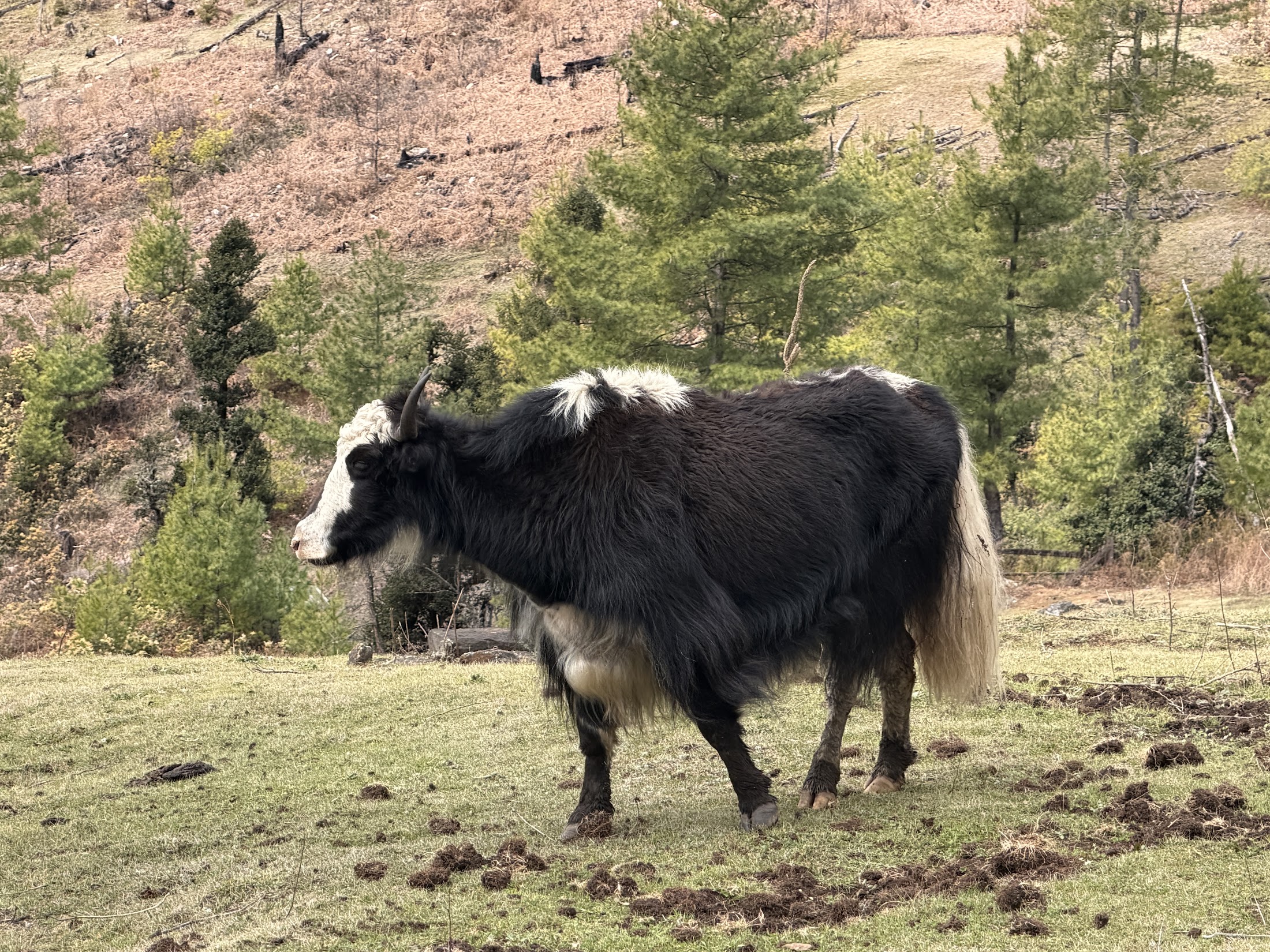
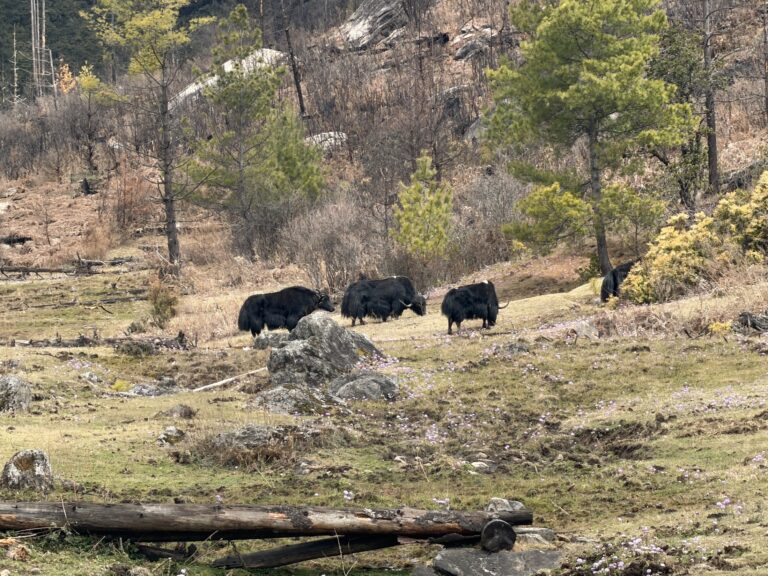
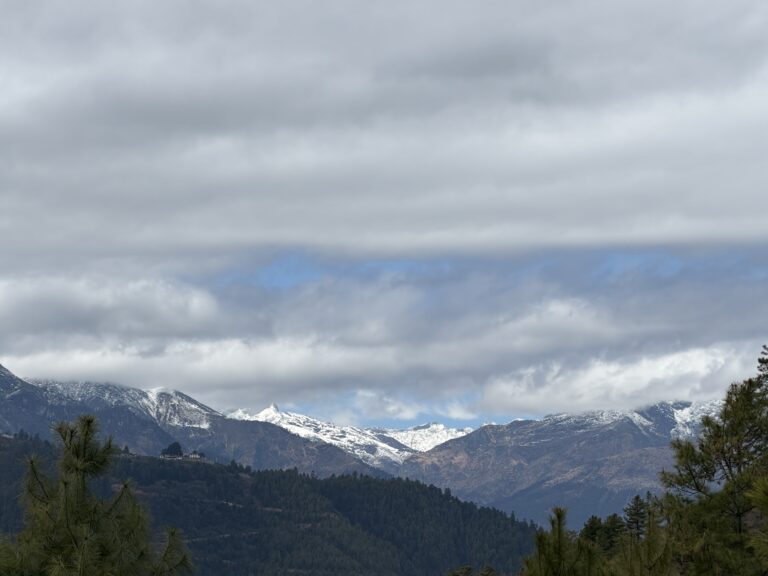
It suits fit, experienced trekkers who want more than the Jomolhari Trek without the full length of the Snowman. You walk eleven days through yak country in Jigme Dorji National Park, with views of Jomolhari, Jichu Drake, Tserim Kang and Masagang.
We build in two rest days, one at Jangothang below Jomolhari and one in Laya, so the body can adjust before and after the highest crossing. The trek is fully supported, with a kitchen tent, dining tent and toilet tent at every camp.
The honest part: this is a hard trek. The Sinche La reaches about 5,005 m, several days are seven to eight hours long, nights at camp drop below freezing, and snow can close the passes outside the main seasons.
The reward is Laya itself, a village of about 1,000 people at 3,840 m where women wear conical bamboo hats and long black wool dresses, and a soak in the Gasa hot springs at the end. Few trekkers reach it, and the route sees far fewer people than the Druk Path.
Prices start at US$ 4,125 per person in a group of six or more and US$ 4,950 each for two. For a shorter version, see our Jomolhari Trek, or the full Snowman Trek beyond Laya.
Highlights
- Jomolhari base camp at Jangothang, below the north face of Bhutan’s sacred peak
- Sinche La at about 5,005 m, the highest point of the trek
- Five high passes, including the Nyile La, Gogu La, Jhari La and Bari La
- Lingshi Dzong on its ridge above the yak pastures
- Laya village and its rest day among a unique highland community
- Takin and blue sheep in Jigme Dorji National Park
- Gasa hot springs to soak tired legs at the end of the trek
- Tiger’s Nest hike before the trek for acclimatisation
Itinerary
Altitude profile
On footBy road
The altitude listed for each day, from 1,250 m to 4,220 m. Select a point to read that day.
The highest point on the route is 5,005 m.How we handle altitude
- Nights
- 13 nights in tents, 4 nights in 3-star hotels
- Meals in the price
- 17 breakfasts, 17 lunches, 17 dinners
- On the move
- 14 days on foot, 4 days by road
Day 1Arrive in Paro2,250 m
The Laya Gasa Trek begins with the flight into Paro, one of the most dramatic landings in Asia between steep, forested ridges. Our trekking guide meets you outside the terminal at about 2,250 m and drives you to the hotel.
After lunch, the afternoon is easy so your body can begin to adjust to the height. We take a gentle walk to the Rinpung Dzong over its covered wooden bridge and then up to the National Museum in the old watchtower, about two kilometres with 100 m of climbing.
In the evening, the guide holds a full trek briefing. We go through each stage, the passes, the camp routine, what the horses carry and what stays in your daypack, and check your boots, sleeping bag and warm layers.
Anything missing can be hired or bought in Paro tomorrow, which is the last real chance before the trailhead. Dinner is at the hotel, a 3-star in the Paro valley, and the night is at about 2,250 m.
- TravelCar, 30-60 minutes
- Stay3-Star Hotel
- MealsLunch, Dinner
Day 2Tiger's Nest acclimatisation hike3,120 m
Today’s hike to Paro Taktsang, the Tiger’s Nest monastery, is both a highlight of Bhutan and the first acclimatisation day of the Laya Gasa Trek. We start early from the trailhead at about 2,600 m to walk in the cool of the morning.
The path climbs about 500 m through blue pine and oak to the cafeteria viewpoint, then drops into a gorge past a waterfall and climbs again to the monastery gate at about 3,120 m. It is a good test of your pace and boots before the real trek.
Inside, the guide tells the story of Guru Rinpoche, who is said to have flown here on a tigress to meditate in the caves. Cameras and bags stay at the gate, and the shrine rooms are calm and dim.
The round trip covers about eight kilometres in four to five hours, with lunch at the cafeteria on the way down. In the afternoon, there is time to collect any hired gear and repack for the trek. Dinner and the night are at the same 3-star hotel in Paro.
- TravelHiking, 4-6 hours
- Stay3-Star Hotel
- MealsBreakfast, Lunch, Dinner
Day 3Drukgyel Dzong to Shana2,880 m
We drive about 30 minutes past the ruins of Drukgyel Dzong to the trailhead near Gunitsawa, where the army checkpost checks our permits. The horsemen load the gear here, and the Laya Gasa Trek begins along the Paro Chhu.
The trail climbs gently up the river valley through blue pine, oak and rhododendron, passing farmhouses and small fields of rice and wheat. It is a long but easy first day of about 17 km and five to six hours, with a gain of only about 300 m.
We stop for a packed lunch by the river, and the guide watches your pace and breathing on this first stage. Wooden bridges cross side streams, and the walking is mostly on a wide dirt path.
Camp tonight is at Shana, at about 2,880 m, in a meadow beside the river. The crew has the tents, dining tent and toilet tent up by the time you arrive, with tea and biscuits waiting. Dinner is in the dining tent, and the night is in a two-person sleeping tent.
- TravelTrekking, 4-6 hours
- StayTented Camp
- MealsBreakfast, Lunch, Dinner
Day 4Shana to Thangthanka3,610 m
This is one of the longest days of the Laya Gasa Trek, about 22 km and seven to eight hours, so we start soon after breakfast. The trail follows the Paro Chhu upstream through thick forest, with many short ups and downs over roots and rocks.
The valley narrows and the forest becomes wilder, with old oak, birch, fir and rhododendron hung with moss. In spring, the rhododendrons flower in red and pink along the path, and the river roars beside you for most of the day.
After lunch on the trail, we cross the river and climb gradually through the forest to a meadow below the peaks. The total height gain is about 750 m, spread across the day, so the climb feels steady rather than steep.
Thangthanka, at about 3,610 m, is a clearing with a stone shelter, and on a clear evening Jomolhari appears at the head of the valley. The crew sets up camp in the meadow, and the guide checks your oxygen levels before dinner in the dining tent.
- TravelTrekking, 7-9 hours
- StayTented Camp
- MealsBreakfast, Lunch, Dinner
Day 5Thangthanka to Jangothang4,080 m
Leaving the forest behind, the Laya Gasa Trek climbs into open yak country today. The trail passes an army post and rises steadily through a widening valley, with the first stone houses and yak herders’ camps of the high pastures.
The stage is about 19 km and five to six hours, with a gain of about 470 m. We walk slowly, since this is the first day above 4,000 m, and stop at the small village of Soe and at Takethang for tea and a rest.
The views open dramatically as the valley turns, and the north face of Jomolhari, at 7,326 m, rises directly above the ruined dzong at Jangothang. Jichu Drake stands to the north, and the snow peaks fill the head of the valley.
Camp tonight is at Jangothang, Jomolhari base camp, at about 4,080 m. Nights here drop below freezing, so a good sleeping bag matters. The guide checks oxygen levels and pulse, and dinner is in the warm dining tent with hot soup.
- TravelTrekking, 4-6 hours
- StayTented Camp
- MealsBreakfast, Lunch, Dinner
Day 6Rest day at Jangothang4,080 m
A rest day at Jangothang is built into the Laya Gasa Trek to give your body time to adjust before the high passes. Rest here means a slow morning and an optional hike, since climbing high and sleeping low is the best way to acclimatise.
There are good options. One trail climbs about 600 m to a ridge north of camp with wide views of Jomolhari, Jichu Drake and Tserim Kang, where blue sheep often graze on the slopes. Another follows the valley to the twin lakes of Tshophu, at about 4,300 m.
Either walk takes four to five hours return, at a gentle pace with long stops for photos and lunch. The guide chooses the route based on the weather and how the group is feeling.
In the afternoon, rest in camp, wash clothes in the stream and drink plenty of water. Yak herders sometimes visit to sell cheese or chat.
The guide checks oxygen levels again and briefs the group on the climb over the Nyile La tomorrow. The night is in camp at about 4,080 m.
- TravelHiking, 4-6 hours
- StayTented Camp
- MealsBreakfast, Lunch, Dinner
Day 7Jangothang to Lingshi via Nyile La4,010 m
Today the Laya Gasa Trek leaves the Jomolhari route and heads north over the first high pass. We cross the stream below camp and climb steadily for three to four hours to the Nyile La at about 4,870 m, a gain of about 800 m.
The trail is rocky and steep in places near the top, and the air is thin, so the guide keeps the pace slow. At the pass, prayer flags snap in the wind, and on a clear day Jomolhari, Jichu Drake and Tserim Kang line the horizon.
The descent to Lingshi is long, about 860 m down over loose scree and then grassy slopes, with views of Lingshi Dzong on its ridge across the valley. Blue sheep are common on these slopes, and lammergeiers often fly overhead.
The stage covers about 18 km in six to seven hours. Camp is in the Lingshi basin at about 4,010 m, near the stone village and its yak herds. Dinner is in the dining tent, and the guide checks everyone after the first big pass.
- TravelTrekking, 7-9 hours
- StayTented Camp
- MealsBreakfast, Lunch, Dinner
Day 8Lingshi to Chebisa3,880 m
A shorter day on the Laya Gasa Trek, about 10 km and five to six hours, which gives the legs a break after the Nyile La. We start by climbing to Lingshi Dzong, which sits on a hill above the village at about 4,220 m.
The dzong was built in the seventeenth century to guard the route to Tibet, and it was restored after earthquake damage. If the caretaker is there, we can see the main shrine room, and the views over the valley and the peaks are wide.
From the dzong, the trail traverses the hillside past the stone village of Goyul, where houses are built close together on the slope. We have lunch near the village before a short climb and descent into the Chebisa valley.
Chebisa, at about 3,880 m, is a small village with a waterfall at the head of the valley. Camp is in a meadow near the houses, and the afternoon is free to walk through the village or rest. Dinner is in the dining tent, and the night is in camp.
- TravelTrekking, 4-6 hours
- StayTented Camp
- MealsBreakfast, Lunch, Dinner
Day 9Chebisa to Shomuthang via Gogu La4,220 m
The Laya Gasa Trek climbs steeply from Chebisa this morning, about 500 m in two to three hours, to the Gogu La at about 4,440 m. The ridge behind the village is grazed by blue sheep, and the guide watches for them on the slopes as we climb.
From the pass, the trail drops through dense rhododendron and juniper into a side valley, then climbs and descends repeatedly over ridges and streams. It is a long, tiring day, about 17 km and six to seven hours, with several short climbs after the main pass.
The forest here is quiet and wild, and yak herders’ tents appear in the clearings. We have a packed lunch on the trail, and the guide sets a steady pace for the long afternoon.
Camp tonight is at Shomuthang, at about 4,220 m, above a stream on a high pasture. Nights here are cold, so wear your warm layers at dinner. The guide checks oxygen levels and briefs the group on the next pass, the Jhari La, before the night in camp.
- TravelTrekking, 7-9 hours
- StayTented Camp
- MealsBreakfast, Lunch, Dinner
Day 10Shomuthang to Robluthang via Jhari La4,160 m
Today starts with a climb up the valley side to the Jhari La at about 4,750 m, a gain of more than 500 m in three hours. From the pass on a clear morning, the view stretches to Gangchhenta, the Great Tiger Mountain, and the peaks around Laya.
The descent on the far side is steep, dropping about 800 m through rhododendron and fir to the Tsharijathang valley and a river crossing. This valley is the summer home of a herd of takin, Bhutan’s national animal, which migrate here from the lower forests.
If the takin are in the valley, the guide keeps the group at a respectful distance for viewing. After the river, a short but steep climb brings us to the camp.
The stage is about 18 km and six to seven hours. Camp tonight is at Robluthang, at about 4,160 m, on a rocky meadow below the next ridge.
It is often one of the coldest camps of the Laya Gasa Trek, so the crew keeps hot drinks coming through the evening. The night is in camp.
- TravelTrekking, 7-9 hours
- StayTented Camp
- MealsBreakfast, Lunch, Dinner
Day 11Robluthang to Limithang via Sinche La4,140 m
This is the hardest and highest day of the Laya Gasa Trek. We leave camp early and climb past a glacial moraine and a high meadow for four to five hours to the Sinche La at about 5,005 m, a gain of about 850 m.
The final climb is steep, and the guide sets a slow, steady pace with short rests. At the top, prayer flags mark the highest point of the trek, and on a clear day Gangchhenta and the Laya peaks stand close by.
The descent is steep and rocky at first, dropping past a glacial lake and moraine into a wide valley. In places, ice or old snow can cover the trail, and the guide helps where footing is tricky.
The stage covers about 19 km in seven to eight hours. Camp is at Limithang, at about 4,140 m, in a meadow beside the river with Gangchhenta rising behind. After a long, demanding day, dinner is early, and the guide checks everyone before a well-earned night in camp.
- TravelTrekking, 7-9 hours
- StayTented Camp
- MealsBreakfast, Lunch, Dinner
Day 12Limithang to Laya3,840 m
A shorter and easier day brings the Laya Gasa Trek into Laya village. The trail follows the river valley down through a thick forest of fir, birch and rhododendron, mostly downhill for about 10 km and four to five hours.
The forest is quiet and full of birdsong, and the path crosses several side streams on log bridges. We break for lunch in a clearing before the final stretch, where the first stone houses of Laya appear on the hillside.
Laya, at about 3,840 m, is one of the highest villages in Bhutan and home to about 1,000 people. Women wear long black wool dresses and conical bamboo hats topped with a spike, and families keep yaks and grow barley and turnips.
Camp tonight is near the village, often on a terrace close to the school or the community hall. In the afternoon, there is time to walk through the lanes and meet villagers.
The guide checks oxygen levels, which usually improve now that we are lower. The night is in camp.
- TravelTrekking, 4-6 hours
- StayTented Camp
- MealsBreakfast, Lunch, Dinner
Day 13Rest day in Laya3,840 m
A full day in Laya is one of the best parts of the Laya Gasa Trek, and a well-earned rest after the high passes. There is no long walk today, just time to explore the village and recover before the last stages to Gasa.
The guide takes you on a gentle walk around the village, about three to four kilometres over two hours, past the temple, the school and the terraced fields. Laya people trade yak products and cordyceps, a valuable fungus collected on the high slopes in early summer.
If the group is interested, the guide can arrange a visit to a family home for butter tea and ara, a local spirit, and a look at how yak wool is spun and woven. In some years, an evening of songs and dances can be arranged with the villagers.
Laya has a basic health unit and small shops, and mobile signal usually works here. The afternoon is free for washing, reading and rest. Dinner is in the dining tent, and the night is in camp near the village at about 3,840 m.
- TravelWalking, 1-3 hours
- StayTented Camp
- MealsBreakfast, Lunch, Dinner
Day 14Laya to Koena3,050 m
Leaving Laya, the Laya Gasa Trek descends to the Mo Chhu river and follows it through a deep, forested valley. We pass an army camp and cross the river on a bridge, and the trail then runs up and down along the gorge for much of the day.
The stage is about 19 km and six to seven hours, with a net loss of about 800 m but several short climbs. The forest is dense, with fir, birch, bamboo and rhododendron, and waterfalls tumble from the cliffs on both sides of the river.
After lunch beside the river, the trail climbs away from the Mo Chhu over a ridge and into a side valley. The path can be muddy here, especially in spring and early autumn, so trekking poles help on the slippery sections.
Camp tonight is at Koena, at about 3,050 m, a small clearing in the forest. The air is warmer and thicker than at the high camps, and most trekkers sleep better here. Dinner is in the dining tent, with the crew planning a small celebration for the last full night of camping.
- TravelTrekking, 7-9 hours
- StayTented Camp
- MealsBreakfast, Lunch, Dinner
Day 15Koena to Gasa via Bari La2,240 m
The last stage of the Laya Gasa Trek begins with a climb of about 850 m through forest to the Bari La at about 3,900 m, which takes three to four hours. The pass is wooded, so views are limited, but prayer flags mark the top and the end of the high country.
From the Bari La, the trail drops steeply through forest for more than 1,600 m toward Gasa, past chortens and the first fields and farmhouses. The descent is hard on the knees, so trekking poles and a slow pace help.
Gasa Dzong appears on its ridge, a fortress built in the seventeenth century to guard the northern route. Below it, beside the river, are the Gasa Tsachu hot springs, among the most popular in Bhutan, with pools of different temperatures said to ease aches and pains.
The stage covers about 14 km in six to seven hours. Camp tonight is near the hot springs at about 2,240 m, and after a long soak, we share a farewell dinner with the crew and horsemen, who return home tomorrow. The night is in camp.
- TravelTrekking, 7-9 hours
- StayTented Camp
- MealsBreakfast, Lunch, Dinner
Day 16Gasa to Punakha1,250 m
After a final morning soak in the hot springs, we say goodbye to the horsemen and crew. A private vehicle meets us at the roadhead near Gasa, and the Laya Gasa Trek becomes a road journey down the Mo Chhu valley to Punakha.
The drive takes about four hours on a winding road through subtropical forest, with views of the river far below. We stop for tea and a look at the countryside, and the air grows warmer as we drop to about 1,250 m.
In Punakha, we visit Punakha Dzong, built in 1637 at the meeting of the Pho Chhu and Mo Chhu and one of the finest buildings in Bhutan. A walk across the long suspension bridge nearby is a gentle way to stretch the legs after the trek.
The evening is free for a hot shower, laundry and a proper bed at last. Dinner is at the hotel, a 3-star in the Punakha valley, and the night is at about 1,250 m, the lowest point of the journey.
- TravelCar, 4-6 hours
- Stay3-Star Hotel
- MealsBreakfast, Lunch, Dinner
Day 17Punakha to Paro2,250 m
We drive from Punakha back to Paro today, about four and a half hours with stops. The road climbs over the Dochula at about 3,100 m, where 108 chortens stand on the pass, and on a clear day the high Himalaya, including peaks you walked beneath, lines the horizon.
On the way, we stop in Thimphu for lunch and a short visit to the National Memorial Chorten or the giant Buddha Dordenma above the city. The guide can also stop at the craft bazaar if you want to buy textiles or souvenirs.
From Thimphu, the road follows the Wang Chhu and Paro Chhu down to the Paro valley, at about 2,250 m. In the afternoon, there is time to visit Kyichu Lhakhang, one of the oldest temples in Bhutan, or simply rest.
In the evening, we share a farewell dinner with the guide, who looks back over the route with you, pass by pass. The night is at a 3-star hotel in Paro, and the guide confirms your flight time and airport transfer for the morning.
- TravelCar, 4-6 hours
- Stay3-Star Hotel
- MealsBreakfast, Lunch, Dinner
Day 18Depart Paro2,250 m
Your Laya Gasa Trek ends this morning with the transfer to Paro airport, about fifteen minutes from most hotels. Flights from Paro usually leave in the morning, since the narrow valley is safest to fly in calm air.
After breakfast, our guide and driver take you to the terminal and help with check-in. Keep your passport, printed visa clearance and boarding details together, and make sure any trekking poles go in your checked luggage.
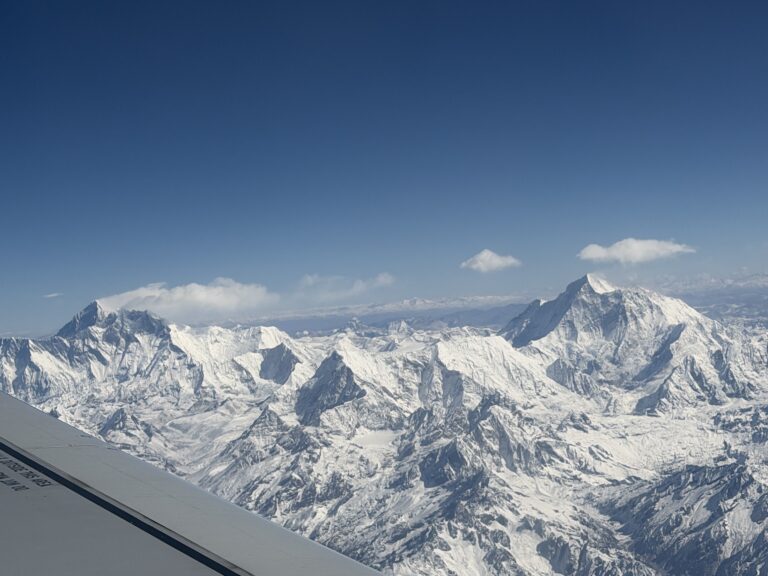
On the flight out, a seat on the right side when flying to Kathmandu or Delhi gives one last view of the Himalaya, and on a clear day Jomolhari can be picked out above the clouds.
If you have time before an onward flight, we can arrange extra nights in Paro or a connection to Nepal for further travel. Across eighteen days, you will have crossed five high passes and walked through some of the most remote country in Bhutan. Thank you for trekking with us.
- TravelCar, 30-60 minutes
- MealsBreakfast
What's included
Included in the price
- Bhutan visa: the visa application and US$ 40 fee
- Sustainable Development Fee: US$ 100 per person for each of the 17 nights
- Trekking guide: a licensed English-speaking Bhutanese guide trained in first aid
- Camp crew: cook, assistant cooks and horsemen
- Pack animals: horses or yaks to carry all gear and supplies
- Camping gear: two-person sleeping tents, dining, kitchen and toilet tents, mattresses
- All meals on the trek: breakfast, lunch, dinner, tea and snacks
- Hotels: 3-star rooms in Paro and Punakha, twin share
- All meals in Bhutan: during the hotel days as well
- Vehicle: private transfers to the trailhead and from Gasa
- Airport transfers: on arrival and departure at Paro
- Trekking permits: route and national park permits
- Safety kit: first aid kit and pulse oximeter, with oxygen at camp
- Tiger’s Nest hike: and entrance fees on the itinerary
- Hot springs visit at Gasa
- Support: 24-hour contact with our team during the trek
Not included
- International flights to and from Paro
- Travel insurance with high-altitude trekking and helicopter evacuation cover
- Sleeping bag rated to minus 15 C, which you bring or hire
- Personal trekking gear and clothing
- Single supplement for your own tent or room
- Drinks other than water, tea and coffee
- Extra days from weather, snow or illness
- Helicopter evacuation costs, which your insurance should cover
- Tips for the guide, cook, crew and horsemen
- Personal costs such as souvenirs, laundry and phone cards
Dates and price
These are our fixed group dates. Prices change with the season, so each date shows its own price. Please book at least 30 days ahead, so we have time to arrange your Bhutan visa.
US$ 4,950per person
| Starts | Ends | Status | Price | Book |
|---|---|---|---|---|
| Departs: Fixed group dates. Book your date | ||||
Trip information
Price by Group Size
| Group size | Price per person |
|---|---|
| 1 trekker (private) | US$ 6,190 |
| 2 trekkers | US$ 4,950 |
| 3 to 5 trekkers | US$ 4,455 |
| 6 to 12 trekkers | US$ 4,125 |
To book: choose a departure below and pay a 20% deposit. The balance is due before we lodge your Bhutan visa, about 30 days before you fly. Tell us about your trekking experience at booking.
Joining alone: solo trekkers can join any group date and pay the rate for the group that travels; once six or more are booked, we refund the difference.
Private trek: the Laya Gasa Trek runs privately on any date in the season, and it can be lengthened with extra rest days or joined to the Snowman route.
Not in the price: international flights, insurance with evacuation cover, a sleeping bag, drinks and tips. Seventeen nights of Bhutan’s SDF, US$ 1,700 per person, are already included.
Best Time to Visit
We run group departures of the Laya Gasa Trek on the 1st, 11th and 21st in April, May, September and October. These months give the best chance of open passes and clear views.
April and May bring rhododendrons in the lower forests, longer days and milder nights, though afternoon cloud is common and the passes can still hold old snow. The yaks are moving up to summer pastures in this season.
Late September and October give the clearest mountain views after the monsoon, with crisp nights and dry trails. Early September can still be wet and muddy on the lower stages, so October is the favourite month.
From November to March, heavy snow on the Sinche La and Jhari La makes the route unsafe. In June to August, rain, mud and leeches make it hard going. Private dates outside our seasons are not recommended.
Difficulty and Fitness
The Laya Gasa Trek is graded difficult. You walk for eleven days on rough trails with five high passes, the highest being the Sinche La at about 5,005 m, and most stages take six to eight hours.
The longest days, Shana to Thangthanka and the Sinche La crossing, cover about 19 to 22 km with long climbs. Trails are muddy in places, rocky on the passes and steep on the descents to Laya and Gasa.
You need good fitness and some previous experience of multi-day trekking at altitude. We suggest training for at least three months with long hill walks carrying a daypack, stair climbing and steady cardio work.
Pack animals carry all the camp gear, so you carry only a daypack with water, layers, rain gear and snacks. The guide sets a steady pace and leaves time for breaks, photos and lunch on every stage.
Food, Water and Dietary Needs
All meals are included on the Laya Gasa Trek. Our cook prepares hot breakfasts, packed or hot lunches on the trail and three-course dinners in the dining tent, with tea, coffee and snacks through the day.
Meals mix rice, noodles, pasta, potatoes, vegetables, eggs, dal and soups, with Bhutanese dishes such as ema datshi made mild on request. Fresh food is restocked where possible, and the crew carries enough for every stage.
Vegetarian, vegan and gluten-free diets can be arranged with notice. Tell us about allergies at booking, so the cook can plan the menu and supplies for the whole trek.
All drinking water on the trek is boiled and filtered by the crew. Bring two one-litre bottles and a thermos, and drink three to four litres a day at altitude.
Altitude, Health and Safety
The Laya Gasa Trek sleeps above 4,000 m on several nights, and the Sinche La reaches about 5,005 m, so altitude sickness is a real risk. The itinerary climbs gradually, with a rest day at Jangothang before the high passes.
Your guide checks oxygen levels and pulse each morning and evening with an oximeter, and the camp carries a first aid kit and oxygen. Tell the guide at once about headaches, nausea or unusual tiredness.
If symptoms get worse, the plan is to descend. Helicopter evacuation is possible from several camps in good weather, so your insurance must cover high-altitude trekking and evacuation up to 5,100 m.
Before the trip, see your doctor about altitude medicine and any health conditions. There are no medical facilities on the trail between Paro and Gasa, apart from a basic health unit in Laya.
Local Etiquette
The Laya Gasa Trek passes through yak herding communities in Lingshi and Laya. Ask before photographing people, especially women in Laya, and offer a small gift or buy local crafts rather than handing out money.
Walk around chortens, mani walls and prayer wheels clockwise, and do not climb on religious structures. Remove your hat and shoes in temples and Lingshi Dzong, and do not photograph inside.
Leave no trace at camp: our crew carries out all rubbish, and toilet tents are dug and filled at each site. Do not pick plants or disturb wildlife in Jigme Dorji National Park.
Greet people with “kuzuzangpo la”. Tipping the guide, cook, crew and horsemen at the end is customary; our guide can suggest an amount that is fair to everyone in the team.
Visa, Permits and Documents
Everyone except Indian, Bangladeshi and Maldivian nationals needs a Bhutan visa, arranged by a licensed operator. We apply for your Laya Gasa Trek visa once the balance is paid.
We need a passport scan, valid six months beyond arrival, and a passport photo. The visa costs US$ 40 and the SDF is US$ 100 per person per night until 31 December 2029; both are included.
The trek needs a route permit and a Jigme Dorji National Park permit, which we arrange in advance. The guide carries copies and presents them at the army and park checkposts on the trail.
Print the visa clearance letter for check-in and arrival, and carry your passport on the trek. Official rules are on bhutan.travel.
Transport, Money and Connectivity
You fly into and out of Paro on Drukair or Bhutan Airlines. A private vehicle takes you to the trailhead near Drukgyel Dzong and collects you at the end of the trek near Gasa for the drive to Punakha and back to Paro.
The trek itself is on foot, with horses or yaks carrying the gear. There are no shops after Paro apart from small ones in Laya, so buy batteries, snacks and supplies before you start.
The ngultrum is Bhutan’s currency, tied to the Indian rupee. Bring clean US dollar notes for tips and small purchases, since cards do not work on the trail.
Mobile signal is patchy: it reaches Laya and parts of Lingshi but not most camps. Bring a power bank and solar charger, since there is no electricity at most campsites.
Questions about this trip
How much does the Laya Gasa Trek cost?
The Laya Gasa Trek costs from US$ 4,125 per person in a group of six to twelve, US$ 4,455 for three to five, US$ 4,950 for two and US$ 6,190 for a private solo trekker. The price includes the visa, seventeen nights of SDF, guide, cook, camp crew, pack animals, tents, all meals and hotels.
How long is the Laya Gasa Trek?
The Laya Gasa Trek is 18 days and 17 nights, from arrival in Paro to departure from Paro. Eleven of those days are on the trail, including rest days at Jangothang and Laya, with two hotel nights in Paro before the trek and one each in Punakha and Paro after it.
How difficult is the Laya Gasa Trek?
The Laya Gasa Trek is graded difficult. It crosses five high passes, the highest being the Sinche La at about 5,005 m, and most stages take six to eight hours on rough, muddy or rocky trails. You need good fitness and previous experience of multi-day trekking at altitude.
What is the highest point of the Laya Gasa Trek?
The highest point of the Laya Gasa Trek is the Sinche La at about 5,005 m, crossed between Robluthang and Limithang. The Nyile La at about 4,870 m and the Jhari La at about 4,750 m are also high. The highest camp is at Shomuthang, at about 4,220 m.
What is the best time for the Laya Gasa Trek?
The best time for the Laya Gasa Trek is April to May and late September to October. October gives the clearest views and driest trails. From November to March, snow on the high passes makes the route unsafe, and June to August brings heavy rain, mud and leeches.
Is altitude sickness a risk on the Laya Gasa Trek?
Yes, altitude sickness is a real risk on the Laya Gasa Trek, since several camps are above 4,000 m and the Sinche La reaches about 5,005 m. The itinerary climbs gradually with a rest day at Jangothang, and the guide checks oxygen levels twice a day. If symptoms worsen, we descend.
Where do we sleep on the Laya Gasa Trek?
On the Laya Gasa Trek, you sleep in two-person tents at fully supported camps, with a dining tent, kitchen tent and toilet tent at each site. Before and after the trek, you stay in 3-star hotels in Paro and Punakha. Single tents and rooms are available for a supplement.
What food is served on the Laya Gasa Trek?
All meals are included on the Laya Gasa Trek. Our cook prepares hot breakfasts, lunches on the trail and three-course dinners in the dining tent, with tea, coffee and snacks through the day. Vegetarian, vegan and gluten-free diets can be arranged with notice at booking.
Who carries the gear on the Laya Gasa Trek?
On the Laya Gasa Trek, horses or yaks carry all the camping gear, food and your main bag, up to about 15 kg per person. You carry only a daypack with water, layers, rain gear, snacks and a camera. Horsemen from the valleys handle the animals and travel with the crew.
What is Laya village like on the Laya Gasa Trek?
Laya, reached on the Laya Gasa Trek, is a highland village of about 1,000 people at about 3,840 m. Women wear long black wool dresses and conical bamboo hats, and families keep yaks and grow barley. We spend a rest day there to explore the village and meet local families.
Will we see wildlife on the Laya Gasa Trek?
Wildlife is often seen on the Laya Gasa Trek in Jigme Dorji National Park. Blue sheep are common on the slopes near Lingshi and Chebisa, and takin, Bhutan’s national animal, spend the summer in the Tsharijathang valley. Lammergeiers, Himalayan griffons and monal pheasants are also regular sightings.
What are the Gasa hot springs on the Laya Gasa Trek?
The Gasa Tsachu hot springs are the last stop of the Laya Gasa Trek, beside the river below Gasa Dzong. The pools range in temperature and are popular with Bhutanese visitors, who believe they ease aches and ailments. We camp nearby so you can soak in the evening and the next morning.
How does the Laya Gasa Trek differ from the Jomolhari Trek?
The Laya Gasa Trek follows the Jomolhari Trek to Jangothang, then continues north over four more high passes to Laya and down to Gasa. The Jomolhari Trek turns back toward Thimphu after Lingshi. The Laya Gasa route is longer, higher and more remote, with fewer trekkers.
How does the Laya Gasa Trek differ from the Snowman Trek?
The Laya Gasa Trek covers the first half of the Snowman Trek, from Paro to Laya, and then exits to Gasa. The full Snowman continues from Laya into the Lunana region for another ten or more days over even higher passes. The Laya Gasa route is a strong alternative with less time and risk.
What fitness training do I need for the Laya Gasa Trek?
For the Laya Gasa Trek, we suggest training for at least three months with long hill walks carrying a daypack, stair climbing and steady cardio such as running, cycling or swimming. Aim to walk six to eight hours on consecutive days before you come, and break in your boots.
What sleeping bag do I need for the Laya Gasa Trek?
On the Laya Gasa Trek, you need a sleeping bag rated to about minus 15 C, since nights at the high camps drop well below freezing. Sleeping bags are not included, so bring your own or ask us to arrange one to hire in Paro. A liner adds warmth and keeps the bag clean.
Is the Bhutan visa included in the Laya Gasa Trek?
Yes, the Laya Gasa Trek includes the Bhutan visa and its US$ 40 fee. We apply once the balance is paid, about 30 days before travel, using a scan of your passport and a photo. The visa clearance letter comes by email, and the visa is stamped when you land in Paro.
Is the SDF included in the Laya Gasa Trek price?
Yes, the Sustainable Development Fee is included in the Laya Gasa Trek price. It is US$ 100 per person per night until 31 December 2029, and the trek lasts seventeen nights, so US$ 1,700 per person is already counted in every tier of the price table. There is nothing extra to pay at the border.
What happens in an emergency on the Laya Gasa Trek?
In an emergency on the Laya Gasa Trek, the guide gives first aid, uses the camp oxygen and starts a descent. Helicopter evacuation can be called from several camps in good weather. Your insurance must cover high-altitude trekking and helicopter evacuation up to about 5,100 m.
Can I join the Laya Gasa Trek on my own?
Yes, solo trekkers can join any group date of the Laya Gasa Trek. You pay the rate for the group size that travels, and once six or more are booked we refund the difference. A single tent supplement applies if you want your own tent, otherwise we pair you with a trekker of the same sex.
Can the Laya Gasa Trek run as a private trek?
The Laya Gasa Trek runs privately on any date in the spring or autumn season, priced by the table for your group size. Private groups can add extra rest days, a festival in Paro or Punakha, or extend from Laya into the Lunana region on the full Snowman route.
How do I book the Laya Gasa Trek?
To book the Laya Gasa Trek, choose a departure on this page and pay a 20% deposit through our secure booking checkout. The balance is due before we lodge your Bhutan visa, about 30 days before travel. Tell us about your trekking experience and any health conditions when you book.
Is there mobile signal on the Laya Gasa Trek?
Mobile signal is patchy on the Laya Gasa Trek. It usually works in Laya and in parts of Lingshi, but not at most camps or on the passes. Bring a power bank and a small solar charger, since there is no electricity at the campsites, and let family know you may be out of touch for days.
What should I pack for the Laya Gasa Trek?
For the Laya Gasa Trek, pack broken-in waterproof boots, trekking poles, a down jacket, fleece, thermal layers, a waterproof shell, warm hat and gloves, sun hat and sunglasses, a minus 15 C sleeping bag, a headtorch, water bottles, sunscreen, a basic first aid kit and a daypack of about 30 litres.
Ask us about the Laya Gasa Trek
We reply from Kathmandu within 24 hours with available dates, your exact price and answers to your questions.
- 16 years guiding in the Himalaya
- Registered in Nepal, Reg. 187391
- Group departures of 12 travelers at most
- Private dates on any day
Call, WhatsApp or Viber
Laya Gasa Trek, from US$ 4,125 per person. Dates and booking at treknepalhimalayas.com/trip/laya-gasa-trek/
Trek Nepal Himalayas Pvt Ltd, Reg. 187391. Bhagawatisthan, Thamel, Kathmandu, Nepal. Call or WhatsApp +977 98510 13196. [email protected]