
Pheriche and the Himalayan Rescue Association Aid Post
Pheriche and the Himalayan Rescue Association Aid Post
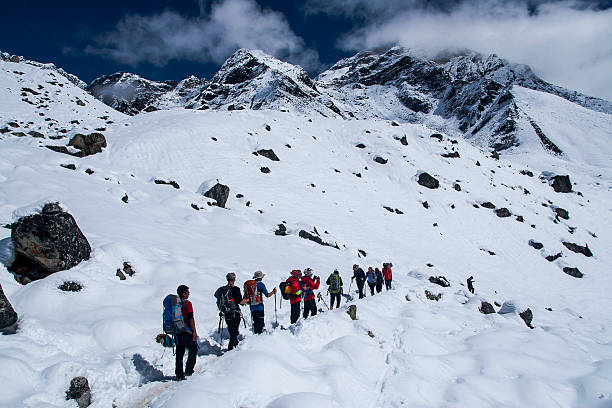
Above Pangboche, the trees disappear, and the Khumbu valley opens into a wide, windswept plain. Stone walls criss-cross yak pastures, a stream winds through gravel flats, and the great peaks of Taboche and Cholatse rise on one side while Ama Dablam stands guard on the other. Huddled at the foot of this valley is a cluster of stone lodges, and among them stands a small building that has saved thousands of lives. This is Pheriche.
Pheriche is best known as home to the Himalayan Rescue Association aid post, the famous mountain clinic where volunteer doctors treat altitude sickness and give daily talks to trekkers on staying safe. For many trekkers on the Everest Base Camp Trek, it is either an acclimatisation stop on the way up or a welcome place to recover on the way down.
In this guide, our Sherpa team explains everything you need to know about Pheriche: the village, the history and work of the HRA aid post, the free altitude talk, how Pheriche compares with Dingboche, and how to use your time here to stay safe and strong on the trail.
Pheriche at a Glance
Here are the essentials before we look at the village in detail:
- Location: In the Khumbu Khola valley, below the Khumbu Glacier, inside Sagarmatha National Park in Solukhumbu District.
- Altitude: About 4,240 m at the lower lodges, rising to around 4,370 m at the top of the village.
- Neighbours: Dingboche lies over a low ridge to the east, Pangboche below to the south, and Thukla and Lobuche above to the north.
- Famous for: The Himalayan Rescue Association aid post, its daily altitude sickness talk, and its role as a recovery stop on the descent from Everest Base Camp.
- Landscape: A flat, treeless glacial valley, often windy in the afternoon, with views of Taboche, Cholatse, Lobuche and Ama Dablam.
- Walking times: About two to three hours from Pangboche, around forty minutes to an hour from Dingboche, and about three to four hours to Lobuche.
For a full breakdown of the route, see our Everest Base Camp Trek itinerary and Everest Base Camp Trek distance guides.
The Village of Pheriche
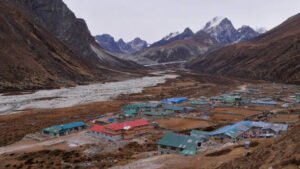
Pheriche began as a summer settlement for yak herders from Pangboche and other villages below. Families brought their herds up to the pastures of this high valley in the warmer months, living in simple stone huts and growing a little barley and potatoes in walled fields. As trekking grew, some of these huts became teahouses, and today the village is a line of lodges strung along the trail, with fields and pastures behind them.
A Windy Valley
Because Pheriche sits in a wide, open valley running north to south, strong winds expose it. Mornings are often calm and bright, but by early afternoon the wind usually picks up, blowing dust and cold air down from the glaciers. This is why our guides like to arrive by early afternoon, before the strongest gusts. Dingboche, tucked into the neighbouring Imja valley, is more sheltered and sunnier.
Mountain Views
The views from Pheriche are spectacular. Taboche and Cholatse rise sharply to the west, Ama Dablam shows a dramatic face to the south-east, and the peaks around Lobuche and the Khumbu Glacier stand to the north. On clear evenings, the light on these peaks is beautiful, and the open valley gives you a real sense of the Himalaya’s scale. Learn more about one of these giants in our Ama Dablam guide.
The Himalayan Rescue Association: A Brief History
The Himalayan Rescue Association, or HRA, is a Nepali non-profit organisation dedicated to reducing deaths and injuries among trekkers, climbers and local people in the mountains. It was founded in the early days of Himalayan trekking, when a growing number of visitors fell ill at high altitude, and no one understood why.
From a Yak Hut to a Mountain Clinic
The first aid post at Pheriche began in a rented yak hut, staffed first by volunteer nurses, then by doctors. Pheriche was chosen because it lay on the main route to Everest at the altitude where many cases of altitude sickness, and sadly many deaths, were occurring. Early volunteers soon realised that trekkers rarely came to the clinic for advice, so they began walking from lodge to lodge, talking to visitors about the dangers of altitude sickness and how to prevent it. That tradition continues today in the famous daily talk.
With support from Japanese medical researchers interested in high-altitude medicine, they soon built a permanent clinic. Over the years, the aid post has been upgraded with better equipment, solar power and communications, and it remains one of the most important health facilities in the Khumbu.
The Wider Work of the HRA
Today, the HRA runs seasonal aid posts in key trekking areas, including Pheriche in the Everest region and Manang on the Annapurna Circuit, along with a medical clinic at Everest Base Camp during the spring climbing season. It also provides altitude awareness education in Kathmandu and supports guide and porter training. If you trek the Annapurna Circuit Trek, you can attend a similar talk in Manang before crossing the Thorong La.
Inside the Pheriche Aid Post
The aid post is a simple stone building near the centre of Pheriche, staffed during the main trekking seasons, spring and autumn, by volunteer doctors, often from around the world, along with Nepali staff.
Services for Trekkers and Locals
The clinic offers a range of medical services to trekkers, guides, porters and local people:
- Diagnosis and treatment of altitude sickness: Including mild acute mountain sickness and the more serious high altitude pulmonary oedema (HAPE) and high altitude cerebral oedema (HACE).
- Oxygen and medication: For patients who need stabilising before descent or evacuation.
- Portable hyperbaric chambers: Inflatable bags that simulate lower altitude, used in emergencies.
- General medical care: Treatment for coughs, chest infections, stomach problems, injuries and other illnesses common on the trail. Evacuation advice: Help arrange helicopter rescues when needed.
Local people and porters often receive care free of charge or at reduced rates, supported by fees from foreign trekkers and donations. If you visit, a donation helps keep the clinic running for everyone.
When the Aid Post Is Open
The aid post usually operates during the peak trekking seasons, roughly spring and autumn. Outside these periods, it may be closed or have limited staffing. Our guides always know the current situation and plan accordingly. In any case, our team carries first aid supplies and is trained to recognise and respond to altitude sickness.
The Famous Altitude Sickness Talk
Every afternoon during the trekking seasons, usually around three o’clock, the doctors at the Pheriche aid post give a free talk on altitude sickness. It is one of the most valuable hours you can spend on the trek.
What You Will Learn
The talk usually covers:
- How altitude affects the body: Why thinner air means less oxygen, and how your body adapts over days.
- Symptoms of acute mountain sickness: Headache, loss of appetite, nausea, dizziness, poor sleep and unusual fatigue.
- Warning signs of HAPE: Breathlessness at rest, a persistent cough, gurgling breath and extreme tiredness.
- Warning signs of HACE: Confusion, poor coordination, severe headache, drowsiness and changes in behaviour.
- The golden rules: Do not ascend with symptoms, descend if symptoms get worse, and never leave someone with symptoms alone.
- Prevention: Gradual ascent, acclimatisation days, hydration and, under medical guidance, medication such as acetazolamide.
- Real stories: Many doctors share cases they have seen on the trail, which bring the lessons vividly to life.
Why It Matters
The talk is informal, friendly and full of practical advice. For many trekkers, it turns abstract warnings into clear, memorable knowledge. Several of our clients have told us that what they learned in Pheriche helped them recognise symptoms in themselves or their friends later in the trek. If your itinerary passes through Pheriche in the afternoon, it is well worth attending. Our Acute Mountain Sickness guide covers the same principles in detail.
Supporting the Aid Post
The Pheriche aid post depends on fees, donations, and trekkers’ goodwill. If you benefited from the altitude talk or want to support the work, consider donating at the clinic or contributing to the Himalayan Rescue Association after your trek. Many trekkers also leave unused medical supplies such as blister kits, bandages and rehydration salts, but check with the staff first, as they can only use items that are in date and appropriate. Supporting the aid post helps ensure porters, guides, local families, and future trekkers continue to have access to care in this remote corner of the Himalaya.
Pheriche vs Dingboche: Where Should You Stay?
On the way up to Everest Base Camp, the trail divides above Pangboche. One branch climbs to Dingboche in the Imja valley, the other leads to Pheriche in the Khumbu valley. Most itineraries, including ours, choose Dingboche for the acclimatisation stop on the way up and Pheriche on the way down. Here is why:
- Dingboche advantages: More sheltered and sunnier, more lodges, better side hikes such as Nangkartshang and Chhukung, and slightly higher, which helps acclimatisation. Read our Dingboche guide for more.
- Pheriche advantages: Home to the HRA aid post and its daily talk; quieter and slightly lower, making it ideal for recovery on the descent.
- Both villages offer similar altitude for acclimatisation, comfortable family-run lodges, and superb mountain views.
Some trekkers choose Pheriche on the way up, especially if they want to attend the altitude talk before going higher or prefer a quieter stop. Our guides will recommend the best option for you when you plan your trip.
Acclimatisation in Pheriche
Whether you stay in Pheriche or Dingboche, this altitude, around 4,200 to 4,400 m, makes an acclimatisation day essential. Your body needs time to adapt before continuing to Lobuche (about 4,910 m) and Gorakshep (about 5,160 m).
Climb High, Sleep Low
The golden rule of acclimatisation is to climb higher during the day and return to sleep lower. From Pheriche, there are several good options:
- The ridge behind the village: A steep hike up the hillside behind Pheriche offers views of Ama Dablam, Taboche, and Cholatse, and gains a few hundred metres in about an hour.
- Nangkartshang Peak: Above Dingboche, reachable via a short walk over the ridge. It rises to around 5,000 m and offers views of Makalu, Lhotse and the Imja valley.
- Towards Thukla: A gentle walk up the valley towards Thukla and the climbers’ memorials gives you a preview of the next day’s route.
Whatever you choose, walk slowly, drink plenty of water and return to Pheriche to rest in the afternoon.
How to Use Your Rest Day Well
- Hydrate: Aim for three to four litres of water, soup or tea.
- Eat well: Even if your appetite drops, keep eating carbohydrate-rich meals.
- Attend the HRA talk: A great afternoon activity.
- Rest and stretch: Read, play cards and stretch your legs in the dining room.
- Avoid alcohol: It slows acclimatisation and dehydrates you.
- Tell your guide how you feel: Honest communication keeps small problems small.
Our guide to Everest Base Camp Trek difficulty explains why acclimatisation is the most important factor in a successful trek.
From Pheriche to Lobuche: Thukla and the Memorials
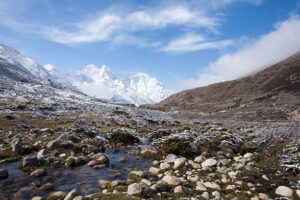
From Pheriche, the trail continues north up the valley to Thukla (also known as Dughla) at about 4,620 m. Here, a small cluster of lodges sits beside the Khumbu Glacier’s meltwater stream, and many trekkers stop for lunch before the steep climb ahead.
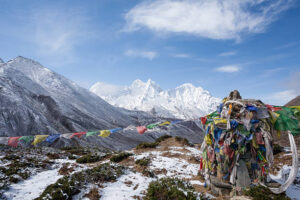
Above Thukla, the trail climbs steeply up the Khumbu Glacier’s terminal moraine to Thukla Pass, around 4,830 m. At the top, you enter a field of stone memorials and chortens, built in honour of climbers and Sherpas who lost their lives on Everest and nearby peaks. Prayer flags snap in the wind, and the mood is quiet and reflective. It is one of the most moving places on the trek.
From the memorials, the trail follows the valley beside the glacier to Lobuche, then continues the next day to Gorakshep, Everest Base Camp, and Kala Patthar.
Pheriche on the Descent
After the long day from Kala Patthar or Everest Base Camp, most trekkers descend to Pheriche for the night. Losing several hundred metres of altitude makes an enormous difference. The air feels thicker, appetites return, headaches fade, and sleep deepens. Many trekkers say the night in Pheriche on the way down is the best night’s sleep of the whole trek.
If anyone in the group develops symptoms of altitude sickness higher up, Pheriche is also where HRA doctors can assess them during the trekking season. For serious cases, they can arrange helicopter evacuation from here.
Lodges and Food in Pheriche
Pheriche has many family-run lodges, most offering twin rooms with shared bathrooms and a warm dining room heated by a stove. A few lodges offer attached bathrooms and better comfort. Bedrooms are unheated and cold, so a good sleeping bag is essential.
Menus are similar to other villages: dal bhat, Sherpa stew, noodles, soups, potatoes, pasta, pancakes and eggs. Garlic soup is a trail favourite and is widely believed to help with altitude. Electricity comes from solar power and small generators, so charging and Wi-Fi may be limited and slow.
For more comfort, the Everest Base Camp Luxury Lodge Trek uses the best lodges in each village, with heated dining rooms and better beds.
Helicopter Rescue and Evacuation from Pheriche
Helicopter rescue is an important safety net in the Everest region, and Pheriche is one of the places where evacuations often begin. If a trekker develops serious altitude sickness, injury, or illness, the guide, HRA doctors, and the trekking company work together to arrange a helicopter evacuation to Lukla or Kathmandu.
That is why comprehensive travel insurance covering high-altitude helicopter evacuation, up to at least 6,000 m, is essential for every trekker. Make sure your policy clearly covers trekking at these altitudes, and carry a copy of your policy details. Our team will check your insurance during the pre-trek briefing in Kathmandu.
For travellers who prefer to fly rather than walk down, we also offer planned helicopter returns. The Luxury Everest Base Camp Trek with Helicopter Return lets you walk up to Everest Base Camp and fly back. Meanwhile, the Everest Base Camp Helicopter Trek and Everest Elite Luxury Heli Trek combine shorter walks with helicopter transfers.
Staying Healthy at Altitude: Lessons from Pheriche
The doctors at Pheriche see the same mistakes repeatedly. Here are the lessons our guides share with every group:
- Do not rush: Ascending too fast is the main cause of altitude sickness. Follow a well-paced itinerary with proper acclimatisation days.
- Fitness is not protection: Even very fit trekkers can get altitude sickness. Listen to your body, not your ego.
- Never ascend with symptoms: If you have a headache or nausea, rest at the same altitude until you feel better.
- Descend if symptoms worsen: Going down even a few hundred metres often brings rapid relief.
- Never trek alone with symptoms: Always have someone with you who knows how you are feeling.
- Stay hydrated and well fed: Dehydration and low energy make altitude symptoms worse.
- Sleep warm: Cold, broken sleep slows acclimatisation.
- Talk honestly: Tell your guide how you feel every day.
Use our trekking equipment list to pack the warm clothing and sleeping bag you need for nights at Pheriche and above.
Understanding Altitude Sickness: AMS, HAPE and HACE
Doctors in Pheriche mainly treat three altitude illnesses. Understanding the differences is one of the most useful things you can learn before your trek.
Acute Mountain Sickness (AMS)
AMS is the most common form of altitude sickness and can affect anyone above about 2,500 m. Its symptoms feel like a bad hangover: headache, nausea, loss of appetite, dizziness, tiredness and poor sleep. Mild AMS usually improves within a day or two if you rest at the same altitude, drink fluids and avoid going higher. If symptoms worsen despite rest, descend.
High Altitude Pulmonary Oedema (HAPE)
HAPE is a dangerous build-up of fluid in the lungs. Early signs include being much more breathless than your companions, breathlessness even at rest, a dry cough that may later bring up frothy or pink sputum, a gurgling sound when breathing and extreme fatigue. HAPE can develop with or without the usual AMS symptoms. It requires immediate descent and medical treatment, often with oxygen and medication.
High Altitude Cerebral Oedema (HACE)
HACE is brain swelling and the most serious form of altitude sickness. Warning signs include a severe headache that doesn’t respond to painkillers, confusion, unusual behaviour, drowsiness, and loss of coordination. A simple test is to walk heel to toe in a straight line; if someone cannot do this, it is a red flag. HACE requires immediate descent and emergency medical care, often by helicopter evacuation.
Pheriche’s key message is simple: recognise symptoms early, never ascend with symptoms, and descend when they worsen. Following that rule saves lives every season.
A Sample Itinerary Through Pheriche
Here is how Pheriche fits into a typical Everest Base Camp journey with our team:
- Days 1 to 3: Arrive in Kathmandu, fly to Lukla and walk through Phakding and Monjo to Namche Bazaar.
- Day 4: Acclimatisation in Namche, with a hike to Khumjung and Khunde.
- Day 5: Trek to Tengboche or Deboche and visit Tengboche Monastery.
- Day 6: Trek through Pangboche to Dingboche, or to Pheriche if you prefer the quieter valley and the HRA talk.
- Day 7: Acclimatisation day with a hike to Nangkartshang or the ridge above Pheriche.
- Day 8: Trek via Thukla and the memorials to Lobuche.
- Day 9: Trek to Gorakshep and Everest Base Camp.
- Day 10: Sunrise climb to Kala Patthar, then descend to Pheriche for the night.
- Days 11 to 14: Return via Namche to Lukla and fly back to Kathmandu.
This rhythm gives you two key acclimatisation stops and a recovery night at Pheriche after the trek’s highest point.
Altitude Safety on Other High Treks in Nepal
The lessons of Pheriche apply to every high-altitude trek in Nepal. Whichever route you choose, gradual ascent and acclimatisation are essential:
- [Gokyo Lakes Trek](https://www.treknepalhimalayas.com/trip/everest-gokyo-lakes-trek/): Reaches Gokyo Ri at around 5,357 m, with acclimatisation stops at Namche and Machhermo.
- [Annapurna Circuit Trek](https://www.treknepalhimalayas.com/trip/annapurna-circuit-trek/): Crosses the Thorong La at about 5,416 m, with an HRA aid post in Manang during the seasons.
- [Manaslu Circuit Trek](https://www.treknepalhimalayas.com/trip/manaslu-circuit-trek/): Crosses the Larke Pass at about 5,160 m, in a more remote region with fewer facilities.
- [Langtang Gosaikunda Trek](https://www.treknepalhimalayas.com/trip/langtang-gosaikunda-trek/): Reaches the sacred lakes and Lauribina Pass above 4,600 m.
- [Kanchenjunga Base Camp Trek](https://www.treknepalhimalayas.com/trip/kanchenjunga-base-camp-trek/): A long, remote trek where self-reliance and careful acclimatisation are vital.
- [Upper Mustang Trek](https://www.treknepalhimalayas.com/trip/upper-mustang-trek/): Stays mostly between 3,000 and 4,000 m, but still requires care with altitude.
Lower-Altitude Alternatives
If you are concerned about altitude, there are wonderful ways to enjoy the Himalaya without going as high as Pheriche:
- [Everest View Trek](https://www.treknepalhimalayas.com/trip/everest-view-trek/): Stays below about 3,900 m, with Everest views from Namche, Khumjung and Tengboche.
- [Ghorepani Poon Hill Trek](https://www.treknepalhimalayas.com/trip/ghorepani-poon-hill-trek/): A classic short trek in the Annapurna region with sunrise views from about 3,200 m.
- [Mardi Himal Trek](https://www.treknepalhimalayas.com/trip/mardi-himal-trek/): A beautiful ridge trek with close views of Machhapuchhre and Annapurna.
- Everest by helicopter: The Everest Helicopter Tour and Mt Everest by Helicopter Tour show you Everest up close in a single day, with only a short time at altitude.
For more inspiration, browse our list of the top 50 trekking routes in Nepal.
Pheriche on Different Treks
Pheriche appears on many journeys in the Everest region:
- [Everest Base Camp Trek](https://www.treknepalhimalayas.com/trip/everest-base-camp-trek/): Usually a stop on the descent, and sometimes on the ascent instead of Dingboche.
- [Everest 3 Pass Trek](https://www.treknepalhimalayas.com/trip/everest-3-pass-trek/): Passes near Pheriche on the way to Kongma La, Lobuche and the other passes.
- [Lobuche Peak Climbing](https://www.treknepalhimalayas.com/trip/lobuche-peak-climbing/): Follows the main trail through the Pheriche valley to Lobuche base camp.
- [Island Peak Climbing](https://www.treknepalhimalayas.com/trip/island-peak-climbing/): Often descends via Pheriche after the climb.
- [Everest Base Camp Yoga Trek](https://www.treknepalhimalayas.com/trip/everest-base-camp-yoga-trek/): The quiet valley of Pheriche is a peaceful place for gentle yoga and breathing practice on the descent.
- [Everest Marathon](https://www.treknepalhimalayas.com/trip/everest-marathon/): The famous high-altitude race passes through the Pheriche valley on its course from Everest Base Camp.
The Volunteer Doctors of Pheriche
One of the most remarkable things about the Pheriche aid post is the people who staff it. Each season, volunteer doctors, many with backgrounds in emergency, wilderness or mountain medicine, travel from around the world to spend months living in this cold, remote valley. They work alongside Nepali staff, treating patients, running the daily talks, coordinating evacuations and gathering knowledge that improves high-altitude medicine everywhere.
Life at the aid post is demanding. Doctors work long hours at over 4,200 m, often in freezing conditions, with limited equipment and the constant possibility of emergencies. Many describe it as one of the most rewarding experiences of their careers. When you attend the afternoon talk, take a moment to thank them; their dedication helps make trekking in the Khumbu safer for everyone.
Your Personal First Aid Kit for the Everest Trail
While the Pheriche aid post and your guide provide important support, every trekker should carry a small personal first aid kit. Our guides recommend packing:
- Blister care: Plasters, blister patches and tape. Treat hot spots early.
- Pain relief: Paracetamol or ibuprofen for headaches and muscle aches, used as advised by your doctor.
- Stomach remedies: Oral rehydration salts and diarrhoea medication, as recommended by your doctor.
- Cold and throat remedies: Throat lozenges for the dry, dusty air that causes the “Khumbu cough.”
- Personal medication: Enough for the whole trek plus extra days, in your daypack.
- Altitude medication: Only if prescribed or recommended by your doctor before the trek.
- Hand sanitiser and water treatment: Purification tablets or a filter to help prevent stomach problems.
- Sun protection: High-SPF sunscreen and lip balm.
Discuss your kit with your doctor before travelling, especially if you have existing health conditions. Our trekking equipment list includes a full checklist.
Nature Around Pheriche
The Pheriche valley sits above the tree line, but it is far from lifeless. Juniper and dwarf rhododendron cling to the slopes, and in the short summer, alpine flowers bloom in the pastures. Look for Himalayan tahr on the cliffs, lammergeiers and griffon vultures gliding over the valley, and choughs hopping around the lodges. In the evening, the alpenglow on Taboche and Cholatse is breathtaking. Our guide to Sagarmatha National Park describes the region’s wildlife and habitats in more detail.
Best Time to Visit Pheriche
- Spring (March to May): Milder temperatures, expeditions passing through to Everest, and the HRA aid post usually open.
- Autumn (September to November): Clear skies and the best views, with the aid post usually open. Nights become very cold in November.
- Winter (December to February): Bitterly cold and windy, with few trekkers. Some lodges close and the aid post may not operate.
- Monsoon (June to August): Cloudy and wet, with green pastures and few visitors. The aid post may be closed.
Spring and autumn are the best seasons for most trekkers, with stable weather and the aid post usually running.
Culture and Life in the Pheriche Valley
Although Pheriche is mainly a lodge settlement today, it remains part of the Khumbu’s traditional herding landscape. In summer, yaks graze on the pastures above the village, and herders from Pangboche move up with their animals. You will see stone walls that protect small fields of potatoes and barley, and simple herders’ huts on the slopes.
Small mani walls, chortens and prayer flags mark the village, and many lodge owners are from Pangboche families with long histories in the region. Ask your hosts about their families and the changes they have seen. Our guides to Pangboche and Sherpa culture and traditions explain the culture behind these villages.
Practical Tips for Pheriche
- Arrive by early afternoon: Avoid the strongest winds and secure a good room.
- Attend the HRA talk: Usually around 3:00 p.m. during trekking season.
- Carry cash: There are no ATMs above Namche. Bring enough for lodges, snacks, charging and donations.
- Dress warmly: Pheriche is cold and windy, especially in the evenings.
- Donate: Support the HRA aid post’s work for trekkers and locals.
- Check your insurance: Make sure your policy covers high-altitude helicopter evacuation.
- Plan a buffer day: Weather or health may require an extra day, so keep spare days in your itinerary.
To reach Pheriche, most trekkers fly to Lukla, often via Manthali Airport in Ramechhap during peak season, then walk through Namche Bazaar, Tengboche, and Pangboche. Our Ramechhap airport transportation service makes the transfer simple.
Frequently Asked Questions About Pheriche
What is the altitude of Pheriche?
Pheriche sits at about 4,240 m at the lower lodges, rising to around 4,370 m at the top of the village.
What is the Himalayan Rescue Association?
The Himalayan Rescue Association is a Nepali non-profit organisation that works to reduce deaths and injuries in the mountains. It runs aid posts in Pheriche and Manang and a clinic at Everest Base Camp in the spring climbing season.
When is the altitude talk in Pheriche?
During the trekking seasons, HRA doctors usually give a free talk on altitude sickness every afternoon, often around 3 p.m. Ask your guide to confirm the time.
Is the Pheriche aid post open all year?
It usually operates during the main trekking seasons, spring and autumn. It may be closed or have limited staffing at other times of year.
Should I stay in Pheriche or Dingboche?
Most itineraries stay in Dingboche on the way up for better shelter and side hikes, and in Pheriche on the way down for recovery and the HRA aid post. Both are good options for acclimatisation.
How far is Pheriche from Dingboche?
A low ridge separates Pheriche and Dingboche. The walk takes about 40 minutes to an hour.
Can I get medical treatment in Pheriche?
Yes. During the trekking season, the HRA aid post treats altitude sickness and other medical problems. Fees paid by foreign trekkers help fund free or subsidised care for locals.
Why is Pheriche so windy?
Pheriche lies in a wide, open valley below the Khumbu Glacier, where winds funnel down from the high mountains, especially in the afternoon.
Where are the Everest memorials?
The memorials to climbers and Sherpas are at thukla Pass, above Thukla , on the trail from Pheriche atoDingboche tand then o Lobuche.
Do I need travel insurance for the Everest trek?
Yes. Travel insurance that covers high-altitude helicopter evacuation is essential for every trekker in the Everest region.
Final Thoughts: A Place of Safety in the High Khumbu
Pheriche may look simple: a few lodges in a windswept valley. But it plays a vital role on the Everest trail. Its aid post has saved countless lives, its doctors have taught generations of trekkers how to stay safe, and its quiet lodges offer rest and recovery after the high adventure of Everest Base Camp. Spending time here, and listening to what it teaches, is one of the smartest things you can do on your trek.
Let our experienced Sherpa team guide you safely through the high Khumbu. Join our classic Everest Base Camp Trek, choose the comfort of the Everest Base Camp Luxury Lodge Trek, or meet the guides who will walk beside you on our Our Team page. Plan your trip or contact us today, and trek the Everest trail with confidence.
Quick Inquiry
Explore More


