
Sherpa Culture and Traditions on the Everest Trail
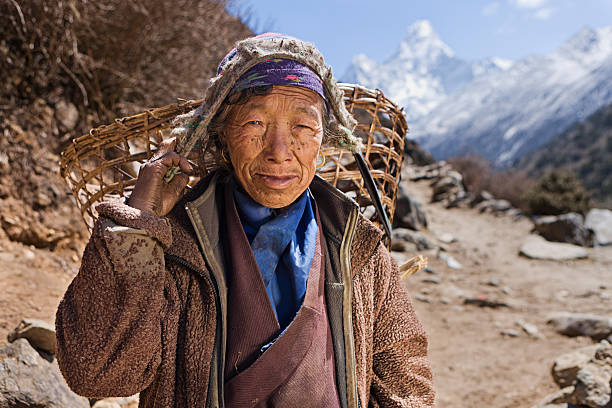
Sherpa Culture and Traditions on the Everest Trail
The first thing you notice in the Khumbu is not always the mountains. It is the smell of juniper smoke drifting from a kitchen in Phakding, the soft click of prayer wheels turning under an older woman’s hand, the deep hum of horns from a monastery hidden in the clouds, and a cup of sweet milk tea pressed into your cold hands with a smile. Long before Everest comes into view, you are already walking through a living culture.
That culture belongs to the Sherpa people, the highland community whose homes, monasteries and fields line every step of the Everest Base Camp Trek. Many visitors know the word “Sherpa” only as a job title for a mountain guide. In reality, Sherpa culture is a rich tradition of Tibetan Buddhist faith, festivals, food, family life, and deep respect for the mountains, shaped over centuries in one of Earth’s harshest environments.
As a Sherpa-led company, this subject is personal for us. In this guide, our team shares the history, beliefs and everyday traditions of our people, along with practical advice on how to experience Sherpa culture respectfully when you trek through the Everest region.
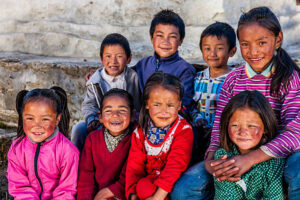
Who Are the Sherpa People?
The Sherpa are an ethnic group of the high Himalaya, living mainly in the Solukhumbu District of north-eastern Nepal, with smaller communities in the Rolwaling valley, the Makalu and Kanchenjunga regions, Helambu, Darjeeling and Sikkim. The name comes from Tibetan words meaning “people from the east,” a reference to their ancestral homeland.
Origins and Migration
According to Sherpa oral history, our ancestors came from Kham in eastern Tibet. Over generations, they travelled west across the Tibetan plateau and, most likely several hundred years ago, finally crossed the high Nangpa La pass into the Khumbu. They brought their language, Buddhist faith, and skills as herders and traders. The first settlers formed four original clans, which have since grown into more than twenty clan groups, each with its own protective mountain deities.
The Sherpa Language
Sherpas speak their own language, part of the Tibeto-Burman family and closely related to Tibetan dialects, though not mutually intelligible with modern Lhasa Tibetan. Traditionally, they spoke it rather than wrote it, and they read religious texts in classical Tibetan. Today, most Sherpas also speak Nepali, and many in the trekking industry speak excellent English and other languages.
Learning a few words goes a long way on the trail. “Tashi delek” is a warm greeting and blessing, “thuche che” means thank you, and the familiar “namaste” is understood everywhere.
More Than a Job Title
Because so many Sherpas became famous as high-altitude guides and climbers, the word “sherpa” is now used loosely around the world for anyone who carries loads or guides in the mountains. Inside Nepal, however, Sherpa is an ethnic identity with its own culture, history and family names. Not every guide or porter on the trail is a Sherpa: you will also meet Rai, Tamang, Gurung, Magar and many other communities working in the mountains. It is a small detail, but understanding it shows real respect.
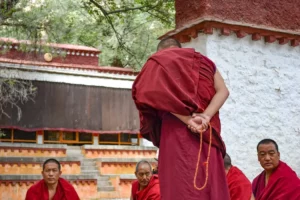
Sherpa Buddhism: The Heart of Sherpa Culture
Faith runs through every part of Sherpa culture. Sherpas follow the Nyingma school, the oldest tradition of Tibetan Buddhism, which traces its teachings to Guru Rinpoche, also known as Padmasambhava. He is believed to have brought Buddhism across the Himalaya, and many caves and sacred sites in Nepal and Tibet are linked to his meditation. Our article, “Guru Padmasambhava: Maratika, Pharping and Tibet,” explores his story in more detail.
Sherpa Buddhism also includes older local beliefs. People honour mountain gods, protective spirits, sacred springs, and powerful lakes alongside the Buddha. Village lamas, who may be celibate monks or married householders, lead ceremonies for births, weddings, illness, harvests and funerals. For a broader introduction to the faith, read our guide to Buddhism in Tibet.
Monasteries of the Khumbu
Monasteries, known as gompas, are the spiritual and social centres of Sherpa villages. On the classic route through Sagarmatha National Park, you will pass several of the most important:
- [Tengboche](https://www.treknepalhimalayas.com/tengboche/) Monastery: The largest and best-known monastery in the Khumbu, set on a forested ridge facing Ama Dablam and Everest. Trekkers are welcome to join the afternoon prayers.
- Pangboche Monastery: Believed to be the oldest monastery in the Khumbu, linked by legend to the saint Lama Sangwa Dorje.
- Khumjung Monastery: Home to a famous relic said to be a yeti scalp, viewed with a mix of faith, curiosity and good humour.
- Thame Monastery: Clinging to a cliff in the quiet Thame Valley, and a venue for the Mani Rimdu festival.
- Namche Gompa: The village monastery of Namche Bazaar, close to the Sherpa Culture Museum and the national park headquarters.
Mani Walls, Chortens and Prayer Wheels
The trail itself is a sacred landscape. Long walls of carved stones, called mani walls, are inscribed with the mantra “Om Mani Padme Hum,” the prayer of compassion. Whitewashed chortens, or stupas, mark village entrances and bridges, and our article on the Eight Great Stupas explains their meaning. Prayer wheels, some small enough to hold and others huge and water-powered, send prayers out every time they turn.
The rule is simple: always pass these on your right side, walking clockwise around them, just as Sherpas do. Never sit or step on mani stones, and never take them as souvenirs.
Prayer Flags
Colourful prayer flags, called lungta or “wind horses,” stretch across bridges, passes and rooftops throughout the Khumbu. Their five colours represent the elements: blue for sky, white for air, red for fire, green for water and yellow for earth. Printed with prayers and mantras, the flags are believed to carry blessings on the wind to all living beings. People hang new flags at festivals, in new homes, and before expeditions, and let old flags fade naturally.
Sacred Mountains and the Spirit of the Land
For Sherpas, the mountains are not obstacles to conquer but homes of gods and protectors. Everest itself is Chomolungma, often translated as “Mother Goddess of the World.” Khumbila, the dark rocky peak above Khumjung and Khunde, is home to the Khumbu’s guardian deity, and people never climb it out of respect. Many families also honour clan mountains linked to their ancestors.
This belief shapes daily life. Sherpas avoid shouting, fighting or polluting sacred places, and they make offerings of juniper smoke, rice and butter lamps to keep the mountain gods content. Before any expedition sets foot on Everest or a trekking peak, a lama leads a puja ceremony at base camp, asking permission from the mountain and blessing climbers, ropes, ice axes and boots. If you climb Island Peak or Lobuche Peak with us, you may experience a small puja yourself.
Sherpa Festivals: When Sherpa Culture Comes Alive
Festivals are the best time to see Sherpa culture at its most joyful and colourful. They follow the Tibetan lunar calendar, so exact dates shift each year. If you would like to time your trek around a festival, our team can advise you when you plan your trip.
Losar: Sherpa New Year
Losar, the Tibetan and Sherpa New Year, usually falls in February or early March. Families clean and decorate their homes, hang new prayer flags, visit monasteries and share special foods and drinks with relatives and neighbours. It is a time of reunions, blessings, songs and dancing, and many Sherpas working in Kathmandu return home to celebrate.
Dumje: The Village Festival
Dumje is held in early summer, usually around May or June, in villages such as Namche, Thame, Khumjung and Pangboche. It honours Guru Rinpoche and celebrates the community itself. Each year, a few families take turns hosting and feeding the whole village over several days. The festival includes prayers at the monastery, masked dances by monks, burning effigies to drive away misfortune, and plenty of feasting, singing, and dancing.
Mani Rimdu: Masked Dances at Tengboche
Mani Rimdu is the most famous Sherpa festival and a highlight for autumn trekkers. Held over many days in October or November at Tengboche, Thame and Chiwong monasteries, it ends with public days of masked dances, called cham. Monks in brilliant costumes and painted masks represent deities and demons, acting out Buddhism’s triumph over evil. Villagers travel from across the Khumbu in their finest clothes to receive blessings. Watching the dances in Tengboche’s courtyard, with Ama Dablam and Everest behind the monastery, is unforgettable.
Other Celebrations
Throughout the year, Sherpa communities also celebrate Saga Dawa, the holy month marking the Buddha’s birth, enlightenment and passing, along with family rites, house blessings and harvest ceremonies. In Upper Mustang, a related Tibetan Buddhist festival called Tiji fills the walled city of Lo Manthang with masked dances; read our guide to learn more.
Sherpa Homes and Village Life
Walking through Sherpa villages offers a window into daily life high in the mountains.
The Traditional Sherpa House
A traditional Sherpa house is built of stone and timber and usually has two storeys. The ground floor once sheltered yaks and cattle and stored fodder, and the animals’ warmth helped heat the home above. The upper floor is the family living space: one large room with a central hearth or stove, wooden benches along the walls, and shelves lined with copper pots, brass ladles and painted cups. In many homes, the most beautiful room is the family shrine, filled with statues, scriptures, butter lamps and thangka paintings.
Many teahouses on the trail grew out of family homes, and some still keep their traditional character. Staying in them is one of the most authentic ways to experience Sherpa hospitality.
Farming and Yaks
Life in the Khumbu was historically built on three activities: farming, herding and trade. Sherpas grow hardy crops such as potatoes, barley and buckwheat on terraced stone-walled fields. Potatoes, introduced to the region in the nineteenth century, transformed life here and remain the staple food today.
Yaks and yak-cow crossbreeds called naks, dzo, and dzomo provide milk, butter, cheese, wool, dung for fuel, and transport. In summer, herders move the animals up to high pastures around Dingboche, Pheriche and beyond, living in simple stone huts. You will share the trail with yak trains carrying supplies to lodges and expeditions; always step to the mountainside to let them pass safely.
Trade Across the Himalaya
For centuries, Sherpas traded across the Nangpa La pass with Tibet, carrying grain, paper and goods north and returning with salt, wool and livestock. Namche Bazaar grew as a trading post, and its weekly market still brings traders and porters from lower valleys. Today, tourism has replaced much of the old trade, but the entrepreneurial spirit remains.
Sherpa Food and Drink
Food is one of the most enjoyable ways to experience Sherpa culture. Meals in Sherpa homes and lodges are simple, warming and designed to fuel hard work at altitude.
Traditional Sherpa Dishes
- Shyakpa (Sherpa stew): A thick, hearty stew of hand-pulled dough, potatoes, vegetables and sometimes meat. Perfect after a cold day on the trail.
- Riki kur: Grated potato pancakes cooked on a hot stone or pan, served with butter, yak cheese or chilli sauce.
- Rildok: Soft potato dumplings in a warming broth.
- Tsampa: Roasted barley flour mixed with butter tea or water into a dough. Easy to carry and energy-rich, it has fed Himalayan travellers for generations.
- Thukpa: A noodle soup with vegetables or meat, common across the Himalaya.
- Momos: Steamed or fried dumplings filled with vegetables, potatoes, yak meat or cheese.
- Dal bhat: Nepal’s national meal of rice, lentil soup and vegetable curry, with free refills. Guides say “dal bhat power, 24 hour.”
Traditional Drinks
- Butter tea (solja): Tea churned with salt and yak butter. Rich and salty, it helps keep you warm and hydrated at altitude.
- Sweet milk tea: The everyday trail drink, served in every teahouse.
- Chhaang: A home-brewed barley or millet beer, shared at festivals and celebrations.
- Raksi: A strong distilled spirit often offered at ceremonies.
A Sherpa host will often keep refilling your cup. If you have had enough, leave it full or politely cover it with your hand. While alcohol is part of celebrations, we recommend avoiding it on the way up, as it hinders acclimatisation.
Acclimatisation: Many Sherpas avoid killing animals themselves out of Buddhist belief, and slaughter is discouraged within the national park. People usually carry meat up the upper trail from the lower valleys, which is why our guides recommend vegetarian meals above Namche.
Sherpa Names: A Week in a Word
One of the most charming aspects of Sherpa culture is how people are named. Traditionally, many Sherpas are named after the day of the week they were born on. This explains why you might meet several guides with the same first name in one lodge.
- Nima: Sunday
- Dawa: Monday
- Mingma: Tuesday
- Lhakpa: Wednesday
- Phurba: Thursday
- Pasang: Friday
- Pemba: Saturday
Lamas also have names with religious meanings, such as Tenzing, meaning “holder of the teachings,” Dorje, meaning “thunderbolt,” and Lhamu, meaning “goddess.” Many Sherpas use “Sherpa” as their family name, while clan names such as Salaka, Paldorje, Chawa and Thaktu are known within the community. Ask your guide about his name; it is a great way to start a conversation.
Family, Marriage and Life Ceremonies
Family and community bonds are at the centre of Sherpa life. Villages work together on festivals, house-building, funerals, and caring for monasteries.
Weddings
Traditional Sherpa weddings can unfold over months or even years, beginning with family negotiations and ending with a grand celebration. Lamas consult astrological charts for auspicious dates, and the ceremony includes prayers, offerings, songs, dancing and many cups of chhaang. Guests offer khata, the white scarves that symbolise purity and the Cycle of Life.
Buddhist belief in rebirth shapes Sherpa funerals. Lamas read prayers to guide the spirit through the intermediate state between death and the next life, and rituals continue for many days. Cremation is the most common practice. Families sponsor prayers, offer butter lamps and later raise prayer flags, carve mani stones or build small chortens in memory of the departed.
The Khata Welcome
When you arrive at a Sherpa home, monastery or celebration, or when you complete a trek, you may be welcomed or farewelled with a khata scarf placed around your neck. Accept it with both hands and a smile. It is a blessing and an expression of respect and friendship.
Sherpa Dress, Arts and Music
Traditional dress, crafts and music are another colourful side of Sherpa culture, and you will see them most clearly at festivals, weddings and in the homes of older Sherpas.
Traditional Clothing
Sherpa women traditionally wear a long, sleeveless wrap dress called an angi over a silk or cotton blouse, with a striped woollen apron, the pangden, worn at the front by married women. Men once wore a long woollen robe called a chuba, tied at the waist with a sash, along with felt boots and fur-lined hats. Coral, turquoise, and silver jewellery is treasured and passed down through generations. Today, most people wear modern clothes in daily life, but they proudly wear traditional dress for Losar, Dumje, weddings, and monastery ceremonies.
Thangka Painting and Sacred Arts
Monasteries in the Khumbu are decorated with thangkas, detailed scroll paintings of Buddhas, deities and mandalas, painted with natural pigments. Murals cover the walls of prayer halls, and skilled artisans carve wooden masks for festival dances and mani stones for village walls. In Namche and Kathmandu, you can buy thangkas and crafts directly from artists; ask your guide to point out genuine local work.
Music and Dance
Sherpa music ranges from the deep, haunting sounds of monastery horns, conch shells, cymbals and drums to joyful folk songs sung at festivals. During celebration evenings, villagers form long lines or circles, link arms, and sing as they step in rhythm, often late into the night. If you are lucky enough to be invited to join, accept with a smile; nobody minds if you miss a step.
Storytelling and Legends
Sherpa culture is rich in stories of saints, hidden valleys, mountain gods and the elusive yeti. The legend of beyul, sacred hidden valleys revealed to faithful seekers in times of trouble, explains why the Khumbu itself is considered a protected, holy land. Evenings by the lodge stove are the perfect time to ask your guide for a story.
Sherpas and Mountaineering
The world came to know the Sherpa people through mountaineering. When Western expeditions began exploring the Himalaya in the early twentieth century, Sherpas from the Khumbu and Darjeeling quickly proved their strength, endurance and skill at altitude. Tenzing Norgay, who grew up in the Khumbu, stood on Everest’s summit with Edmund Hillary on the first ascent, becoming a hero to Nepal and the world.
Since then, Sherpa climbers have set extraordinary records, with some reaching Everest’s summit more than twenty times. Sherpa women have also made history, including climbers who have summited Everest many times. Today, Sherpa guides lead expeditions on Nepal’s highest peaks, and Sherpa-owned trekking companies like ours guide travellers through the mountains they call home.
This success has come with great sacrifice. Sherpas face the greatest risks on the mountain, working in places like the Khumbu Icefall, and many families have lost loved ones. The memorials at Thukla, on the trail between Dingboche and Lobuche, honour climbers and Sherpas who never returned. Walking past them in silence is one of the trek’s most moving moments.
Hillary and the Khumbu
Sir Edmund Hillary returned to the Khumbu many times after the first ascent and, with Sherpa communities, helped build schools, clinics and bridges through his Himalayan Trust. The Hillary School in Khumjung and the hospital in Khunde still serve the region. Visiting them on an acclimatisation day, as part of itineraries including our Everest View Trek, powerfully reminds you what partnership can achieve.
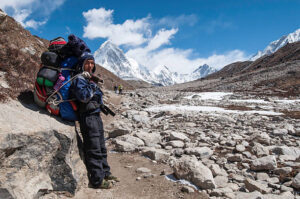
Where to Experience Sherpa Culture on the Everest Trail
The whole trail is a cultural journey, but some places offer especially rich experiences.
Lukla and Phakding
Your first Sherpa villages, with mani walls, small monasteries and family-run teahouses along the Dudh Koshi River. Even here, you will see chortens and prayer wheels at every turn.
Namche Bazaar
The Sherpa capital is the best place to learn about Sherpa culture. Visit the Sherpa Culture Museum above the village for exhibits on traditional homes, clothing, tools and mountaineering history. Walk around Namche Gompa, browse the Saturday market, and talk with lodge owners whose families have lived here for generations. Read our complete guide to Namche Bazaar for more ideas.
Khumjung and Khunde
Just above Namche, these twin villages feel peaceful and traditional, with potato fields, stone homes, the monastery with its yeti relic, the Hillary School and Khunde Hospital. They are perfect for acclimatisation and Deboch.e
The spiritual heart of the Khumbu. Attend the afternoon prayers at Tengboche Monastery, sitting quietly at the side of the hall as monks chant and play long horns, drums and cymbals. Nearby Deboche is home to a small nunnery.
Pangboche
Visit the old monastery in upper Pangboche and see one of the trail’s most traditional villages. Many famous climbers come from here.
Thame and Phortse
For a quieter cultural experience, the Thame valley on the route to Renjo La (part of the Everest 3 Pass Trek) and the village of Phortse on the way to the Gokyo Lakes Trek offer authentic village life with far fewer trekkers.
Dingboche and Pheriche
High summer settlements with stone-walled fields and yak pastures. Here you see how Sherpas farm and herd at the edge of possibility. Our Dingboche guide explains what to see during your acclimatisation day. To Be a Respectful Trekker
Sherpas are famously warm and welcoming, and visitors who show respect are rewarded with genuine friendship. These simple customs make a big difference:
- Walk clockwise around stupas, mani walls and monasteries, keeping them on your right.
- Remove your shoes and hat before entering a monastery prayer hall or a family shrine room.
- Do not point your feet at people, altars or statues, and do not step over people’s legs or belongings.
- Use your right hand, or both hands, to give and receive things, especially money, food and gifts.
- Do not touch people’s heads, including children’s, as the head is considered sacred.
- Ask before photographing people, ceremonies and the inside of monasteries. Many monasteries do not allow photos during prayers.
- Dress modestly, especially in villages and religious sites.
- Make a small donation when visiting a monastery; it helps maintain these important places.
- Avoid public displays of affection and loud behaviour near sacred sites.
- Do not give sweets or money to children, which encourages begging. Supporting schools and community projects helps far more.
- Accept hospitality graciously, and try at least a sip of what you are offered.
Our responsible tourism page explains more about how we support local communities and porters on every trek.
Sherpa Culture Today: Change and Continuity
The Khumbu has changed enormously in a few generations. Tourism brought new income, schools, hospitals, electricity and internet to villages that once relied on farming and trade. Many young Sherpas now study in Kathmandu or abroad, and some families have moved to cities or overseas.
At the same time, Sherpa culture remains strong. Monasteries are restored and full of young monks and nuns, festivals still draw families home from far away, and Sherpa language, music and dress are proudly maintained. Community organisations manage waste and support cultural education. When you trek with a Sherpa-owned company and stay in family lodges, your visit directly supports these communities and helps keep their traditions alive.
Experiencing Sherpa Culture on Different Everest Treks
Every trek in the region offers cultural encounters, but you can choose a route that matches your interests and comfort level.
Everest Base Camp Trek
The classic Everest Base Camp Trek passes Namche, Khumjung, Tengboche, Pangboche, and Dingboche, covering the Khumbu’s most important cultural sites. Acclimatisation day: Acclimatise at monasteries, museums, and villages.
Everest View Trek
Short on time? The Everest View Trek focuses on the cultural heart of the lower Khumbu, with Namche, Khumjung and Tengboche, and stays at lower altitude.
Jiri to Everest Trek
The Jiri to Everest Trek begins in the middle hills, passing through Sherpa villages in the Solu region, such as Junbesi, as well as Rai and Tamang communities. It offers a much deeper cultural journey before reaching the Khumbu.
Everest Base Camp Yoga Trek
The Everest Base Camp Yoga Trek combines the classic route with daily yoga and meditation, a natural fit with the peaceful atmosphere of Sherpa monasteries.
Luxury and Helicopter Options
For more comfort, the Everest Base Camp Luxury Lodge Trek stays in the finest Sherpa-run lodges, where you can enjoy local hospitality,h better rooms, and better food. If time is short, the Everest Heli Sherpa Village Walk combines a scenic flight with a guided walk through a traditional Sherpa village in a single day. You can also see the Khumbu from above on the Everest Helicopter Tour, or trek in and fly out on the Luxury Everest Base Camp Trek with Helicopter Return.
Himalayan Buddhist Cultures Beyond the Khumbu
If Sherpa culture inspires you, Nepal and its neighbours are home to many related Himalayan Buddhist communities.
- Tsum Valley: A sacred hidden valley with its own Buddhist traditions and monasteries such as Mu Gompa, explored on the Tsum Valley and Ganesh Himal Trek.
- Manaslu region: Tibetan-influenced Nubri villages and monasteries along the Manaslu Circuit Trek, including Samdo Village and Pungyen Gompa.
- Upper Mustang: The ancient Loba kingdom, with cave monasteries and the walled city of Lo Manthang, visited on the Upper Mustang Trek.
- Langtang and Helambu: Tamang and Hyolmo villages on the Tamang Heritage Trekking and Langtang Helambu Trek
- Tibet and Bhutan: Explore the heartlands of Himalayan Buddhism on our Luxury Nepal Tibet Tour and Luxury Nepal Bhutan Tour.
You can also learn about the lives of great Himalayan teachers in our articles on Milarepa, the cotton-clad yogi and the Dalai Lama.
Practical Tips for a Culturally Rich Everest Trek
To make the most of Sherpa culture on your journey, keep these practical tips in mind:
- Plan around festivals: Ask our team about Mani Rimdu, Dumje or Losar if you would like to witness a celebration.
- Use acclimatisation days to visit monasteries, the Sherpa Culture Museum, Khumjung and Khunde instead of resting in your room.
- Arrive at Tengboche in the afternoon: That is when monks usually hold prayers that visitors may observe.
- Talk with your guide: Sherpa guides have stories about their families, villages, and mountains. Ask questions.
- Stay in family-run lodges: They offer more authentic experiences and keep income in the community.
- Learn a few words: “Tashi delek” and “thuche che” bring smiles everywhere.
- Carry small notes: Useful for monastery donations and buying local crafts.
- Prepare for the altitude: Feeling well lets you enjoy cultural encounters. Read our Acute Mountain Sickness guide and pack with our trekking equipment.
Before flying to the mountains, spend a day exploring Kathmandu’s Buddhist heritage. Boudhanath Stupa, Nepal’s largest stupa, is surrounded by Tibetan and Sherpa monasteries and makes a perfect introduction. Our Kathmandu Day Tour and Kathmandu sightseeing guide cover the highlights.
Frequently Asked Questions About Sherpa Culture
Who are the Sherpa people?
The Sherpa are an ethnic group of the high Himalaya whose ancestors migrated from eastern Tibet several centuries ago. They live mainly in Nepal’s Solukhumbu District around Mount Everest and are known for their culture and mountaineering skills.
What religion do Sherpas follow?
Sherpas follow the Nyingma school of Tibetan Buddhism, combined with older beliefs in mountain gods and local spirits. Monasteries and village lamas play a central role in their lives.
Are all guides in Nepal Sherpa?
No. Sherpa is an ethnic identity, not a job title. Guides and porters in Nepal come from many communities, including Rai, Tamang, Gurung and Magar.
What is the most famous Sherpa festival?
Mani Rimdu, held in autumn at Tengboche, Thame and Chiwong monasteries, is the most famous, with colourful masked dances. Losar, the New Year, and Dumje, the summer village festival, are also important.
Why do so many Sherpas have the same name?
Many Sherpas are named after the day of the week they were born, such as Pasang for Friday or Pemba for Saturday. Others receive names from lamas with religious meanings.
What traditional Sherpa food should I try?
Try shyakpa (Sherpa stew), riki kur (potato pancakes), rildok (potato dumpling soup), tsampa and butter tea. Momos and dal bhat are also popular on the trail.
Can trekkers visit monasteries in the Everest region?
Yes. Most monasteries welcome respectful visitors. Remove your shoes and hat, dress modestly, ask before taking photos and leave a small donation.
Which way should I walk around a stupa or mani wall?
Always walk clockwise, keeping stupas, mani walls, and prayer wheels on your right.
Where can I learn about Sherpa history on the trek?
The Sherpa Culture Museum in Namche Bazaar, the monasteries at Tengboche, Pangboche and Khumjung, and the Hillary School in Khumjung are excellent places to learn about Sherpa history and life.
Is it okay to give gifts to Sherpa children?
It is better not to give sweets, money, or small gifts directly to children, as it can encourage begging. It’s best to support schools or community projects through trusted organisations.
Final Thoughts: Walk With the Sherpa People
The Everest trail is famous for its mountains, but the people make it unforgettable. Sherpa culture greets you in every prayer flag, every mani wall, every cup of tea and every smile from a lodge owner who has watched thousands of trekkers pass through. Understanding these traditions turns a trek into a meaningful journey into Himalayan life.
As a Sherpa-led company, we would be honoured to share our home with you. Join our classic Everest Base Camp Trek, choose the comfort of the Everest Base Camp Luxury Lodge Trek, or meet the guides who will walk beside you on our Our Team page. Plan your trip or contact us today to discover the warmth, faith, and spirit of the Sherpa people for yourself. Tashi delek!
Quick Inquiry
Explore More


