Best Time for Everest Base Camp Trek: Month-by-Month Guide
Best Time for Everest Base Camp Trek: Month-by-Month Guide
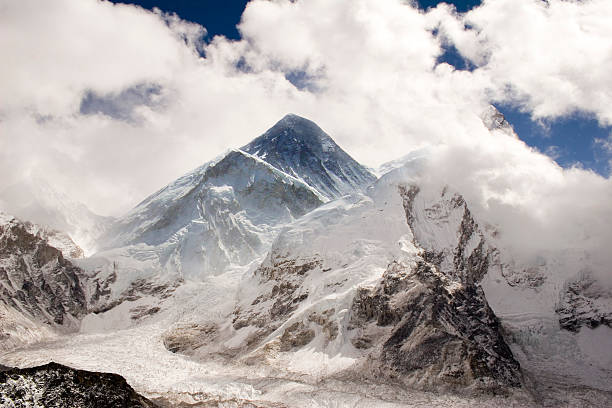
Picture two trekkers standing on Kala Patthar at sunrise. One sees Everest blazing gold against a sky so clear it looks painted. The other sees nothing but swirling cloud, having trekked for ten days through rain and mud to reach the same spot. Same mountain, same trail, same effort. The difference? The month they chose.
Choosing the best time for the Everest Base Camp Trek is one of the most important decisions you will make when planning your journey. The season shapes everything: the views, temperatures, trail crowds, the reliability of flights to Lukla, the colour of the forests, and even the festivals you might witness in Sherpa villages.
In this guide, our Sherpa team breaks down the year month by month, drawing on generations of experience guiding trekkers through the Khumbu. Whether you want clear skies, fewer crowds, blooming rhododendrons, or the buzz of expedition season, you will find the right month here for our Everest Base Camp Trek.
The Short Answer: When Is the Best Time for Everest Base Camp Trek?
If you want the quick version, here it is:
- Best overall: Autumn, from late September to November, with October and early November offering the most reliable clear skies.
- Second best: Spring, from March to May, with April and early May bringing blooming rhododendrons, longer days and expedition season at base camp.
- Best for solitude: Late November, early December and early March, when trails are quieter, but conditions are still good.
- For experienced, cold-hardy trekkers: Winter, from December to February, offers empty trails and crisp views but very cold nights.
- Least recommended: The monsoon, from June to August, brings rain, clouds, leeches and frequent flight delays.
In short, most people do the Everest Base Camp Trek in October or April. But every month has its own character, and the right choice depends on what matters most to you.
Understanding the Seasons in the Everest Region
The South Asian monsoon shapes Nepal’s weather. Moist air from the Bay of Bengal brings heavy rain from roughly June to mid-September. Before and after the monsoon, the skies are generally clear and stable. In winter, cold, dry air from the north brings freezing temperatures and occasional snowstorms to the high Himalaya.
The Everest region also spans a huge range of altitudes, from about 2,860 m at Lukla to 5,364 m at Everest Base Camp and around 5,545 m at Kala Patthar. That means a single trek can take you from warm, green valleys to freezing glacial moraines in the same week. Conditions at Namche Bazaar can feel like a mild autumn day while Gorakshep, just a few days’ walk away, is well below freezing.
Nepal traditionally recognises seasons, but for trekking purposes, four main seasons matter:
- Spring: March to May.
- Summer monsoon: June to August, extending into early September.
- Autumn: September to November.
- Winter: December to February.
Key Factors to Consider When Choosing Your Month
Before we look at each month, think about what matters most to you. The best time for the Everest Base Camp Trek depends on your priorities.
Mountain Views
If crystal-clear views of Everest, Lhotse, Ama Dablam and the surrounding peaks are your top priority, autumn is hard to beat. The monsoon rains wash dust from the air, leaving exceptional visibility, especially in October and November. Spring views are also good, particularly in the mornings, though haze and afternoon clouds become more common towards May.
Temperature and Comfort
Spring and autumn offer the most comfortable balance: pleasant days and cold but manageable nights. Winter brings bitter cold at high altitude, while the monsoon is warmer but wet.
Crowds
October and April are the busiest months on the trail. Lodges in popular villages such as Namche Bazaar, Lobuche and Gorakshep fill quickly. If you prefer quieter trails, consider late November, early March or winter.
Flights to Lukla
Flights to Lukla are entirely weather-dependent. Autumn and spring offer the most reliable flying conditions, while the monsoon and winter storms often cause delays or cancellations. During peak seasons, most Lukla flights depart from Manthali Airport in Ramechhap, a several-hour drive from Kathmandu; our Ramechhap airport transportation service handles the transfer.
Culture and Festivals
Some months coincide with colourful Sherpa and Nepali festivals, such as Mani Rimdu at Tengboche in autumn or Losar, the Sherpa New Year, in late winter. If culture matters to you, time your trek accordingly.
Expedition Season
In spring, Everest Base Camp transforms into a bustling tent city as climbing expeditions prepare for summit attempts. If you want to see this unique scene, go in April or May.
Spring (March to May): Rhododendrons and Expedition Season
Spring is the second great trekking season in the Everest region and, for many trekkers, the most beautiful. Days grow longer and warmer, rhododendron forests burst into bloom, and the trail comes alive with trekkers and climbers.
March
March marks the start of spring. Early in the month, it can still feel like winter higher up, with cold nights, occasional snowfall and frozen water pipes in some lodges. As the month progresses, temperatures rise steadily, and the trails become busier.
- Daytime at Everest Base Camp: Around minus 5 to 0°C.
- Nights at Gorakshep: Often around minus 12 to minus 17°C.
- Views: Generally clear, especially in the mornings.
- Crowds: Moderate, building towards the end of the month.
- Highlights: Quieter trails in early March, the first rhododendrons blooming in the lower valleys, and occasional Losar (Sherpa New Year) celebrations, which sometimes fall in late February or early March.
March is an excellent choice for trekkers who want spring conditions with fewer crowds and do not mind cold nights. Bring a warm sleeping bag rated to around -15 to-20°C.
April
April is one of the two best months for the trek, and many consider it the finest spring month. Temperatures are pleasant, the weather is generally stable, and the rhododendron forests between Phakding, Namche, and Tengboche are in full bloom, painting the hillsides red, pink, and white.
- Daytime at Everest Base Camp: Around minus 1 to 5°C.
- Nights at Gorakshep: Around minus 8 to minus 12°C.
- Views: Good to excellent, with clear mornings and some afternoon cloud.
- Crowds: Lodges fill quickly, so book early.
- Highlights: Peak rhododendron season and the arrival of Everest expeditions. Base camp becomes a colourful village of tents as climbers prepare for the summit.
April is perfect for trekkers who want warmer temperatures, spring flowers and the chance to see Everest Base Camp at its busiest and most atmospheric.
May
May is the warmest month of the main trekking season and the height of the Everest climbing season. Expeditions make their summit attempts when the weather window opens, usually in the second half of the month. Lower down, the rhododendrons begin to fade, while wildflowers appear in the high pastures.
- Daytime at Everest Base Camp: Around 8°C.
- Nights at Gorakshep: Around -5 to-8°C.
- Views: Good in the mornings, with haze and clouds building in the afternoons as the monsoon approaches.
- Crowds: Busy in the first half, easing later.
- Highlights: Warmest nights, expedition atmosphere at base camp, and the chance to hear news of summit successes. In late spring or early summer, Sherpa villages such as Namche and Khumjung may also celebrate the Dumje festival.
Late May brings increasing pre-monsoon clouds and occasional showers. Flights to Lukla can become less reliable towards the end of the month, so keep buffer days in your itinerary.
Summer Monsoon (June to August): Green, Wet and Quiet
The monsoon brings heavy rain to Nepal, particularly in the lower hills and valleys. In the Everest region, the upper Khumbu is partly in a rain shadow and receives less rain than the lowlands, but clouds, mist and showers are common at all altitudes.
June
June marks the transition from spring to monsoon. The first half of the month can still offer reasonable trekking, but by mid to late June, the rains arrive in earnest.
- Daytime at Everest Base Camp: Around 5-10°C.
- Nights at Gorakshep: Around minus 2 to minus 5°C.
- Views: Increasingly limited by cloud.
- Crowds: Very low.
- Highlights: Lush green valleys, blooming wildflowers in the high pastures and very quiet trails.
Early June can work for trekkers who accept the risk of cloud and occasional rain. Later in the month, consider rain-shadow destinations instead, such as the Upper Mustang Trek.
July
July is the heart of the monsoon. Rain falls frequently, especially in the afternoons and at night, and the lower trails between Lukla and Namche become muddy and slippery. Leeches are common in the forests below Namche, and landslides can affect trails and roads.
- Daytime at Everest Base Camp: Around 5-10°C.
- Nights at Gorakshep: Around 0 to minus 3°C.
- Views: Usually poor, with Everest often hidden by cloud for days.
- Crowds: Very few trekkers.
- Highlights: Emerald-green landscapes, waterfalls, wildflowers and near-empty lodges.
July is one of the least recommended months for the trek, mainly because of cloud and unreliable flights. If you do go, allow several extra days for flight delays.
August
August is similar to July, with frequent rain, high humidity and limited views. Towards the end of the month, the rain may begin to ease slightly, with occasional clear mornings. The Janai Purnima festival brings Hindu pilgrims to sacred lakes such as Gokyo and Gosaikunda.
- Daytime at Everest Base Camp: Around 5-10°C.
- Nights at Gorakshep: Around 0 to minus 3°C.
- Views: Poor to fair, improving slightly late in the month.
- Crowds: Very low.
- Highlights: Lush scenery, peaceful trails and a deep sense of solitude.
For trekkers who can only travel in summer, a monsoon trek is possible with flexible plans, good rain gear and realistic expectations. Alternatively, consider a helicopter tour on a clear morning, or a rain-shadow trek such as the Nar Phu Trek or Lower Dolpo Trekking.
Autumn (September to November): The Classic Season
Autumn is widely considered the best time for Everest Base Camp Trek. The monsoon rains clear the dust from the air, leaving sharp, blue skies, stable weather and outstanding mountain views. It is the busiest time of year in the Khumbu.
September
September is a month of transition. The first half often still feels like the monsoon, with regular rain, especially in the lower valleys, and occasional cloud. By the second half of the month, the rains ease, skies clear, and the trekking season begins in earnest.
- Daytime at Everest Base Camp: Around – 8°C.
- Nights at Gorakshep: Around -5 to-8°C.
- Views: Improving through the month, with excellent clarity in late September after rain.
- Crowds: Moderate, growing towards the end of the month.
- Highlights: Green landscapes after the monsoon, flowing waterfalls and, in some years, the start of Nepal’s biggest festival, Dashain, which may fall in late September or October.
Late September is an excellent choice for trekkers who want autumn conditions with fewer crowds than October. Early September is riskier, with lingering rain and possible flight delays.
October
October is the most popular month for the trek and, for many, the very best time for the Everest Base Camp Trek. The skies are typically clear and stable, daytime temperatures are comfortable, and the views are spectacular.
- Daytime at Everest Base Camp: Around minus 2 to 5°C.
- Nights at Gorakshep: Around minus 8 to minus 12°C.
- Views: Excellent, often for days on end.
- Crowds: The busiest month of the year. Lodges in Lobuche and Gorakshep can fill by early afternoon.
- Highlights: Crisp mountain views, stable weather, Dashain and Tihar festivals in Kathmandu and the villages, and sometimes the Mani Rimdu festival at Tengboche Monastery, which usually falls in October or November.
If clear views and reliable weather are your top priority, October is your month. Book well in advance, especially for lodges and flights. Our guide to Tengboche Monastery and the Mani Rimdu festival explains how to time your trek for the festival.
November
November offers some of the year’s clearest, most stable weather, with sharp views and fewer trekkers than October, especially in the second half of the month. Temperatures drop noticeably, particularly at night, as winter approaches.
- Daytime at Everest Base Camp: Around minus 5 to 0°C.
- Nights at Gorakshep: Around minus 12 to minus 18°C by late November.
- Views: Excellent, with very dry, clear air.
- Crowds: Busy early in the month, quieter later.
- Highlights: Superb photography conditions, quieter trails late in the month and often Mani Rimdu at Tengboche.
November is ideal for trekkers who want autumn clarity with fewer crowds and do not mind colder nights. Pack a warm down jacket and a sleeping bag rated to around minus 20°C.
Winter (December to February): Cold, Clear and Quiet
Winter brings freezing temperatures to the high Khumbu, but also some of the year’s clearest skies between storms. The trails are quiet, and the experience can feel wonderfully peaceful.
December
December is the beginning of winter. Early December often still offers stable, clear weather similar to late November, while the end of the month becomes much colder.
- Daytime at Everest Base Camp: Around -5 to-10°C.
- Nights at Gorakshep: Around -15 to-20°C.
- Views: Often excellent, with crisp, dry air.
- Crowds:
- Highlights: Peaceful trails, clear views and a cosy atmosphere around lodge stoves.
Early December is an underrated option for trekkers who want clear skies and solitude. Some higher-altitude lodges may begin to close later in the month.
January
January is the coldest month in the Everest region. Nights at Gorakshep can drop well below minus 20°C, and snowfall is possible at any time. Water pipes freeze, and some lodges in the highest villages close.
- Daytime at Everest Base Camp: Around -10 to-15°C.
- Nights at Gorakshep: Around -20 to-25°C.
- Views: Often clear between storms.
- Crowds: Very few trekkers.
- Highlights: Snow-covered landscapes, empty trails and a true wilderness experience.
January suits experienced, well-equipped trekkers who are comfortable with extreme cold. Snow often closes high passes such as the Cho La Pass.
February
February remains very cold, though days begin to lengthen and temperatures slowly rise toward the end of the month. Losar, the Sherpa and Tibetan New Year, often falls in February or early March, bringing celebrations, family gatherings and monastery ceremonies to villages throughout the Khumbu.
- Daytime at Everest Base Camp: Around -8 to-12°C.
- Nights at Gorakshep: Around minus 18 to minus 22°C.
- Views: Often clear, with occasional snowfall.
- Crowds:
- Highlights: Losar celebrations and quiet trails.
Late February is a good option for trekkers who want winter solitude and a chance to experience Sherpa New Year celebrations. Our guide to Sherpa culture and traditions explains these festivals.
How Weather Changes With Altitude on the Trek
One of the most surprising things about the trek is how much the weather changes as you climb. Even in the best time for the Everest Base Camp Trek, you will pass through several climate zones:
- Lukla to Namche (about 2,600 to 3,440 m): Mild and often humid in the forested Dudh Koshi valley. Days can be warm enough for a T-shirt in spring and autumn, with cool evenings. This section receives the most rain during the monsoon. Read our guide to Phakding and Monjo for this part of the trail.
- Namche to Tengboche (about 3,440 to 3,860 m): Cooler, with frosty mornings for much of the year. In spring, the forests here burst into bloom. Visit Khumjung and Khunde for acclimatisation to the peaks.
- Pangboche to Dingboche (about 3,930 to 4,410 m): Above the tree line, with wind and sharp temperature drops after sunset. See our guide to Pangboche.
- Pheriche and Lobuche (about 4,240 to 4,910 m): Windy afternoons are common, especially in the open Pheriche valley. Our guide to Pheriche and the HRA aid post explains this section.
- Gorakshep and base camp (about 5,164 to 5,364 m): Freezing nights in almost every month, with strong sun by day and fierce wind on exposed ridges.
This range is why layering matters, no matter which month you choose. Learn more about the landscapes and ecosystems along the way in our guide to Sagarmatha National Park.
What You See in Each Season
Beyond weather, each season paints the Khumbu differently:
- Spring: Red, pink, and white rhododendrons in the forests, fresh green barley in the fields of Dingboche, and the colourful expedition tents at base camp. Birds are especially active, and the Himalayan monal is often seen around Tengboche.
- Monsoon: Emerald-green hillsides, roaring waterfalls, wildflowers in the high pastures and mist drifting through the valleys. Yaks graze on the high summer pastures.
- Autumn: Golden grasses, harvested potato fields, crystal-clear peaks and deep blue skies. Villages are busy with harvest and festival preparations.
- Winter: Snow-dusted peaks and villages, frozen streams and waterfalls, and quiet monasteries. The low winter sun creates long, dramatic shadows across the mountains.
Other Everest Region Treks by Season
The seasonal advice in this guide applies to most treks in the Everest region, with a few differences:
- Gokyo Lakes Trek: Best in October, November and April. The lakes may freeze in winter, which is beautiful but very cold. Compare the two great viewpoints in our guide to Gokyo Ri vs Kala Patthar.
- Everest 3 Pass Trek: Best from mid-October to mid-November and from late April to May, when the passes are most likely to be free of heavy snow.
- Ama Dablam Base Camp Trekking: Best in spring and autumn, when climbing teams may be camped beneath the mountain.
- Everest Base Camp Yoga Trek: Spring and autumn offer the most comfortable conditions for outdoor practice.
Spring vs Autumn: Which Is Better?
Spring and autumn are both excellent seasons for the trek. Here is how they compare:
- Views: Autumn usually offers clearer, sharper views, especially in October and November. Spring mornings are clear, but haze and afternoon clouds are more common.
- Temperatures: Spring warms up as it progresses, with May the mildest month. Autumn cools down, with November nights noticeably colder.
- Scenery: Spring brings blooming rhododendrons and expedition tents at base camp. Autumn brings golden grasses and fresh, washed landscapes after the monsoon.
- Crowds: Both are busy, with October slightly busier than April.
- Festivals: Autumn has Dashain, Tihar and often Mani Rimdu. Spring may include Losar in early March and the expedition atmosphere at base camp.
- Flights: Both seasons offer generally reliable flights, though early spring and late May can bring occasional delays.
If you prioritise autumn, warmer temperatures, flowers, and the expedition atmosphere, choose spring.
Best Month for Different Types of Trekkers
The best time for Everest Base Camp Trek varies by traveller. Here are our recommendations:
- First-time trekkers: October or April for the most reliable conditions and comfortable temperatures.
- Photographers: October and November for the clearest skies and sharpest light.
- Flower lovers: April, when rhododendrons are in full bloom.
- Expedition enthusiasts: Late April and May, when base camp is full of climbing teams.
- Solitude seekers: Late November, early December, early March or winter.
- Families: April or October, with milder temperatures and stable weather. Families with younger children may prefer the shorter Everest View Trek.
- Older trekkers: Late September, October or April, when nights are less extreme.
- Cultural travellers: October or November for Mani Rimdu at Tengboche, or February and early March for Losar.
- Peak climbers: April, May, October and November for Island Peak Climbing and Lobuche Peak Climbing.
- High pass trekkers: October and November, or late April and May, for the Everest 3 Pass Trek.
How the Season Affects Trek Difficulty
The season you choose strongly affects how hard the trek feels. In spring and autumn, the main challenges are altitude and long walking days. In winter, extreme cold adds another layer of difficulty, affecting sleep, comfort, and energy. In the monsoon, slippery trails, rain and flight delays make the journey more unpredictable.
Regardless of season, acclimatisation is the key to success. Our itinerary includes acclimatisation in Namche and Dingboche, following the “climb high, sleep low” principle. Read our guide to Everest Base Camp Trek difficulty, and our Acute Mountain Sickness guide to prepare properly.
Daylight and Daily Rhythm by Season
The season also changes each trekking day’s rhythm. In spring, days are long, so you can walk at a relaxed pace and still arrive at your lodge with plenty of daylight to spare. In autumn, days shorten gradually, and by November the sun drops behind the ridges in the mid-afternoon, bringing a sudden chill. In winter, daylight is shortest, and temperatures fall quickly after sunset, so our guides start and finish earlier. During the monsoon, mornings are usually the clearest part of the day, with clouds and rain building by afternoon. No matter the month, our team plans each day to make the most of the best weather window: early starts for the clearest mountain views, steady walking through the middle of the day, ay and arrival at the lodge before the coldest, windiest hours. Sunrise climbs to Kala Patthar are timed for the season, so you reach the top just as the first light touches Everest.
Packing for Each Season
Your packing list should match the season:
- Spring: Full layering system, a warm down jacket, sun protection and a sleeping bag rated to around minus 15°C. Pack a light rain jacket for afternoon showers in May.
- Autumn: Full layering system and a warm sleeping bag. Late autumn requires extra warmth, with a bag rated to around minus 20°C.
- Winter: Expedition-grade down jacket, warm mittens, insulated boots, microspikes and a sleeping bag rated to minus 20°C or colder.
- Monsoon: Excellent rain gear, pack cover, dry bags, quick-drying clothing, leech protection for the lower forests and warm layers for higher up.
Our detailed Everest Base Camp Trek packing list covers each item, and our general trekking equipment page lists gear for treks across Nepal.
Booking Tips for Peak and Off-Peak Seasons
When you travel affects how far ahead you should plan:
- Peak season (October, November, April, May): Book your trek several months in advance. Lodges in the upper villages and Lukla flights fill quickly.
- Shoulder season (March, late September, December): Book a month or two ahead; availability is better, and trails are quieter.
- Off season (June to August, January, February): Flexible booking is usually possible, but some lodges close and flights are less reliable.
- Always add buffer days: 1p on2r two spare days at the end of your trip for Lukla flight delays, in any season.
Our team monitors weather, flights,s and lodge availability year-round and can recommend the best dates for your plans when you plan your trip.
Luxury and Helicopter Options in Every Season
If you want to enjoy Everest in more comfort, or your timing is limited, there are options in every season:
- Luxury lodges: The Everest Base Camp Luxury Lodge Trek uses the best lodges available, with warmer dining rooms and better rooms, a big advantage in cold months.
- Trek in, fly out: The Luxury Everest Base Camp Trek with Helicopter Return avoids the long descent and the risk of delays at the end of your trek.
- Helicopter tours: You can time the Everest Helicopter Tour for a clear morning in almost any season. Read our guide to the best seasons for an Everest helicopter tour.
- Premium heli trekking: The Everest Elite Luxury Heli Trek combines short walks with helicopter transfers for a luxurious experience.
Alternatives When the Timing Is Not Ideal
If your travel dates fall outside the best seasons, consider these options:
- Lower-altitude treks: The Everest View Trek stays below about 3,900 m, making it more comfortable in winter.
- Road access: The Everest Base Camp Trek by Road reduces reliance on flights at the start of the trek.
- The historic route: The Jiri to Everest Trek walks in from the lowlands, a great option in spring or autumn. See our Jiri to Everest Base Camp trek guide.
- Rain-shadow treks in the monsoon: The Upper Mustang Trek and Nar Phu Trek stay drier during summer.
- Winter alternatives: Lower treks such as the Ghorepani Poon Hill Trek offer mountain views without extreme cold.
Common Mistakes When Choosing Your Trekking Month
Our guides often see these avoidable errors:
- Assuming any month will do: Season makes a huge difference to views, comfort and safety.
- Booking peak season too late: Lodges and flights fill quickly in October and April.
- No buffer days: Weather delays at Lukla can happen in any season.
- Underestimating winter cold: Nights below minus 20°C require serious gear.
- Ignoring the monsoon: Summer treks are possible but bring rain, clouds, and unpredictable flights.
- Forgetting festivals: Major festivals can affect transport and services in Kathmandu, while others offer wonderful cultural experiences in the mountains.
- Expecting Everest views from base camp: In any season, the best views of Everest come from Kala Patthar or the Hotel Everest View, not from base camp itself.
Frequently Asked Questions About the Best Time for Everest Base Camp Trek
What is the best month for the Everest Base Camp Trek?
October is widely considered the best month, with clear skies, stable weather and excellent views. April is the best spring month, with blooming rhododendrons and expedition season at base camp.
Can I trek to Everest Base Camp in winter?
Yes, but it is very cold, with nights at Gorakshep often below minus 20°C. Trails are quiet, and views can be excellent. It suits experienced, well-equipped trekkers.
Is the monsoon a good time for the Everest Base Camp Trek?
It is the least recommended season because of rain clouds, leeches and frequent flight delays. It is possible with flexible plans, but views are often limited.
When are the fewest crowds on the Everest Base Camp Trek?
Late November, December, January, February, early March and the monsoon months see the fewest trekkers.
When can I see expedition tents at Everest Base Camp?
In spring, mainly from April to late May, when climbing teams set up camp for summit attempts.
When does Mani Rimdu take place at Tengboche?
Mani Rimdu usually falls in October or November, following the Tibetan lunar calendar. Dates change every year, so check with our team.
How cold is Everest Base Camp in October?
Daytime temperatures are often around 2 to 5°C, with nights at Gorakshep arou-8s 8-us 12°C.
When do the rhododendrons bloom on the Everest trek?
Rhododendrons bloom mainly from March to May, with April usually peaking in the forests between Phakding, Namche, and Tengboche.
Are flights to Lukla reliable in all seasons?
They are most reliable in autumn and spring. Winter storms and the monsoon cause more frequent delays. Always keep buffer days at the end of your trip.
Is September a good time for the Everest Base Camp Trek?
Late September is a good time, with clearing skies and fewer crowds than October. Early September may still have monsoon rain.
Final Thoughts: Choose Your Month, Then Choose Your Adventure. No single month is perfect for every trekker, but there is a perfect month for you. For most people, the best time for the Everest Base Camp Trek is October or April, when the skies are clear, temperatures are comfortable, and the trails are alive with fellow adventurers. If you crave solitude, consider the shoulder mmomonths; you love cold, clear winter days, the qququietnter monmonths can magical.
Our Sherpa team will help you choose the ideal dates and prepare for the conditions of your chosen season. Join our classic Everest Base Camp Trek, travel in comfort on the Everest Base Camp Luxury Lodge Trek, or meet the guides who will walk beside you on our Our Team page. Plan your trip or contact us today, and let us help you find your perfect month for Everest.
Quick Inquiry
