
Short Everest Base Camp Trek: Can You Do It in 10 Days?
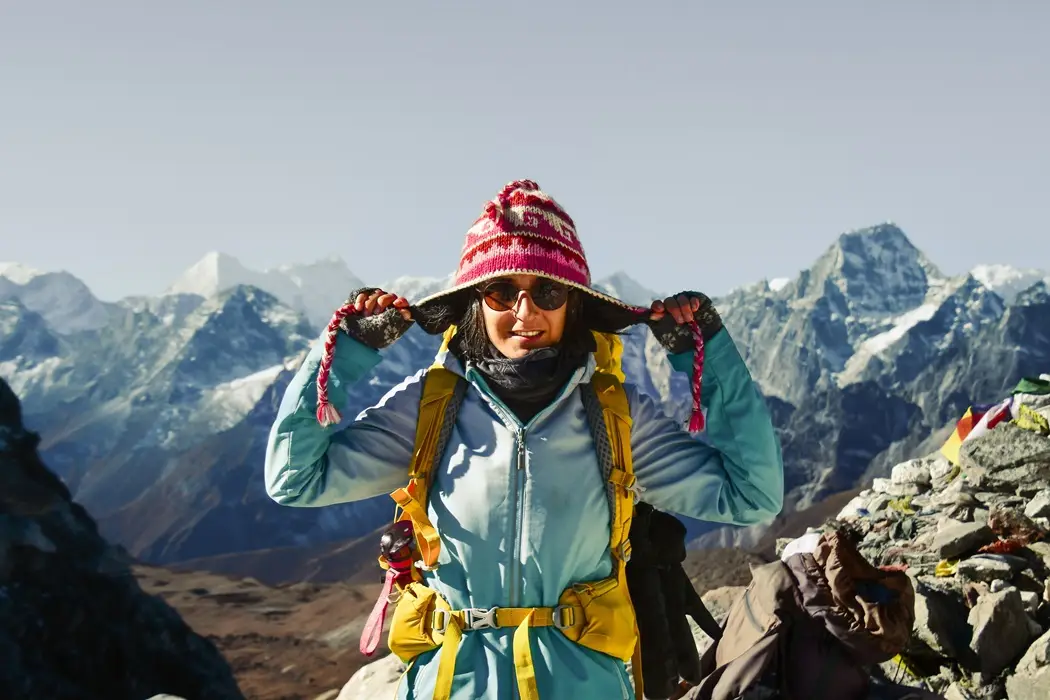
Short Everest Base Camp Trek: Can You Do It in 10 Days?
You have dreamed of standing at the foot of Everest for years. You have read the stories, studied the maps and pictured the prayer flags snapping in the wind at base camp. There is just one problem: your holiday is ten days long, and every classic itinerary you find asks for two weeks or more. Is the dream out of reach, or is there a safe way to make it fit?
The good news is that a Short Everest Base Camp Trek is possible, and thousands of trekkers with limited time reach base camp every season. The key is understanding where you can save time and where you absolutely cannot. In most cases, the answer is to walk up slowly, with the acclimatisation your body needs, then fly back by helicopter, as in our Everest Base Camp Helicopter Trek.
In this guide, our team answers the big question honestly: can you do Everest Base Camp in 10 days? We compare options, share a safe sample itinerary, explain how helicopter returns work under current rules, and give you practical tips to plan a short trek without cutting corners on safety. If you have more time, our classic Everest Base Camp Trek remains the gold standard.
The Short Answer: Yes, With the Right Plan
Yes, you can reach Everest Base Camp in a 10-day trip, but only one approach is realistic and safe for most people: trek up with proper acclimatisation and fly back by helicopter. Here is the summary:
- Walk up, fly back: About 9 days of trekking up to base camp and Kala Patthar, followed by a helicopter flight to Kathmandu. This keeps both acclimatisation days and fits into 10 days with a spare day at the end. This is the option we recommend.
- Walk up and down in 10 days: Possible only by removing acclimatisation days or walking very long days on the descent. We don’t recommend it for most trekkers because it greatly increases the risk of altitude sickness.
- Fly in and out by helicopter: A one-day helicopter tour shows you Everest up close in a morning, but it is a scenic flight, not a trek.
- A shorter trek with Everest views: Treks such as the Everest View Trek give you Everest, Ama Dablam and Sherpa culture in less time, without going to base camp.
Short Everest Base Camp Trek at a Glance
- Recommended duration: 10 days from Kathmandu to Kathmandu, including a spare day.
- Walking days: About 8 to 9 days on the trail, all on the way up.
- Return: Helicopter from the upper Khumbu to Kathmandu, usually with a stop in Lukla.
- Highest points: Everest Base Camp at 5,364 m and Kala Patthar at about 5,545 m.
- Acclimatisation days: Two, in Namche Bazaar and Dingboche. These should never be skipped.
- Highest night: Gorakshep, at about 5,164 m.
- Distance on foot: Roughly 60 to 65 km, about half the full round trip.
- Difficulty: Moderate to challenging, similar to the ascent of the classic trek.
- Best seasons: Spring (March to May) and autumn (late September to November).
- Permits: Sagarmatha National Park entry permit and Khumbu Pasang Lhamu Rural Municipality permit.
Why the Classic Trek Takes 12 to 14 Days
To shorten the trek safely, it helps to understand why the standard itinerary takes as long as it does. The classic Everest Base Camp Trek covers roughly 120 to 130 km on foot from Lukla and back, as our guide to the Everest Base Camp Trek distance explains. But distance is not what makes it long. Altitude is.
Once you climb above about 3,000 m, medical guidelines recommend increasing your sleeping altitude by no more than about 500 m a day and taking a rest day every three to four days. That is why every good itinerary includes acclimatisation days in Namche Bazaar and Dingboche, and why the ascent from Lukla to base camp takes around eight days, even though you could walk the distance much faster at sea level.
The descent, by contrast, is quick. Walking down from Gorakshep to Lukla usually takes two to three days because your body doesn’t need time to adapt when you lose altitude. With flights, this typically takes 12 to 14 days, as shown in our Everest Base Camp Trek itinerary.
Acclimatisation Explained: Why Rest Days Matter
At Everest Base Camp, each breath holds roughly half the oxygen it would at sea level. Your body responds by breathing faster and deeper, raising your heart rate and, over days and weeks, producing more red blood cells to carry oxygen. These changes take time, and fitness or willpower can’t rush them. That is why the rest days in Namche and Dingboche are active: you hike higher, to the Hotel Everest View or the ridge of Nangkartshang, and then return to sleep lower, following the climb-high, sleep-low principle.
When the body cannot keep up, acute mountain sickness develops, with headache, nausea, dizziness, fatigue and poor sleep. In rare cases, it progresses to high-altitude pulmonary oedema (fluid in the lungs) or high-altitude cerebral oedema (brain swelling), both medical emergencies that require immediate descent. A good itinerary keeps these risks as low as possible, which is why a Short Everest Base Camp Trek must shorten the descent, not the climb.
The Golden Rule: Save Time on the Way Down, Never on the Way Up
Every safe Short Everest Base Camp Trek follows one principle. You can save days on the descent, where a helicopter can replace two or three days of walking. You can’t save days on the ascent, where acclimatisation protects you from altitude sickness. Any itinerary that shortens the climb by cutting rest days trades safety for speed.
How Many Days Do You Really Need?
The right length depends on how much time you have and the experience you want. Here is a quick guide to the main options in the Everest region:
- One day: A helicopter tour such as the Everest Helicopter Tour shows you Everest up close in a single morning.
- About ten days, walk up and fly back: Our Everest Base Camp Helicopter Trek reaches base camp and Kala Patthar with full acclimatisation.
- About ten days, a different base camp: The Ama Dablam Base Camp Trekking route reaches the foot of Ama Dablam with a lower sleeping altitude.
- 12 to 14 days: The classic Everest Base Camp Trek, walking every step up and down.
- 13 days: The Everest Base Camp Yoga Trek, with daily yoga and meditation along the classic route.
- Longer adventures: The Gokyo Lakes Trek, the Everest 3 Pass Trek, the historic Jiri to Everest Trek, and peak climbs such as Island Peak Climbing need extra days.
Your Options for a Short Everest Base Camp Trek
Option 1: Trek Up, Fly Back by Helicopter (Recommended)
This is the safest and most popular way to fit Everest Base Camp into about 10 days. You follow the classic route to base camp at a sensible pace, with both acclimatisation days, then climb Kala Patthar at sunrise and fly back to Kathmandu by helicopter instead of walking down. It saves two to three days, spares your knees the long descent and gives you an unforgettable flight past Everest, Lhotse and Ama Dablam. Our Everest Base Camp Helicopter Trek and the more comfortable Luxury Everest Base Camp Trek with Helicopter Return are built around this idea.
Option 2: A Compressed Walking Itinerary
Some itineraries squeeze the full walk up and down into 10 days by removing one or both acclimatisation days, or by walking from Gorakshep all the way down to Namche in a single, very long day. This is possible for very fit trekkers who are already acclimatised from a recent high-altitude trip, but for most people it is a gamble. Without rest days, your body may not adapt in time, and altitude sickness can end the trek or turn it into an emergency. We prefer to add days rather than remove safety margins.
Option 3: A Shorter Everest Trek Without Base Camp
If ten days feels too tight, the Everest View Trek is a wonderful alternative. It takes you to Namche, the Hotel Everest View, Khumjung and Tengboche, with superb views of Everest and Ama Dablam, at lower altitude and in fewer days. The Ama Dablam Base Camp Trekking route, described in our guide to the Ama Dablam Base Camp Trek, also takes about ten days and reaches the foot of one of the world’s most beautiful mountains.
Option 4: Everest by Helicopter in a Day
If you have only a day or two, a helicopter tour lets you see Everest up close without trekking. The Everest Helicopter Tour, the Mt Everest by Helicopter Tour, the Sharing Everest Helicopter Tour with Kala Patthar Landing and the Everest Heli Sherpa Village Walk all fly through the heart of the Khumbu. Remember, you spend only a short time at high altitude on these flights, and they offer a different experience than walking to base camp. Read our guide to the Everest Base Camp helicopter tour to learn more.
Sample 10-Day Itinerary: Trek Up, Fly Back
Here is a safe sample itinerary for a Short Everest Base Camp Trek with a helicopter return. It keeps both acclimatisation days and leaves one spare day for weather. Your exact plan may vary with flights, weather, landing rules and your group’s pace.
Day 1: Fly to Lukla and Trek to Phakding (about 2,610 m)
An early flight takes you to Lukla, usually from Manthali in Ramechhap during the busy seasons after a night drive arranged by our Ramechhap airport transportation team. From Lukla, an easy three-hour walk follows the Dudh Koshi to Phakding.
Day 2: Trek to Namche Bazaar (about 3,440 m)
Cross several suspension bridges, enter Sagarmatha National Park at Monjo and climb steadily to Namche Bazaar, the Sherpa capital. Allow about six hours.
Day 3: Acclimatisation Day in Namche
Hike up to the Hotel Everest View at about 3,880 m for your first view of Everest, then return to Namche to sleep lower. This day is essential, even on a short trek.
Day 4: Trek to Tengboche (about 3,860 m)
Walk high above the valley with Ama Dablam ahead, then climb through rhododendron forest to Tengboche and its famous monastery, described in our guide to Tengboche Monastery and the Mani Rimdu festival.
Day 5: Trek to Dingboche (about 4,410 m)
Pass through Pangboche, home to one of the Khumbu’s oldest monasteries, and climb into the wide Imja Valley to Dingboche.
Day 6: Acclimatisation Day in Dingboche
Hike up Nangkartshang, to around 5,000 m, for views of Makalu, Lhotse and Island Peak, then return to Dingboche to sleep. Skipping this day is the most common and most dangerous shortcut on rushed itineraries.
Day 7: Trek to Lobuche (about 4,910 m)
Walk across high pastures, climb to the climbers’ memorials at Thukla Pass and continue to Lobuche beside the Khumbu Glacier.
Day 8: Gorakshep and Everest Base Camp (5,364 m)
Reach Gorakshep at about 5,164 m, drop your bags and continue to Everest Base Camp beside the Khumbu Icefall. Return to Gorakshep for the night.
Day 9: Kala Patthar Sunrise and Helicopter to Kathmandu
Climb Kala Patthar before dawn to about 5,545 m for the classic sunrise view of Everest, then fly back to Kathmandu by helicopter when weather and landing rules allow. Depending on the rules in force and the number of passengers, your helicopter may pick you up at Gorakshep or lower in the valley, and usually stops in Lukla before continuing to Kathmandu.
Day 10: Spare Day in Kathmandu
Keep this day free in case weather delays the flight. If you don’t need it, explore the city on our Kathmandu Day Tour or with our Kathmandu sightseeing guide.
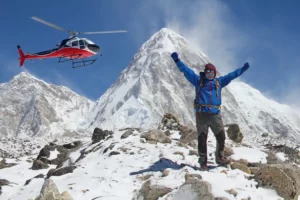
How the Helicopter Return Works
The helicopter is what makes a Short Everest Base Camp Trek possible, so it is worth understanding how it works in practice on a journey like our Everest Base Camp Helicopter Trek.
Where the Helicopter Picks You Up
Return flights do not land at Everest Base Camp itself, which sits on the moving Khumbu Glacier. Pickups are usually from the helipad at Gorakshep after your Kala Patthar sunrise or, depending on current rules and conditions, from a lower valley landing site such as Pheriche. Your guide confirms the plan the evening before.
Passenger and Weight Limits
Thin air reduces a helicopter’s lifting power. From the highest landing sites, a helicopter can usually carry only two or three passengers at a time, so groups are often shuttled to a lower point such as Pheriche or Lukla before flying on together. Baggage is also limited so that larger bags may follow later on a fixed-wing flight. Pack your essentials and valuables in your daypack.
Flight Time and Route
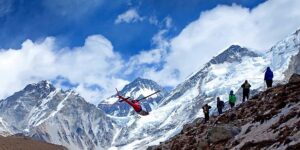
The flight from the upper Khumbu to Kathmandu takes roughly an hour in the air, usually with a stop in Lukla to refuel or regroup. On a clear morning, you fly past Everest, Lhotse, Ama Dablam, and Thamserku; over Tengboche and Namche; and down the Dudh Koshi Valley, a breathtaking way to relive your journey in reverse.
Weather Comes First
Helicopters fly only in good visibility, usually in the morning before clouds and wind build. If the weather is poor, you wait, either at Gorakshep or lower in the valley. That is why we always include a spare day at the end of a short itinerary.
Helicopter Rules in the Khumbu: What Has Changed
Helicopter flights in the Everest region have sparked important debate and new rules. In recent seasons, local authorities and Khumbu communities moved to restrict commercial helicopter flights, citing noise, wildlife disturbance, and lost work for porters and lodges. Flights were suspended for a time, then resumed under new conditions agreed with operators, and rules on landing sites, passenger numbers, and flight types continue to evolve.
Nepal’s authorities have also cracked down on fraudulent rescue claims, in which unnecessary helicopter evacuations were billed to insurance companies. A helicopter return on a trek like ours is a planned, booked flight, never an insurance claim. Genuine rescues are different, and your insurance should always cover helicopter evacuation in a real emergency.
Because the rules can change from one season to the next, our team checks the current regulations for every departure and confirms your pickup point, flight plan and any limits before you travel. Our guide to Everest helicopter tour restrictions explains the background in more detail, and our article on the best seasons for an Everest helicopter tour covers weather and timing.
Is a Short Everest Base Camp Trek Safe?
A Short Everest Base Camp Trek that keeps both acclimatisation days is as safe on the way up as the classic trek, because the ascent is identical. The helicopter replaces only the descent, so your body doesn’t need to adapt. In fact, flying out can reduce some risks: no long, tired descent on steep trails, and less pressure on your schedule if flights from Lukla are delayed.
What makes a short trek unsafe is cutting the ascent. Altitude sickness can affect anyone, regardless of age or fitness, and the risk rises sharply when sleeping altitude increases too quickly. Learn the warning signs on our Acute Mountain Sickness page and in our Everest Base Camp Trek guide to altitude sickness.
- Walk slowly: A steady pace is the best tool for acclimatisation.
- Drink plenty of water: Aim for three to four litres a day.
- Avoid alcohol: It worsens dehydration and masks symptoms.
- Report symptoms early: Headache, nausea, dizziness or unusual fatigue should always be shared with your guide.
- Descend if symptoms worsen: Our guides monitor your oxygen levels daily and never hesitate to turn back.
- Talk to your doctor: Ask about acclimatisation medication such as acetazolamide before your trip.
Medical help is available along the route, including the aid post at Pheriche. Make sure your travel insurance covers trekking up to about 5,600 m and helicopter evacuation.
Who Is a Short EBC Trek For?
A short trek with a helicopter return is ideal for:
- Busy professionals with limited annual leave.
- Trekkers with knee or joint concerns who would rather avoid the long, steep descent.
- Travellers combining Everest with other destinations in Nepal, Tibet or Bhutan.
- Anyone who wants the full base camp experience plus the bonus of a spectacular mountain flight.
- Comfort-seekers who want luxury lodges and a helicopter finale.
It is less suitable for trekkers who have had serious altitude sickness before, people with heart or lung conditions (unless cleared by a doctor), and travellers who want to linger in Sherpa villages on the way down. If you are new to trekking, our guide to the Everest Base Camp Trek for beginners will help you decide.
How Fit Do You Need to Be?
The ascent on a short trek is the same as on the classic route, so you need the same fitness: the ability to walk five to seven hours a day for several days in a row on steep, uneven trails at high altitude. The helicopter removes the descent, but the hardest days to Namche, Lobuche, base camp and Kala Patthar are all still on foot.
Start training at least two to three months before your trip with long hikes, stair climbing, cardio, and leg-strength work. Our 12-week training plan shows you exactly how, and our honest look at Everest Base Camp Trek difficulty explains what to expect on each section.
Best Time for a Short Everest Base Camp Trek
On a Short Everest Base Camp Trek, good weather matters even more, because there is little room for delays. The best seasons are:
- Autumn (late September to November): The clearest skies and most reliable flying weather. Read our guide to the Everest Base Camp Trek in October.
- Spring (March to May): Warmer days, rhododendrons in bloom, and good morning flying conditions, with more afternoon cloud.
- Winter (December to February): Often clear but very cold, with occasional storms that can delay flights.
- Monsoon (June to August): Frequent cloud and rain make both Lukla flights and helicopter returns unreliable, so we do not recommend a short trek in this season.
For month-by-month detail, see our guide to the best time for Everest Base Camp Trek.
Lukla Flights: The Biggest Risk to a Short Itinerary
The flight to Lukla is the one part of the trek no one can control. During the busy spring and autumn seasons, flights usually depart from Manthali Airport in Ramechhapa, a several-hour drive from Kathmandu, and often start in the middle of the night. Flights operate only in clear weather, so delays of a day or more are possible. On a short itinerary, a delay at the start can upset the whole plan.
To protect your trip, keep a spare day at the end, consider flying to Lukla by helicopter if scheduled flights are cancelled, and book your international flight home with a margin. Our Lukla Airport guide explains the flight, baggage limits, and what happens when the weather closes in.
Smart Ways to Save Time Without Cutting Safety
- Fly back by helicopter: The single biggest time-saver, replacing two to three days of walking.
- Arrive ready: Have your gear, insurance and documents prepared, so you can fly to Lukla the morning after you arrive in Kathmandu.
- Let us handle permits: Our team arranges your Sagarmatha National Park and Khumbu Pasang Lhamu Rural Municipality permits before and during the trek.
- Pack light: Lukla flights and helicopters both have strict weight limits; follow our Everest Base Camp Trek packing list and check our trekking equipment
- Travel in a small group or privately: A private trek moves at your pace and can adapt quickly to weather and flight changes.
- Combine sightseeing on spare days: Save Kathmandu’s temples for your buffer day at the end rather than the start.
- Check visa requirements early: See our Nepal visa guide so nothing delays your arrival.
What You See on a Short Trek
A short itinerary does not mean missing the highlights. On the way up, you still experience everything that makes the trek famous: the swing bridges over the Dudh Koshi, the bustling markets of Namche Bazaar, the monastery at Tengboche, the ancient village of Pangboche, the stone-walled fields of Dingboche, the climbers’ memorials at Thukla Pass, the Khumbu Glacier, Everest Base Camp and the sunrise from Kala Patthar. Our guide to Sherpa culture and traditions explains the living culture around you; our article on chortens in Tibetan Buddhism explains the stupas you pass; our overview of Buddhism in Tibet traces the roots of Sherpa faith; and our article on Ama Dablam introduces the mountain that watches over the trail.
What you miss is the walk back down: a second night in Namche, a farewell evening in Lukla, and the chance to see familiar villages in a new light. Many trekkers feel the helicopter flight more than makes up for it, giving them a bird’s-eye view of the whole route in under an hour.
Short Treks vs the Classic Trek: Which Is Right for You?
If you have 12 to 14 days, the classic Everest Base Camp Trek gives you more time to enjoy the culture, more flexibility for delays and the satisfaction of walking every step. If you have 10 days, the helicopter return is the best way to reach base camp safely. If you have even less time, choose a shorter trek or a helicopter tour. If you have more time and love a challenge, consider the Gokyo Lakes Trek or the Everest 3 Pass Trek, which we compare in our guides to Gokyo Ri vs Kala Patthar and the Cho La Pass.
Trekkers with extra time can also take slower, more immersive routes, such as the Jiri to Everest Trek, described in our Jiri to Everest Base Camp trek guide, or the Everest Base Camp Trek by Road, which avoids the Lukla flight at the start. For a mindful journey with daily yoga, see the Everest Base Camp Yoga Trek and our guide to mindful trekking in the Himalayas.
If you want to add a summit, trekking peaks such as Island Peak, Lobuche Peak Climbing, and Mera Peak Climbing require several extra days for acclimatisation and training, so they don’t suit a short schedule. Check the latest NMA peak permit updates when you plan, and read about the region’s high peaks in our Ama Dablam expedition guide.
Luxury Short Treks With a Helicopter Finale
A short trek can also be luxurious. Our Everest Base Camp Luxury Lodge Trek uses the finest lodges in the Khumbu, and the Everest Elite Luxury Heli Trek combines premium accommodation with helicopter transfers for the ultimate time-saving journey. The Luxury Everest Base Camp Trek with Helicopter Return pairs comfortable lodges on the way up with a private-feel flight back to Kathmandu. Ask our team about private departures, tailored to your dates and pace.
Other Short Himalayan Adventures
If Everest Base Camp does not fit your schedule this time, Nepal offers many shorter treks with spectacular mountain views. Browse our list of the top 50 treks in Nepal or consider these:
- Annapurna region: The Ghorepani Poon Hill Trek, Mardi Himal Trek, Australian Camp Trek and Dhampus Sarangkot Trek offer big views in a few days. Lakeside Pokhara, described in our Pokhara sightseeing guide, makes a relaxing base.
- Langtang region: The Langtang Valley Trek and Tamang Heritage Trekking start just a day’s drive from Kathmandu; read our Langtang Valley Trek details.
- Near Kathmandu: The Chisapani Nagarkot Trek, Nagarkot Hiking and Nagarjun Hiking offer Himalayan views in a day or two.
- Helicopter tours elsewhere: The Annapurna Helicopter Tour, Langtang Helicopter Tour and Muktinath Yatra by Helicopter bring the mountains within reach in a single day.
- After the trek: Explore Nepal’s heritage on the Classic Nepal Tour, or unwind with Paragliding in Pokhara, a Chitwan Jungle Safari or a day of Trishuli River Rafting.
- Everest from Tibet: The Lhasa to Everest Base Camp Overland Tour reaches the north side of Everest by road, as explained in our Lhasa to Everest Base Camp guide.
Combine a Short Trek With Bhutan or Tibet
One great advantage of a Short Everest Base Camp Trek is that it leaves time for more of the Himalaya. Travellers often combine ten days in the Khumbu with a journey to Bhutan or Tibet. In Bhutan, the 7 Day Bhutan Tour, the Luxury Bhutan Tour, and the Luxury Nepal Bhutan Tour take you to the cliffside Tiger’s Nest Monastery and colourful Bhutan festivals. Bhutan is also home to one of the world’s toughest treks, compared with the Everest route in our guide to the Everest Base Camp Trek vs Snowman Trek.
In Tibet, the Luxury Nepal Tibet Tour, the Lhasa Tibet Tour, and the Nepal Tibet Bhutan Tour explore Lhasa’s great monasteries and the high plateau. At the same time,e the Kathmandu to Lhasa Tour crosses the Himalaya overland. Pilgrims can continue to sacred Mount Kailash on the Mount Kailash Tour, described in our guide to the Kailash Kora. Our team can link these journeys with your trek so one holiday covers Everest from both sides.
Planning Tips for a Short EBC Trek
- Book early for peak seasons: Lukla flights, lodges and helicopter seats fill up quickly in October and April.
- Choose an experienced operator: A short itinerary leaves no room for poor planning. Check that your company is registered; you can view our legal documents.
- Trek with a licensed guide: Rules vary by area and can change, but a guide makes a short trek safer and smoother; read our article on Nepal’s mandatory guide rules and our wider trekking in Nepal guide.
- Get the right insurance: It should cover trekking up to about 5,600 m, helicopter evacuation and trip delays.
- Keep your international flights flexible: A spare day or two after the trek is the best insurance against weather.
- Respect the mountains and their people: Pack light, refill water instead of buying plastic bottles, and thank the porters and guides who make your trek possible. Learn more about our responsible tourism.
Common Mistakes on Short Itineraries
- Skipping acclimatisation days: The most dangerous shortcut of all.
- Planning no spare days: One cloudy morning at Lukla can wreck a tight schedule.
- Ignoring early symptoms: Pushing on with a headache to stay on schedule can turn mild altitude sickness into an emergency.
- Overpacking: Heavy bags may not fit into the helicopter with you.
- Treating the helicopter as guaranteed: Weather and rules decide when and where it can fly.
- Arriving unfit: The ascent is just as hard on a short trek as on the classic route.
- Faking an emergency: Never agree to a false rescue claim; it is illegal and endangers genuine rescues.
Frequently Asked Questions About the Short Everest Base Camp Trek
Can you do the Everest Base Camp Trek in 10 days?
Yes. The safest way is to trek up with both acclimatisation days and return by helicopter, which fits into about 10 days from Kathmandu with a spare day. Walking up and down in 10 days requires cutting acclimatisation days, which we do not recommend.
What is the shortest safe Everest Base Camp itinerary?
For most trekkers, it’s about 8 days to reach base camp and Kala Patthar, with rest days in Namche and Dingboche, followed by a helicopter flight back to Kathmandu.
How many days does the classic Everest Base Camp Trek take?
Usually 12 to 14 days, including flights, two acclimatisation days and two to three days of walking back down to Lukla.
Where does the helicopter pick you up?
Usually at the helipad in Gorakshep after the Kala Patthar sunrise, or lower in the valley, such as at Pheriche, depending on current rules, weather and passenger numbers. Helicopters do not land at Everest Base Camp itself for return flights.
Is a short trek with a helicopter return safe?
Yes, as long as the ascent includes proper acclimatisation. The helicopter replaces only the descent, when your body no longer needs time to adapt.
Are helicopter flights allowed in the Everest region?
Yes, but rules have changed in recent seasons, with local restrictions on commercial flights, landing sites and passenger numbers. Our team checks the current regulations for every departure.
How long is the helicopter flight back to Kathmandu?
Roughly an hour in the air, usually with a stop in Lukla to refuel or regroup.
Do I need to be very fit for a short Everest Base Camp Trek?
You need the same fitness as for the classic trek, because the ascent is identical. Good cardio fitness and leg strength, built over two to three months, are ideal.
What happens if the weather stops the helicopter?
You wait in the lodge, either at Gorakshep or lower in the valley, until the weather clears. That is why we include a spare day at the end of every short itinerary.
Can I see Everest without trekking to base camp?
Yes. The Everest View Trek and helicopter tours offer superb views of Everest in less time, and some tours land on Kala Patthar for a close-up view in a single morning.
Final Thoughts: Short on Time, Not on Adventure
A Short Everest Base Camp Trek is not about rushing; it is about planning wisely. Walk up slowly, give your body the acclimatisation it needs, stand at the foot of Everest, watch the sunrise from Kala Patthar and then let a helicopter carry you home in an hour. Done this way, ten days are enough for the adventure of a lifetime.
Join our Everest Base Camp Helicopter Trek, and let our experienced Sherpa guides handle every detail, from permits and flights to the latest helicopter rules. For extra comfort, choose the Luxury Everest Base Camp Trek with Helicopter Return. Meet our guides on our team page, learn more about our company, and then plan your trip or contact us today. Everest is closer than you think.
Quick Inquiry
Explore More


