Everest Base Camp Trek in April: Spring Bloom and Expedition Season
Everest Base Camp Trek in April: Spring Bloom and Expedition Season
Below Tengboche, the forest bursts with colour. Red, pink, and white rhododendrons hang over the trail; petals drift onto the path, and Ama Dablam’s snow-capped peak gleams through the branches. A caravan of yaks swings past, loaded with blue barrels and bright duffel bags stamped with Everest expedition names. Higher up the valley, at the foot of the Khumbu Icefall, a village of yellow and orange tents is coming to life. Spring has arrived in the Khumbu.
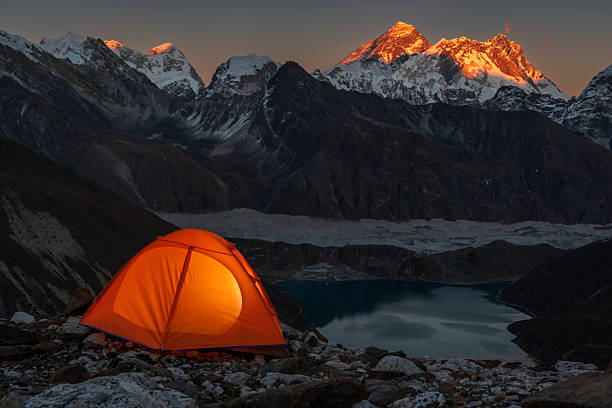
The Everest Base Camp Trek in April is one of the Himalaya’s most exciting journeys. It combines the warmest weather of the main trekking seasons with rhododendrons in bloom and, above all, the buzz of the Everest climbing season, when base camp becomes a tented town of climbers from around the world. Spring is the main Everest climbing season, and April is the best month for trekkers to watch the famous expedition camp come alive on our classic Everest Base Camp Trek.
In this guide, our team explains everything you need to know about trekking to Everest Base Camp in April: the weather at every altitude, early versus late April, the spring bloom, the expedition season, crowds, Lukla flights, packing, health, festivals and how April compares with October, so that you can plan the perfect spring adventure.
The Short Answer: Is April a Good Time for the EBC Trek?
Yes. April is one of the two best months for the Everest Base Camp Trek, alongside October. Expect warm, sunny days around 14 to 18°C in Lukla and 2 to 7°C at base camp; freezing nights above 4,000 m; clear mornings; rhododendrons in bloom below Tengboche; and base camp full of Everest expedition teams. The trade-off is busy trails, full lodges and high demand for Lukla flights.
In brief, here is why so many trekkers choose spring:
- Pleasant weather: Mild, sunny days at lower altitudes and warmer conditions higher up during the main seasons, though nights above 4,000 m are still well below freezing.
- Clear mornings: Excellent mountain views in the morning, with clouds often building in the afternoon.
- Rhododendrons in bloom: The forests between Phakding and Tengboche are at their most colourful.
- Expedition season: Everest Base Camp is full of climbing teams preparing for the summit.
- The trade-off: It is busy, so lodges and Lukla flights fill up quickly, and late April can bring more afternoon cloud and haze.
Everest Base Camp Trek in April at a Glance
- Season: Spring, the pre-monsoon trekking season.
- Weather: Mostly dry and sunny mornings, with afternoon cloud and occasional light snow higher up.
- Daytime temperatures: Roughly 14 to 18°C at Lukla and around 2 to 7°C at Gorakshep and base camp, warmer in direct sun.
- Night temperatures: Around freezing in Namche and roughly minus 8 to minus 15°C at Gorakshep, colder with wind chill.
- Daylight: About 12-13 hours.
- Highlights: Rhododendrons, the Everest expedition camp, clear morning views and lively trails.
- Crowds: Busy; October is one of the trail’s two peak months.
- Flights: Lukla flights usually depart from Manthali in Ramechhap during the spring season.
- Our trek: The 14-day Everest Base Camp Trek, with two acclimatisation days.
April Weather on the Everest Base Camp Trek
April falls in the heart of spring. The cold, dry winter winds have eased, and the moist monsoon air is still weeks away. As a result, Everest Base Camp weather in April is the warmest of the main trekking seasons, with mostly clear, settled conditions. Our month-by-month guide to the best time for Everest Base Camp Trek puts April in context.
Everest Base Camp Temperatures in April by Altitude
These are approximate typical ranges for April. Actual conditions vary from day to day, and wind can make it feel much colder.
- Lukla (about 2,860 m): Days around 14 to 18°C; nights around 3 to 6°C.
- Namche Bazaar (about 3,440 m): Days around 10 to 14°C; nights around minus 2 to plus 2°C.
- Tengboche and Dingboche (about 3,860 to 4,410 m): Days around 8 to 12°C; nights around minus 8 to minus 3°C.
- Lobuche (about 4,910 m): Days around 5 to 8°C; nights around minus 10 to minus 6°C.
- Gorakshep and Everest Base Camp (about 5,164 to 5,364 m): Days around 2 to 7°C; nights around minus 15 to minus 8°C.
In the sunshine, it often feels warm enough to walk in a single layer, even high up. As soon as the sun disappears behind a ridge or cloud, temperatures drop sharply, so keep a warm layer close at hand.
Clear Mornings, Cloudy Afternoons
The typical April pattern is a crisp, clear morning with superb views, followed by cloud building in the valleys from late morning onwards. By mid-afternoon, the peaks are often hidden, and light snow showers are possible at higher altitudes. By evening, the sky often clears again. That is why our guides start early: you see the best views in the morning and arrive at your lodge before the weather turns.
Snow, Wind and Haze
In early April, patches of old snow can linger above about 4,500 m, especially on north-facing slopes and on the high passes. Light snowfall is possible at any time, though heavy storms are uncommon. Strong winds can blow at Gorakshep and Kala Patthar, making the wind chill much colder than the air temperature. At lower altitudes, spring can bring haze from dust and smoke, particularly later in the month, which softens distant views.
Daylight
April days are long, with roughly 12 to 13 hours of daylight. This gives you plenty of time to walk at a comfortable pace, enjoy long lunch breaks, and still arrive before dark.
A Day on the Trail in April
To picture the Everest Base Camp Trek in April, imagine a typical day mid-trek. You wake at six to a cold, bright morning, with frost on the lodge windows and Ama Dablam’s summit already glowing in the sun. After porridge and hot ginger tea, you set off by seven or eight, wearing fleece and gloves you soon pack away as the sun warms the trail.
By mid-morning, you walk in a light layer through pine and rhododendron forest, stepping aside for yak caravans carrying expedition loads and greeting climbers heading to base camp. Lunch is taken on a sunny lodge terrace, often with views of Everest or Lhotse. By early afternoon, clouds drift up the valley, and you arrive at your lodge as the temperature drops. The afternoon is for rest, a short acclimatisation walk, a warm shower where available, and stories around the stove; after dinner and a health check with your guide, you are asleep by nine under a heavy blanket of stars.
Early April vs Late April
Early April
The first half of the month is slightly colder, especially at night, and you may find some snow on the higher sections. Skies are usually very clear, trails are a little quieter, and the expedition camp at base camp is still being set up as teams arrive and the Khumbu Icefall route is prepared. Rhododendrons are beginning to bloom at lower altitudes.
Late April
The second half brings warmer days, with rhododendrons at their peak in many lower forests and base camp in full bloom; climbing teams head up and down on acclimatisation rotations. Cloud and haze build more often in the afternoons as the pre-monsoon season advances, and the trails and lodges are busy.
Both halves are excellent. If you want the clearest views and slightly quieter trails, aim for early to mid-April; if you want the warmest weather, the peak bloom and the busiest expedition atmosphere, aim for mid to late April.
The Spring Bloom: Rhododendrons and Wildflowers
April is rhododendron month, Nepal’s national flower, known locally as lali gurans. In the Khumbu, the great rhododendron forests grow between roughly 2,600 m and 4,000 m, along the Dudh Koshi below Namche and especially on the climb to Tengboche and the descent to Deboche. In April, rhododendrons in the Everest region turn these forests crimson, pink, and white, set against the fresh green of birch, fir, and blue pine.
Higher up, dwarf rhododendrons and alpine flowers bloom later, into May and early summer, so the colour gradually climbs the valley as spring advances. Even above the tree line, the first wildflowers appear in sheltered spots. For many trekkers, Everest Base Camp in spring is as much about this slow climb of colour as about the mountains themselves. Learn more about the protected landscapes of the region in our Sagarmatha National Park guide.
Wildlife in Spring
Spring is breeding season for many Himalayan birds, so the forests are full of song and colour. Around Namche, Khumjung and Tengboche, look for the Himalayan monal, or danphe, Nepal’s national bird, whose males flash iridescent green, blue and copper plumage, and the blood pheasant, which moves quietly through the undergrowth. Himalayan tahr graze on the steep slopes above the trail, musk deer slip through the forests near Tengboche and Deboche, and lammergeiers and Himalayan griffons ride the thermals above the valley. Higher up, yellow-billed choughs gather around the lodges. Snow leopards live here too, but sightings are extremely rare.
Expedition Season: Everest Base Camp Comes Alive
The single biggest reason many trekkers choose April is the Everest climbing season. Most attempts on Everest from Nepal take place in spring, and April turns base camp from an empty, windswept glacier into a bustling tented town.
The Expedition Timeline
- From March: A specialist team of Sherpa climbers, known as the Icefall Doctors, travels to base camp to prepare the route through the Khumbu Icefall, fixing ropes and aluminium ladders.
- Late March to April: Expedition teams, their Sherpa climbing guides, cooks and support staff arrive, and long yak caravans carry tons of equipment and supplies up the valley.
- Early to mid-April: The route through the Icefall usually opens, and climbing teams begin moving up the mountain. Before setting foot on the ice, each team holds a puja ceremony to ask the mountain for safe passage.
- Late April into May: Climbers make acclimatisation rotations to the higher camps, returning to base camp to rest.
- Usually mid to late May: The summit window, when the weather allows climbers to reach the top of the world.
What Trekkers See
Trekking to base camp in April, you walk past yak trains and porters carrying expedition loads, meet climbers acclimatising in the villages and arrive at a camp stretching along the glacier beneath the Icefall, with dining tents, communication tents, prayer flags and the flags of many nations. You may see climbers practising on the ice or heading into the Icefall at dawn, and if you are lucky, you may witness a puja, with juniper smoke and chanting lamas. In spring, a seasonal clinic at base camp, run by the Himalayan Rescue Association, also provides medical care to climbers and staff.
Expedition Camp Etiquette
- Respect private camps: Expedition tents are climbers’ homes and workplaces; do not enter without an invitation.
- Keep your distance from pujas: Watch quietly and ask before taking photographs.
- Stay on the trekkers’ trail: Do not walk into the Khumbu Icefall; it is dangerous and restricted to climbers.
- Be considerate: Climbers are preparing for a dangerous ascent, so keep voices low and do not block paths.
To learn more about Himalayan climbing, read our article on Nepal’s eight-thousand-metre peaks and our Ama Dablam expedition guide. If the climbing atmosphere inspires you, spring is also prime season for Island Peak Climbing, described in our Island Peak climbing guide.
Food and Lodges in Spring
Teahouses along the route are fully open in April, with warm dining rooms, hot drinks and surprisingly varied menus. Lower down, in Phakding and Namche, you will find bakeries, cafés and lodges with attached bathrooms; higher up, in Dingboche, Lobuche and Gorakshep, rooms are simpler, and bathrooms are usually shared. Spring brings fresh greens to the lower villages, and dal bhat, with its free refills, remains the trekker’s best fuel. We recommend vegetarian meals at altitude and plenty of hot soups and teas.
Because April is so busy, our team books lodges along the route ahead of time. For more comfort, our Everest Base Camp Luxury Lodge Trek uses the best available lodges, with en-suite rooms and electric blankets in the lower villages where available. Always book with a registered company; you can view our company registration and legal documents online.
Crowds and Lodge Availability in April
April is busy, and the Everest Base Camp Trek in April rewards a little extra planning. Along with October, it is one of the two peak months on the trail, and extra traffic from expedition teams adds to the bustle. Lodges in Namche, Dingboche, Lobuche and Gorakshep can fill up, especially from mid-April, and Lukla flights are in high demand.
- Book early: Reserve your trek several months in advance to secure flights and lodges.
- Trek with an established company: Our team books lodges along the route in advance.
- Start early each day: You beat the crowds on the trail and arrive before the best rooms are taken.
- Consider quieter alternatives: The Gokyo Lakes Trek and Ama Dablam Base Camp Trekking see far fewer trekkers.
The crowds bring their own energy: busy dining rooms, new friendships and the shared excitement of the climbing season. Many trekkers love that atmosphere.
Lukla Flights in April
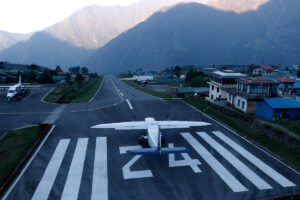
During the busy spring season, most Lukla flights depart from Manthali Airport in Ramechhap rather than Kathmandu, after a four-to-five-hour drive that usually starts in the middle of the night. Our Ramechhap airport transportation team handles the transfer. April mornings are usually clear, so flights generally operate well, but afternoon cloud and wind can delay later flights, and occasional bad weather can cancel a day’s flying.
Flights are the one part of the Everest Base Camp Trek in April that nobody can control, so always keep one or two buffer days at the end of your trip to protect your international flight home. Our Lukla Airport guide explains how the flights work, and our guide on how many days the EBC trek takes shows how to plan your total trip length.
If you would rather avoid the Lukla flight altogether, the Everest Base Camp Trek by Road drives deep into the Solukhumbu hills before you start walking. Meanwhile, the classic Jiri to Everest Trek follows the old approach route used by early Everest expeditions, as described in our Jiri to Everest Base Camp guide. Both routes cross lower hills where rhododendrons bloom in spring.
Our 14-Day Everest Base Camp Trek in April
Here is how our classic itinerary unfolds in April, with seasonal notes for each stage.
Days 1 and 2: Kathmandu to Lukla and Phakding
After arriving in Kathmandu, you fly to Lukla (usually from Manthali) and walk to Phakding along the Dudh Koshi. In April, the lower valley is green, with fruit trees in bloom and the first rhododendrons.
Days 3 and 4: Namche Bazaar and Acclimatisation
Climb to Namche Bazaar through Sagarmatha National Park, then spend a rest day hiking to the Hotel Everest View and Khumjung. Namche is buzzing with climbers buying last-minute gear.
Day 5: Tengboche and Deboche
The most beautiful day of the April trek: the climb through rhododendron forest in full colour to Tengboche and its monastery, where climbers often stop to receive blessings. Read our guide to Tengboche Monastery and the Mani Rimdu festival.
Days 6 and 7: Dingboche and Acclimatisation
Walk through Pangboche to Dingboche, then climb Nangkartshang for views of Makalu and Island Peak. Expedition teams also acclimatise here.
Days 8 to 10: Lobuche, Everest Base Camp and Kala Patthar
Pass the climbers’ memorials at Thukla Pass to Lobuche, continue to Gorakshep and the expedition village at Everest Base Camp, then climb Kala Patthar at sunrise before descending to Pheriche.
Days 11 to 14: Back to Namche, Lukla and Kathmandu
Walk back down through the blooming forests to Namche and Lukla, fly to Kathmandu and depart. For the full details, see our Everest Base Camp Trek itinerary and our guide to the Everest Base Camp Trek distance.
Permits and Guide Rules
The permits for the Everest Base Camp Trek in April are the same as in any other month. On the classic route from Lukla, you need two permits: the Sagarmatha National Park entry permit, which you can obtain in Kathmandu or at the Monjo park entrance, and the Khumbu Pasang Lhamu Rural Municipality entry permit, which you can get in Lukla. If you walk in from Jiri or Shivalaya, you also need a Gaurishankar Conservation Area permit. Carry your passport, as park staff check permits at the entrance and at checkpoints along the trail.
Guide rules vary by area and can change, so check before you travel. We strongly recommend trekking with a licensed guide, especially in the busy spring season, when a good guide secures lodges, manages flight changes, and closely monitors your health at altitude. Our team arranges all permits for you and checks the latest requirements before you arrive.
Altitude and Health in April
Warmer weatherdoesn’tslowere the altitude. Altitude sickness can affect anyone in any season, so the same rules apply in April as at any other time: ascend gradually, keep both acclimatisation days, drink plenty of water, avoid alcohol and tell your guide about any symptoms. Our guides check every trekker’s health daily, including oxygen levels.
- Dry air and dust: The dry, dusty spring trails can irritate the throat, leading to the famous “Khumbu cough”. A buff over your mouth and nose, throat lozenges and plenty of fluids help.
- Strong sun: The spring sun is intense at altitude. Use high-factor sunscreen, sunglasses and a sun hat.
- Cold nights: Even in April, nights are well below freezing higher up, so a good sleeping bag matters.
Read our Acute Mountain Sickness page and our guide to altitude sickness on the Everest Base Camp Trek, and make sure your travel insurance covers trekking up to about 5,600 m and helicopter evacuation.
What to Pack for the EBC Trek in April
April packing is similar to other seasons, with a few spring-specific additions:
- Layers: A light base layer for warm days, a fleece and an insulated down jacket for cold mornings and evenings.
- Waterproof shell: For afternoon showers and occasional snow.
- Sleeping bag: Rated to around -10 to -15 °C for the higher lodges.
- Sun protection: Glacier-grade sunglasses, sunscreen, lip balm and a wide-brimmed hat.
- Buff or neck gaiter: Against dust, sun and cold air.
- Microspikes: Useful in early April if there is lingering ice higher up, and essential if you plan to cross a high pass.
- Lightweight trekking trousers and a sun shirt: For warm lower sections.
- Water purification and insulated bottles: Refill rather than buying plastic bottles.
For the complete list, see our Everest Base Camp Trek packing list and our trekking equipment page. Remember the Lukla baggage limit, usually around 10 kg checked and around 5 kg hand luggage.
Photography Tips for April
Photographers love the Everest Base Camp Trek in April for its colour and atmosphere. A few tips help you make the most of it:
- Shoot early: The clearest views of Everest, Lhotse and Ama Dablam come in the first hours after sunrise.
- Use rhododendrons as foregrounds: Blossoms framing Ama Dablam below Tengboche make classic spring images.
- Capture the expedition camp: Wide shots of the tents beneath the Icefall tell the story of the climbing season; always ask before photographing people.
- Embrace the clouds: Afternoon clouds and mist add drama to the peaks and glaciers.
- Protect your gear from dust: Keep lenses clean and cameras in a bag on dusty trails.
Festivals and Culture in April
April is a festive month in Nepal. Nepali New Year falls in mid-April and is celebrated nationwide, especially in Bhaktapur with the spectacular Bisket Jatra, when huge wooden chariots are pulled through the old town. In some years, Buddha Jayanti, the celebration of the Buddha’s birth, falls at the end of April or in May and is marked at Kathmandu’s great stupas. Explore the city’s heritage before or after your trek with our Kathmandu Day Tour or Kathmandu sightseeing guide.
In the Khumbu itself, spring is a season of blessings. Climbers visit monasteries such as Tengboche and Pangboche to receive blessings from lamas, and expedition pujas fill base camp with juniper smoke and prayer flags. Our guide to Sherpa culture and traditions explains the beliefs behind these rituals; our article on chortens in Tibetan Buddhism describes the stupas you’ll pass; and our story of Guru Padmasambhava introduces the teacher revered across the Sherpa homeland, whose tradition we trace in our overview of Buddhism in Tibet.
April vs October: Which Is Better?
April and October are the two best months for the trek, but they offer different experiences:
- Weather: April is warmer, especially at night; October is cooler but more settled.
- Visibility: October usually has the clearest, sharpest views all day; April has clear mornings and more afternoon cloud and haze.
- Scenery: April brings rhododendrons in bloom; October brings fresh, green post-monsoon landscapes and golden autumn light.
- Base camp: April has the expedition camp in full swing; in October, base camp is mostly empty of climbers.
- Crowds: Both are busy, with October usually the busiest month.
- Festivals: April has Nepali New Year and spring blessings; October often has Dashain or Tihar, and the Mani Rimdu festival at Tengboche, usually in October or November.
If you want flowers, warmth and the climbing atmosphere, choose April. For the clearest views and crisp autumn days, choose October; read our guide to the Everest Base Camp Trek in October.
April vs March and May
March is colder, especially at night, with more snow higher up, fewer trekkers, and the expedition camp just beginning to form. May is warmer and marks the climax of the climbing season, with summit pushes in the second half of the month and the Everest Marathon starting from base camp in late May, but it also brings more cloud, haze, and the first pre-monsoon showers. April sits in the sweet spot between the two, which is why it is the most popular spring month.
Alternative Routes and Add-Ons in April
April is an excellent month for exploring beyond the classic route:
- Gokyo Lakes Trek: Quieter trails and turquoise lakes, partly frozen in early spring, described in our Gokyo Lakes Trek guide and our comparison of Gokyo Ri vs Kala Patthar.
- Everest 3 Pass Trek: The passes are often in better condition from mid-April, once winter snow has eased, although conditions vary from year to year; see our Everest Three Passes Trek guide and our Cho La Pass.
- Peak climbing: Spring is prime time for Island Peak Climbing, Lobuche Peak Climbing and Mera Peak Climbing; check the latest NMA peak permit updates.
- Ama Dablam Base Camp Trekking: A quieter side trip from Pangboche, explained in our Ama Dablam Base Camp Trek.
- Everest View Trek: A shorter, lower trek through the blooming forests to Tengboche.
- Everest Base Camp Yoga Trek: Mild spring mornings are ideal for outdoor practice; read our guide to mindful trekking in the Himalayas.
Luxury and Helicopter Options in April
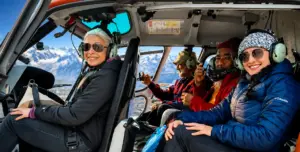
April’s warm weather makes it a comfortable month for the journey. The Everest Base Camp Luxury Lodge Trek uses the best lodges in the Khumbu, and the Luxury Everest Base Camp Trek with Helicopter Return, the Everest Base Camp Helicopter Trek and the Everest Elite Luxury Heli Trek save days with a helicopter. Our guide to the short Everest Base Camp Trek explains how.
Friends and family who cannot trek can still enjoy the spring scenery from the air. The Everest Helicopter Tour and the Mt Everest by Helicopter Tour fly up the Khumbu Valley, offering views of Everest and the base camp area; the Sharing Everest Helicopter Tour with Kala Patthar Landing lets you share a flight with other travellers when it is operating; the Everest Heli Sherpa Village Walk adds time in a Sherpa village; and the Gokyo Lakes Helicopter Tour visits the turquoise Gokyo lakes. Our guides to the Everest Base Camp helicopter tour, the best seasons for an Everest helicopter tour, Everest helicopter tour restrictions and the helicopter tour vs trek with helicopter return explain the options. For details on the Kala Patthar landing reopening, whether a helicopter can land at Everest Base Camp, and the EBC trek or helicopter tour, read our guides.
Is April Right for You?
The Everest Base Camp Trek in April is ideal if you:
- Want warmer weather than autumn or winter, especially at night.
- Love flowers and forests in full spring colour.
- Dream of seeing the Everest expedition camp and the energy of the climbing season.
- Enjoy lively trails and meeting trekkers and climbers from around the world.
It may be less ideal if you want the quietest trails, the clearest all-day views or a peaceful base camp. In that case, consider autumn, when base camp is quiet, and the views are at their sharpest (November is calmer than October), or the quieter GokyoValley.y First-time trekkers should read our guide to the Everest Base Camp Trek for beginners, our honest look at Everest Base Camp Trek difficulty and our 12-week training plan.
Practical Tips for April Trekkers
- Book three to six months ahead to get the best choice of dates, flights, and lodges.
- Keep one or two buffer days after the trek for Lukla flight delays.
- Start walking early to enjoy clear views and avoid afternoon cloud.
- Carry a warm layer at all times, even on sunny days.
- Protect yourself from sun and dust with sunglasses, sunscreen and a buff.
- Drink three to four litres of water a day to stay hydrated in the dry air.
- Respect expedition camps and never enter the Khumbu Icefall.
- Trek with a licensed guide: Rules vary by area and can change, but a guide makes a busy season smoother and safer; read our article on Nepal’s mandatory guide rules and our wider trekking in Nepal guide.
- Check entry requirements in our Nepal visa guide.
Common Mistakes in April
- Booking too late: Flights and lodges fill quickly in April.
- Packing for summer: Nights above 4,000 m are still well below freezing.
- Ignoring afternoon weather: Plan to arrive before cloud and snow showers build.
- Skipping acclimatisation: Warm weather does not reduce the effects of altitude.
- Wandering into expedition camps: Respect the climbers’ space.
- No buffer days: Spring flights can still be delayed.
Other Great Treks in Nepal in April
April is one of the best months for trekking all over Nepal. Browse our list of the top 50 treks in Nepal, or consider these spring favourites:
- Annapurna rhododendrons: The Ghorepani Poon Hill Trek and the Mardi Himal Trek pass through some of Nepal’s most famous rhododendron forests, and our ultimate guide to the Annapurna Base Camp Trek covers the Annapurna Base Camp Trek.
- Langtang: The Langtang Valley Trek and Tamang Heritage Trekking offer blooming forests close to Kathmandu.
- Wild circuits: The Manaslu Circuit Trek, crossing the Larke Pass, and the Annapurna Circuit Trek are both excellent in spring.
- More Annapurna forests: The Khopra Ridge Trek, Annapurna Base Camp, Poon Hill, Mardi Himal Trek, and Dhampus Sarangkot Trek are all beautiful in spring.
- Sacred lakes: The Langtang Gosaikunda Trek combines blooming forests with high sacred lakes.
- Late spring in the rain shadow: The Upper Mustang Trek is superb in late spring, when the colourful Tiji Festival is usually held.
- Short and easy: The Chisapani Nagarkot Trek, Nagarkot Hiking, Nagarjun Hiking and the Australian Camp Trek fit into a few spare days.
- Beyond Nepal: Spring is also a lovely time for the Luxury Bhutan Tour and the 7 Day Bhutan Tour, with the hike to the Tiger’s Nest Monastery and, in some years, the great spring festival in Paro, one of Bhutan’s most colourful festivals.
After the trek, relax in Pokhara (see our Pokhara sightseeing guide), try paragliding, head south for a Chitwan Jungle Safari or the Bardia National Park Tour, try Trishuli River Rafting, or explore the country’s heritage on the Classic Nepal Tour.
Frequently Asked Questions About the Everest Base Camp Trek in April
Is April a good time for the Everest Base Camp Trek?
Yes. April is one of the two best months, with warm days, clear mornings, rhododendrons in bloom and the Everest expedition camp in full swing. It is also busy, so book early.
How cold is Everest Base Camp in April?
Daytime temperatures at Gorakshep and base camp are roughly 2 to 7°C, warmer in the sun, while nights fall to around minus 8 to minus 15°C, colder with wind chill.
Will I see expedition tents at Everest Base Camp in April?
Yes. April is the heart of the spring climbing season, and base camp becomes a tented village of expedition teams. Please respect their camps and do not enter tents without an invitation.
Do the rhododendrons bloom in April?
Yes. The rhododendron forests between Phakding and Tengboche usually bloom in April, with higher-altitude flowers following into May.
Is there snow on the trail in April?
Lingering snow is possible above about 4,500 m in early April, and light snow showers can occur higher up at any time, but the main trail is usually clear.
Is the trail crowded in April?
Yes, April is one of the busiest months, along with October. Booking early and starting early each day helps
Is early April or late April better?
Early April has clearer skies, slightly colder nights and quieter trails; late April is warmer, with peak bloom and a busier expedition camp, but more afternoon cloud.
Do Lukla flights operate normally in April?
Generally yes, usually from Manthali in Ramechhap during the spring season. Weather can still cause delays, so keep one or two buffer days.
Should I choose April or October?
Choose April for warmth, flowers and the climbing season; choose October for the clearest views and crisp, stable weather.
Can beginners trek to Everest Base Camp in April?
Yes. April’s milder weather makes it a good month for fit first-timers, as long as they train well, acclimatise properly and trek with an experienced guide.
Final Thoughts: Spring at the Foot of Everest
The Everest Base Camp Trek in April is the Everest region at its most alive: forests ablaze with rhododendrons, yak caravans carrying expedition loads, sunny mornings with crystal views and, at the end of the trail, a tented town of climbers preparing to stand on the roof of the world. It is busy and warm, colourful and exciting, and for many trekkers, the most memorable season of all.
Join our 14-day Everest Base Camp Trek in April, travel in comfort on the Everest Base Camp Luxury Lodge Trek, or save time with the Everest Base Camp Helicopter Trek. Meet our guides on our team page, learn more about our company, read about our responsible tourism commitments, then plan your trip or contact us today. Spring in the Khumbu is waiting.
Quick Inquiry
Explore More


