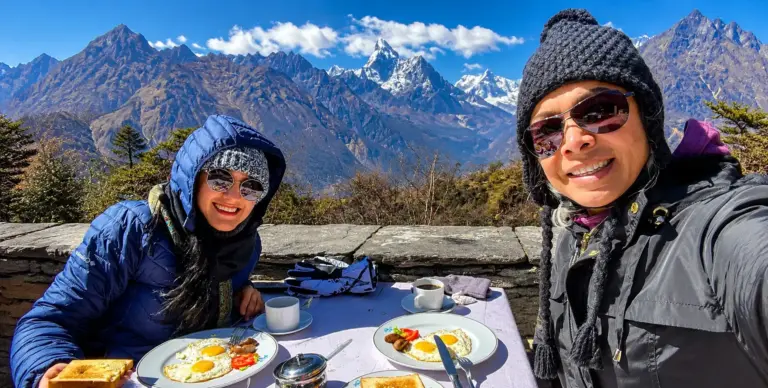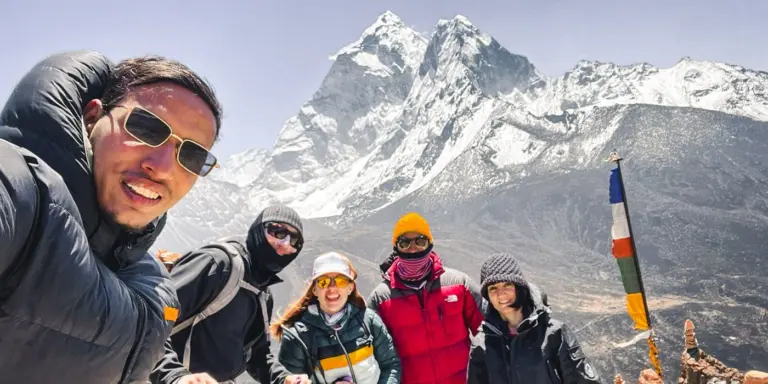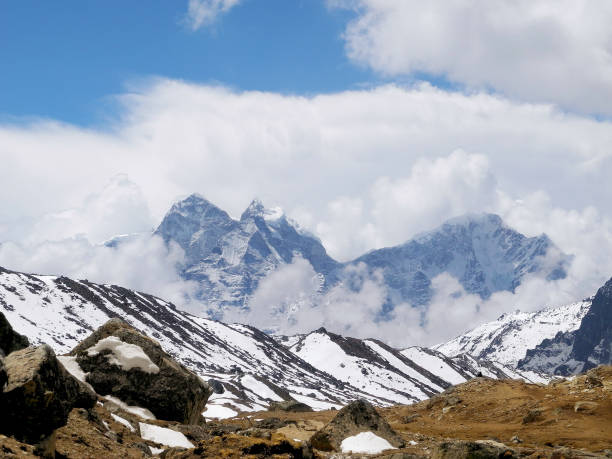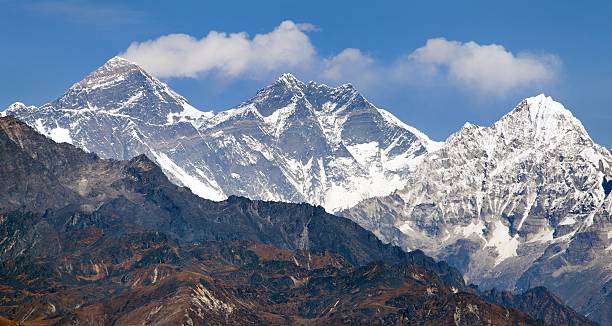
You have a week, maybe ten days, and one dream: to see Mount Everest with your own eyes. The full base camp trek needs two weeks and serious altitude. But on a clear morning, coffee in hand, you step onto the terrace of the Hotel Everest View and see Everest, Lhotse, and Ama Dablam fill the sky before you. You did it in three days of walking from Lukla.
That is the promise of the Everest Panorama Trek, also known as our Everest View Trek. In about a week, it takes you through Namche Bazaar, the Sherpa village of Khumjung, and the great monastery of Tengboche, with Everest views on most days and a highest point of about 3,880 m, far below the Everest Base Camp Trek.
In this guide, our Sherpa team shows you exactly how many days you need, which itinerary fits your schedule, how to beat Lukla flight delays, and how to stay safe on a short trek.
The Short Answer: What Is the Everest Panorama Trek?
The Everest Panorama Trek is a short Khumbu trek, usually five to nine days from Lukla, that visits Namche Bazaar, the Hotel Everest View at about 3,880 m, and Tengboche Monastery at 3,860 m. It offers close views of Everest, Lhotse,e and Ama Dablam without the altitude or two-week commitment of Everest Base Camp.
Most people need about ten days in Nepal for the classic seven-day version, including arrival, a spare weather day, and departure.
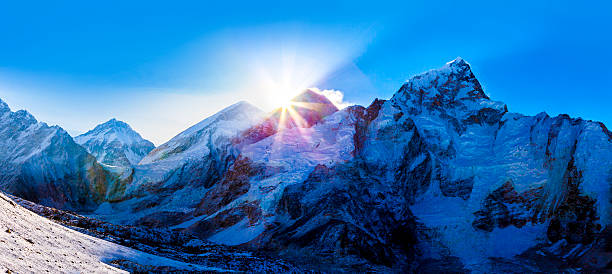
Everest Panorama Trek at a Glance
- Region: The Khumbu, inside Sagarmatha National Park.
- Trekking days: Five to nine from Lukla, with seven days as the classic plan.
- Highest point: About 3,880 m at the Hotel Everest View; Tengboche is 3,860 m.
- Highest night: Tengboche, 3,860 m, or Namche Bazaar, 3,440 m, on the shortest plans.
- Start and finish: Lukla, 2,860 m, by flight from Kathmandu or Manthali.
- Walking: Roughly 60 km on the seven-day loop, three to eight hours a day.
- Difficulty: Moderate, with one big climb to Namche and one long day back to Lukla.
- Best seasons: October to November and March to May, with clear winter days too.
- Everest views: From Namche Hill, the ridge above Namche, Hotel Everest View, and Tengboche.
- Permits: Sagarmatha National Park and Khumbu Pasang Lhamu Rural Municipality, arranged by our team.
- Our trek: The Everest View Trek, tailored to your dates and pace.
The Everest Panorama Trek from Lukla to Namche Bazaar, with stops at Hotel Everest View, Khumjung, and Tengboche, plus a helicopter return option and views of Everest from about 28 km away.
Why the Everest Panorama Trek Is Ideal When Time Is Short
The Everest Panorama Trek gives you the essence of the Everest region in the time most people actually have. It suits a single week of leave, a school holiday, a business trip with a few spare days, or a wider tour of Nepal, Bhutan or Tibet.
- It fits your calendar: Five to nine trekking days instead of two weeks or more.
- It keeps altitude modest: You stay below 3,900 m, so the risk of serious altitude sickness is much lower than at base camp, although it is never zero.
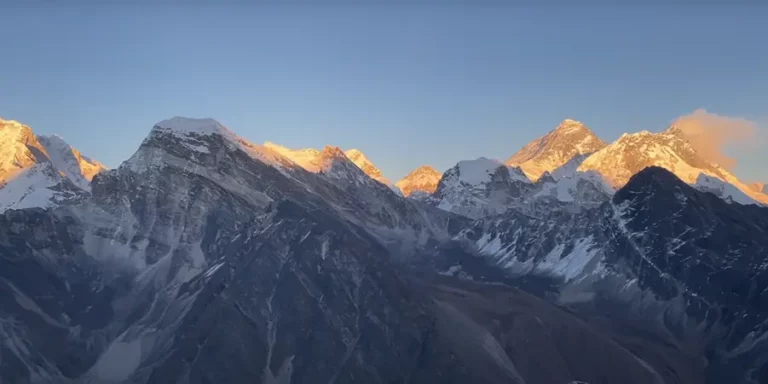
- It delivers the views: Everest, Lhotse, Nuptse, Ama Dablam, Thamserku and Kangtega appear on most days.
- It packs in culture: The Sherpa capital of Namche, Hillary’s school at Khumjung and the monks of Tengboche.
- It is flexible: Helicopter options let you shorten it further when needed.
Our guides explain how many days the EBC trek takes, and the 14-day Everest Base Camp trek shows what the longer journey involves.
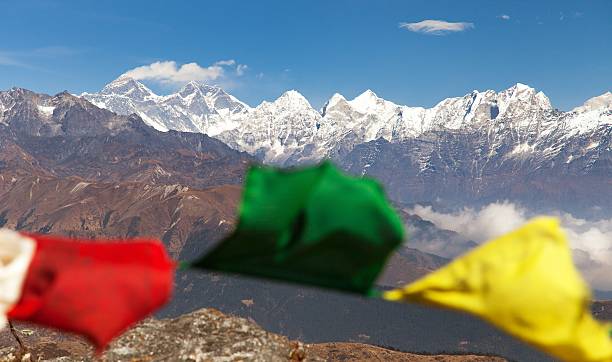
How Many Days Do You Need for the Everest Panorama Trek?
The right length depends on how much time you have and how much risk of flight delays you can accept. These are the plans we build most often.
Five Days: Namche and Hotel Everest View Sprint
Fly to Lukla and walk to Phakding, climb to Namche Bazaar on day two, then hike to the Hotel Everest View, Khumjung and Khunde on day three before sleeping in Namche again. Day four is the long walk back to Lukla, and day five is the flight out. You sleep no higher than 3,440 m, and Everest is the star of day three.
Six Days: Add Tengboche and Fly Back by Helicopter
Follow the classic route to Tengboche and back to Namche, then fly by helicopter from Namche or Syangboche to Kathmandu on day six instead of walking to Lukla. It saves a full day and the Lukla flight, weather permitting. Our guide to the Kathmandu-to-Lukla helicopter explains how these flights work.
Seven Days: The Classic Everest Panorama Trek
The seven-day plan below includes proper acclimatization days in Namche and Tengboche, plus a full walk back to Lukla. It is our favorite balance of time, comfort, and views, and it is the backbone of our Everest View Trek.
Eight to Nine Days: Relaxed and Safer
Add a night in Monjo or Phakding on the way down to split the long last day, an extra night at Tengboche for sunrise, or a side trip from Namche. Slower plans suit families, older trekkers,s and anyone who wants time for photography.
Your Total Holiday Time
Add an arrival day in Kathmandu, at least one spare day for Lukla weather, and a departure day. For the seven-day trek, that means about ten days in Nepal. Our Lukla airport guide and our article on Lukla flight delays and cancellations explain why the spare day matters.
Sample Schedules for Busy Travelers
One Week of Leave
Arrive in Kathmandu on day one and fly to Lukla the next morning for the five-day Namche and Hotel Everest View sprint. Fly back on day six and keep day seven as your spare day, ideally with a little sightseeing in Kathmandu before your flight home. It is tight, but it works, especially in autumn.
Ten Days in Nepal
Ten days is the sweet spot for the classic seven-day Everest Panorama Trek. Arrive on day one, trek from day two to day eight, keep day nine for weather or a Kathmandu Day Tour, and fly home on day ten.
Two Weeks in Nepal
With two weeks, choose the relaxed eight- or nine-day version, then add three or four days in Chitwan or Pokhara. Or use the extra time for the full Everest Base Camp Trek, if you are fit and keen on altitude.
The Classic 7-Day Everest Panorama Trek Itinerary
This is the typical itinerary our guides use. Walking times are approximate and depend on your pace and the weather.
Day 1: Fly to Lukla and Walk to Phakding (2,610 m)
An early flight lands you at Lukla, whose short runway, just 527 m long with a gradient of almost 12%, was built under Sir Edmund Hillary’s direction. After tea, walk three to four hours down the Dudh Koshi valley, past mani walls and prayer wheels, to Phakding, as described in our guide to Phakding and Monjo.
Day 2: Phakding to Namche Bazaar (3,440 m)
Follow the river upstream across suspension bridges to Monjo, the gateway to Sagarmatha National Park, a UNESCO World Heritage Site. After the high Hillary Suspension Bridge, take the long climb to Namche Bazaar, with your first glimpse of Everest from Top Danda on a clear day. Allow five to seven hours.
Day 3: Acclimatization Hike to the Hotel Everest View and Khumjung
Climb high, sleep low. Walk up past the Syangboche airstrip to the Hotel Everest View for coffee with Everest, then continue to Khumjung and Khunde before returning to Namche Bazaar. This three- to five-hour loop is the most important day for your health, and it gives you the trek’s most famous view.
Day 4: Namche Bazaar to Tengboche (3,860 m)
A balcony trail via Kyangjuma, with Ama Dablam ahead, leads down to the river at Phunki Thenga. From there, a steady climb through rhododendron and fir forest brings you to Tengboche Monastery in five to six hours, in time for the monks’ afternoon prayers.
Day 5: Tengboche to Namche Bazaar
Rise early to see sunrise over Everest and Ama Dablam above the monastery, then retrace your steps to Namche in four to five hours. Spend the afternoon in the town’s bakeries, shops, and Sherpa museum.
Day 6: Namche Bazaar to Lukla (2,860 m)
The longest day, 6 to 8 hours, descends Namche Hill and follows the river back through Monjo and Phakding, ending with a final climb to Lukla. Celebrate with your guide and porters in the evening.
Day 7: Fly to Kathmandu
An early flight returns you to Kathmandu, or to Manthali, followed by a drive in the busiest seasons. If weather delays you, your spare day absorbs it.
PHOTO SLOT (add your own photo here): Trekkers on the terrace of the Hotel Everest View after sunrise, with views of Everest, Lhotse, and Ama Dablam. File name: everest-panorama-trek-hotel-everest-view.webp. Alt text: Everest Panorama Trek view of Everest, Lhotse and Ama Dablam from the Hotel Everest View. Caption: Everest, Lhotse and Ama Dablam from the Hotel Everest View terrace
Getting to Lukla: Kathmandu, Manthali and the Weather
Every short Everest plan depends on the Lukla flight, so understand it before you book.
- Two departure points: In quieter months, flights leave Kathmandu and take about 35 minutes. In the busiest spring and autumn months, most flights leave from Manthali in Ramechhap, a four- to six-hour drive that usually starts in the middle of the night, followed by a 20-minute flight.
- Morning only: Flights are scheduled early because winds usually strengthen by mid-to-late morning.
- Weather rules: Pilots need clear visibility, and in the monsoon, poor visibility closes Lukla about half the time.
- Buffer days: Keep at least one spare day before your international flight.
Our Ramechhap airport transfer covers the Manthali drive, and our team rebooks flights quickly if the weather turns. What If Your Lukla Flight Is Canceled?
Challenges are part of mountain travel, and a plan keeps them from ruining a short trip. If the morning flight to Lukla is canceled, you are usually first in line the next day, which is why the spare day matters. If time is critical, a helicopter can often fly in conditions that ground planes, and on the way out it can also lift you from Namche. For the Everest Panorama Trek, we build every itinerary so one lost day doesn’t mean losing the trek.
Time-Saving Tips That Keep the Views
- Book the first flight of the day: Early flights are the most reliable.
- Sleep near the airport: In the Manthali season, some travelers drive the afternoon before and sleep near the airstrip.
- Use a helicopter strategically: A helicopter in or out saves a day, and weather permitting, flies when planes cannot.
- Never cut the Namche acclimatization day: Shortcuts become dangerous here.
- Choose a private trek: You set the pace and can change plans quickly.
- Travel in autumn: It has the most stable weather and the fewest flight disruptions.
- Pack light: Lukla flights usually allow about 10 kg checked and 5 kg hand luggage.
For the bigger picture, see our trekking in Nepal guide and our list of the 50 best treks in Nepal.
 Related tripEverest Base Camp Trek14 Days · Moderate · from US$ 1380View trip
Where You See Everest on the Everest Panorama Trek
- Top Danda, on the Namche hill: Your first glimpse of Everest, peeking over the Nuptse–Lhotse ridge on a clear day.
- The ridge above Namche Bazaar: The national park visitor center looks up the valley to Everest, Lhotse and Ama Dablam.
- The Hotel Everest View: The classic panorama, with Mount Everest about 28 km away.
- Kyangjuma: Wide views of Ama Dablam, Thamserku and Kangtega, with Everest ahead.
- Tengboche: Sunrise on Everest and Ama Dablam above the monastery.
Mornings usually bring the clearest skies, and clouds often build by early afternoon, so start early on the key days. Our article on Nepal’s 8,000 m peaks introduces the giants on the skyline.
Namche Bazaar: Sherpa Capital and Acclimatization Base
Namche Bazaar, at 3,440 m, is the trading hub of the Khumbu, a horseshoe of lodges, bakeries and shops on a steep hillside. Its Saturday market draws traders from far down the valley, and the Sherpa culture museum and the national park visitor center above town tell the story of the people and the mountains.
Read our guide to Namche Bazaar and our list of things to do on a rest day, and our guide to Sherpa culture and traditions for the beliefs behind the prayer flags and mani stones.
PHOTO SLOT (add your own photo here): The horseshoe of lodges and houses of Namche Bazaar seen from the trail towards Syangboche, with Kongde peaks behind. File name: namche-bazaar-from-above.webp. Alt text: Namche Bazaar horseshoe of lodges seen from the trail above. Caption: Namche Bazaar, the Sherpa capital, from the trail above
The Hotel Everest View and Syangboche
The Hotel Everest View, at about 3,880 m on the ridge above Namche, was the dream of Japanese tourism pioneer Takashi Miyahara. He also built the Syangboche airstrip to serve it, and some 200 porters carried bulldozer parts up from Lukla, as the Nepali Times recounts. Guinness World Records once listed it as the world’s highest hotel.
On the Everest Panorama Trek, most people visit for tea or lunch on the acclimatization day. For an overnight stay at the hotel and the full story, read our guide to the Hotel Everest View and Syangboche hike, as well as our Luxury Everest View Trek guide.
Khumjung and Khunde: Hillary’s Villages
Beyond the hotel lie the twin villages of Khumjung and Khunde, among the largest and most traditional in the Khumbu. Stone-walled potato fields surround the houses, and Sir Edmund Hillary’s Himalayan Trust built Khumjung’s school first. The Khunde Hospital, also founded by Hillary at the Sherpa community’s request, still serves the region.
Khumjung Monastery keeps a famous relic said to be a yeti scalp. Above the villages rises Khumbila, about 5,761 m, home to Khumbu Yul Lha, the region’s protector deity, and still unclimbed out of respect.
Tengboche Monastery: The Spiritual Heart of the Khumbu
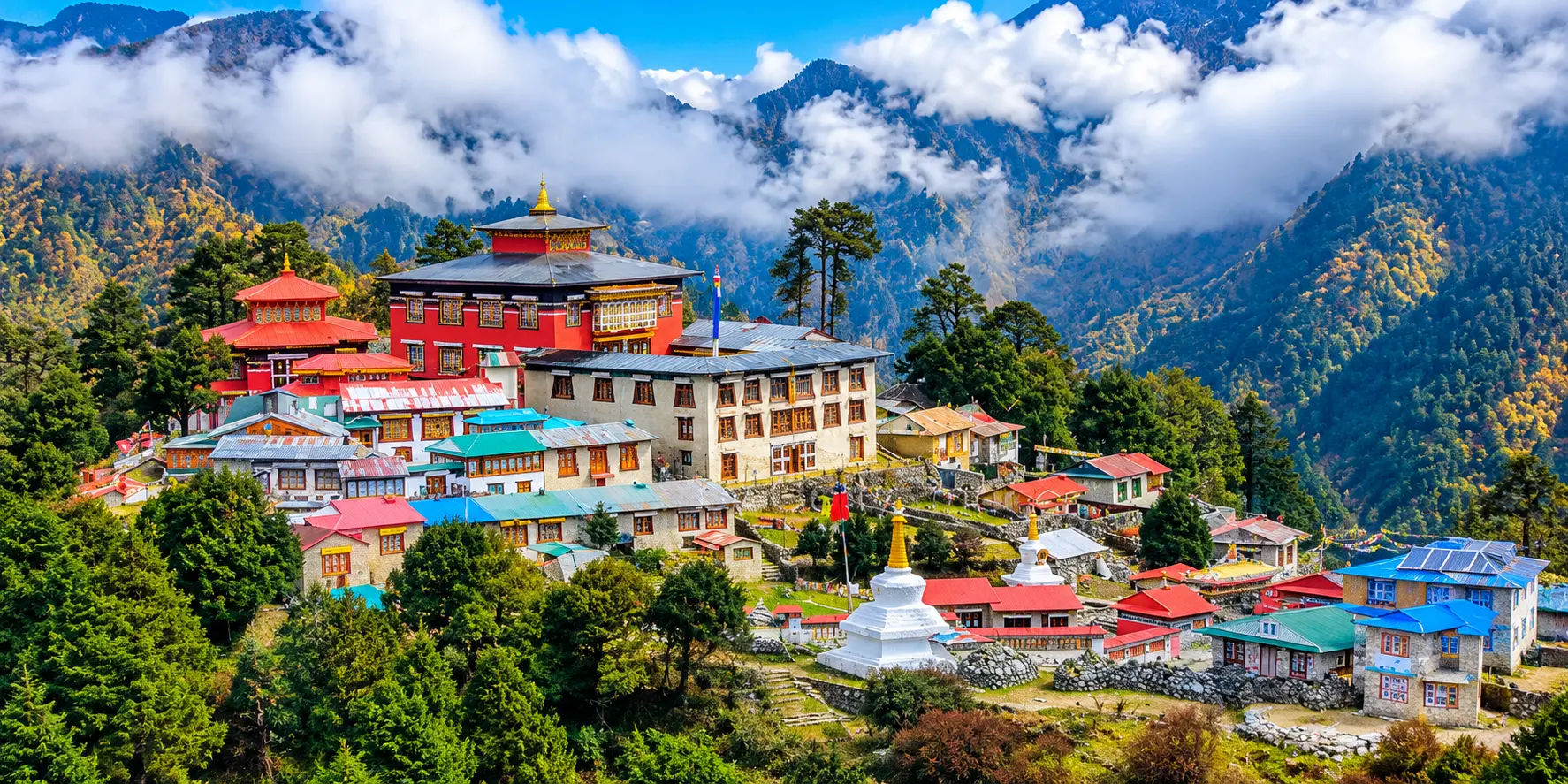
Tengboche Monastery is the largest gompa in the Khumbu. Founded in the early twentieth century by Lama Gulu as a daughter of Rongbuk Monastery, it was destroyed by a Tibetan earthquake, rebuilt, then burned in a fire, and rebuilt again with help from around the world. John Hunt, leader of the expedition that first climbed Everest, called Tengboche one of the most beautiful places in the world.
Arrive in the afternoon to hear the monks chant, and if you trek in October or November, ask whether your dates match Mani Rimdu, the great masked dance festival described in our guide to Tengboche Monastery and Mani Rimdu. Our Tengboche guide covers the village, and the ancient gompa at Pangboche, about two hours further up the valley, makes a rewarding side trip if you have an extra day.
A Typical Day on the Trail
Days on the Everest Panorama Trek follow an easy rhythm. You wake with tea as the first light touches the peaks, eat breakfast, and leave your bags for the porters. By eight, you are walking with your guide, carrying only a daypack with water, snacks, a camera, and a warm layer.
Lunch is usually taken on a sunny lodge terrace, and most days end by early afternoon, leaving time for a hot shower, a nap, or a visit to a monastery. Evenings are spent by the stove in the dining room, sharing stories over dinner before an early night.
Forests and Wildlife on the Way to Tengboche
The trail between Phunki Thenga and Tengboche climbs through forests of rhododendron, fi,r and birch that blaze with color in spring. Look out for Himalayan tahr on the cliffs above the trail near Namche and Kyangjuma, and musk deer in the forest. With luck, you may spot the danphe, or Himalayan monal, Nepal’s shimmering national bird, near the trail below Tengboche.
Distance, Walking Times and Altitude
- Lukla to Phakding: About 8 km, three to four hours, down to 2,610 m.
- Phakding to Namche Bazaar: About 10 to 11 km, five to seven hours, up to 3,440 m.
- Acclimatization loop: Hotel Everest View, Khumjung and Khunde, three to five hours, up to about 3,880 m.
- Namche Bazaar to Tengboche: About 10 km, five to six hours, to 3,860 m.
- Tengboche to Namche Bazaar: About 10 km, four to five hours.
- Namche Bazaar to Lukla: About 18 km, six to eight hours.
Compare these numbers with our Everest Base Camp trek distance guide and itinerary to see how much shorter the Panorama Route is.
 Related tripEverest View Trek9 Days · Moderate · from US$ 1250View trip
Altitude and Acclimatization on a Short Trek
Short treks tempt people to rush, and that is where altitude problems begin. The climb from Phakding to Namche gains more than 800 m in a day, and some six-day itineraries go straight from Namche to Tengboche without a rest day, which we do not recommend.
- Walk slowly: Especially on the Namche hill.
- Drink well: Three to four liters of water, tea, and soup a day.
- Climb high, sleep low: The Hotel Everest View hike does exactly that.
- Tell your guide: Headache, nausea, dizziness, or unusual tiredness are early signs.
- Descend if symptoms worsen: Never go higher if symptoms worsen.
Read our altitude sickness guide, our advice on what to do if you feel sick at altitude, and our page on acute mountain sickness. Our guides carry a first-aid kit and are experienced in recognizing altitude sickness.
How Hard Is the Everest Panorama Trek?
The Everest Panorama Trek is moderate. Trails are well made, but rarely flat: stone steps, suspension bridges, and steady climbs fill most days, and the last day back to Lukla is long. No technical skills are needed.
If you can walk five to six hours on hilly ground on consecutive days, you can do it. Start training six weeks ahead with hill walks and stairs, using our EBC training plan. Our guides to Everest Base Camp trek difficulty and the Everest Base Camp trek for beginners help you compare.
Who the Everest Panorama Trek Suits
- Busy professionals: A real Himalayan adventure inside a week of leave.
- Families: Children who enjoy walking manage the daily distances; read our guide to the Everest Base Camp trek with kids.
- Older travelers: Lower altitude and optional helicopters help, as our Everest Base Camp trek guide for those over 50 explains.
- First-time trekkers: A perfect introduction to the Himalaya.
- Solo travelers: Join our team for company and safety; read our Everest Base Camp trek solo guide
- Mindful travelers: Add yoga and meditation, as on our Everest Base Camp Yoga Trek and in our Everest yoga trek guide.
- Tour travelers: It fits neatly beside a Classic Nepal Tour or a trip to Bhutan or Tibet.
Best Time for the Everest Panorama Trek
You can do the Everest Panorama Trek in any season, but views and flight reliability determine the best months.
- Autumn (October to November): Clearest skies and most reliable flights; read our guides to the Everest Base Camp trek in October and November.
- Spring (March to May): Rhododendrons in bloom on the way to Tengboche and milder days; see our Everest Base Camp trek in April
- Winter (December to February): Cold nights, often brilliant views and quiet trails, ideal on this lower route.
- Monsoon (June to September): Green and quiet, but cloudy, with frequent flight delays; read our Everest Base Camp trek in monsoon
Our month-by-month guide to the best time for the Everest Base Camp trek applies to this route too.
Permits and Paperwork
You need the Sagarmatha National Park entry permit and the Khumbu Pasang Lhamu Rural Municipality permit, both checked on the trail and both arranged by our team, as our guide to Everest Base Camp trek permits explains. Check visa rules on our Nepal visa information page.
Guide rules in Nepal have tightened in recent years, as our articles on Nepal’s licensed-guide rules and the Everest Base Camp trek without a guide explain. Meet our Sherpa guides on our team page.
Lodges, Food and Comfort
The whole panorama route lies in the part of the Khumbu with the best lodges. Namche Bazaar and Lukla have rooms with attached bathrooms and hot showers, and even simpler lodges offer warm dining rooms and good food. Tengboche has fewer, more basic lodges, so we book early in season, and Deboche, a short walk beyond, offers comfortable alternatives.
Expect dal bhat, noodles, momos, Sherpa stew, potatoes, eggs, porridge, and fresh bakery treats in Namche. For upgraded stays, read our guide to luxury lodges in the Everest region.
What to Pack for a Short Everest Trek
- Warm layers: Thermal base layers, fleece, and a down jacket; nights at Tengboche are year-round.
- Rain and wind protection: A waterproof shell.
- Footwear: Broken-in trekking boots and comfortable camp shoes.
- Walking aids: Trekking poles for the Namche hill and the descent.
- Sun protection: Sunglasses, a sun hat, sunscreen, and lip balm.
- Sleeping bag: Useful in simpler lodges, such as those at Tengboche.
- Small extras: A headtorch, water bottles, purification tablets and snacks.
Our Everest Base Camp trek packing list and trekking equipment page covers every item.
Safety, Insurance and Rescue
Help is close on this route. The Khunde Hospital sits beside Khumjung, and Namche Bazaar has clinics and pharmacies, as our guide to Everest Base Camp medical clinics explains. In an emergency, helicopters can evacuate trekkers in daylight and good weather, as our guide to helicopter rescue in the Everest region describes.
Make sure your travel insurance covers trekking at altitude and helicopter rescue; we recommend a policy that covers at least 6,000 m and suits most other Nepal treks. Walk on the mountain side of the trail when yaks and porters pass, and take care on the suspension bridges in strong wind.
 Related tripEverest Helicopter Tour5 Hours · Easy · from US$ 1350View trip
Everest Panorama Trek vs Other Short Everest Options
Everest Panorama Trek vs Everest Base Camp
The Everest Base Camp Trek takes around two weeks and reaches 5,545 m at Kala Patthar, only about 9.5 km from Everest, as described in our Kala Patthar sunrise hike guide and our article on what you see at Everest Base Camp. The panorama route offers views of Everest from farther away, takes half the time, and stays at a much lower altitude. Our Everest Base Camp trek route guide shows where the two routes part ways at Tengboche.
Everest Panorama Trek vs the 10-Day Short Base Camp Trek
If you have ten to twelve days and good fitness, the 10-day short Everest Base Camp trek or the Everest Base Camp Helicopter Trek can get you to base camp and fly you back. They demand much more of your body, so honest acclimatization matters.
Everest Panorama Trek vs Pikey Peak
The Pikey Peak trek in the lower Everest region requires no Lukla flight and stays below 4,100 m, but you see Everest from about 67 km away. The panorama trek brings you much closer, through the heart of Sherpa country.
Everest Panorama Trek vs a Helicopter Tour or Mountain Flight
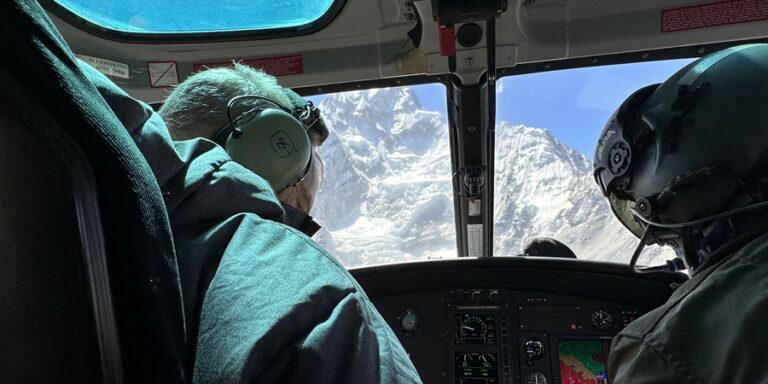
With only one day, an Everest Helicopter Tour or an Everest mountain flight shows you the range from the air. They are spectacular, but nothing replaces walking into the Khumbu, meeting its people, and waking up to Everest.
Luxury and Helicopter Upgrades
Short on time but long on comfort? Combine the panorama route with the best lodges, as explained in our Luxury Everest View Trek guide, or step up to the Everest Base Camp Luxury Lodge Trek, described in our luxury Everest Base Camp trek guide. The Luxury Everest Base Camp Trek with Helicopter Return, explained in our Everest Base Camp helicopter return article, and the Everest Elite Luxury Heli Trek save more days.
Friends or family who cannot trek can join you by air on the Mt Everest by Helicopter Tour, the Everest Heli Sherpa Village Walk, or a tour with breakfast at the Hotel Everest View, as our Everest helicopter tour with breakfast guide explains. The Sharing Everest Helicopter Tour with Kala Patthar Landing, covered in our Kala Patthar landing sharing tour guide, and the Gokyo Lakes Helicopter Tour, explained in our Gokyo helicopter tour article, go higher still.
Our articles on the Everest Base Camp helicopter tour, the EBC trek or helicopter tour choice, the EBC helicopter tour vs heli trek, whether a helicopter can land at Everest Base Camp, Everest helicopter tour restrictions, and the best seasons for an Everest helicopter tour help you choose.
Extend Your Trip When You Have More Time
With a few extra days, continue from Tengboche towards Ama Dablam Base Camp on our Ama Dablam Base Camp Trek, or turn the trip into the Everest Gokyo Lakes Trek, described in our Gokyo Lakes trek guide and our comparison of Gokyo Ri vs Kala Patthar. Strong trekkers can later return for the Everest 3 Pass Trek, explained in our Everest Three Passes trek guide, or a first summit with Island Peak Climbing and our Island Peak climbing guide.
Back in Kathmandu, explore the temples and squares on our Kathmandu Day Tour or with our Kathmandu sightseeing guide, see rhinos on a Chitwan Jungle Safari, or relax with paragliding in Pokhara and our Pokhara sightseeing guide.
Beyond Nepal, the Luxury Bhutan Tour includes the hike to the Tiger’s Nest Monastery; the Nepal Tibet Bhutan Tour links three Himalayan countries; and the Lhasa to Everest Base Camp Overland Tour, described in our Lhasa to Everest Base Camp guide, shows Everest from the north.
Photography Tips for the Everest Panorama Trek
- Shoot at sunrise: Tengboche and the Hotel Everest View offer the best early light on Everest and Ama Dablam.
- Bring a zoom: Everest is about 28 km from the hotel terrace, so a telephoto lens brings the summit closer.
- Frame with culture: Prayer flags, chortens and the Tengboche prayer hall make wonderful foregrounds.
- Keep batteries warm: Cold mornings drain them quickly.
- Ask first: Always ask before photographing people or the inside of monasteries.
Responsible Trekking in the Khumbu
- Respect sacred places: Walk clockwise around chortens and mani walls, and dress modestly in monasteries.
- Cut plastic: Refill your bottle with treated water instead of buying bottled water.
- Carry out waste: Take batteries and wrappers back down.
- Support local people: Choose locally run lodges and a local team.
Our responsible tourism page explains our commitments to porters, communities and the environment, and our stories of Guru Rinpoche and Buddhism in Tibet explain the faith you see on the trail.
Common Mistakes When Time Is Short
- No spare day: Booking an international flight the day after your Lukla flight.
- Skipping acclimatization: Going straight from Namche to Tengboche to save a day.
- Overpacking: Exceeding the Lukla baggage limit.
- Starting late: Missing the clear morning views of Everest.
- Ignoring symptoms: Pushing on with a headache instead of telling your guide.
- Trekking in the monsoon on a tight schedule: Flight delays are far more likely.
Frequently Asked Questions About the Everest Panorama Trek
What is the Everest Panorama Trek?
It is a short trek from Lukla to Namche Bazaar, the Hotel Everest View, Khumjung, and Tengboche, with Everest views on most days and a highest point of about 3,880 m. We run it as our Everest View Trek.
How many days does the Everest Panorama Trek take?
Five to nine days from Lukla, with seven days as the classic plan. Allow about ten days in Nepal,l including arrival, a spare day,y and departure.
What is the maximum altitude?
About 3,880 m at the Hotel Everest View. Tengboche, where you sleep on the classic plan, is 3,860 m.
Will I see Mount Everest?
Yes, on a clear day, from Top Danda, the ridge above Namche, the Hotel Everest View and Tengboche. Mornings usually give the clearest views.
Is the Everest Panorama Trek difficult?
The Everest Panorama Trek is moderate. The climb to Namche and the long last day to Lukla are the hardest parts, and no technical skills are needed.
Can I do the trek in five days?
Yes, as a Namche and Hotel Everest View sprint that sleeps no higher than 3,440 m, or in six days with a helicopter return. We do not recommend skipping the acclimatization day.
Do Lukla flights leave from Kathmandu?
In quieter months, yes. In the busiest spring and autumn months, most flights leave from Manthali in Ramechhap, a four- to six-hour drive from Kathmandu.
Can I get altitude sickness on this trek?
It is possible above about 2,500 m, although the risk is lower than at base camp. Walk slowly, drink plenty of water, nd tell your guide about any symptoms.
Is the trek suitable for children and older travelers
Yes, it is one of the best family treks in the Himalaya. Choose a slower eight- or nine-day plan and watch closely for signs of altitude sickness.
When is the best time for the trek?
October and November bring the clearest skies, and March to May brings rhododendrons. Winter is also good on this lower route, while the monsoon brings cloud and flight delays.
Final Thoughts: Everest Is Closer Than You Think
You do not need a month off or a mountaineer’s lungs to stand in front of Everest. The Everest Panorama Trek gives you the Sherpa capital, Hillary’s villages, the monks of Tengboche, and sunrise on the highest mountain on Earth, all in about a week.
Ready to go? Book our Everest View Trek, and we will tailor it to your dates, or tell us your plans through our Plan Your Trip page. Learn more about Trek Nepal Himalayas and our legal documents, or contact us today.