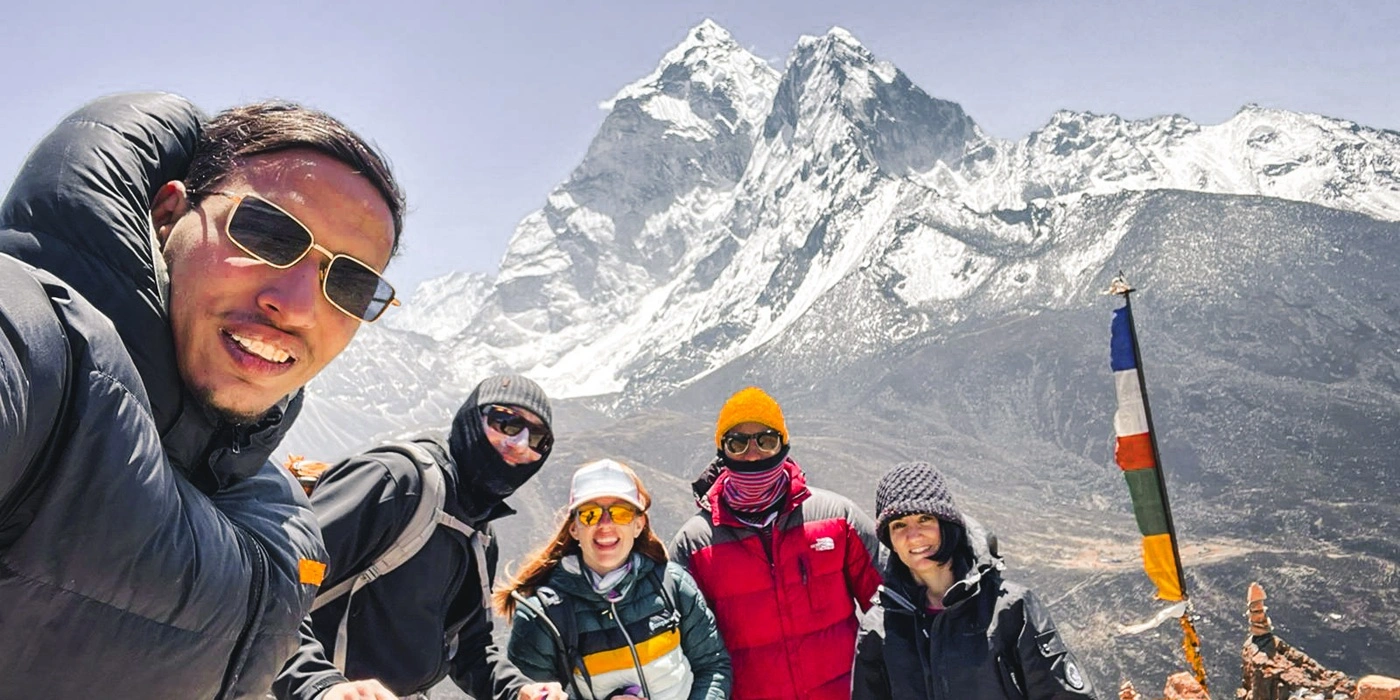
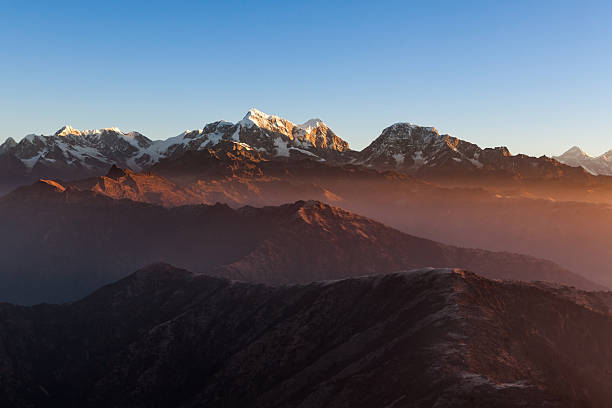
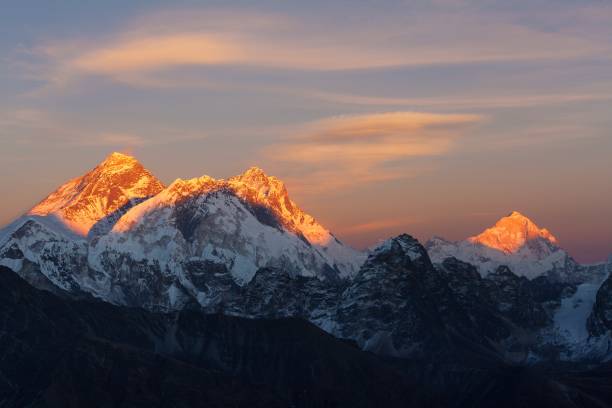
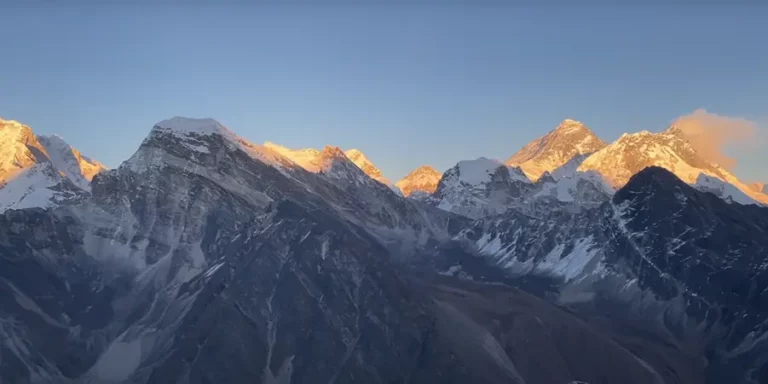
It is still dark when you leave Pikey Base Camp. Frost crunches underfoot, a yak bell clinks somewhere below, and your headtorch picks out prayer flags snapping in the wind above you. An hour later, you stand on the summit at 4,065 m as the eastern sky turns gold. One by one the giants catch the light: Numbur close at hand, the Everest group far to the north-east, Makalu beside it and, on a clear morning, Kangchenjunga on the eastern horizon.
That is the magic of the Pikey Peak Trek. In under a week, without a Lukla flight or the thin air of Kala Patthar, you can see four of the five highest mountains on Earth from a sacred hilltop in the quiet Sherpa heartland of Solu on a clear day. It is the perfect partner to our Everest View Trek and a gentle alternative to the full Everest Base Camp Trek.
In this guide, our Sherpa team explains the route, the sunrise, the views you can really expect, the best seasons, how hard it is, and how to stay safe, with honest answers to the questions most guides skip.
The Short Answer: What Is the Pikey Peak Trek?
The Pikey Peak Trek is short, in the lower Everest region, to Pikey Peak, a 4,065 m viewpoint about 67 km southwest of Everest. Most itineraries take four to seven days, start by road at Dhap, sleep no higher than 3,640 m, and finish at Junbesi and Phaplu, with no Lukla flight needed.
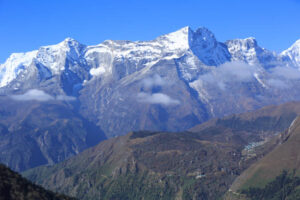
From the summit, a clear sunrise reveals a panorama stretching from Gauri Shankar to Kangchenjunga, with Everest, Lhotse and Makalu at its heart.
Pikey Peak Trek at a Glance
- Region: Solu, the lower Everest region in Solukhumbu district, south of Sagarmatha National Park.
- Highest point: Pikey Peak, 4,065 m, with a second top of almost the same height about a kilometer away.
- Highest night: Pikey Base Camp, 3,640 m.
- Start: Dhap, about 2,850 m, a roadside village reached by jeep from Kathmandu.
- Finish: Phaplu, 2,413 m, with an airstrip and road links to Kathmandu.
- Length: Seven days from Kathmandu back to Kathmandu on our typical plan, with shorter and longer versions.
- Walking: Roughly 45 km on the classic route, four to eight hours a day.
- Difficulty: Easy to moderate, with one steep pre-dawn summit climb.
- Best seasons: October to early December, and March to April.
- Everest: About 67 km away, with Lhotse, Makalu and, on clear days, Kangchenjunga.
- Nights: Simple teahouses and family homestays.
- With us: We tailor private Pikey Peak treks on request, and our closest set package is the Everest View Trek.
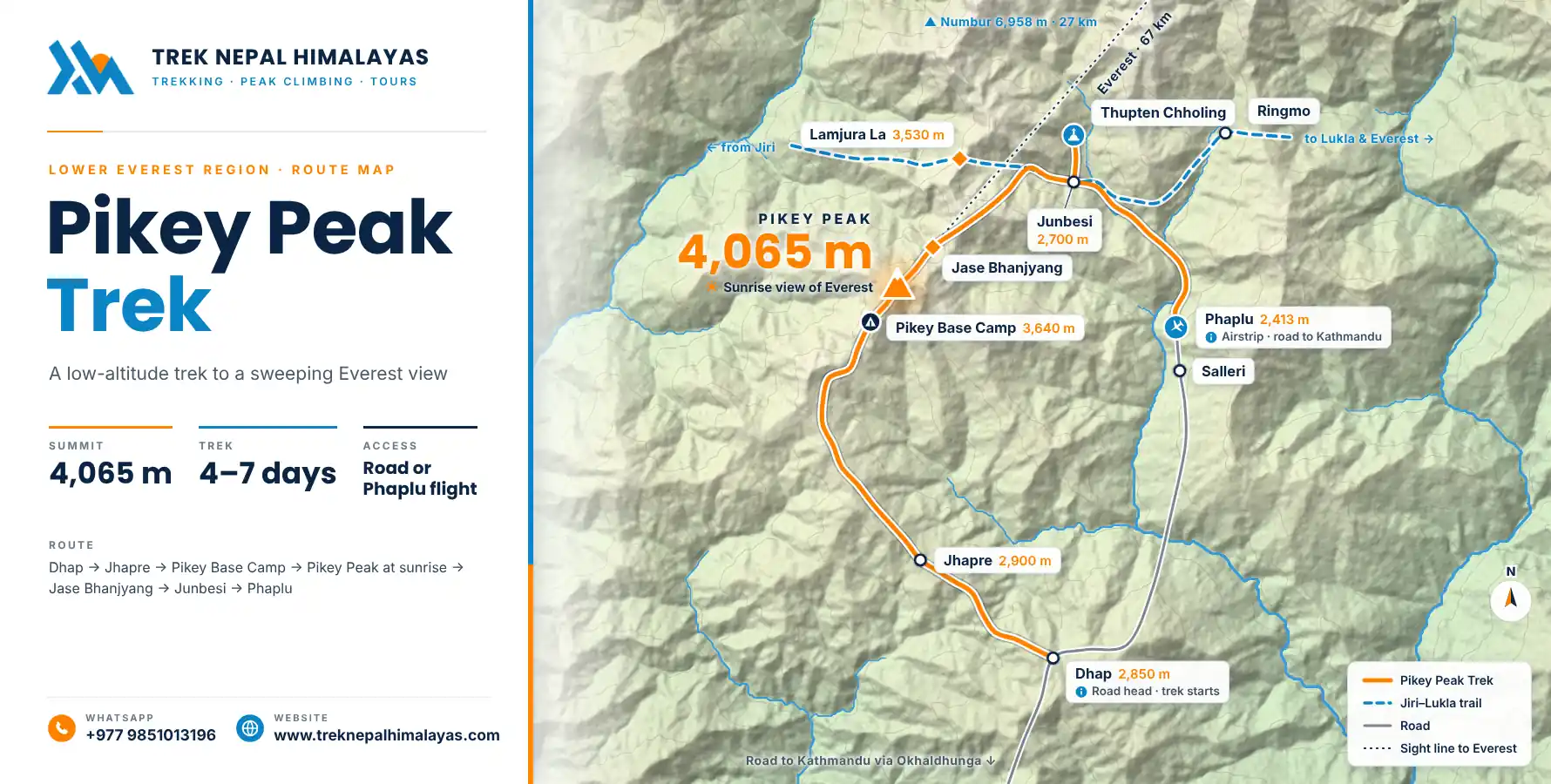
The Pikey Peak Trek runs from Dhap to Phaplu, with Junbesi, the Jiri–Lukla trail over Lamjura La, and a sightline to Everest, about 67 km away.
Where the Pikey Peak Trek Fits in the Everest Region
Most visitors know only the upper Everest region, the Khumbu, reached by a short and famously weather-dependent flight to Lukla, as our Lukla airport guide and our article on Lukla flight delays and cancellations explain. Long before that airstrip existed, the way to Everest led through Solu, the greener, lower country to the south.
The Pikey Peak Trek explores this lower world. It lies outside Sagarmatha National Park, and Kathmandu is only about 115 km away as the crow flies so that you can reach the trailhead by road. That makes it a smart choice when Lukla flights are busy, or when you prefer jeep journeys to small aircraft.
Solu is also the ancestral heartland of many Sherpa clans, the people whose story we tell in our guide to Sherpa culture and traditions. The classic walk-in to Everest, now our Jiri to Everest Trek, passes Junbesi, just a day from Pikey, as our Jiri to Everest Base Camp trek guide describes, and our Everest Base Camp Trek by Road also skips the Lukla flight.
Pikey Peak: Twin Summits, a Sacred Name and Hillary’s Favorite View
Pikey Peak is not a snow mountain but a high, grassy hill crowned by rocky tops, on the long ridge that runs south from the Lamjura La and divides the Likhu Khola valley to the west from the Solu valleys to the east. Its position, far enough from the great peaks to see them all, is what makes it special.
Why You See 4,065 m and 4,068 m
Most sources give Pikey Peak’s height as 4,065 m, while some say 4,068 m. Part of the confusion is that Pikey has two rocky tops about a kilometer apart, separated by a shallow dip and within a few meters of each other in height. The prayer-flagged main summit is the usual sunrise spot, and strong walkers sometimes wander across to the second top aafterward
A Sacred Peak for the Sherpas
Pikey takes its name from a Sherpa clan deity, and local families still gather in summer to honor it. The summit is crowded with prayer flags and small chortens, and for the Sherpas of Solu, climbing it can feel more like a pilgrimage than a hike. Please treat it with the same respect you would show inside a monastery.
The Hillary Story: What We Know
You will often read that Pikey was Sir Edmund Hillary’s favorite view of Everest. According to the Nepali Times, Hillary climbed Pikey during the long walk-in of the expedition that first climbed Everest and later counted it among his favorite viewpoints. We have never seen the famous quote in his own writings, so treat it as treasured local lore.
What is certain is that Hillary knew this corner of Solu intimately. His Himalayan Trust built schools across the region, starting with the first at Khumjung and including Junbesi, and Hillary had the Phaplu airstrip widened for larger aircraft. It was on a flight to join him at Phaplu, where he was building a hospital, that his wife Louise and younger daughter Belinda were killed in a plane crash in Kathmandu.
What You Can See From Pikey Peak
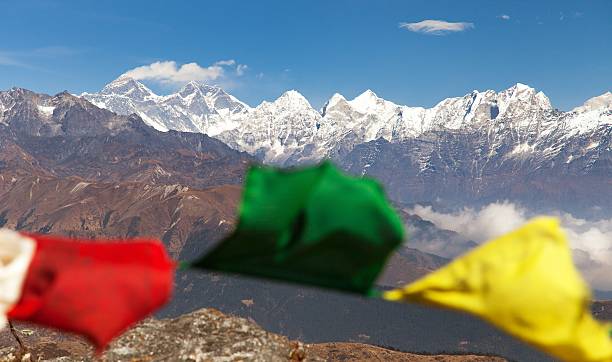
Claims about the view vary wildly, so we checked the lines of sight with elevation data. On a clear morning, this is what the Pikey Peak Trek really offers.
Everest and the Khumbu Giants
Mount Everest, at 8,849 m, lies about 67 km to the north-east. Its summit pyramid rises just above the long wall of Nuptse and Lhotse, with Lhotse, the world’s fourth-highest mountain, immediately to its right. From Kala Patthar, it looks small up close; the whole Khumbu skyline spreads out in front of you, including Ama Dablam, Thamserku, Kangtega, and the snow dome of Mera, the peak climbed on our Mera Peak Climbing expedition.
Makalu, Kangchenjunga and the Far East
Makalu, the world’s fifth-highest mountain, stands about 72 km away, to the right of Everest, with Chamlang nearby. Far to the east, about 166 km away, Kangchenjunga, the third-highest mountain on Earth, appears on clear days as a pale crown on the horizon. Seeing it from here is a wonderful preview of our Kanchenjunga Base Camp Trek.
Numbur, Karyolung and Gauri Shankar
The closest giants are Numbur (6,958 m) and its neighbor Karyolung (6,511 m), both about 26 km to the north-north-east. Numbur is Solu’s sacred mountain and towers over the sacred lake of Dudh Kunda. To the north-north-west, about 49 km away, Gauri Shankar and Menlungtse rise near the Tibetan border.
Annapurna, Manaslu and Dhaulagiri: The Fine Print
Some guides promise all of Nepal’s 8,000 m peaks. Manaslu is about 219 km away, Annapurna I about 286 km and Dhaulagiri about 320 km, so they show only as faint shapes on exceptionally clear days, if at all. Enjoy them as a bonus, and save the close-ups for our Manaslu Circuit Trek or the Annapurna Base Camp guide.
Why Cho Oyu Is Hard to Spot
Cho Oyu often appears in lists of the Pikey panorama, but from the summit it lies almost directly behind the Numbur group, so it is hard to pick out. For a grand view, climb Gokyo Ri above the fifth lake, as our Gokyo Lakes trek guide explains.
Sunrise on Pikey Peak: Times and Tips
From Pikey, the eastern horizon is low, so the sun appears at almost exactly the official sunrise time. Approximate times are:
- Late September: Around 5:45 am.
- Mid-October: Around 5:55 am.
- Mid-November: Around 6:15 am.
- December and January: Around 6:35-6:45 am.
- Mid-February: Around 6:30 am.
- Mid-March: Around 6:10 am.
- Mid-April: Around 5:40 am.
- Mid-May: Around 5:20 am.
The climb from base camp takes about an hour, so most groups leave 75 to 90 minutes before sunrise. Around the equinoxes, the sun rises close to Kangchenjunga, while from October to January it rises over the hills to the east-southeast, lighting the peaks from the side. Unlike the Kala Patthar sunrise hike, you do not look into the sun, so the first light falls across Everest and its neighbors instead of silhouetting them.
How to Get to the Start: Dhap, Phaplu or Jiri
By Road to Dhap
Most treks begin at Dhap, about 2,850 m, on the road from Kathmandu via Okhaldhunga. The drive takes seven to nine hours, following highways and the Sun Kosi valley before climbing steeply beyond Okhaldhunga. A private jeep is far more comfortable than shared transport, and our team arranges it for every trip.
Flying to Phaplu
Phaplu’s small airstrip at 2,413 m has flights to Kathmandu of around 30 minutes, weather permitting. Many trekkers drive in and fly out, or fly in and walk the loop in reverse via Junbesi. Phaplu sits beside Salleri, the district headquarters, and both have road links to Kathmandu.
From Jiri and Shivalaya
For a longer, quieter approach, start at Shivalaya, near Jiri, and walk east via Bhandar and the monasteries of the high ridge to Pikey, crossing part of the Gaurishankar Conservation Area. It adds several days but follows trails few trekkers see.
A Typical 7-Day Pikey Peak Trek Itinerary
This is the itinerary our guides recommend for a relaxed Pikey Peak Trek. Daily times are approximate and depend on your pace, the weather, and lodge availability.
Day 1: Kathmandu to Dhap (about 2,850 m)
An early start and a long, scenic drive east via Okhaldhunga bring you to Dhap by late afternoon. The altitude gain from Kathmandu is large, so drink plenty, take it easy, and enjoy the evening light on the hills.
Day 2: Dhap to Jhapre (about 2,900 m)
A short day of four to five hours, roughly 9 km, follows the ridge through Sigane, partly on a newly built dirt road, to Jhapre, a small village with a gompa and stupa perched above a deep valley. The first views of Numbur appear, and the short day helps your body adapt.
Day 3: Jhapre to Pikey Base Camp (3,640 m)
The trail climbs to the grassy ridge of Bhulbhule, passing old yak huts, long mani walls and chortens, then continues through rhododendron forest. Around Lhumje, at about 3,520 m, dozens of small ponds dot the ridge, and herds of yaks graze the open slopes. Allow five to seven hours for roughly 11 km.
Day 4: Sunrise on Pikey Peak, Then Down to Jase Bhanjyang
Leave by headtorch for the hour-long climb to the summit and watch the sunrise. Afterwards, descend to the saddle of Jase Bhanjyang, also spelled Jasmane Bhanjyang, where simple teahouses serve breakfast. Depending on lodges and your energy, you stay there for the night or continue down through steep forest to Loding, about 2,515 m, a long day of up to eight or nine hours.
Day 5: Down to Junbesi and Thupten Chholing
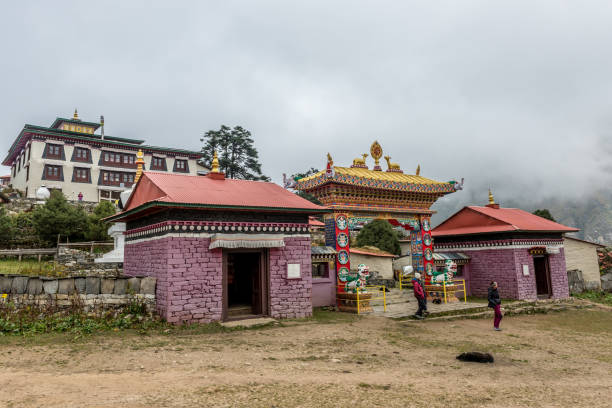
A beautiful walk through old forest brings you to Junbesi, about 2,700 m, one of the loveliest Sherpa villages in Solu, in four to seven hours, depending on where you spent the night. In the afternoon, walk about an hour up the valley to Thupten Chholing Monastery, one of Nepal’s largest Tibetan Buddhist communities.
Day 6: Junbesi to Phaplu (2,413 m)
Follow the valley down from Junbesi through fields, forest, and villages to Phaplu, about 11 km and five to six hours. With time to spare, visit Chiwong Monastery on its ridge near Phaplu. Celebrate the end of the trek with your guide and porters.
Day 7: Phaplu to Kathmandu
Fly back to Kathmandu (about a 30-minute flight), or drive for eight to ten hours. Back in the capital, a Kathmandu Day Tour or our Kathmandu sightseeing ideas make a perfect final day.
PHOTO SLOT (add your own photo here): Yaks grazing on the grassy ridge between Jhapre and Pikey Base Camp, with rhododendron forest below. File name: yak-pastures-ridge-pikey-base-camp.webp. Alt text: Yaks grazing on the open ridge below Pikey Base Camp. Caption: Yaks graze the open ridge on the way to Pikey Base Camp
Shorter and Longer Versions
- Four days: Drive to Dhap and walk to Jhapre the same day, climb to Pikey Base Camp, summit at sunrise, and return to Dhap. It is fast and demanding, with long days.
- Five to six days: Our seven-day route without the short day to Jhapre, or a fly-in, fly-out loop from Phaplu.
- Eight to nine days: Start at Shivalaya near Jiri and approach from the west via Bhandar, a route favored by trekkers seeking solitude.
- Ten to twelve days: Add the sacred lake of Dudh Kunda, about 4,600 m, below Numbur, which needs three to four extra days and some camping.
If time is tight, compare these options with our guides to see how many days the EBC trek takes: the 10-day short Everest Base Camp trek, or our classic 14-day Everest Base Camp trek.
 Related tripEverest Base Camp Trek14 Days · Moderate · from US$ 1380View trip
Distance, Walking Times and Elevation
- Total walking distance: Roughly 45 km on the Dhap to Phaplu route.
- Total ascent: About 1,200 m from Dhap to the summit, plus smaller climbs on the way down.
- Longest climb: Jhapre to Pikey Base Camp, about 740 m.
- Steepest section: The final hour from base camp to the summit, about 425 m.
- Biggest descent: About 1,350 m from the summit to Junbesi.
Compare that with the numbers in our Everest Base Camp trek distance guide, and you see why Pikey suits trekkers who want big views without big altitude.
Altitude: Low, but Not No Altitude
Pikey is low by Everest standards, but 4,065 m is still high. Altitude sickness can affect anyone above about 2,500 m, and the first day takes you from Kathmandu at about 1,400 m to Dhap at about 2,850 m in a single drive.
- Go slowly: The short day to Jhapre is there for a reason.
- Drink well: Aim for three to four liters of water, tea, and soup a day.
- Know the signs: Headache, nausea, dizziness, poor sleep and unusual tiredness.
- Never ignore worsening symptoms: Confusion, breathlessness at rest or loss of balance mean descend at once.
Read our altitude sickness guide, our advice on what to do if you feel sick above 4,000 m, and our page on acute mountain sickness. Our guides carry a first-aid kit and are experienced in recognizing altitude sickness.
How Hard Is the Pikey Peak Trek?
The Pikey Peak Trek is rated easy to moderate. There is no technical climbing, but there are long climbs, stone steps, muddy forest paths in wet weather, and one steep summit push in the cold and dark. Some sections are on newer, less-marked trails, and parts follow dirt roads.
If you can walk five to seven hours on hilly ground for several days in a row, you can do it. It is much gentler than the trek described in our Everest Base Camp trek difficulty guide, and our Everest Base Camp trek for beginners and EBC training plan articles help you prepare.
Who the Pikey Peak Trek Suits
- First-time trekkers: A short, safe introduction to Himalayan trekking.
- Families: Fit, well-prepared teenagers love it; read our guide to the Everest Base Camp trek with kids for advice on children and altitude.
- Older trekkers: The lower altitude and shorter days suit many travelers in their fifties, sixties, and beyond, as our Everest Base Camp trek over 50 guide explains.
- Solo travelers: Walk with a guide on these quieter trails; our Everest Base Camp trek solo article covers staying safe.
- Culture lovers: Explore Sherpa villages and monasteries with fewer tourists, like our Tamang Heritage Trek or Chainpur Village Homestay Tour.
- Mindful travelers: Sunrise on a sacred summit is a natural moment for reflection, a theme of our Everest Base Camp Yoga Trek and Everest yoga trek guide.
Junbesi, Thupten Chholing and the Monasteries of Solu
Junbesi, Where the Moon Comes to Rest
Locals say Junbesi’s name means the place where the moon comes down to rest, and the village, with its stone houses, apple trees and wide valley, lives up to it. Junbesi is believed to be the first permanent Sherpa settlement after the migration from Tibet, and its Tashi Thongmon Gompa is considered the oldest Sherpa monastery, with origins that may reach back to those first settlers in the early sixteenth century.
Each year the monastery courtyard fills for Dumje, a festival of dances celebrating the birth of Guru Rinpoche. Just above the village stands Serlo Monastery, whose monks also care for the old gompa.
Thupten Chholing
About an hour’s walk above Junbesi, Thupten Chholing was founded by Trulshik Rinpoche, a revered lama who left Tibet and rebuilt his community in Solu, keeping alive a tradition rooted at Rongbuk Monastery on the northern side of Everest. Today several hundred monks and nuns, many of them Tibetan, study and practice Tibetan Buddhism here. Visitors are welcome, but it is a working religious community, not a museum.
PHOTO SLOT (add your own photo here): The prayer halls and monastic houses of Thupten Chholing Monastery in the forest above Junbesi. File name: thupten-chholing-monastery-junbesi.webp. Alt text: Thupten Chholing Monastery above Junbesi in the Solu valley. Caption: Thupten Chholing Monastery, about an hour’s walk above Junbesi
Chiwong Monastery and Mani Rimdu
Near Phaplu, the cliff-top Chiwong Monastery hosts its own Mani Rimdu festival, usually in autumn, with three public days of masked dances and blessings. It shares the tradition with Tengboche, described in our guide to Tengboche Monastery and Mani Rimdu, and the Khumbu’s ancient gompa at Pangboche belongs to the same living Sherpa faith.
Sherpa Life in the Lower Everest Region
Solu feels different from the busy Khumbu. Potato, barley, and buckwheat fields surround stone farmhouses; apple orchards grow around Junbesi and Ringmo, and yak herders move their animals to the high pastures around Pikey in summer. Small dairies still make cheese, a legacy of Swiss-supported projects in the region.
Most villages along the route are Sherpa, with Tamang and Magar settlements lower down. Homestays let you share meals and evenings with local families, and you will see daily life far from the souvenir shops of Namche Bazaar. A few words of Nepali or Sherpa, and plenty of smiles, go a long way.
Forests, Rhododendrons and Wildlife
The trail climbs through belts of oak, pine, and fir to great rhododendron forests, which give way to open grassland near the summit. In March and April the rhododendrons bloom in red, pink and white, a spectacular sight on the ridges.
This is not a big-wildlife trek, but you may see Himalayan tahr on rocky slopes, kestrels and other raptors riding the thermals, and colorful forest birds. The forests around Dudh Kunda were once home to red pandas and snow leopards. If you want tigers and rhinos too, finish your holiday with our Chitwan Jungle Safari or Bardia National Park Tour.
Teahouses, Homestays and Food
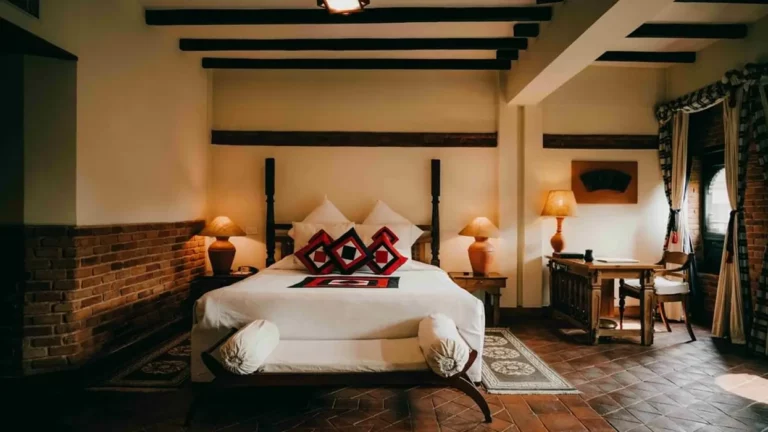
Accommodation on the Pikey Peak Trek is simple. Rooms usually have two beds with blankets and pillows; toilets are shared, and a stove warms the dining room.s Lodges at Jhapre, Pikey Base Camp and Jase Bhanjyang are basic and few, so booking ahead matters in the main seasons. At the same time, Junbesi and Phaplu offer more comfortable rooms and hot showers.
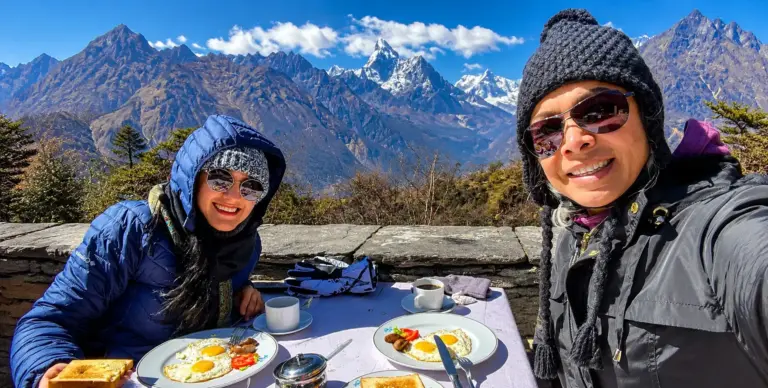
Meals center on dal bhat, with noodles, fried rice, potatoes, Sherpa stew, porridge, and eggs widely available. Try the local cheese and, in autumn, Junbesi’s apples. Mobile coverage reaches much of the route, Wi-Fi is available in some lodges, and charging can be limited in the higher teahouses. This is a world away from the luxury lodges of the Everest region, and that is part of its charm.
 Related tripEverest View Trek9 Days · Moderate · from US$ 1250View trip
Best Time for the Pikey Peak Trek
The Pikey Peak Trek is possible for much of the year, but the best months depend on the views.
- Autumn (October to early December): Clear skies and sharp mountain views, with cold mornings. Read our guides to the Everest Base Camp trek in October and November.
- Spring (March to April): Rhododendrons in bloom and milder days, with more haze and afternoon cloud as May approaches; see our Everest Base Camp trek in April
- Winter (late December to February): Crisp, often clear days, freezing mornings and possible snow on the ridge.
- Monsoon (June to September): Rain, leeches, slippery trails and cloud-hidden peaks; read our Everest Base Camp trek in monsoon
Our Everest Base Camp trek guide and our wider trekking in Nepal guide compare the seasons in more detail.
Pikey Peak in Winter
Pikey’s modest height makes it one of the best winter treks in the Everest region. Skies are often clear, the trails are almost empty, and, after snowfall, the summit becomes a white wonderland that draws young Nepali hikers. Mornings are bitterly cold, though, often well below freezing, and some lodges may close. Bring warm layers and microspikes, and allow a spare day for weather.
Permits and Paperwork
Because Pikey lies outside Sagarmatha National Park, the classic route from Dhap to Phaplu doesn’t require the national park permit described in our guide to Everest Base Camp trek permits. If you approach from Shivalaya, you cross the Gaurishankar Conservation Area, which has its own permit. Local registration and trekking rules change from season to season, so our team checks and arranges whatever is required before you set off.
You also need a valid Nepal visa, explained on our Nepal visa information page.
Guides, Porters and Trekking Independently
Pikey’s trails are quieter and less well marked than the Khumbu’s, with junctions in thick forest and pre-dawn walking in the dark. A local guide finds the way, books scarce lodge beds, judges the weather for sunrise and spots early signs of altitude sickness. A porter lets you enjoy the walk with a light daypack.
Rules on independent trekking in Nepal have tightened in recent years, as our articles on Nepal’s licensed-guide rules and the Everest Base Camp trek without a guide explain. Meet the Sherpa guides who lead our treks on our team page.
What to Pack
- Warm layers: Thermal base layers, fleece, a down jacket, and a windproof shell for the summit.
- Hands and head: Warm gloves or mittens, a hat and a buff.
- Feet: Broken-in trekking boots, warm socks and microspikes in winter.
- Sleeping bag: Rated to about minus 10°C for the higher lodges.
- Headtorch: With spare batteries for the summit morning.
- Water: Bottles and purification tablets or a filter.
- Sun protection: Sunglasses, sunscreen and lip balm.
- Rain gear: A light jacket or poncho, especially in spring.
Our Everest Base Camp trek packing list and trekking equipment page covers every item.
Training and Fitness
Start training six to eight weeks before you go. Hill walks with a loaded daypack, stair climbing, cycling and swimming all build stamina, and two or three long weekend walks will show you how your knees cope with long descents. The steep summit climb and the 1,350 m descent to Junbesi are the toughest tests, so strong legs and trekking poles make a real difference.
Safety, Rescue and Insurance
Solu has fewer medical facilities than the Khumbu, and it has no high-altitude aid post like the HRA post at Pheriche. The main medical help is at Phaplu, as our guide to Everest Base Camp medical clinics explains for the wider region.
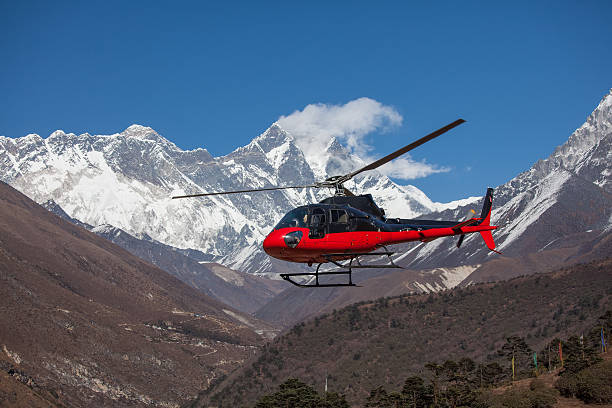
In an emergency, helicopters can reach Pikey in good weather, but they fly only in daylight, as our guide to helicopter rescue in the Everest region describes. Make sure your travel insurance covers trekking above 4,000 m and helicopter rescue; we recommend a policy that covers at least 6,000 m, which also suits most other Nepal treks. Long drives on mountain roads are part of the adventure, so travel with an experienced driver, as ours are.
Pikey Peak Trek vs Other Everest Viewpoint Treks
Pikey Peak vs the Everest View Trek
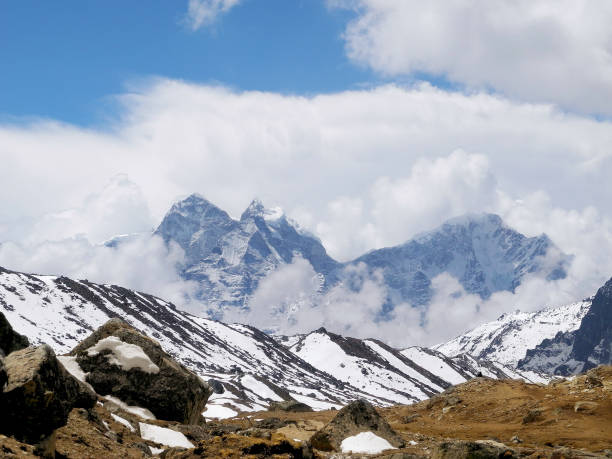
Our Everest View Trek flies to Lukla and walks through Namche Bazaar to the Hotel Everest View terrace at about 3,880 m, as our guide to the Hotel Everest View and Syangboche hike explains. You see Everest, Lhotse, and Ama Dablam much closer, along with the Khumbu’s famous villages and monasteries. Pikey offers a wider panorama, no flight, and quieter trails. For comfort, read our Luxury Everest View Trek guide.
Pikey Peak vs Kala Patthar and Gokyo Ri
Kala Patthar, at 5,545 m, is only about 9.5 km from Everest, and Gokyo Ri, at 5,357 m, adds Cho Oyu and the Gokyo lakes, as our Gokyo Ri vs Kala Patthar comparison shows. Both require around two weeks on the Everest Base Camp Trek or the Everest Gokyo Lakes Trek, plus serious acclimatization, while Pikey takes a week and stays below 4,100 m.
Pikey Peak vs Poon Hill and Other Viewpoints
In the Annapurna region, sunrise at Poon Hill on our Ghorepani Poon Hill Trek is a classic, with the Mardi Himal Trek, Khopra Ridge Trek, Muldai View Trek and Australian Camp Trek as alternatives. Near Kathmandu, Nagarkot Hiking and the Chisapani Nagarkot Trek offer distant Himalayan views in a day or two.
If you cannot trek at all, Pattale, a roadside viewpoint at about 2,800 m near Dhap, has good Everest views, and an Everest mountain flight from Kathmandu shows the whole range in an hour.
 Related tripEverest Helicopter Tour5 Hours · Easy · from US$ 1350View trip
Luxury, Comfort and Helicopter Options
There are no luxury lodges near Pikey, but we can make the trek far more comfortable with private jeeps, the best rooms in Junbesi and Phaplu, extra porters, a flight out from PhaPhapluand an unhurried pace. For true luxury with Everest views, choose the Everest Base Camp Luxury Lodge Trek, described in our luxury Everest Base Camp trek guide, or the Luxury Everest Base Camp Trek with Helicopter Return, explained in our Everest Base Camp helicopter return article.
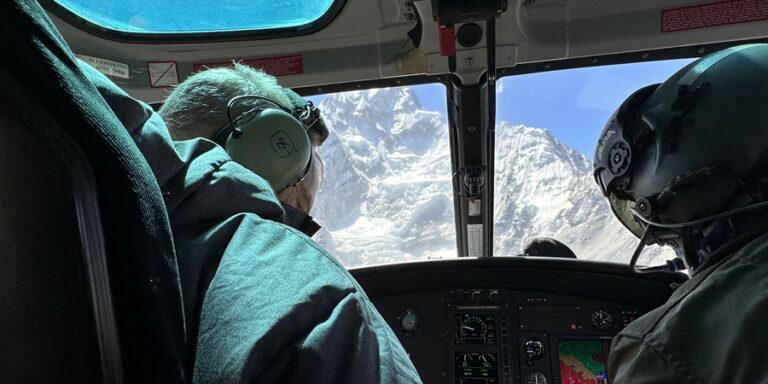
To see Everest up close in a single morning, our Everest Helicopter Tour, Mt Everest by Helicopter Tour and Everest Heli Sherpa Village Walk fly from Kathmandu, often with breakfast, as our Everest helicopter tour with breakfast guide explains. The Sharing Everest Helicopter Tour with Kala Patthar Landing, described in our Kala Patthar landing sharing tour guide, and the Gokyo Lakes Helicopter Tour, explained in our Gokyo helicopter tour article, add high landings.
You can also combine trekking and flying on the Everest Base Camp Helicopter Trek and the Everest Elite Luxury Heli Trek. Our articles on the Everest Base Camp helicopter tour, the EBC trek or helicopter tour choice, the EBC helicopter tour vs heli trek, whether a helicopter can land at Everest Base Camp, Everest helicopter tour restrictions, and the best seasons for an Everest helicopter tour help you choose.
Combine Pikey Peak With Other Adventures
- Continue to Everest Base Camp: From Junbesi, the old expedition trail continues via Ringmo, the Taksindu monastery, and the Dudh Koshi valley to Lukla, Phakding, and Monjo, Namche, and beyond, along the Everest Base Camp trek route.
- Add the Khumbu by air: Charter flights between Phaplu and Lukla can sometimes be arranged, linking Pikey with the Everest View Trek and the things to do in Namche Bazaar.
- Visit Dudh Kunda: Walk north from Junbesi via Ringmo to the sacred lake below Numbur, where pilgrims gather at the summer full moon of Janai Purnima.
- Pokhara and the lowlands: Relax with paragliding Pokhara, sightseeingingng in Poka ,ng, or Trishuli River Rafting.
Photography Tips for Pikey Peak
- Bring a zoom: Everest is 67 km away, so a telephoto lens or your phone’s zoom turns a distant peak into a dramatic portrait.
- Shoot the first light: The best color lasts only 20 to 30 minutes after sunrise.
- Turn around: Prayer flags, chortens, and your group make wonderful foregrounds against the glowing range.
- Keep batteries warm: Cold drains them quickly, so carry spares in an inside pocket.
- Stay for the clouds: Morning mist filling the Solu valleys below often makes the most memorable images.
- Ask first: Always ask before photographing people, monks, and ceremonies.
Responsible Trekking in Solu
- Respect sacred places: Walk clockwise around chortens and mani walls, and never remove prayer flags or stones.
- Leave no trace: Carry out wrappers, batteries, and plastic bottles.
- Support local families: Stay in village lodges and homestays, and buy local apples and cheese.
- Dress modestly: Especially in monasteries and villages.
- Look after your crew: Make sure porters are well equipped for the cold summit morning.
Read how we work on our responsible tourism page.
Common Mistakes on the Pikey Peak Trek
- Underestimating the altitude: At 4,065 m, altitude sickness is possible, especially after the big first-day jump.
- Skipping the warm layers: Dawn on the summit is often below freezing and windy.
- Rushing the itinerary: The four-day version is tiring, and a spare day improves your chance of a clear sunrise.
- Walking alone in fog or darkness: Trails fork in the forest, and it’s easy to get lost.
- Expecting Khumbu-style lodges: Beds are limited and simple, so book ahead.
- Believing every view claim: Enjoy Everest, Lhotse, Makalu and Kangchenjunga, and treat the far western giants as a bonus.
Beyond Pikey Peak: Your Next Himalayan Goals
Pikey often inspires bigger dreams. Take the next step on the Everest Base Camp Trek, cross the high passes of the Everest 3 Pass Trek (described in our Everest Three Passes trek guide), or walk beneath Ama Dablam on our Ama Dablam Base Camp Trek (explained in our Ama Dablam Base Camp trek guide).
For your first summit, consider Island Peak Climbing (our Island Peak climbing guide or Lobuche Peak Climbing (our Lobuche East guide,) while our guide to Mera Peak, the highest trekking peak, covers the giant you saw from Pikey. Elsewhere, the Annapurna Base Camp Trek, Langtang Valley Trek, and Upper Mustang Trek await, and our list of the 50 best treks in Nepal has many more ideas.
You can even see Everest from the north on our Lhasa to Everest Base Camp Overland Tour, as our Lhasa to Everest Base Camp guide explains.
Frequently Asked Questions About the Pikey Peak Trek
How high is Pikey Peak?
Pikey Peak is usually listed as 4,065 m, though some sources say 4,068 m. It has two rocky tops about a kilometre apart, within a few metres of each other in height.
How long is the Pikey Peak Trek?
The Pikey Peak Trek usually takes four to seven days on foot, with seven days from Kathmandu back to Kathmandu on our typical itinerary. Longer versions start near Jiri or add Dudh Kunda.
Can you see Everest from Pikey Peak?
Yes. On a clear day, Everest’s summit pyramid is visible about 67 km to the north-east, beside Lhotse, with Makalu nearby and Kangchenjunga far to the east.
Is the Pikey Peak Trek difficult?
It is easy to moderate. There is no technical climbing, but there are long climbs, stone steps, and a steep, cold summit hike before dawn.
Do I need a permit for the Pikey Peak Trek?
The classic route from Dhap to Phaplu lies outside Sagarmatha National Park, so you don’t need a national park permit. Starting from Shivalaya crosses the Gaurishankar Conservation Area, which has its own permit, and local rules change, so we arrange whatever is required.
When is the best time for the Pikey Peak Trek?
October to early December brings the clearest views, and March to April brings rhododendrons. Winter is cold but often clear, and the monsoon is wet and cloudy.
Can I get altitude sickness on Pikey Peak?
Yes, it is possible. The summit is 4,065 m and the first night at Dhap is about 2,850 m, so walk slowly, drink plenty of water, and descend if symptoms worsen.
How do I get to the start of the trek?
Most trekkers drive seven to nine hours from Kathmandu to Dhap via Okhaldhunga. Others fly to Phaplu, about 30 minutes from Kathmandu, and walk the loop the other way.
Is the Pikey Peak Trek good for families and older trekkers?
Yes, it is one of the best options in the Everest region for fit families and older trekkers, as it stays lower and shorter than the Everest Base Camp trek. Our Everest View Trek is another gentle choice.
Did Edmund Hillary really call Pikey Peak his favorite view of Everest?
The story is widely told, and the Nepali Times reports that Hillary climbed Pikey on the walk-in of the expedition that first climbed Everest. We have never seen the quote in his writings, but his deep links with Solu, including Phaplu and Junbesi, are well documented.
Final Thoughts: Your Sunrise Over the Everest Region
Few treks offer such low altitude. The Pikey Peak Trek combines a sacred summit, a sunrise over four of the world’s five highest mountains, Sherpa villages that see few visitors,s and the monasteries of Junbesi, all in about a week and without a Lukla flight.
Ready to stand on Pikey at dawn? Tell us your dates through our Plan Your Trip page, and we will tailor a private Pikey Peak trek for you, or join our Everest View Trek for classic Khumbu views. Learn more about Trek Nepal Himalayas and our legal documents, or contact us today.